Category: Photo Guides
We’ve all been there. You grab your camera, step outside, and realize you’ve photographed the same park, the same sunset, and the same street corner a hundred times. You start searching for "photo spots near me," hoping for a spark of inspiration, but the results usually show the same three tourist landmarks everyone else has already posted on Instagram.
Finding the best photography locations in 2026 isn't just about following the crowds; it’s about using modern tools and a bit of old-school intuition to see the world differently. Whether you’re shooting with the latest mirrorless rig or the newest iPhone, the "hidden" gems are usually hiding in plain sight.
In this guide, I’m going to show you exactly how to scout like a pro, leverage AI trends to predict perfect lighting, and reveal 10 types of hidden locations you can find in almost any city or town.
The New Era of Location Scouting
The way we find locations has shifted. A few years ago, we relied heavily on geotags. Today, in 2026, the best photography locations are often found by looking where others aren't. With the rise of AI-integrated mapping and hyper-local weather apps, we can now predict exactly how light will hit a specific alleyway or mountain peak before we even leave the house.
Scouting is no longer a chore; it’s part of the creative process. When I’m planning a shoot for Edin Fine Art, I spend just as much time in the digital world as I do in the physical one.
1. The "B-Side" of Famous Landmarks
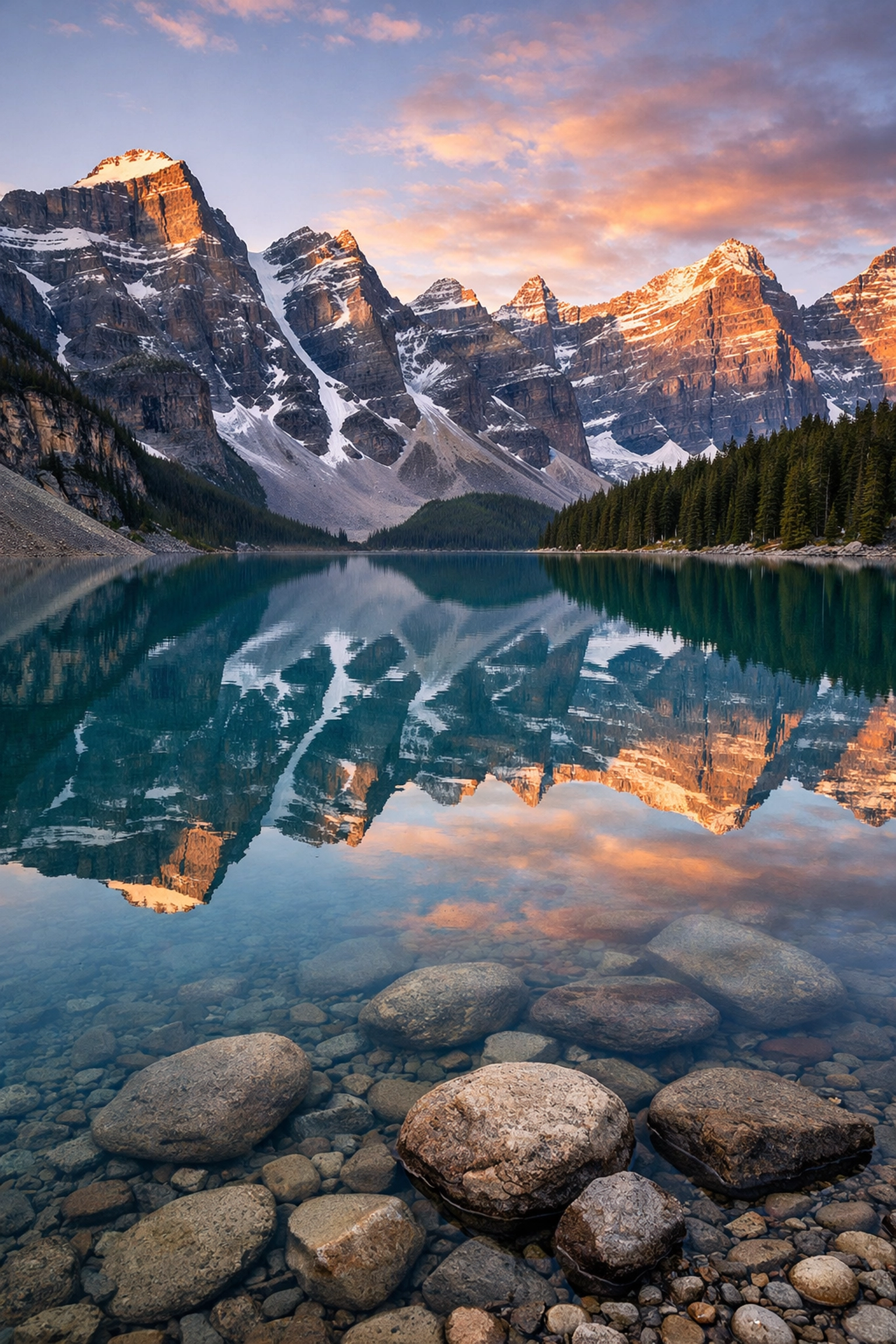
Every city has its "icon." In Paris, it’s the Eiffel Tower; in Miami, it’s the Art Deco hotels. But the best photo spots near you are often the "B-Sides": the perspectives that look away from the landmark or use it as a distant background element.
Next time you’re at a popular spot, turn 180 degrees. Look for reflections in nearby windows, or frame the landmark through the branches of a tree in a quiet residential area a mile away. You’ll get the scale and the "vibe" without the cliché.
2. Rooftop Parking Garages
This is one of my favorite travel photography tips for urban shooters. Most people see a parking garage as a utility. Photographers see it as a multi-level tripod. The top floor of a parking garage offers an elevated, unobstructed view of the skyline. These spots are usually accessible, cheap (or free for the first 20 minutes), and offer incredible leading lines.
3. Local University Campuses
Universities are goldmines for architectural photography. From gothic cathedrals to ultra-modern glass labs, campuses are designed to be aesthetic. Because they are often semi-private, they don't show up on "top 10 tourist spots" lists, making them perfect hidden gems. Check out the courtyards or the libraries: the symmetry alone is worth the trip.
4. Botanical Gardens and Arboretums
If you’re craving nature but don’t have time for a national park, look for a local arboretum. These are curated for beauty. In early spring (like right now in mid-March), you can find specific blooms that create a soft, ethereal background for portraits. If the sky is looking a bit flat during your shoot, you can always enhance the mood later with some high-quality sky overlays.
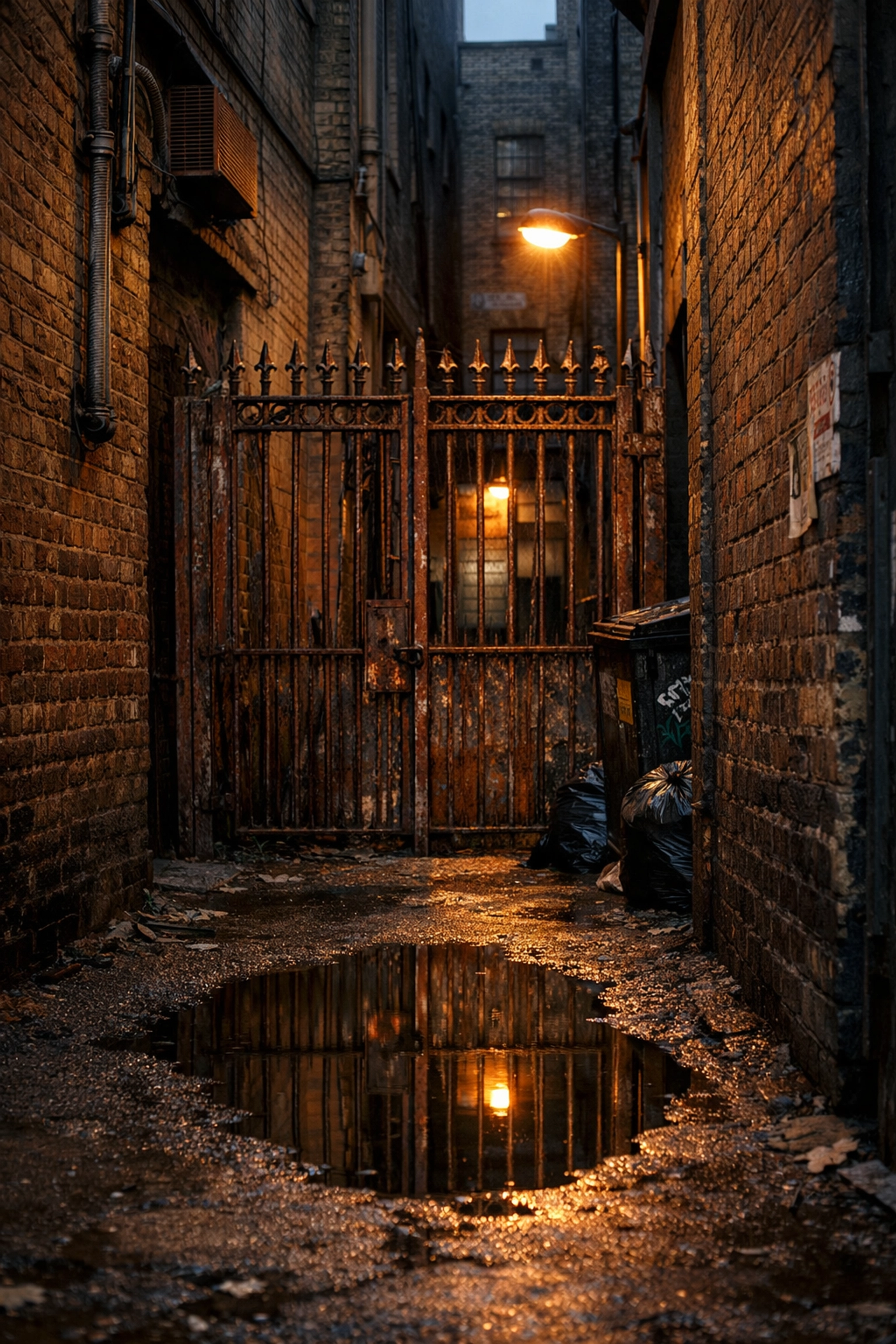
5. Industrial Zones and Back Alleys
Beauty isn't always found in a flower. Some of the most compelling "photo spots near me" are located in the industrial parts of town. Rust, corrugated metal, and abandoned brickwork provide incredible texture. These locations are perfect for high-contrast black and white shots or edgy fashion editorials. Just remember to stay safe and respect private property lines.
6. Public Libraries (The Interiors)
In 2026, we are seeing a resurgence of "dark academia" aesthetics. Local libraries: especially older ones: offer stunning interiors with soft, diffused light coming through large windows. The repetitive patterns of bookshelves create amazing depth in your photos.
7. Small-Town Main Streets
While everyone is rushing to the big city, the small towns on the outskirts often hold the most charm. I’ve found incredible locations by just driving 30 minutes outside the city limits to a town that time forgot. Think vintage neon signs, old theaters, and local diners. For more on finding these hidden treasures, you can read some of our travel photography tips on the blog.
8. Transit Hubs and Subway Stations
Modern transit architecture is often breathtaking. The lines, the movement, and the artificial lighting provide a playground for long-exposure photography. Using a slow shutter speed to blur a passing train while keeping the architecture sharp is a classic technique that never goes out of style.
9. Waterfront Piers (The Industrial Kind)
Skip the tourist piers with the Ferris wheels. Look for the working piers: the ones where the fishing boats dock or where the old wood is rotting away. The textures and the "salty" atmosphere provide a much more authentic story for your portfolio.
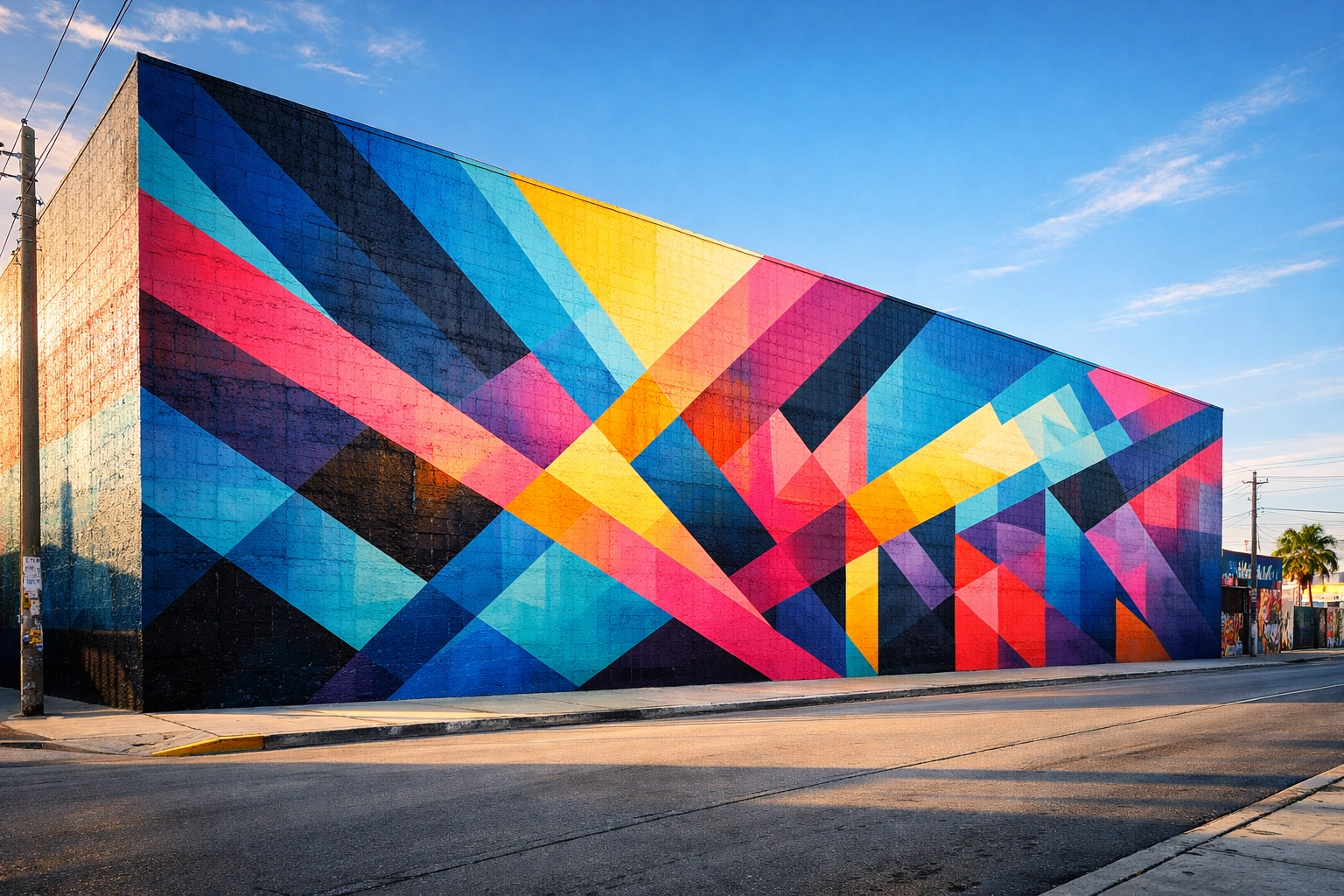
10. Community Murals and Street Art
Street art is constantly changing. A spot that was a plain gray wall last month might be a vibrant masterpiece today. Local neighborhoods often have dedicated "arts districts" that are less crowded than the main tourist drags but offer ten times the color.
How to Scout Using 2026 Technology
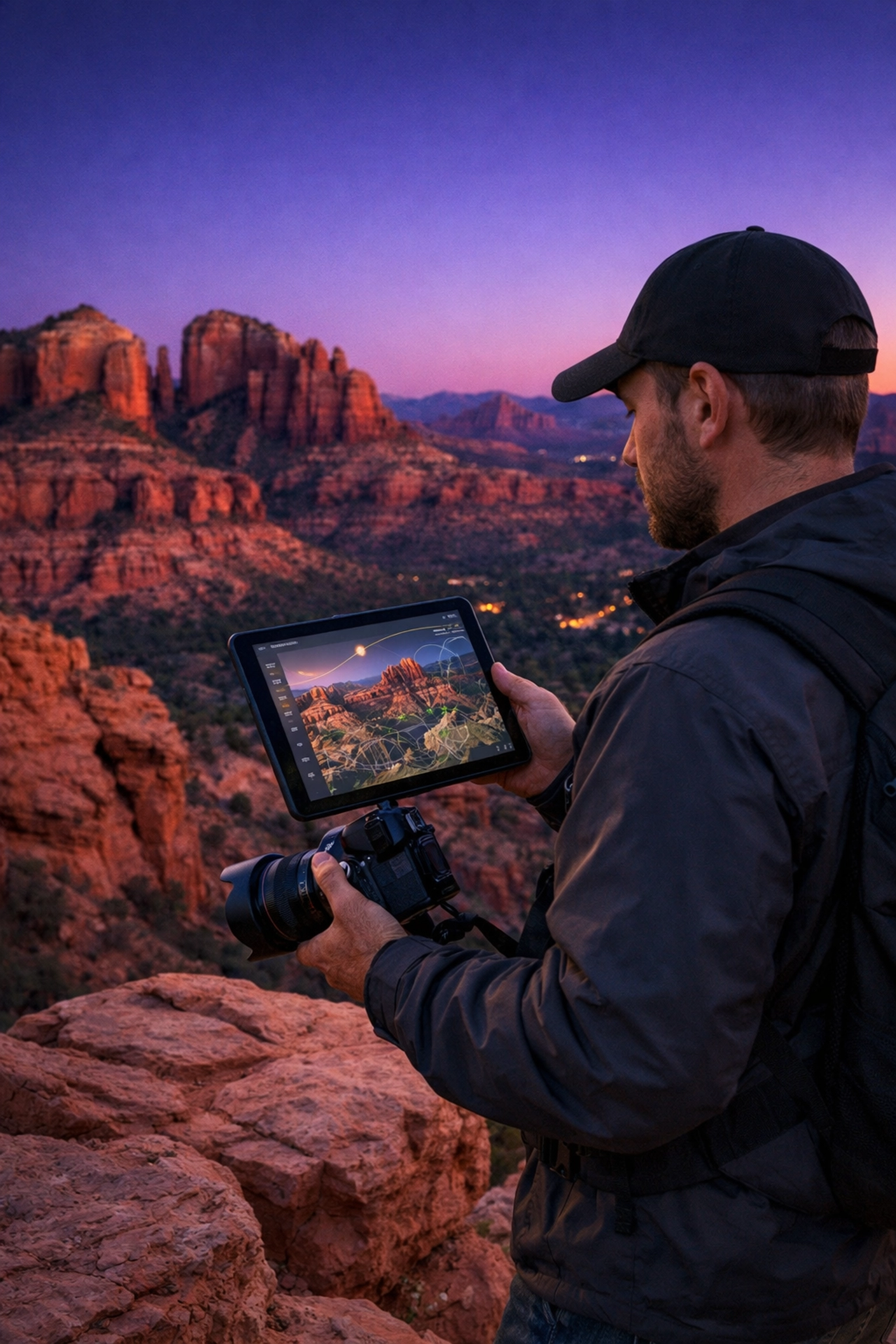
Finding the best photography locations has become a high-tech game. Here is how I recommend scouting today:
- Satellite Mapping: Use Google Earth’s 3D view to check the height of buildings and see where shadows will fall at specific times of the day.
- Heat Maps: Some apps show you where the most photos are being taken. My secret? Look for the "cold spots" right next to the hot spots. That’s where the hidden gems live.
- AI Lighting Predictors: New AI tools can now simulate how a sunset will look at a specific GPS coordinate based on current atmospheric data. It saves a lot of "maybe next time" trips.
Before you head out, make sure you have your essential photography gear packed. You don’t want to find the perfect hidden spot only to realize you left your wide-angle lens or your extra battery at home.
The Ethics of Hidden Spots
As photographers, we have a responsibility to the locations we shoot. The "geotagging debate" is still very much alive in 2026. When you find a truly pristine, hidden natural spot, consider whether or not to share the exact coordinates.
Sometimes, the best way to protect a location is to share the photo, but keep the location a secret. This keeps the spot "hidden" and prevents it from being overrun and damaged. Always follow "Leave No Trace" principles, whether you’re in a forest or an urban alley.
Gear Guides for the Modern Scout
In 2026, gear has become more compact and more powerful. If you’re going to be hiking through the city or the woods looking for these spots, you want a kit that won't break your back. I always recommend checking out the latest camera reviews to see which mirrorless systems are leading the pack in terms of weight-to-performance ratio.
Drones have also become an essential part of scouting. A quick five-minute flight can reveal angles and paths that you would never see from the ground. It’s the ultimate "hidden spot" finder.
Final Thoughts
Finding the "best photography locations" isn't about having a secret map. It’s about changing your perspective. It’s about looking at a parking garage and seeing a vantage point, or looking at an old warehouse and seeing a studio.
The world is full of incredible art waiting to be captured; you just have to be willing to walk a block further than everyone else. If you're ready to take your skills to the next level, check out our educational guides for more deep dives into the craft.
Now, grab your gear, head outside, and find your own hidden gem. The light is waiting.