
We’ve all been there. You have a free Saturday, your camera batteries are charged, and you’re itching to shoot something new. You grab your phone, open Google, and type those four familiar words: "photo spots near me."
What happens next is usually a mix of disappointment and déjà vu. You get a list of the same three parks, a crowded "Instagrammable" mural, and maybe a fountain that’s been photographed a million times. It’s frustrating, right? You want something fresh, something authentic, and something that doesn’t look like everyone else’s feed.
At Photoguides, we believe that great photography isn't just about having the right gear: though having the essential photography gear certainly helps: it’s about the hunt.
If you feel like your search results are leading you into a creative dead end, you aren't alone. Here are 10 reasons why your "photo spots near me" search is failing you, and more importantly, how you can start finding those elusive hidden gems.
1. Algorithms Prioritize Popularity Over Artistry
Search engines are designed to give you the most "relevant" results, which in their eyes means the most popular. If a thousand people have tagged a specific pier or bridge, the algorithm assumes that’s where you want to go too. This creates an echo chamber where everyone is directed to the same five locations. To break out of this, you have to look past the first page of search results.
2. You’re Searching During the Wrong Season
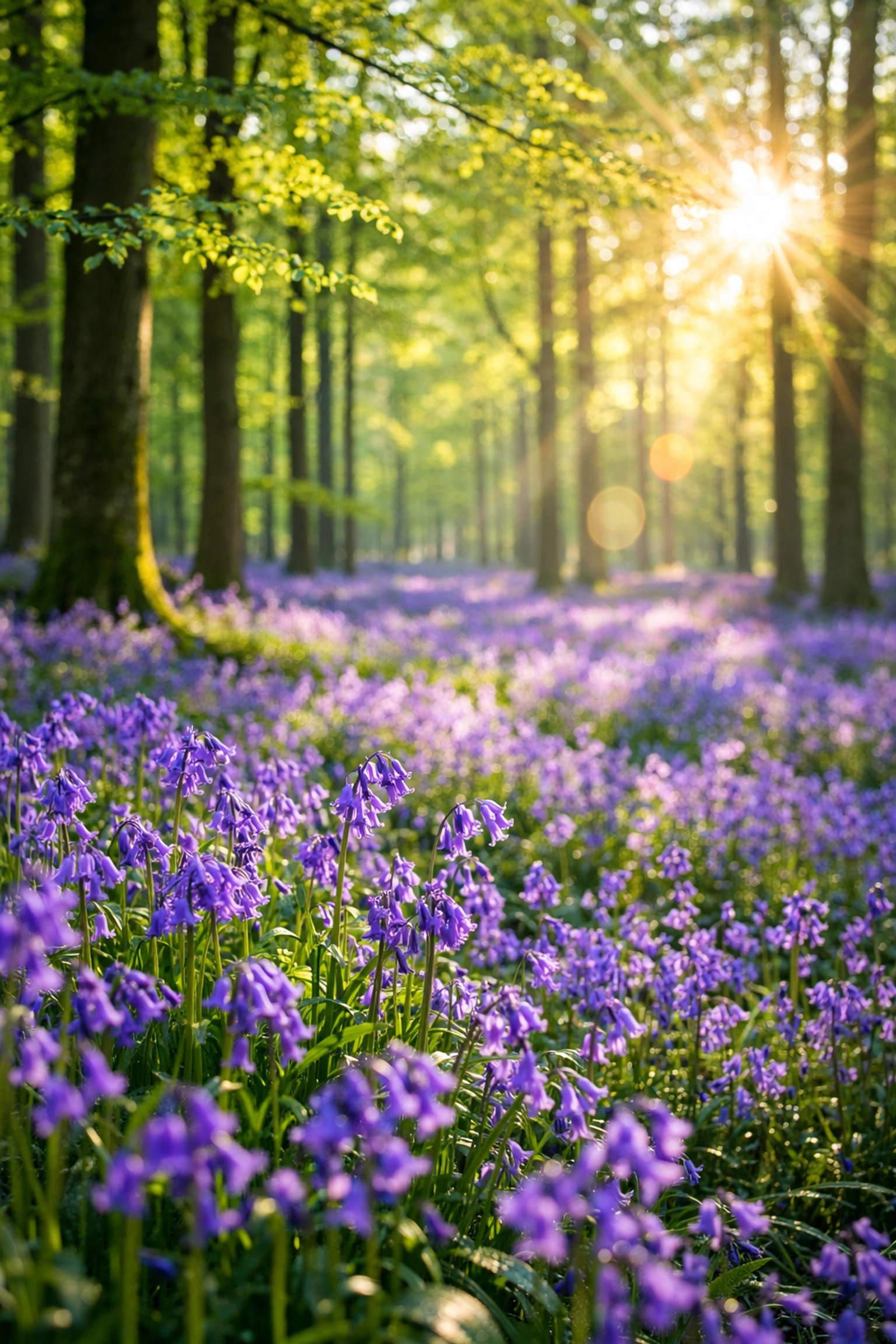
A "best photography location" in October might be a muddy mess in March. Most blog posts and "top 10" lists don't account for seasonality. If you’re looking for vibrant colors or specific lighting conditions, your search needs to be more specific. Instead of searching for "spots," search for "botanical blooms in March" or "industrial architecture rainy day."
3. The "Instagram Trap" Effect
Social media has turned photography into a bit of a scavenger hunt for the exact same frame. When you search for local spots, you’re often seeing places that look great in a 4×5 crop with a heavy filter, but in reality, they might be surrounded by trash cans or heavy traffic. To find real beauty, you need to look for places that offer more than just one "hero" angle.
4. You’re Ignoring the "B-Side" of the Map
Most people look for the biggest landmarks. If you’re in a city like Miami, everyone goes to South Beach. But if you dig deeper, you might find something like Miami’s hidden speakeasies or quiet corners in the Design District that offer much more character.
5. Lack of Technical Context
A search result can show you a beautiful building, but it won’t tell you that the light hits it perfectly at 6:45 AM and looks like garbage by noon. Understanding the technical side of your location is key. We cover a lot of these nuances in our educational section, where we dive into how to read the light before you even arrive.
6. Relying on Old Data
The internet is full of "best of" lists from 2018. In the world of photography, five years is an eternity. Businesses close, murals are painted over, and parks undergo construction. Always check the dates on the articles you read. For the most up-to-date gear and location insights, checking sites like Camera Reviews 2024 or Shut Your Aperture can give you a better sense of the current landscape.
7. You’re Not Using Modern Scouting Tools
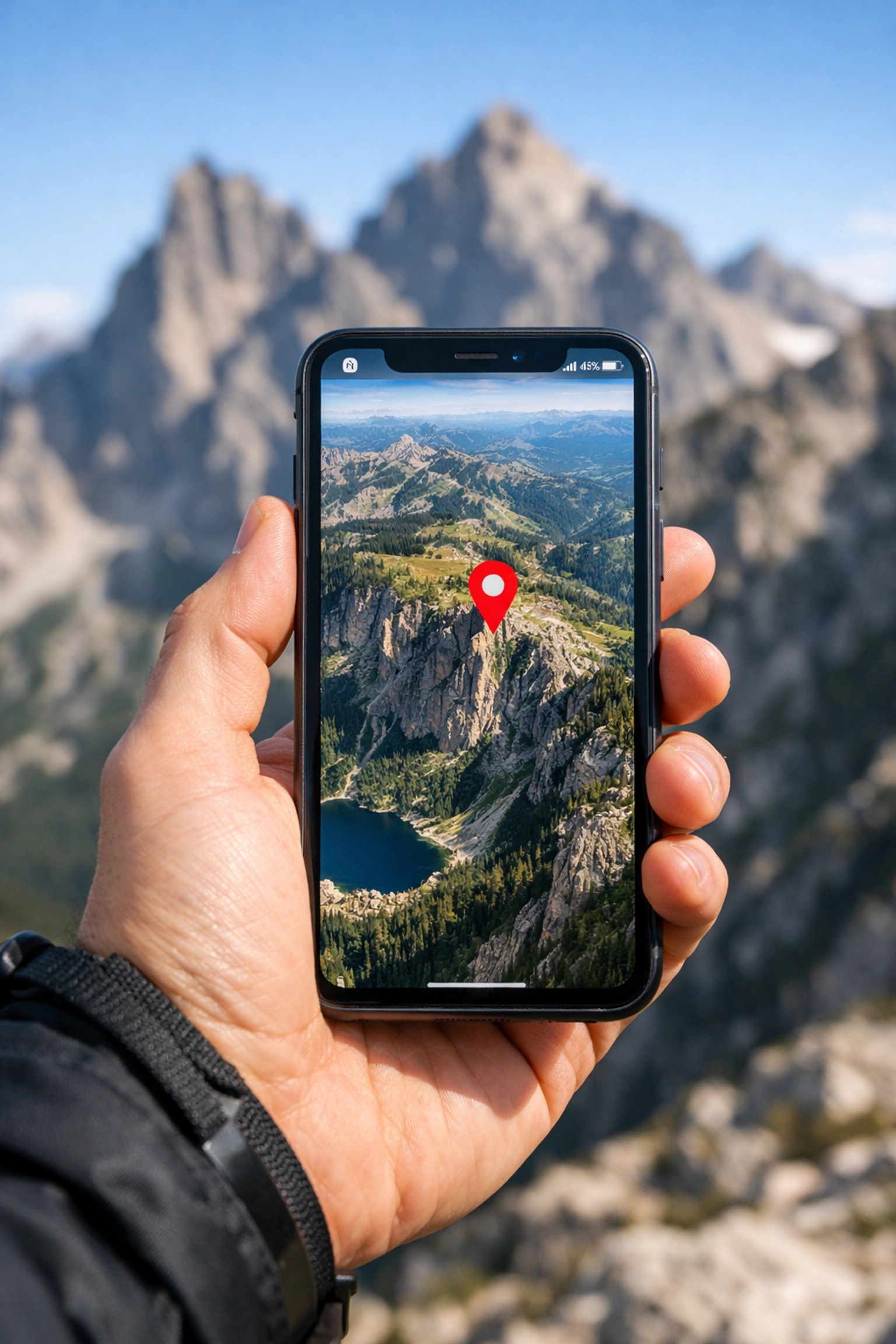
In 2026, we have tools that go far beyond a simple Google search. If you aren't using Google Earth’s 3D view to check the height of buildings or the shadows cast by trees, you’re missing out. Use these tools to virtually "walk" through neighborhoods before you spend the gas money to get there.
8. The "Secret Spot" Paradox
The truly great spots: the ones that professional landscape photographers spend years finding: aren't usually labeled "Photo Spot" on a map. They are often found by looking for the gaps in the map. Look for public land, state parks that don't have many reviews, or even industrial areas that might offer a gritty, high-end aesthetic.
9. You’re Thinking Too Small
Sometimes the "photo spot near me" isn't in your city; it’s a short drive away. We often overlook the beauty of a cheap weekend getaway because we’re too focused on our immediate surroundings. A two-hour drive could land you in a completely different ecosystem or architectural style.
10. Your Search Keywords are Too Broad
"Photo spots" is too vague. Are you looking for portrait backdrops, long exposure opportunities, or street photography? Try searching for the vibe rather than the location. Search for "brutalist architecture," "neon signage," or "overgrown forests."
How to Find the Hidden Gems (The Pro Way)
Now that we know why the basic search fails, let’s talk about how to actually find the good stuff. This is the strategy Edin Chavez uses when scouting for Edin Fine Art or when planning a high-end shoot for Edin Chavez’s Blog.
1. Reverse Engineer from the Visuals
Instead of searching for words, search for images. Use platforms like Pinterest or specialized photography sites, and when you find an image you love, use a reverse image search to find the coordinates. Often, these photos were taken at "random" spots that don't have a formal name.
2. Follow the "Non-Photographers"
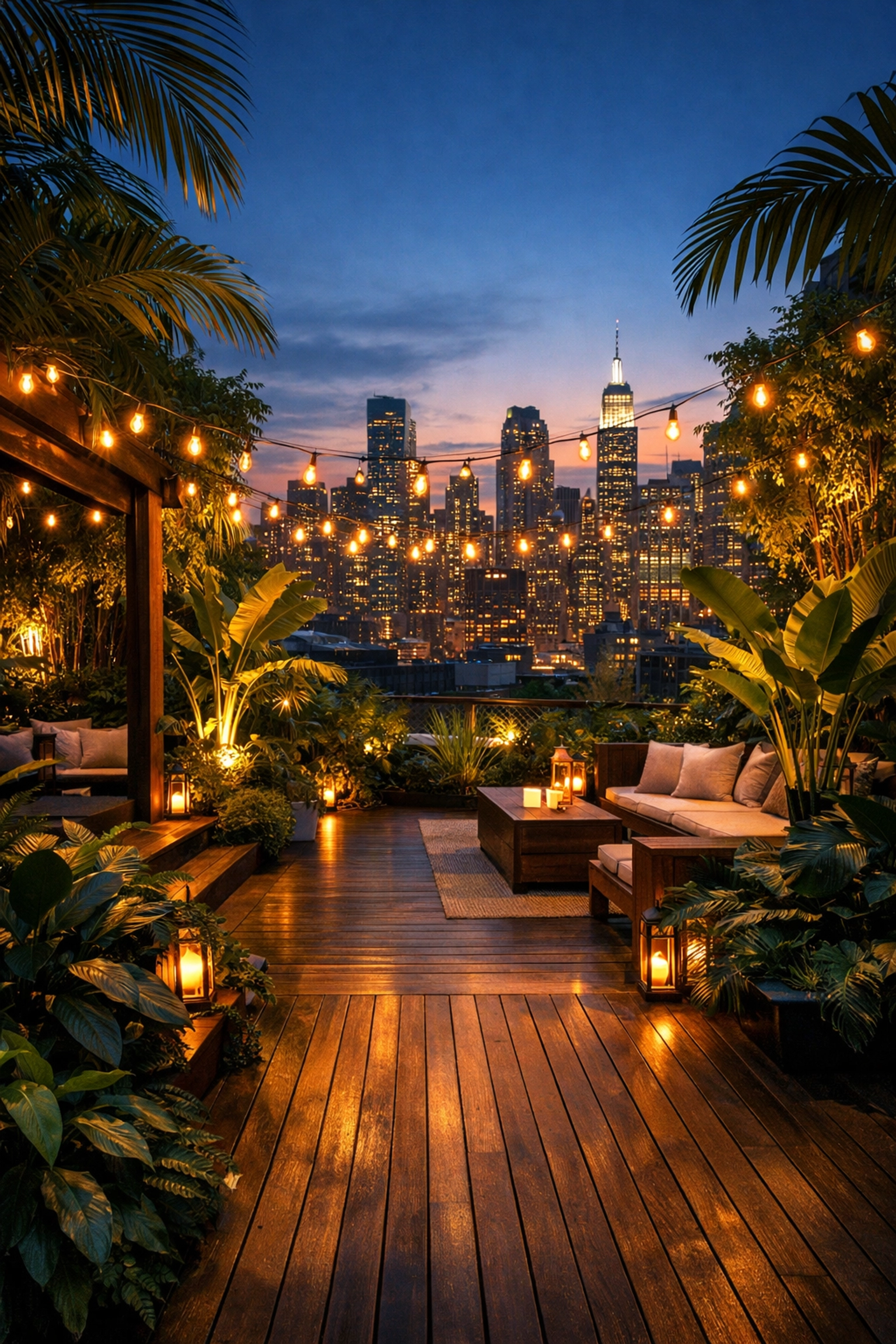
Check out local foodie blogs or travel guides. For example, a guide to breweries in Williamsburg, VA or restaurants in downtown Golden might mention a courtyard or a rooftop view that hasn't been "discovered" by the local photography community yet. These spots often provide a more authentic atmosphere for lifestyle and street photography.
3. Use AI to Predict the Light
In 2026, AI-integrated weather apps can tell you exactly when "God rays" are likely to appear based on atmospheric pressure and humidity. Use these tools to turn a boring park into a cinematic masterpiece. If the sky isn't cooperating, you can always enhance your work later with tools like sky overlays, but getting the location right is half the battle.
4. Talk to the Locals (The Analog Way)
If you find a cool-looking coffee shop or a local breakfast place in Cape Coral, ask the staff where the best view of the sunset is. Locals always know about the "broken" fence that leads to a great overlook or the abandoned building that the cops don't mind you standing in front of.
5. Look for Negative Space
When looking at a map, don't look for the clusters of pins. Look for the empty spaces between the pins. That’s where the hidden gems live. Whether it's a quiet beach that people skip for the more popular Dominican Republic vs. Cancun resorts, or just a small neighborhood park, the absence of people is usually a sign of a great photo opportunity.
The Future of Finding Locations
As we move further into 2026, the way we find locations is shifting. We are seeing a move toward "Authentic Photography" as a reaction to the surge of AI-generated art. People want to see real places, real light, and real grit.
Finding these spots requires a bit more effort than a five-second search, but the payoff is worth it. Your portfolio will stand out, your work will feel more personal, and you’ll rediscover the joy of exploration.
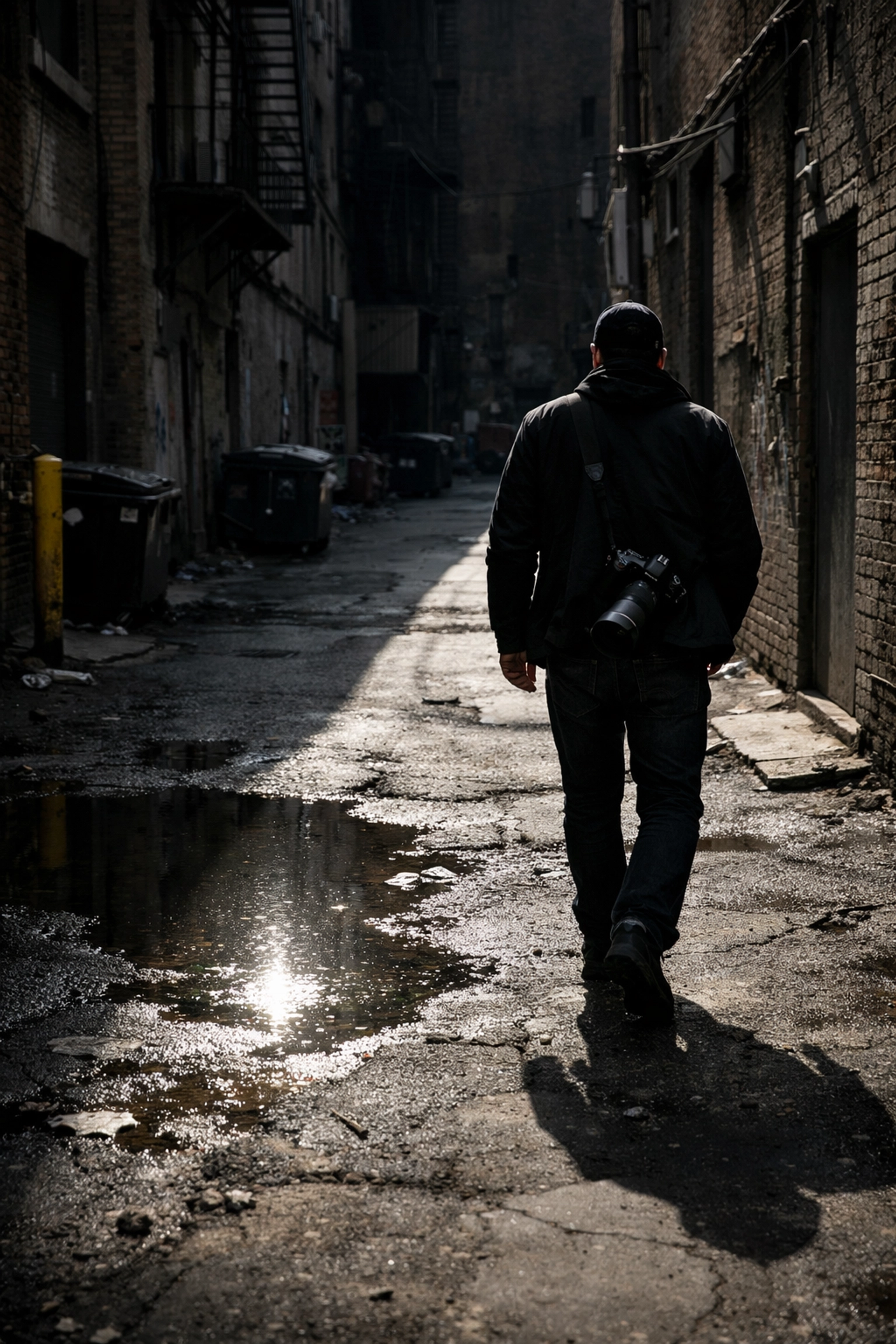
If you’re ready to take your photography to the next level, don't just follow the crowd. Start by looking at your surroundings with fresh eyes. Whether you’re an Atlanta event photographer looking for a new venue or a hobbyist searching for Laguna Beach breakfast restaurants with a view, the best spots are always the ones you find yourself.
For more tips on gear, techniques, and the best places to shoot around the world, keep exploring Photoguides. We’re here to help you capture the world, one hidden gem at a time.













