
Look, we've all been there. You scroll through Instagram and see the same Eiffel Tower shot from Trocadéro for the thousandth time. Or that one angle of Machu Picchu that literally everyone has. Sure, these iconic spots are iconic for a reason, but your travel photography deserves to tell a story that's uniquely yours.
The good news? Authentic photo opportunities are everywhere once you know where to look. And I'm not talking about those "secret spots" that require a 6-hour hike at 3 AM (though no judgment if that's your thing). I'm talking about real, accessible places where genuine moments happen: the kind that make people stop scrolling and actually feel something.
Let's dive into 50+ ideas that'll help you capture the real essence of travel, not just another postcard shot.
Urban Stories Beyond the Tourist Trail
Cities are storytelling goldmines if you look beyond the main square. Here's where the magic actually happens:
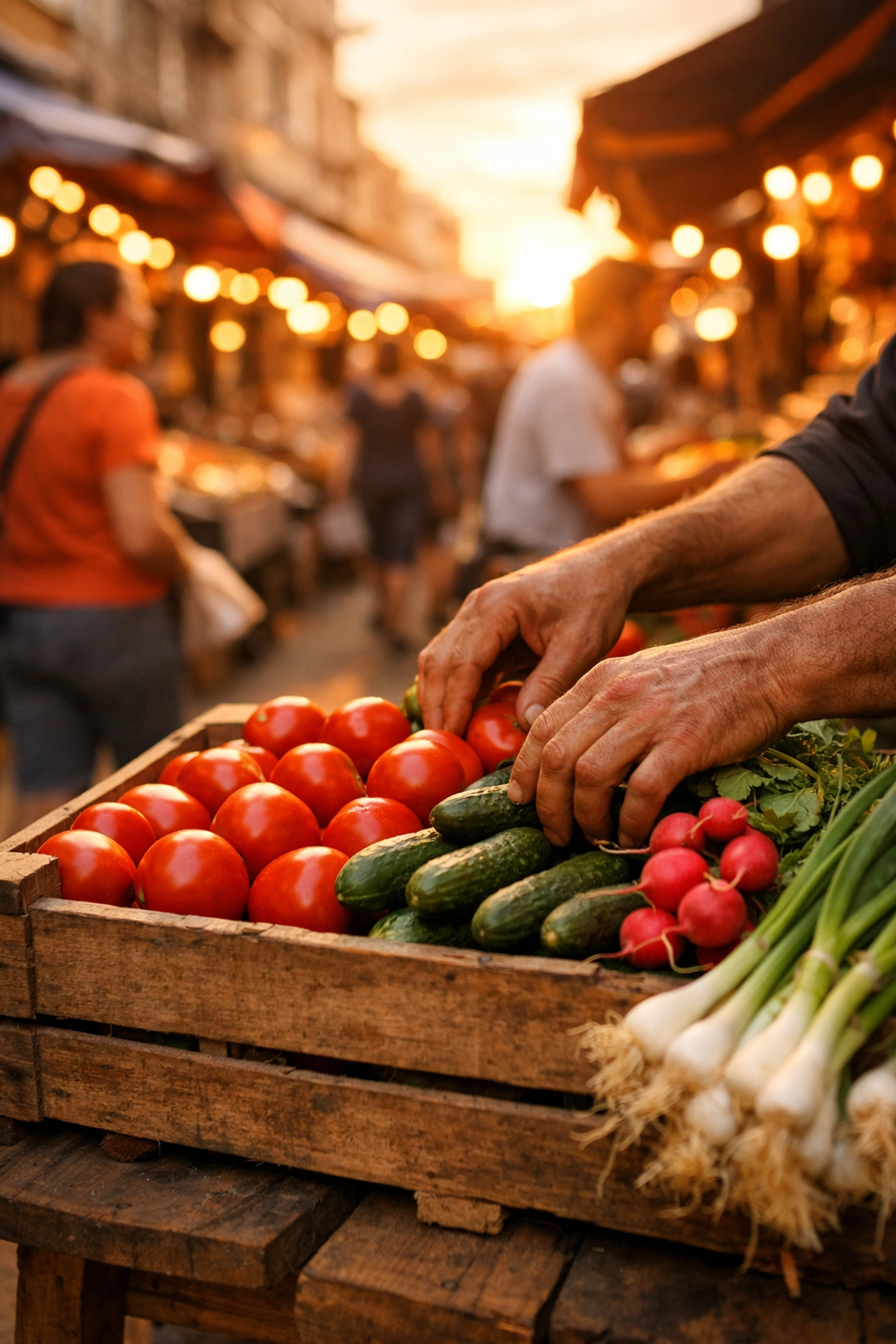
Markets and street food scenes – The morning fish market in any coastal town tells more stories than a harbor sunset ever could. Watch vendors arrange their catch, customers haggle, and the rhythm of daily life unfold. Early morning is your friend here.
Neighborhood laundromats and corner stores – These everyday spaces show how people actually live. In Lisbon, colorful laundry lines between buildings. In Tokyo, the glow of a 7-Eleven at midnight. In Brooklyn, the bodega cat sleeping on newspapers.
Local transit stations during rush hour – Grand Central is beautiful, sure, but have you photographed the subway platform musicians? The commuters reading? The way light falls through the grates?
Community gathering spots – Think chess tables in parks, pickup basketball games, outdoor fitness classes. These show connection and real human interaction. Tools like Photoguides can help you discover where locals actually hang out in any city.
Small museums and cultural centers – Skip the Louvre crowds. Find the neighborhood museum about local history, the immigrant community center, the small gallery showcasing emerging artists.
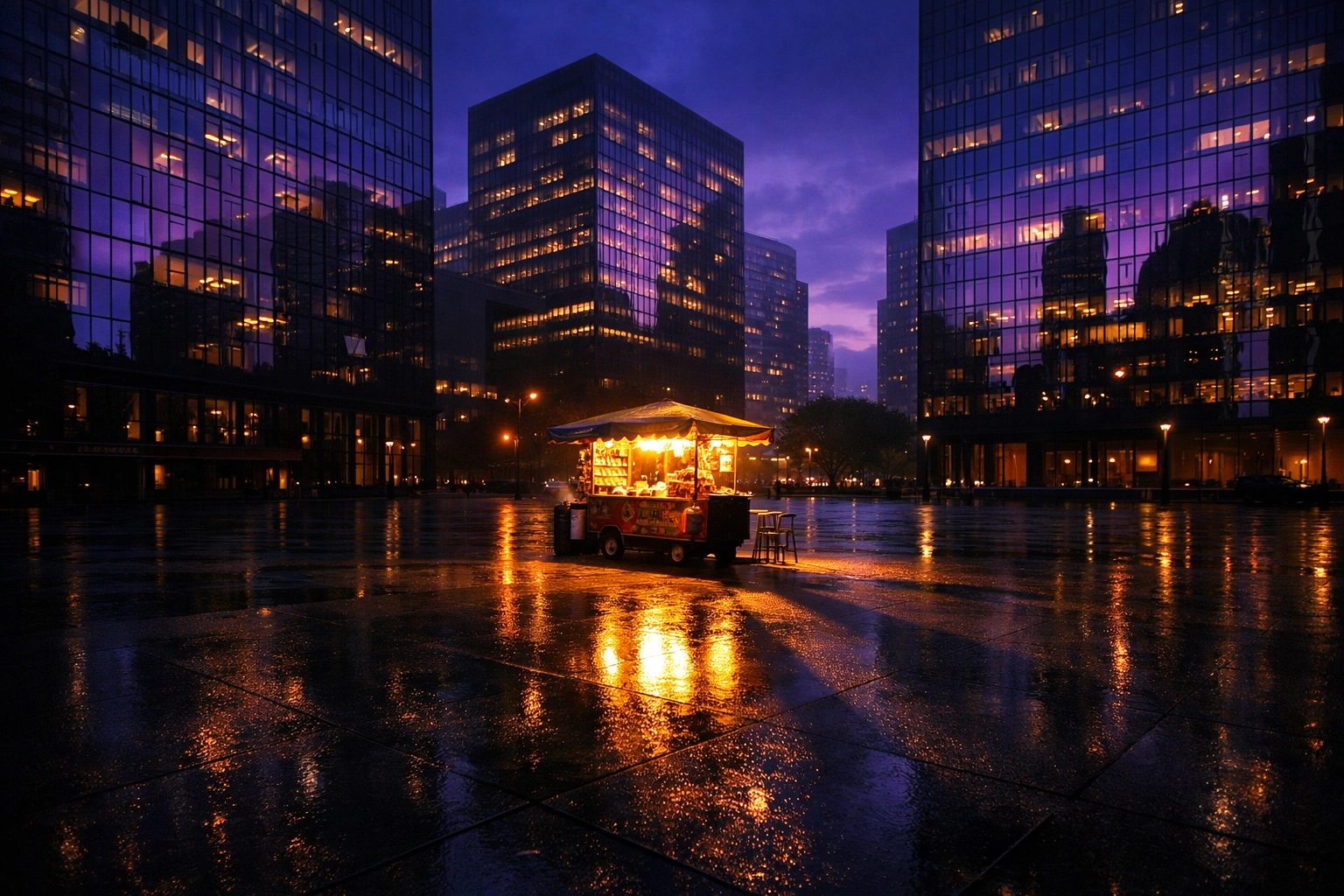
After-hours business districts – When everyone leaves, these corporate canyons transform. Empty plazas, reflections in glass buildings, the lone food cart vendor serving night shift workers.
Nature's Authentic Moments
Natural landscapes are stunning, but the real stories happen at the edges:
Trailhead parking lots at dawn – Before the hike, when hikers prepare their gear, check maps, sip coffee from thermoses. The anticipation is its own story.
Working landscapes – Fishing boats being repaired, farms during harvest, forestry roads with equipment. Nature intersecting with human work creates powerful narratives.
Weather transitions – Don't pack up when the perfect light ends. Storm clouds rolling in, fog lifting from valleys, rain beginning to fall: these transitional moments are gold.
Wildlife watching areas – Not just the animals, but the watchers. Birdwatchers with their massive lenses, families pointing excitedly, tour guides explaining behavior.
Off-season locations – That summer beach destination in January? That ski town in August? These places reveal different personalities when the crowds leave.
Cultural Immersion Spots
Want to capture genuine culture? Go where traditions are practiced, not performed:
Religious ceremonies open to visitors – Morning prayers, evening services, weekly rituals. Approach with respect, ask permission, and document the devotion you witness.
Local sports venues – Not the major league stadiums, but neighborhood basketball courts, cricket pitches, bocce ball courts where regulars play.
Community festivals (the small ones) – Every neighborhood has them. The annual block party, the school fundraiser, the volunteer fire department barbecue. These show community in action.
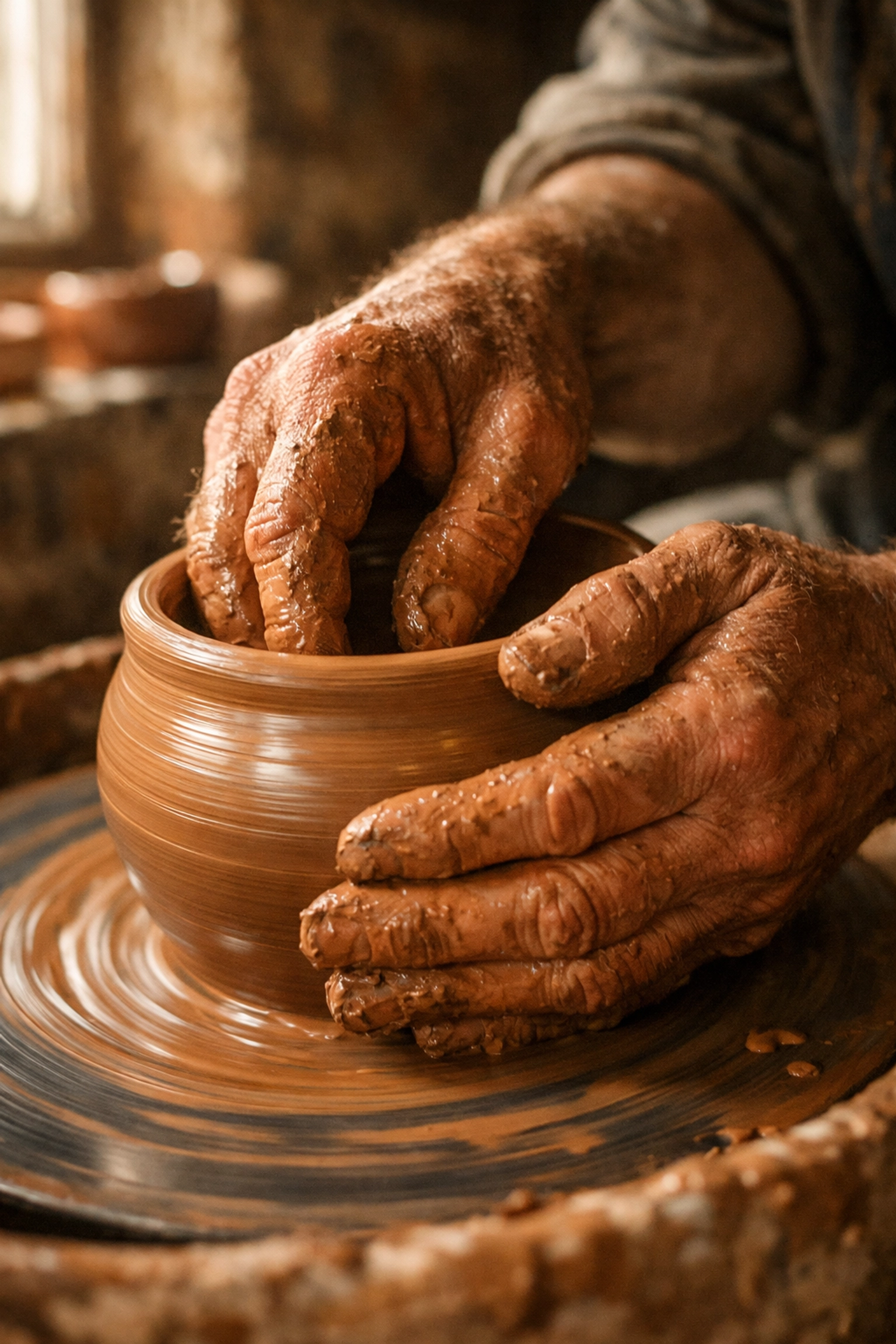
Craft workshops and artist studios – Potters at their wheels, metalworkers, traditional craft makers. The process is often more compelling than the product.
Family-run restaurants – The grandmother making pasta by hand, the father teaching his daughter to work the register, the kitchen choreography during dinner rush.
Architectural Stories
Buildings tell stories beyond their facades:
Doorways and entrances – Each one different, showing personality, weathering, character. Collect them from a single neighborhood or city.
Fire escapes and balconies – These functional spaces become gardens, storage, private outdoor rooms. They show how people adapt and personalize.
Construction and renovation sites – Cities are always changing. Document that transformation, from demolition to rebuilding.
Abandoned structures – Old factories, closed businesses, forgotten infrastructure. Approach safely and legally, but these spaces have powerful stories. If you're looking to book professional shoots in unique spaces, check out Proshoot for location scouting resources.
Architectural details – Weathered paint, rust patterns, how nature reclaims edges. Get close and abstract.
Transportation Stories
Movement and connection create narrative:
Train platforms and bus stations – Arrivals and departures, reunions and goodbyes, the in-between moments of travel.
Parking lots and rest stops – Underappreciated storytelling spaces. Families stretching, truckers taking breaks, the liminal space of the journey.
Bike repair shops and skateparks – Communities form around movement. Capture that culture.
Ferries and water taxis – The crossings, the passengers, the views, the vessel itself as character.
Airport observation areas – Plane spotters, families watching for arrivals, the romance of flight from outside the security checkpoint.
Seasonal and Time-Specific Locations
Timing transforms ordinary places:
Blue hour in residential neighborhoods – When house lights glow warm and the sky turns deep blue. Any suburb becomes magical.
Sunday morning anywhere – The unique quiet and pace of Sunday mornings. Empty streets, people in their routines, the collective exhale.
Holiday preparation scenes – Not the holidays themselves, but the setup. Decorations going up, market stalls preparing, the anticipation energy.
First and last light in ordinary places – Your own street, the local park, the commuter parking lot. Familiar places in extraordinary light.
The Power of Series and Projects
Here's the thing about authentic travel photography: it's often more powerful as a series than as individual images. Consider creating collections:
- One intersection, four seasons – Watch a single location change
- Doorways of a neighborhood – Visual census of a community
- Local breakfast spots – What people eat and where they gather
- Community bulletin boards – The collaged announcements and ads
- Street corners at the same time daily – How light and life change by the hour
Making It Work Practically
A few tips for shooting these authentic moments:
Talk to people – Most folks are happy to be photographed if you're genuine and respectful. A smile and asking permission goes a long way.
Spend time, not just minutes – Authentic moments reveal themselves to patient observers. Sit in a café for an hour. Walk the same street multiple times.
Shoot the edges – Literally frame what's happening at the periphery of the main event or location.
Document your own experience – Your travel companion's reactions, your own feet on unfamiliar ground, your map with coffee stains. These are your stories too.
Return to places – The spot you passed quickly might reveal more on a second or third visit. Different times of day show different personalities.
The best travel photography doesn't shout "TRAVEL PHOTOGRAPHY!" It whispers stories about connection, community, beauty in unexpected places, and the universal human experience playing out in specific locations. You don't need to trek to remote villages or exotic destinations to find these stories (though those can be great too). You just need to look at familiar things with fresh eyes.
Your authentic travel story is out there, probably in a spot that a thousand other photographers have walked right past. Go find it.













