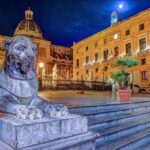
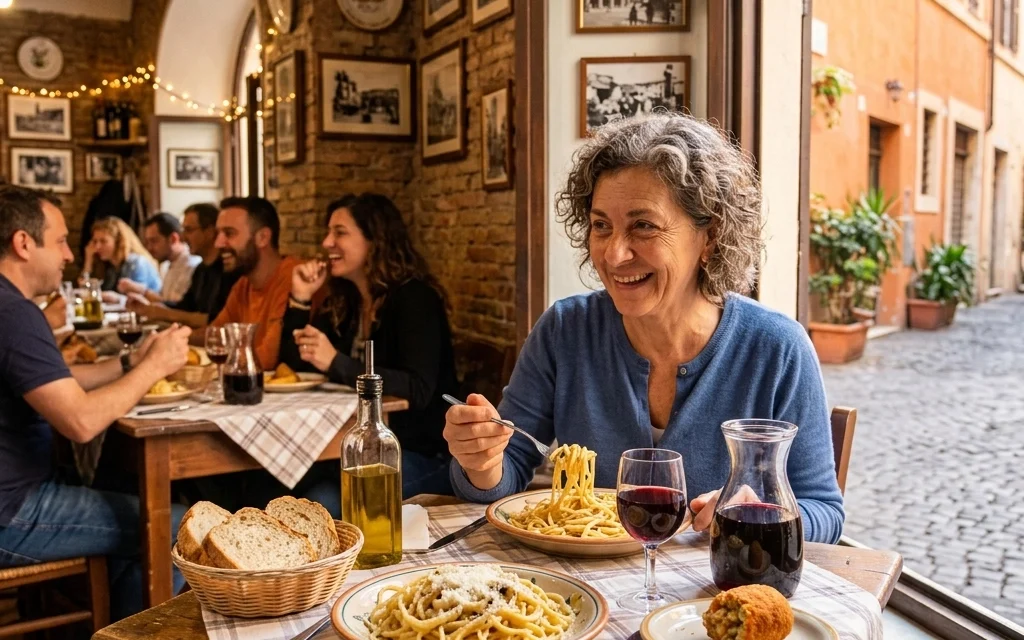
Rome is a city that lives and breathes through its kitchens. There is an unmistakable magic in the air when the scent of guanciale frying in a pan wafts through a cobblestone alleyway in Trastevere. But let’s be real: Rome is also a city that knows how to spot a tourist from a mile away. If you aren't careful, you can easily spend a fortune on a mediocre plate of pasta that was probably frozen two hours ago.
At Photoguides, we believe that traveling well doesn't have to mean spending your life savings. Whether you are hunting for the perfect shot of the Colosseum or just looking for the best cheap eats, navigating the Roman food scene is an art form. I’ve spent a lot of time wandering these streets, and I’ve seen the same mistakes made over and over again.
If you want to experience the authentic flavors of the Eternal City without breaking the bank, you need to eat like a local. Here are the seven biggest mistakes you’re making with budget dining in Rome: and exactly how to fix them.
1. Eating Within Sight of a Major Monument
It is incredibly tempting. You’ve just finished a three-hour tour of the Vatican or the Roman Forum, your feet are aching, and there is a restaurant right across the street with a beautiful view of the ruins. You see the white tablecloths and the "Tourist Menu" sign, and you think, “Why not?”
This is the fastest way to blow your budget travel food allowance on sub-par quality. Restaurants located directly on major piazzas (like Piazza Navona or the Pantheon) pay astronomical rents, and they pass those costs onto you. Often, the food is mass-produced for people they know will never return.
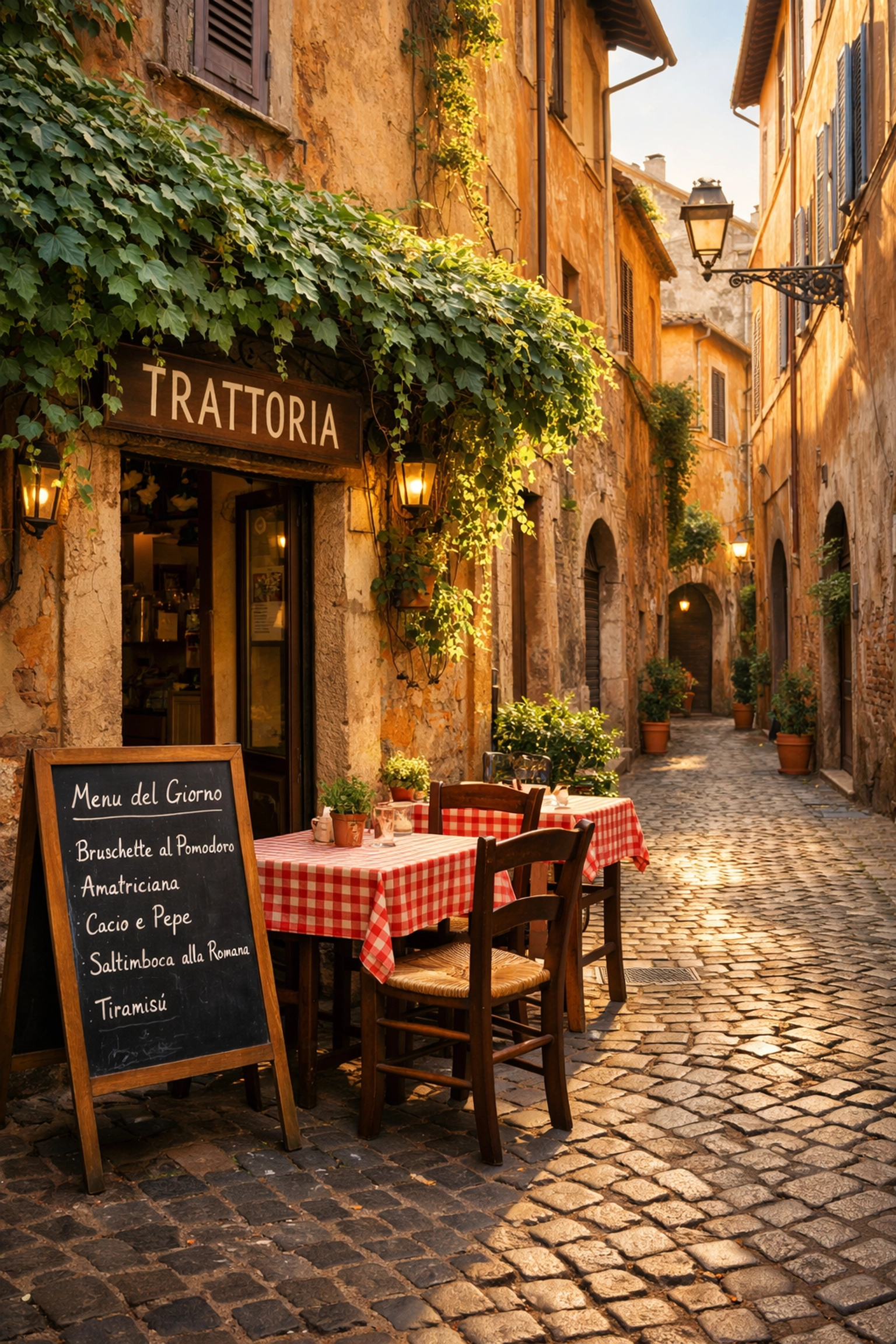
The Fix: Use the "Three Block Rule." Walk at least three blocks away from any major monument before you even look at a menu. Seek out the residential neighborhoods like Testaccio or Garbatella. If the menu has photos of the food or is translated into ten different languages, keep walking. You want to find a place where the menu is mostly in Italian and written on a chalkboard.
2. Sitting Down for a Simple Coffee
In many parts of the world, "going for coffee" implies sitting in a cozy armchair for an hour with your laptop. In Rome, coffee is a high-speed ritual. One of the most common budget mistakes is walking into a bar (which is what Italians call a coffee shop), sitting down at a table, and ordering a cappuccino.
The moment your seat hits that chair, the price of your coffee can double or even triple. This is known as the "table service" fee. While it’s nice for people-watching, it’s a quick way to drain your wallet if you do it three times a day.
The Fix: Do as the Romans do: stand at the bar. Walk up, pay for your drink at the register first (usually), take your receipt to the barista, and drink your espresso or cappuccino while standing. It’s faster, more authentic, and significantly cheaper. If you want to learn more about the lifestyle of a traveling creative, check out some of the insights from Edin Chavez at http://www.edinchavez.com/.
3. Ordering a Cappuccino After 11:00 AM
While we are on the subject of coffee, let’s talk about timing. In Italy, milk-based coffees like the cappuccino or caffè latte are strictly breakfast drinks. Romans believe that hot milk after a meal wreaks havoc on your digestion.
While a waiter will certainly serve you a cappuccino at 4:00 PM, they will immediately know you are a tourist. In some high-traffic areas, this "tourist status" might lead to less-than-stellar service or even slightly "adjusted" pricing.
The Fix: Stick to espresso (un caffè) or a macchiato after mid-morning. If you really need that afternoon pick-me-up, a caffè shakerato (iced espresso shaken with sugar) is a delicious, local-approved alternative. Taking photos of these little cultural nuances is a great way to build your portfolio; for tips on the right gear for street and food photography, take a look at our guide on essential photography gear.
4. Falling for the "Free" Bread and Water
In many American or British restaurants, bread is a complimentary starter and tap water is standard. In Rome, this isn't the case. If a basket of bread appears on your table, it usually comes with a "pane e coperto" (bread and cover) charge, which is typically between €1.50 and €3.00 per person. Similarly, if you ask for water, you will be brought a bottled liter of mineral water (still or sparkling) which adds to the bill.
The Fix: If you are on a strict budget, you can politely decline the bread when it arrives. However, the coperto is often unavoidable in sit-down restaurants. As for water, Rome is famous for its "nasoni": the public drinking fountains scattered throughout the city that provide ice-cold, delicious water for free. Carry a reusable bottle and fill it up! It’s the ultimate budget travel food hack.
5. Feeling Obligated to Order Four Courses
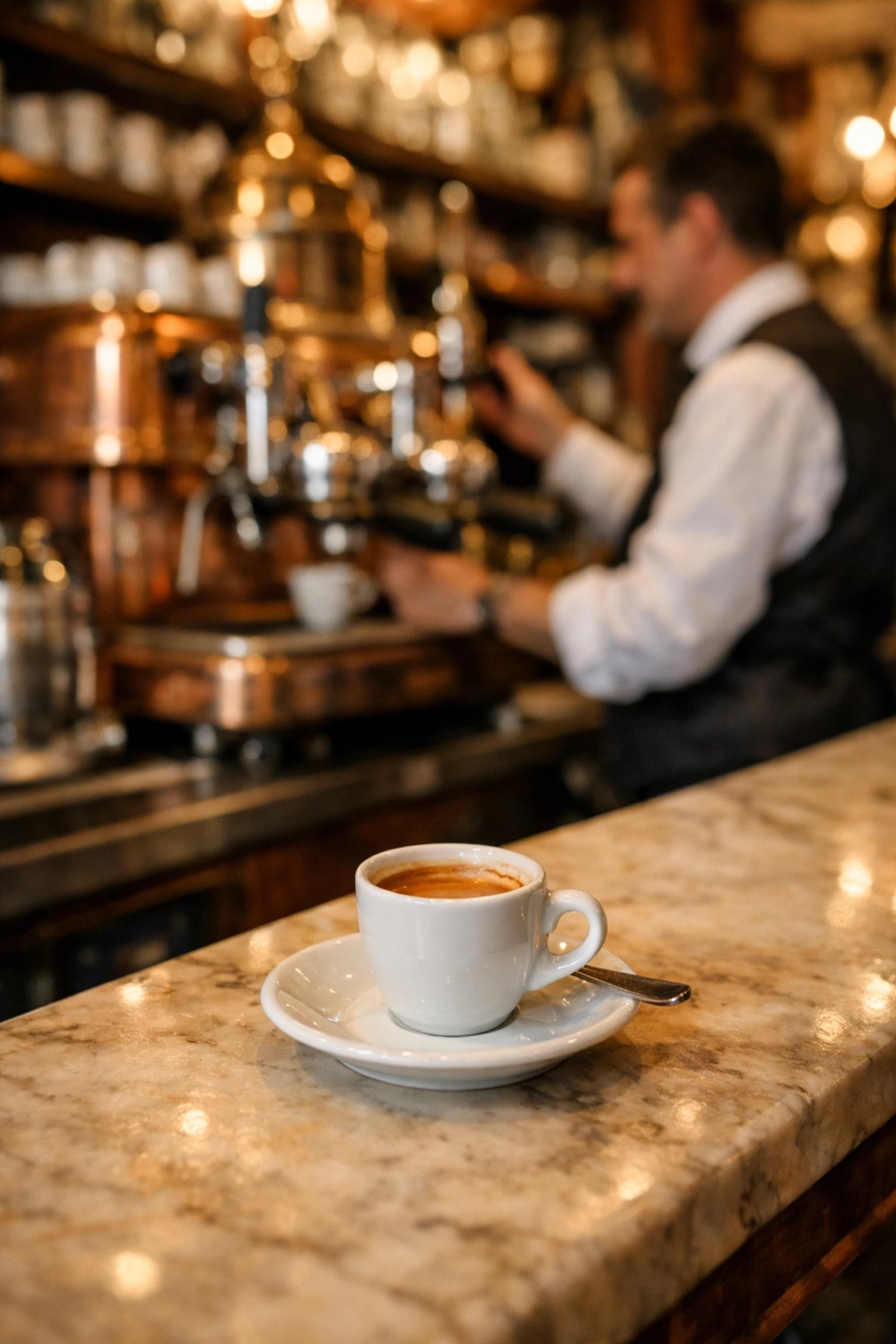
A traditional Italian menu is divided into Antipasti (appetizers), Primi (pasta/risotto), Secondi (meat/fish), and Contorni (side dishes). Many travelers feel like they have to order one of each to get the "full experience." Not only will this leave you uncomfortably full, but it will also double your bill.
The Fix: Locals rarely eat a four-course meal on a casual Tuesday night. It is perfectly acceptable to order just a Primo (like a classic Cacio e Pepe) and a Contorno (like chicory or roasted potatoes). Most Roman pasta portions are hearty enough to be a standalone meal. Eating this way allows you to try more places without overspending. For more inspiration on traveling affordably, you might enjoy our article on cheap weekend getaways.
6. Overlooking Rome’s Incredible Street Food
If you only eat at sit-down restaurants, you are missing out on some of the best culinary experiences Rome has to offer. Rome has a thriving street food culture that is both high-quality and incredibly affordable.
The biggest mistake is thinking that "cheap" means "bad." In Rome, some of the most respected chefs are focusing on traditional snacks that cost less than a glass of wine.
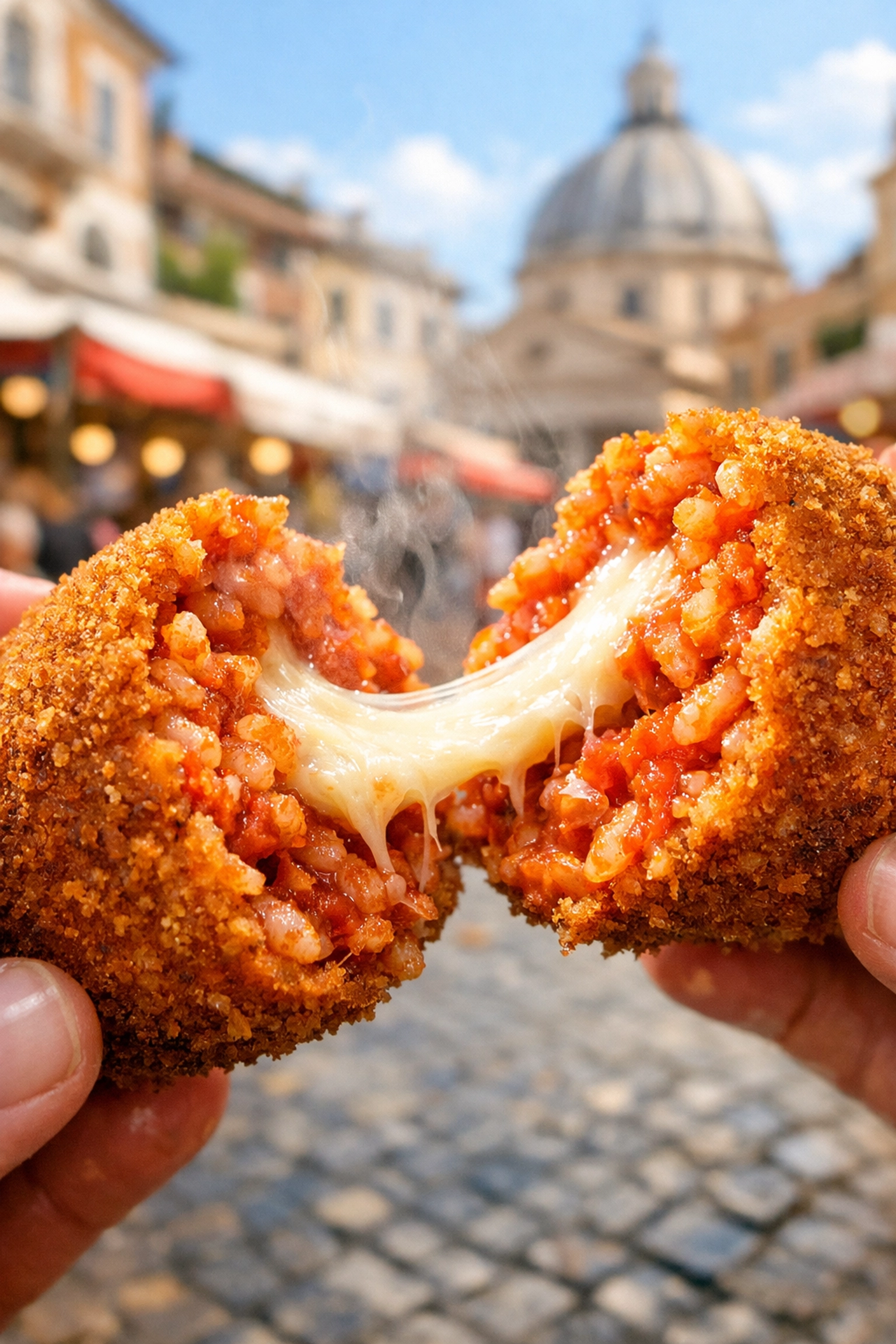
The Fix: Look for Pizza al Taglio (pizza by the slice). You point to the tray you want, tell them how much to cut, and pay by weight. It’s the perfect lunch. Also, look for Supplì: fried rice balls filled with mozzarella and tomato sauce. They are the ultimate Roman comfort food and usually cost about €1.50.
Another local favorite is the Trapizzino, a triangular pocket of pizza dough stuffed with classic Roman dishes like chicken cacciatore or meatballs. It’s filling, delicious, and very budget-friendly. Capturing these vibrant food stalls makes for amazing travel photography: check out http://www.edinfineart.com to see how professional travel photography can capture the soul of a city.
7. Ordering "Market Price" Items Without Asking
If you see "S.P.Q." (Secondo Peso/Quantità) or "Prezzo del Giorno" (Price of the Day) on a menu: usually next to fresh fish or a Florentine steak: be very careful. This is where many budget travelers get hit with a "sticker shock" bill at the end of the night.
These items are priced by weight (usually per 100 grams). If you don't clarify the size of the portion the chef intends to serve, you might find yourself paying €80 for a single fish.
The Fix: Always ask for the estimated final price before the kitchen starts cooking. A reputable trattoria will have no problem telling you roughly what the dish will cost. If they are evasive, stick to the fixed-price menu items. Being informed is the key to maintaining your peace of mind while traveling.
Eating Like a Local: A Final Word
At the end of the day, Rome is a city that rewards the curious. Don't be afraid to wander down a dark alley or step into a tiny grocery store (alimentari) to ask for a sandwich. Some of the best meals I've ever had in Italy were simply a few slices of porchetta on fresh bread, eaten while sitting on the edge of a fountain.
If you are planning your next trip and want to make sure you capture every moment perfectly, browse our camera reviews to find the right tool for your journey. And for more tips on making your travel dreams a reality, visit Photoguides.
Rome is waiting for you, and trust me, you don't need a massive budget to taste the best it has to offer. Just stay away from the pictures of lasagna on the sidewalk and keep your eyes peeled for where the locals are heading.
Happy eating!
For more travel insights and professional photography galleries, visit Edin Chavez’s Blog or join the community at Shut Your Aperture.