
Meta title: 7 Budget Travel Food Mistakes (and How to Find the Best Cheap Eats)
Meta description: Stop overspending on budget travel food. Learn the 7 most common mistakes travelers make and simple fixes to find the best cheap eats: without sacrificing quality.
Budget travel food should be one of the best parts of your trip: local flavors, unexpected finds, and meals you still think about months later. But if your food budget keeps mysteriously evaporating, it’s usually not because you “eat too much.” It’s because a few common habits quietly inflate the cost.
Below are seven mistakes that hit almost everyone at some point: plus practical, low-stress fixes so you can spend less and eat better.
Mistake #1: You’re eating right next to the attractions
That cute café with the “best view” tends to come with the worst pricing. Tourist zones are designed for convenience, not value: so you pay for the location, the English menu, and the predictable dishes.
Fix: Use the “Five-Block Rule”
Walk at least five blocks away from major sights (cathedrals, main squares, famous markets, big museums). You’ll usually see:
- Prices drop noticeably
- Menus get shorter (a good sign)
- More locals, fewer “menu greeters”
- Better portions and fresher food
If the area feels like a theme park of souvenirs and selfie sticks, you’re in the wrong dining neighborhood for best cheap eats.
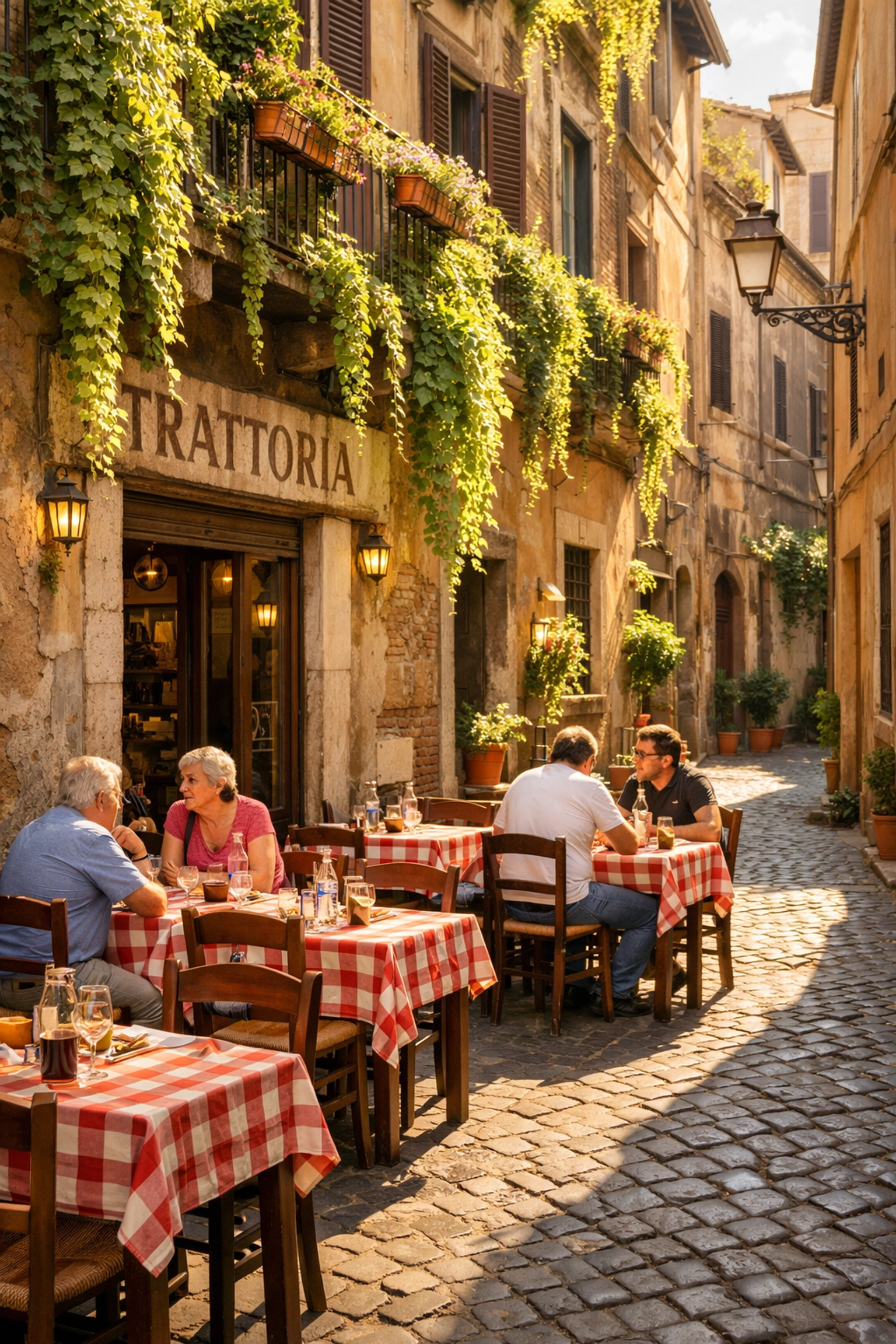
Quick checklist before you sit down
- Is there a menu in 6 languages with glossy photos? (Often overpriced.)
- Is every table filled with tourists? (Likely a tourist price point.)
- Do locals walk in, order fast, and leave happy? (Usually a great sign.)
Mistake #2: You’re relying on “top 10” lists and random ratings
Guidebooks and generic “must-eat” lists can be fun, but they skew toward popular spots: which often means higher prices or long lines that force you into expensive backup choices.
And ratings alone can be misleading: a place can be “4.7 stars” because it’s familiar and safe, not because it’s good value.
Fix: Stack local intel + smart searching
Try this simple approach:
- Ask locals one specific question:
“Where do you go when you want something quick and cheap that’s actually good?” - Ask the right people:
Hotel staff, rideshare drivers, hostel hosts, baristas, small shop owners. - Search like a local:
Use search terms like:- “workers lunch” / “set menu” / “daily menu”
- “no frills” / “canteen” / “market stalls”
- City-specific searches like “Lisbon best cheap eats,” “Bangkok street food,” or “Mexico City tacos al pastor cheap”
Pro move: Save your finds in a “Food” map list so you’re not making hungry decisions on the fly.
Mistake #3: You’re paying for hotel breakfast (or grabbing overpriced “convenience” food)
Hotel breakfast can be decent, but it’s often one of the worst deals in your daily budget: especially in cities where bakeries, cafés, and corner shops are everywhere.
Same goes for airport snacks, train-station sandwiches, and anything you buy because you’re rushing.
Fix: Build a 5-minute breakfast routine
A simple, repeatable plan saves money without feeling restrictive:
- Find a bakery or café near your lodging on Day 1
- Pick 1–2 “default” breakfasts you can rotate
- Grab a fruit/yogurt/snack for later while you’re there
Examples of budget-friendly breakfasts that travel well
- Pastry + coffee + fruit
- Bread + cheese + local jam
- Eggs/arepa/tamale from a neighborhood stand
- Oats + bananas from a small grocery
If you’re traveling with a camera (or even just your phone), morning light + bakery windows is also an easy win for photos. If you like travel-friendly creative tips, Photoguides has more practical guides on the main site: https://photoguides.org/
Mistake #4: You’re forcing three “full restaurant meals” a day
Breakfast, lunch, dinner: sounds normal. But on the road, it’s a fast way to overspend because restaurant meals include service, drinks, and impulse add-ons. Plus, you don’t actually need three big sit-down meals to eat well.
Fix: Do two strong meals + one flexible meal
A budget-friendly rhythm that still feels like a vacation:
- One “anchor meal” (your best cheap eats moment: local specialty, market lunch, etc.)
- One “secondary meal” (lighter restaurant, street food, or café)
- One flexible meal (snacks, groceries, small plates, leftovers)
This approach also prevents the classic mistake: paying for dinner when you’re not even that hungry, just “supposed to.”
If you want a simple rule:
Make lunch your main meal in places where lunch specials exist (many cities have set menus or market lunches that are far cheaper than dinner).
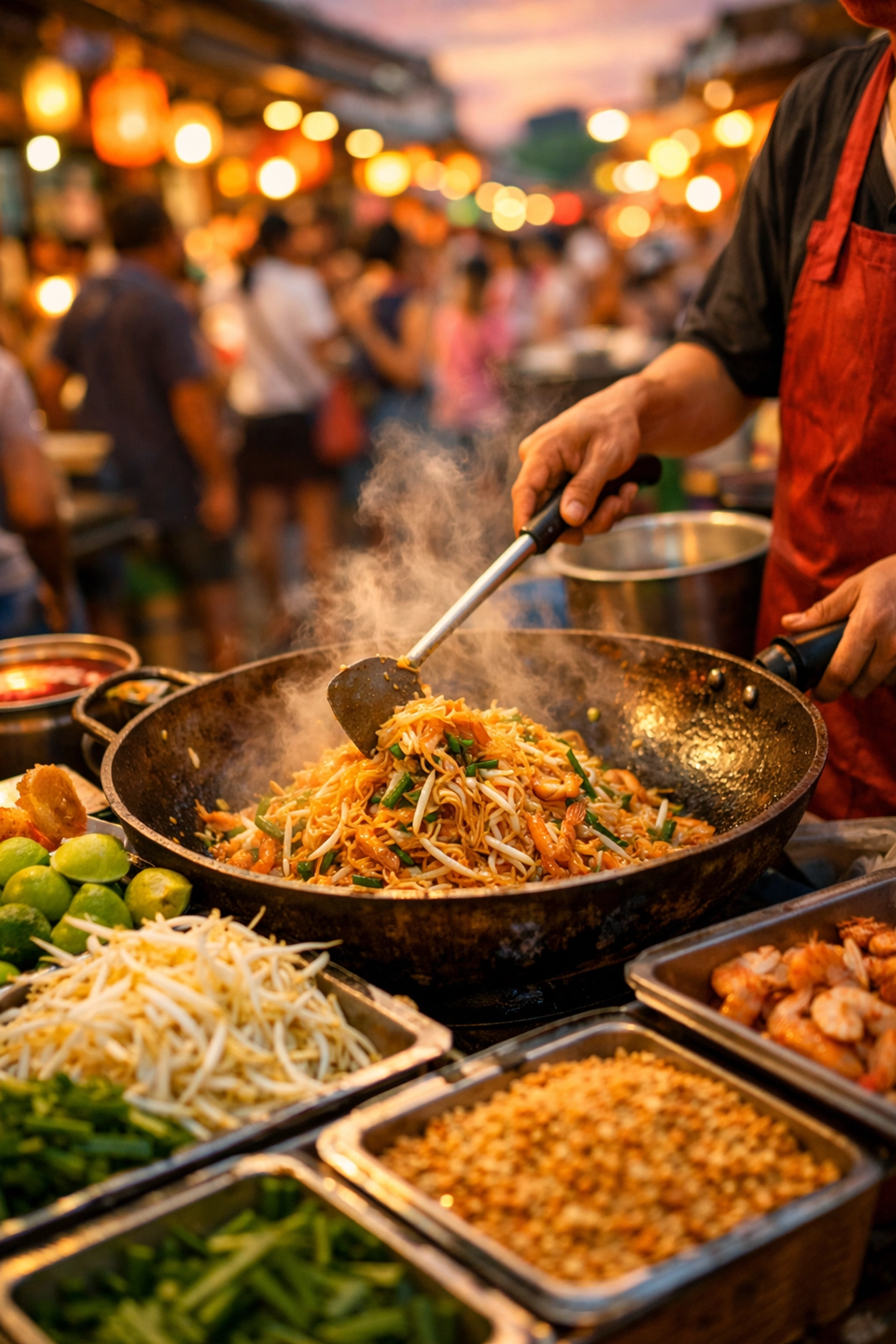
Mistake #5: You’re skipping street food (or choosing it randomly)
A lot of travelers avoid street food because they’re worried about hygiene: or they try one random stall, have a meh experience, and decide street food “isn’t for them.”
But in many destinations, street food is the heart of budget travel food: fast turnover, local specialties, and shockingly good value.
Fix: Choose street food like a local (not like a dare)
Use these calming, practical signals:
- High turnover: a line is your friend
- Simple menu: fewer items often means better execution
- Hot and fresh: you see it cooked or assembled in front of you
- Local crowd: especially families and workers
- Clean setup: tidy surfaces, covered ingredients when possible
Bonus tip: Start with a “safe intro” street food item (grilled skewers, dumplings, tacos, baked goods) before you go all-in on the more adventurous stuff.
Street food also photographs beautifully: steam, hands, color, motion. If you want to level up food photos without hauling gear, check the educational section at Photoguides: https://photoguides.org/category/educational
Mistake #6: You’re eating out for every meal (even when a kitchen is right there)
If you have access to a kitchen: even a tiny one: you’ve got a huge advantage. Not because you should “cook all the time,” but because a few strategic grocery meals make your restaurant splurges feel intentional instead of stressful.
Fix: Use the 80/20 grocery strategy
Aim for 80% easy assembly, 20% actual cooking:
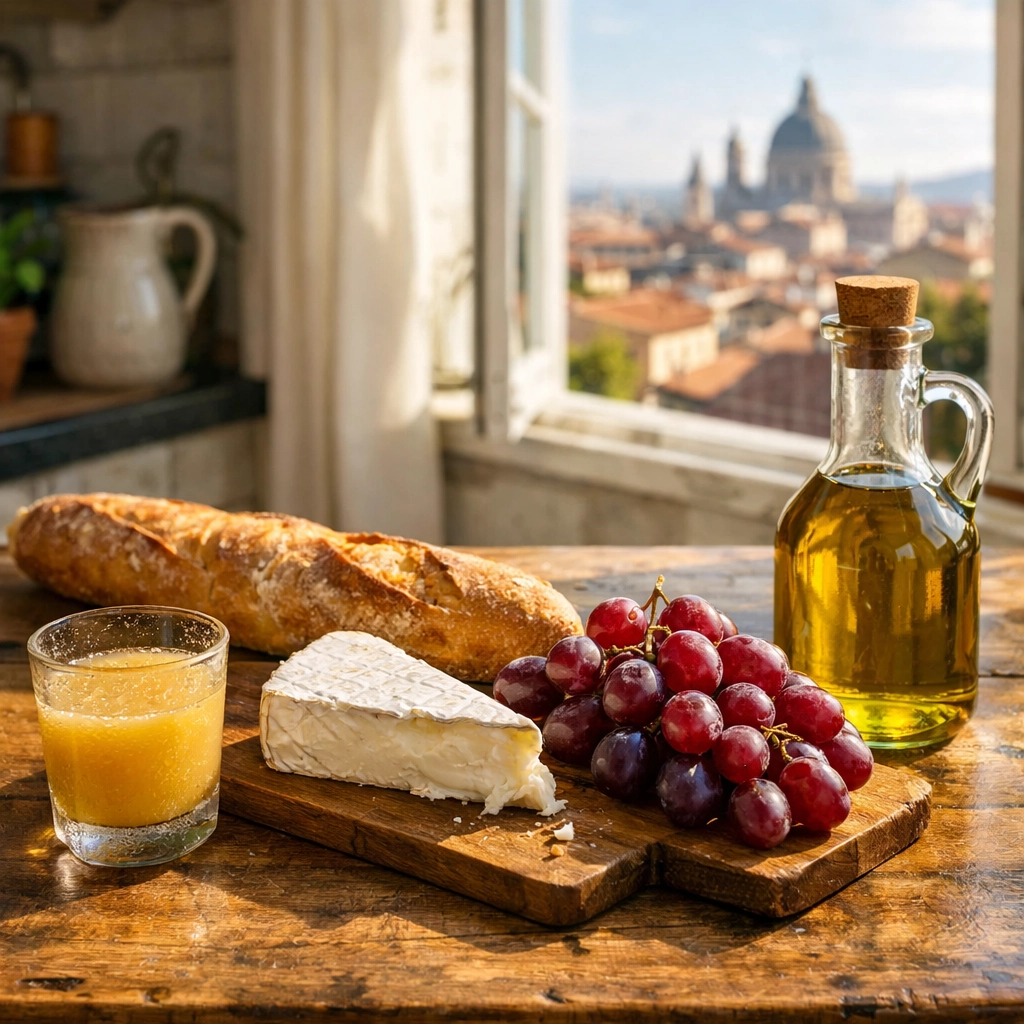
- Bread + local cheese + tomatoes
- Rotisserie chicken + salad
- Dumplings + broth
- Noodles + veg + a local sauce
- Breakfast basics you can repeat
Smart grocery buys for travelers
- One protein (eggs, yogurt, chicken, tofu)
- Two fruits
- One crunchy snack (nuts, crackers)
- One “local curiosity” item to try (this keeps it fun)
You’ll still get the best cheap eats experience: just with fewer “we need a restaurant right now” moments.
Mistake #7: You’re not researching neighborhood food prices before you arrive
Budget travel food isn’t only about what you eat: it’s about where you are when hunger hits. If you book lodging in an expensive dining zone, or plan your days around pricey districts, you’ll spend more without realizing it.
Fix: Do 20 minutes of food research before your trip
You don’t need a spreadsheet. Just do this:
- Search: “best cheap eats + (city)”
- Identify 2–3 food neighborhoods where locals actually eat
- Save 10 spots across different categories:
- 3 street food/markets
- 3 quick sit-down places
- 2 bakeries/cafés
- 2 “backup” places near your hotel
City-specific dining keyword examples you can use
- “Rome cheap trattoria Testaccio”
- “Tokyo ramen budget Shinjuku”
- “Hanoi budget street food Old Quarter (or better: outside it)”
- “Barcelona menú del día cheap eats”
This small prep step stops the slow bleed of pricey decisions.
A simple “budget travel food” game plan you can use anywhere
If you want a calm plan that works in almost any city:
- Day 1: Find your nearest bakery/café + a grocery store
- Every day: Walk 5+ blocks away from big attractions before choosing lunch
- Pick one food “mission”: market lunch, noodle shop, local specialty
- Keep snacks on you so you’re not forced into overpriced convenience meals
- Leave room for one splurge (because the point is enjoying the trip)
And if you’re documenting your travels: whether on a phone or a camera: good food stops are photo stops too. Photoguides is built around making travel experiences more memorable (and more photogenic) without overcomplicating things: https://photoguides.org/
For more from our CEO, Edin Chavez, you can also check out: http://www.edinchavez.com/
Quick “best cheap eats” red flags (save yourself the regret)
Not every red flag is a deal-breaker, but multiple together usually means “keep walking”:
- A promoter trying to physically guide you inside
- “Best in town” signs everywhere
- Huge menu + pictures + dozens of cuisines
- Prices not listed clearly
- A “tourist combo platter” vibe
- You can’t tell what locals order
Green flags
- Busy at local meal times
- Short menu, focused cuisine
- People ordering confidently
- Specials written simply (chalkboard, paper, verbal)
- It smells amazing and looks like it moves fast
Your next step: eat cheaper without feeling like you’re “budgeting”
Fixing budget travel food mistakes isn’t about depriving yourself. It’s about shifting where and how you choose food so you naturally land on better-value meals.
Start with just two changes on your next trip:
- Walk five blocks before your main meal.
- Swap one restaurant meal for a market/bakery/grocery combo.
You’ll feel the difference in your wallet: and you’ll probably eat more interesting food, too.













