
Category: Photo Guides
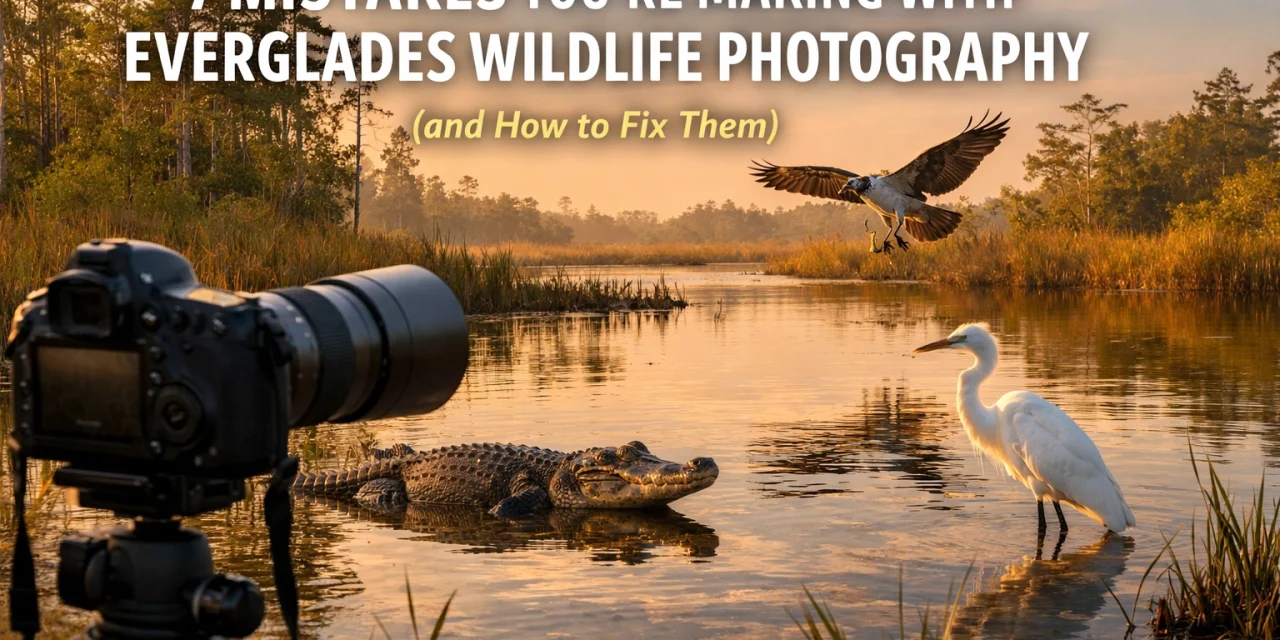
The Everglades is one of those places that feels like another world. Known as the "River of Grass," this massive wetland is a treasure trove for anyone with a camera. You’ve got everything from prehistoric-looking alligators to some of the most vibrant bird species on the planet, like the Roseate Spoonbill and the Great Egret.
But here’s the thing: I see a lot of photographers, both beginners and seasoned pros, come down to Florida and struggle. The light is harsh, the subjects move fast, and the environment can be tricky to navigate. You spend all day in the heat, only to get home, pull your photos up on the big screen, and realize they’re just… off.
Believe me, I’ve been there. I’ve made every mistake in the book. That’s why I put together the Everglades Photography Guide, to help you bypass that learning curve. Today, I want to break down the seven most common mistakes I see in Everglades wildlife photography and, more importantly, how you can fix them so you go home with shots you're proud to hang on your wall.
1. Using a Shutter Speed That’s Too Slow
This is probably the number one reason for "soft" photos. You’re out on the Anhinga Trail, you see a bird perched on a branch, and you think 1/250th of a second is plenty. On the back of your LCD, it looks great. But when you get home? It’s blurry.
Even if a bird is just sitting there, its head is moving, its feathers are ruffling in the breeze, and your own hands might be shaking just a tiny bit. If that bird suddenly takes flight, 1/250th won't stand a chance.
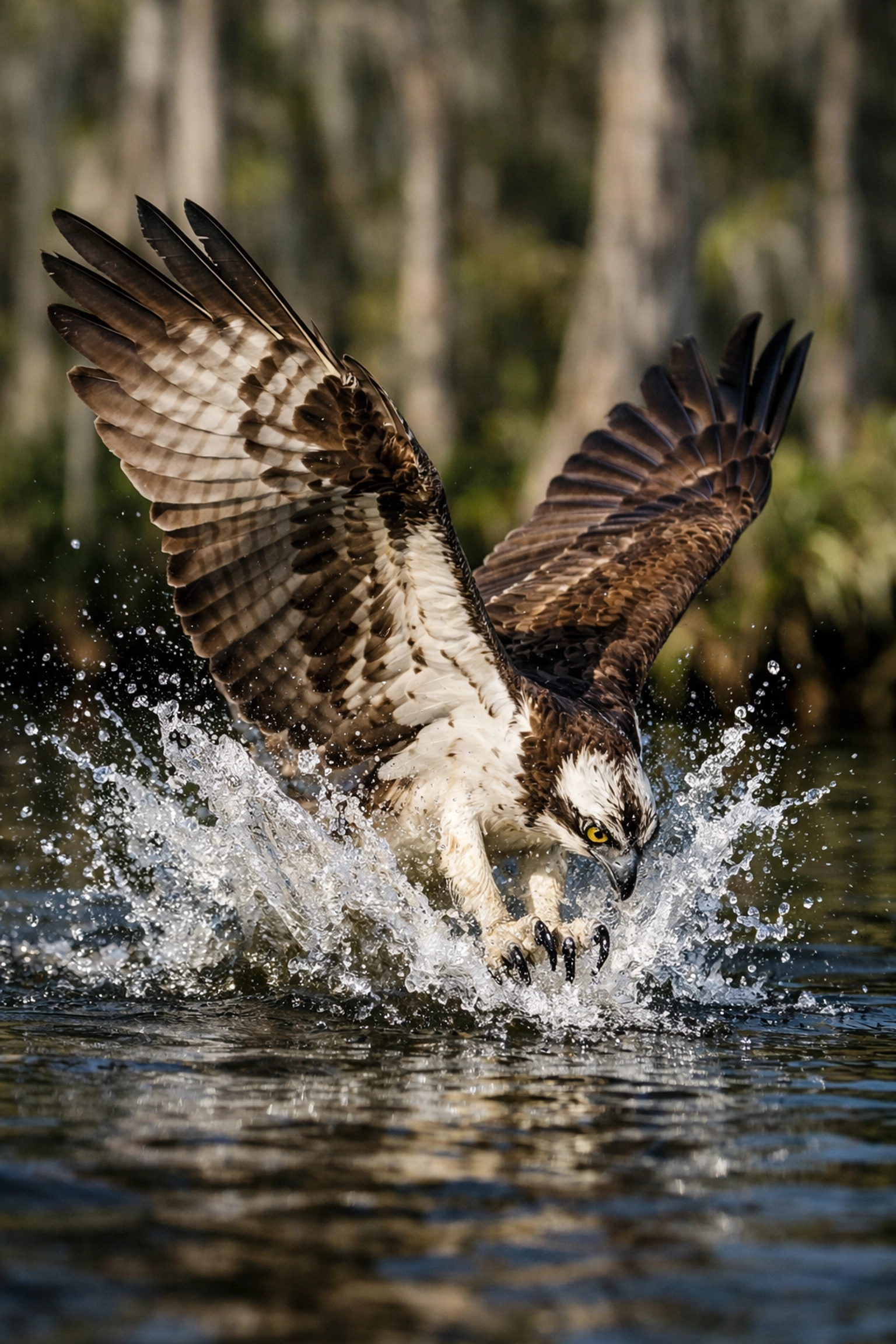
The Fix: Crank it up. For stationary wildlife, try not to drop below 1/1000th if you’re hand-holding a long lens. If you’re waiting for action, like an Osprey diving for a fish, you’ll want 1/2500th or even 1/3200th. Don't be afraid to push your ISO to make this happen; modern cameras handle high ISO beautifully. If you're looking for gear that handles these high-speed demands, check out our camera reviews 2024 for the latest tech.
2. Missing Sharp Focus on the Eyes
If the eye isn't sharp, the photo is a bin-job. It sounds harsh, but it’s true. The eye is where the viewer connects with the animal. I often see photographers letting the camera's "Auto Area" AF decide where to focus. Usually, the camera chooses the closest thing to the lens, which might be a wing tip or a blade of grass, leaving the eye slightly out of focus.
The Fix: If your camera has Animal Eye-AF, use it. It’s a game-changer for Everglades birding. If you’re shooting with an older body, use a single, small focus point and place it directly on the eye. It takes a bit more practice, but the results are worth it. You can see examples of tack-sharp wildlife portraits over at Edin Fine Art to see what a difference that focus makes.
3. The "White Bird" Exposure Problem
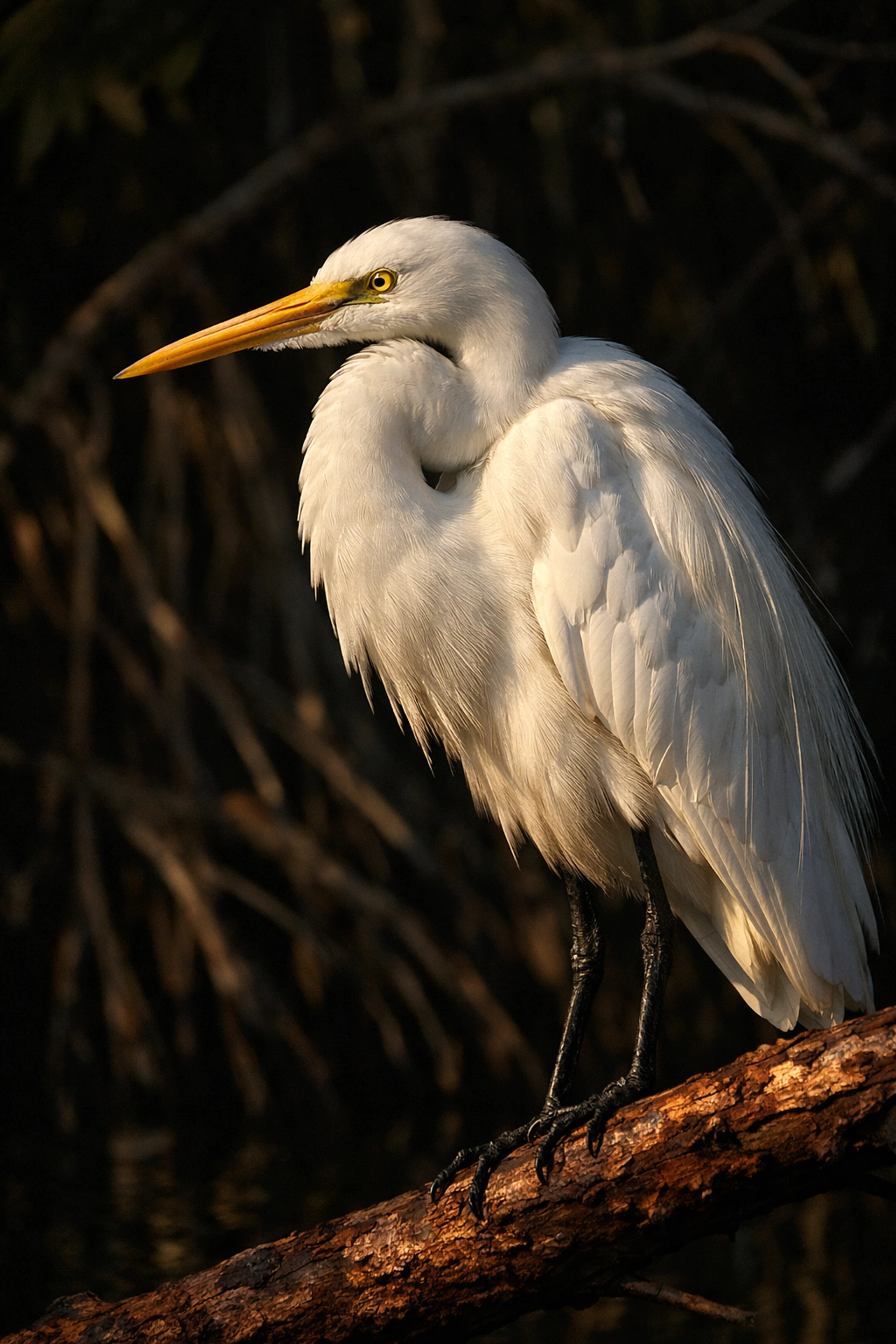
Florida is famous for its white birds, Egrets, Ibis, and Herons. But the Everglades sun is unforgiving. If you rely on your camera’s internal meter, it sees the dark green mangroves or the dark water and thinks, "Hey, it’s dark in here, let me brighten this up!"
The result? Your white bird becomes a featureless white blob. Those highlights are "blown out," meaning there is zero data in them. You can't fix that in post-processing.
The Fix: Use your histogram. If the "mountain" on the graph is touching the right side, you’re losing detail. I always recommend underexposing slightly (use Exposure Compensation at -0.7 or -1.0) when shooting white birds in direct sun. It’s much easier to bring up the shadows later than it is to recover a blown-out wing. For more on mastering these technical settings, our Everglades Photography Guide goes into deep detail on specific lighting scenarios.
4. Ignoring the Background (Tunnel Vision)
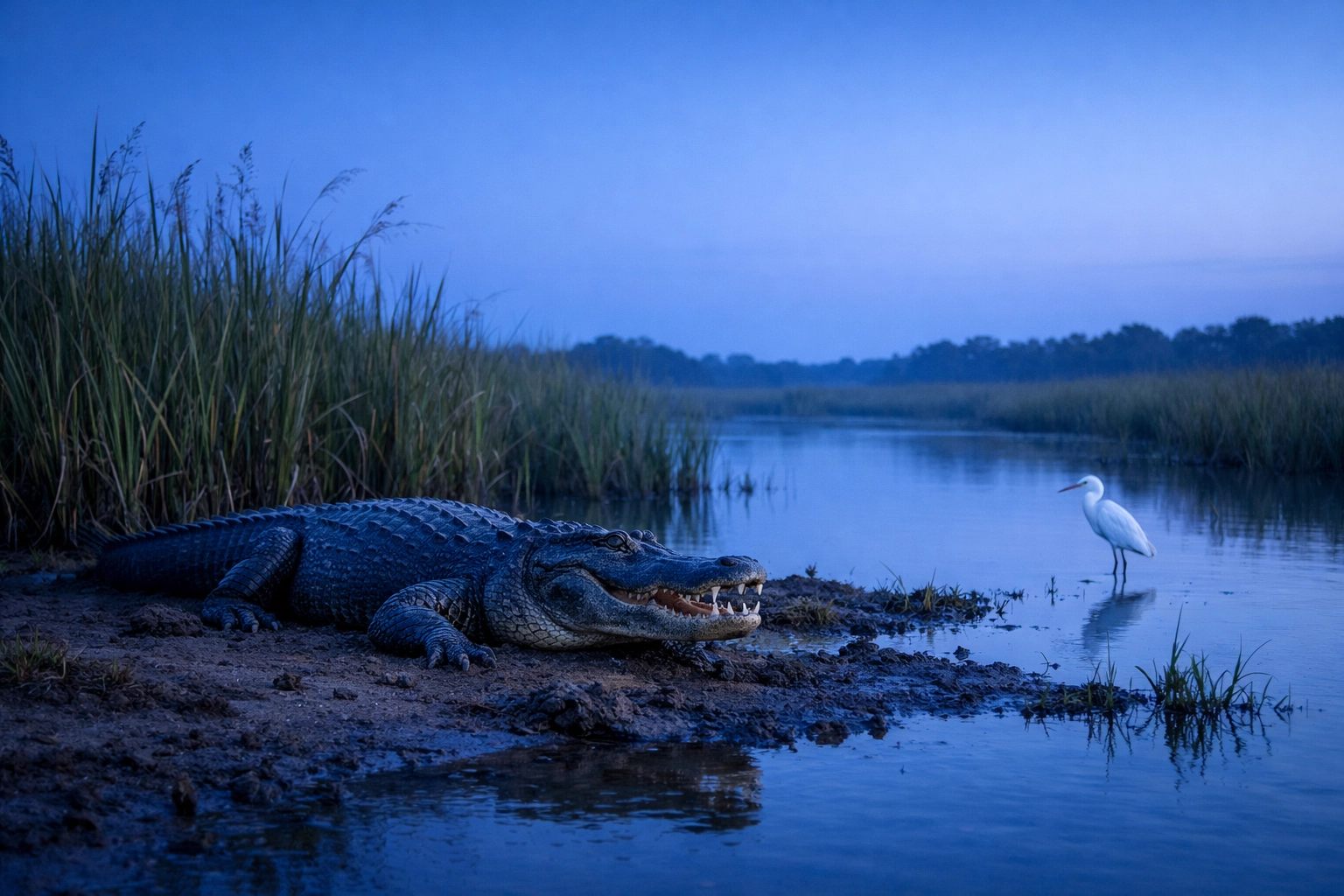
When a massive alligator is sunning itself right in front of you, it’s easy to get "tunnel vision." You’re so focused on the subject that you don't notice the bright orange trash can in the background or the distracting branch that looks like it’s growing out of the gator's head.
A great subject with a bad background is a mediocre photo. A great subject with a clean, creamy background is art.
The Fix: Before you click the shutter, do a "perimeter check" of your frame. Move your body a few inches to the left or right. Lowering your tripod just a bit can often hide a distracting horizon line behind some foliage. If you want to learn more about composing shots that stand out, join the community at Shut Your Aperture where we talk about these creative choices daily.
5. Using the Wrong Depth of Field
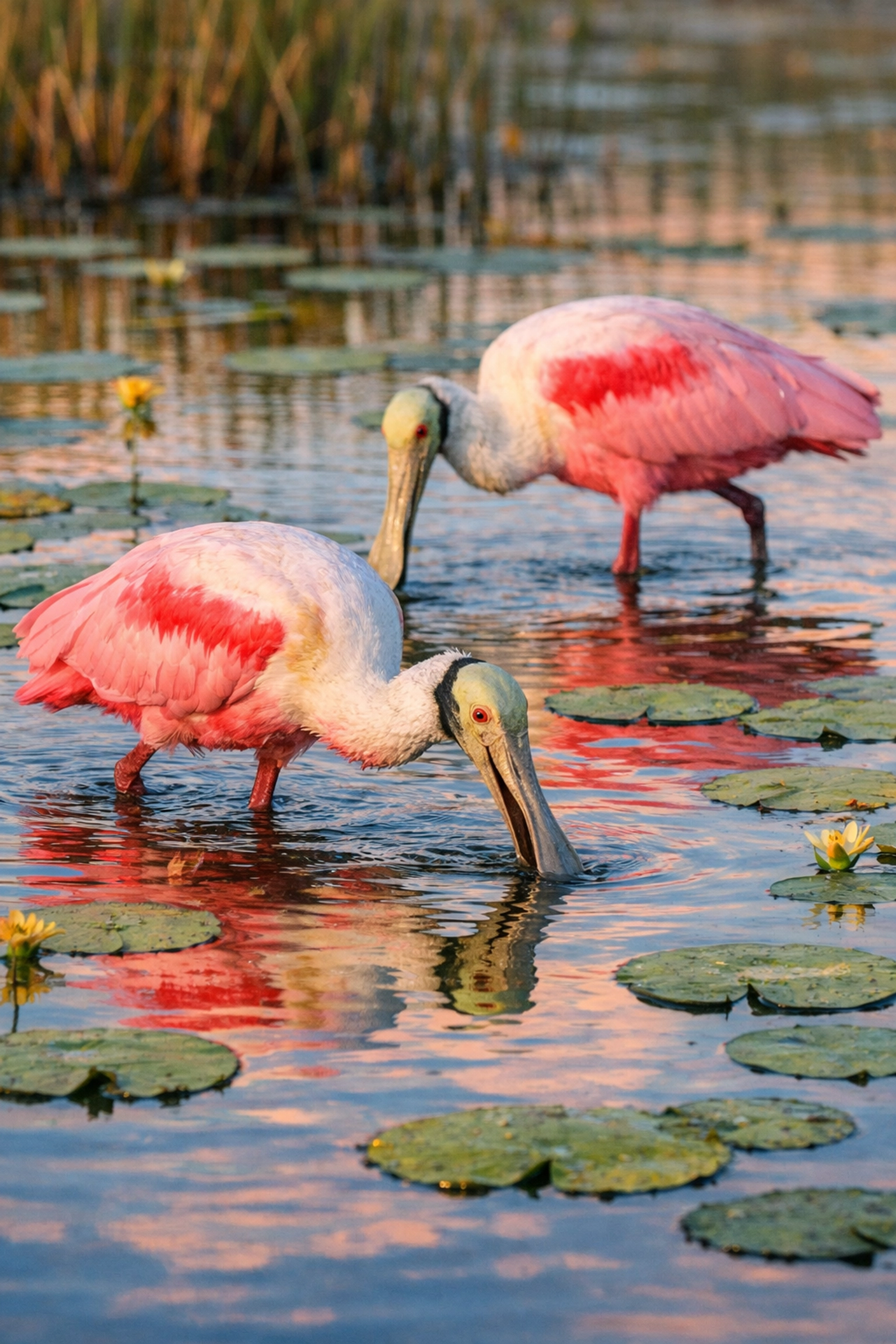
We all love that "bokeh" (the blurry background), but shooting at f/2.8 or f/4 isn't always the right move. If you’re shooting a large bird at a close distance, a wide aperture might mean the beak is sharp but the eyes are soft: or vice versa. Or, if you’re photographing a group of Roseate Spoonbills, you might only get one bird in focus while the rest are a blur.
The Fix: Don’t be afraid of f/8 or even f/11. When you have plenty of Florida sunlight, you can afford the smaller aperture. This ensures the entire head of the animal is in focus, or that a pair of nesting birds are both sharp. Check out our list of essential photography gear to see which lenses offer the best flexibility for these f-stop adjustments.
6. The "One Lens" Trap
I see a lot of people head into the Everglades with nothing but a massive 600mm prime lens. While reach is important, some of the best encounters happen right at your feet. An alligator might crawl up onto the bank three feet away, or a Purple Gallinule might start foraging on a lily pad right next to the boardwalk. If you only have a 600mm, you’re going to be way too close to get the shot.
The Fix: Versatility is key. I love a 100-400mm or a 200-600mm zoom. This allows you to capture the "animal in the environment" shots as well as the tight portraits. If you're carrying multiple bodies, keep a wider lens on one of them just in case.
7. Crowding or Provoking the Subject
This is a mistake that affects more than just your photos: it affects the wildlife. Sometimes photographers get too close, trying to get that "perfect" shot, and they end up stressing the animal. If a bird is looking at you and stretching its neck, or if an alligator starts hissing, you’re too close. Not only is this unethical, but your photos will also look "stressed." The animal won't be acting naturally, and you’ll lose that authentic wildlife feel.
The Fix: Respect the distance. Use your zoom lens to get the close-up, and let the animals go about their day. When an animal is relaxed, you get much better behavior: preening, feeding, and interacting with their young. This is the hallmark of professional wildlife photography.
Level Up Your Everglades Experience
The Everglades is a place of incredible beauty, but it can be overwhelming if you don't have a plan. From knowing which trails are best at sunrise to understanding the seasonal migrations of the birds, there is a lot to learn.
If you want to stop guessing and start coming home with world-class images, I highly recommend checking out the Everglades Photography Guide. I’ve poured years of experience into this guide, covering everything from specific GPS locations to the exact camera settings I use for different species.
Wildlife photography is all about being prepared for that one split second when everything aligns. Don't let a simple mistake like a slow shutter speed or a blown highlight ruin your once-in-a-lifetime shot. Take your time, respect the environment, and keep shooting.
For more educational resources and tips on how to improve your craft, feel free to browse our educational category. Happy shooting, and I’ll see you out in the marsh!













