
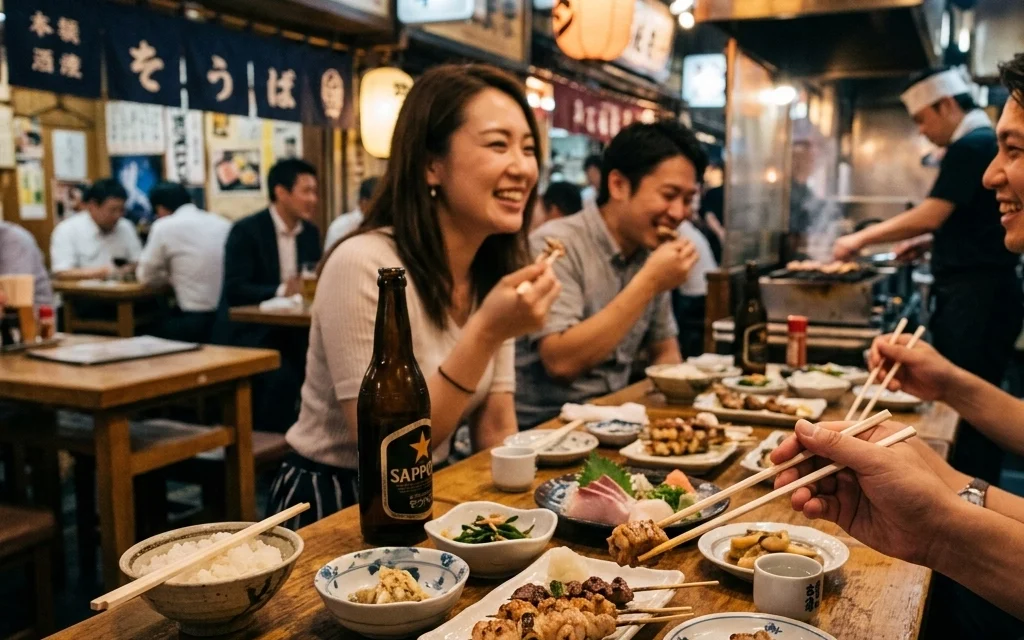
Tokyo is a sensory explosion. One minute you’re navigating the neon-soaked streets of Shinjuku, and the next, you’re tucked away in a quiet alleyway smelling the sweet, smoky aroma of yakitori. It is, without a doubt, one of the greatest food cities on the planet. But let’s be real: it can also be incredibly intimidating.
Between the language barrier, the intricate etiquette, and the sheer volume of choices, it’s easy to feel like you’re doing something wrong. If you’ve ever sat in a tiny ramen shop feeling like everyone is staring at you, don’t worry: we’ve all been there. This post is part of our 14-day series exploring the best places to eat in Tokyo, and today, we’re going to smooth out those rough edges.
As a photographer, I spend a lot of time looking for the perfect shot, and often, that leads me to the best meals. If you're looking to capture your own food journey, make sure to check out our essential photography gear list to ensure your ramen bowls look as good on screen as they taste in person.
Here are the seven most common mistakes people make when dining in Tokyo: and how you can fix them to eat like a total pro.
1. The "Wait and See" Strategy (Not Summoning Your Waiter)
In many Western cultures, we’re taught that flagging down a waiter is a bit rude. We wait for them to notice our empty glasses or our "I’m ready to order" facial expressions. In Tokyo, you could be waiting until the next Shinkansen leaves for Osaka.
The Mistake: Waiting passively for service. Japanese hospitality (omotenashi) is legendary, but it’s not intrusive. Waiters generally won't interrupt your conversation unless they have a reason to.
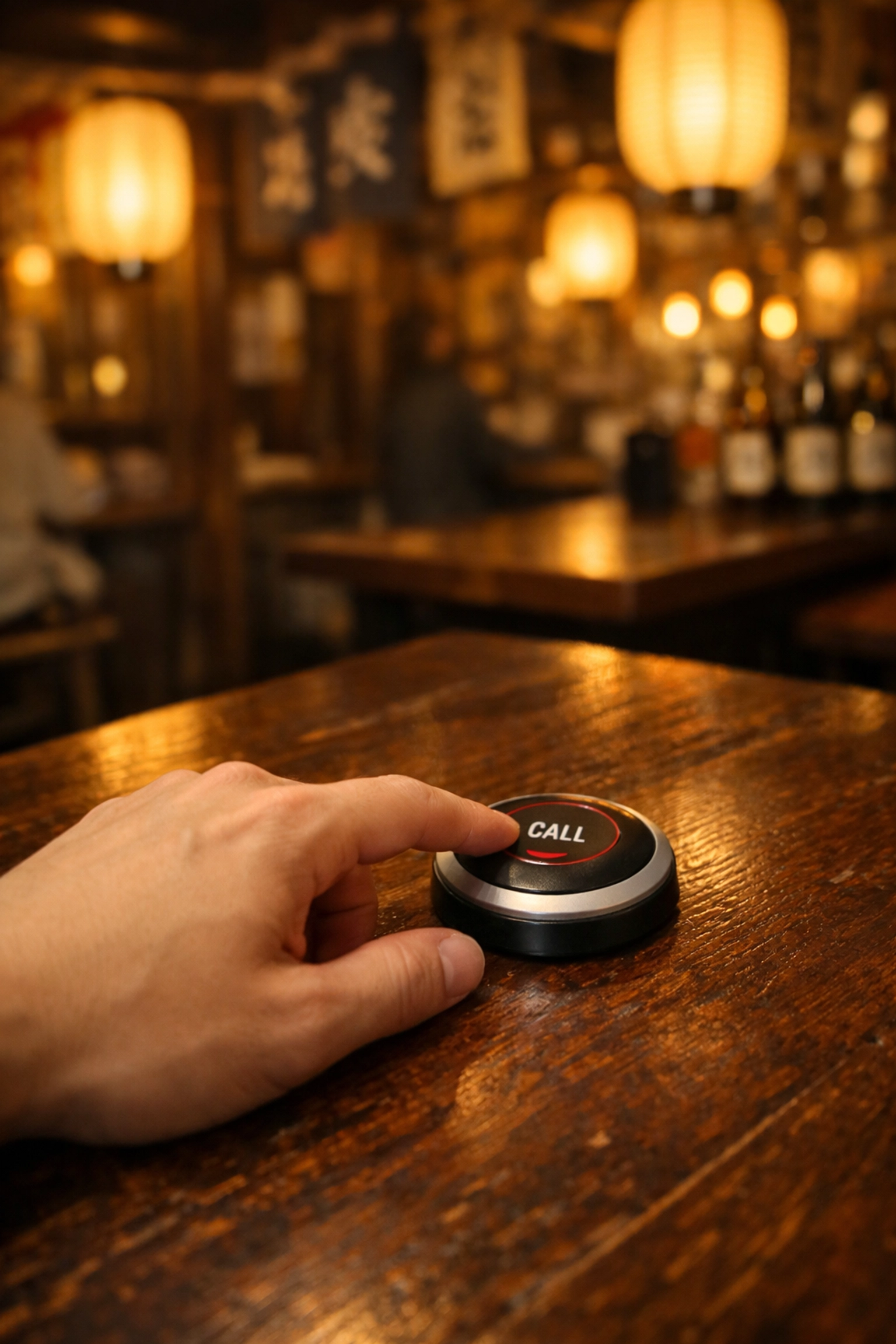
The Fix: You have to be proactive. In many casual spots, like the themed cafes in Akihabara or local izakayas, you’ll find a call button on the table. Press it. If there’s no button, don’t be afraid to raise your hand and call out "Sumimasen!" (Excuse me!). It’s not rude; it’s the standard signal that you’re ready.
If you’re feeling a bit overwhelmed by the fast-paced nature of Tokyo dining, I highly recommend booking a food tour through Viator. Having a local guide show you the ropes takes all the "am I doing this right?" anxiety off your plate.
2. Trying to Leave a Tip
This is the mistake that usually leads to a well-meaning waiter chasing you down the street to return your 500-yen coin.
The Mistake: Leaving a tip on the table or trying to "keep the change."
The Fix: Just don’t do it. Tipping isn’t just "not expected": it can actually be confusing or even slightly offensive, as it implies the establishment isn’t paying its staff properly or that you’re trying to show off. The price on the bill is the price you pay. If you want to show your appreciation, a sincere "Gochisousama deshita" (Thank you for the meal) as you leave is the best currency you can offer.
3. The "We’ll Just Share One Bowl" Trap
Tokyo real estate is some of the most expensive in the world. This translates to tiny restaurants with very few seats. If you’re heading into a specialized shop: say, a legendary ramen spot or a yakitori stall: space is at a premium.
The Mistake: Ordering one dish for two people to "save room" for street food in Harajuku later.
The Fix: The unspoken rule is "one person, one order." Even if you aren't starving, each person in your party should order at least one individual item. This is especially true in small shops where a line is forming outside. If you’re worried about overeating, look for "small" portions or set meals. Speaking of capturing these moments, if you want to see how the pros frame these intimate dining spaces, head over to Edin’s Fine Art for some inspiration on composition.
4. Asking for "Extra This" or "None of That" (Customizations)
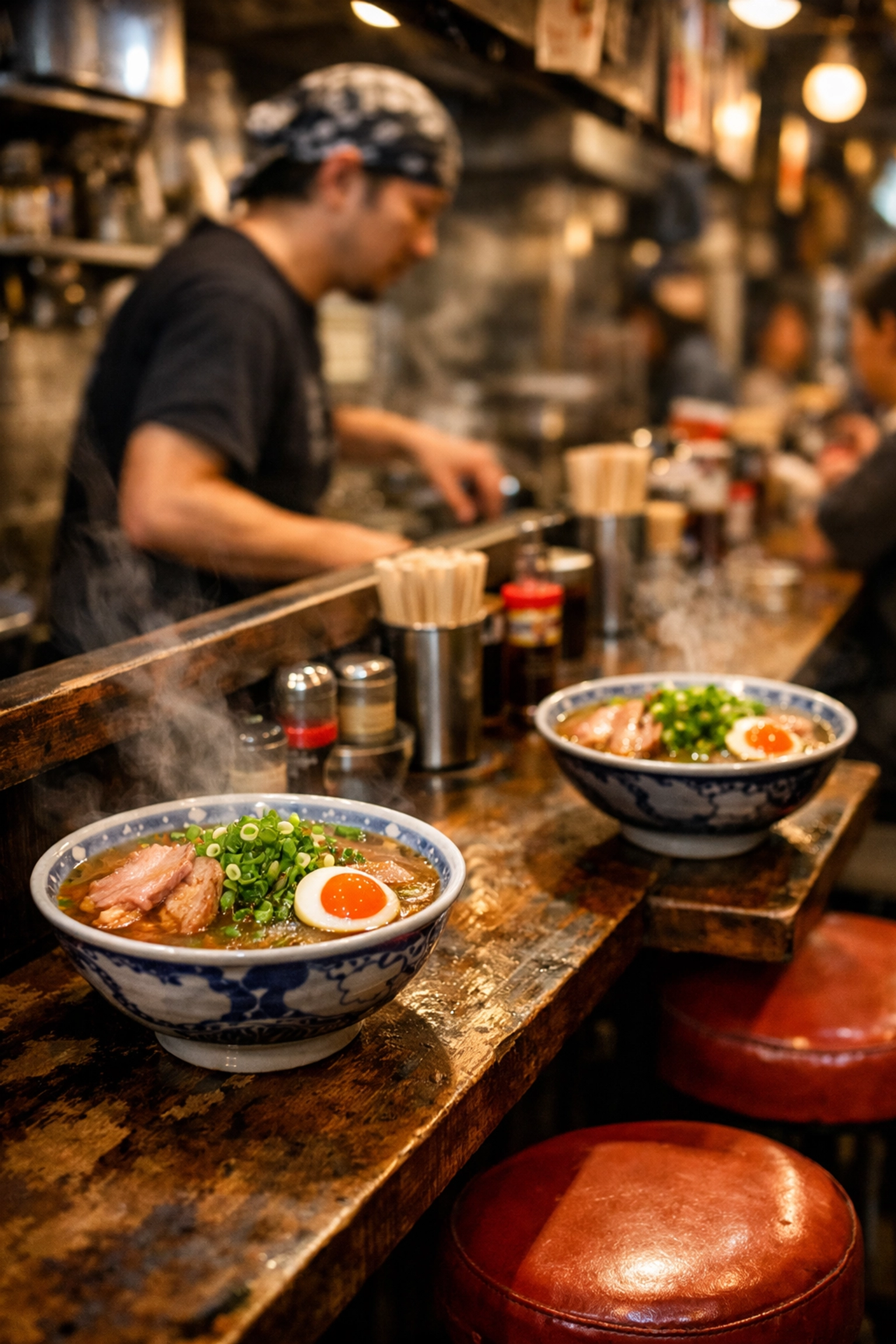
We live in a "have it your way" world, but Tokyo dining is often about respecting the chef’s vision. This is especially true when you’re venturing into high-end territory, like the world-class sushi dens in Ginza.
The Mistake: Asking to swap ingredients or requesting heavy modifications to a dish.
The Fix: In Japan, cooking is a craft (shokunin). When a chef serves you a bowl of ramen or a piece of nigiri, they’ve balanced the flavors specifically. Asking for modifications can be seen as a sign that you don’t trust their expertise. Unless you have a serious allergy (which you should communicate clearly), try to eat the dish as it’s served.
If you’re a picky eater, look for "build-your-own" experiences like Okonomiyaki or certain Teppanyaki grills where customization is part of the fun. For those who want to dive deeper into the technical side of things: whether it's food or photography: my friends at Shut Your Aperture have some great insights on mastering your craft.
5. Drowning the Rice in Soy Sauce
We’ve all seen it: someone takes a beautiful piece of sushi and dunks the rice side directly into a pool of soy sauce until it falls apart. Somewhere, a sushi chef is crying.
The Mistake: Using soy sauce as a soup rather than a seasoning.
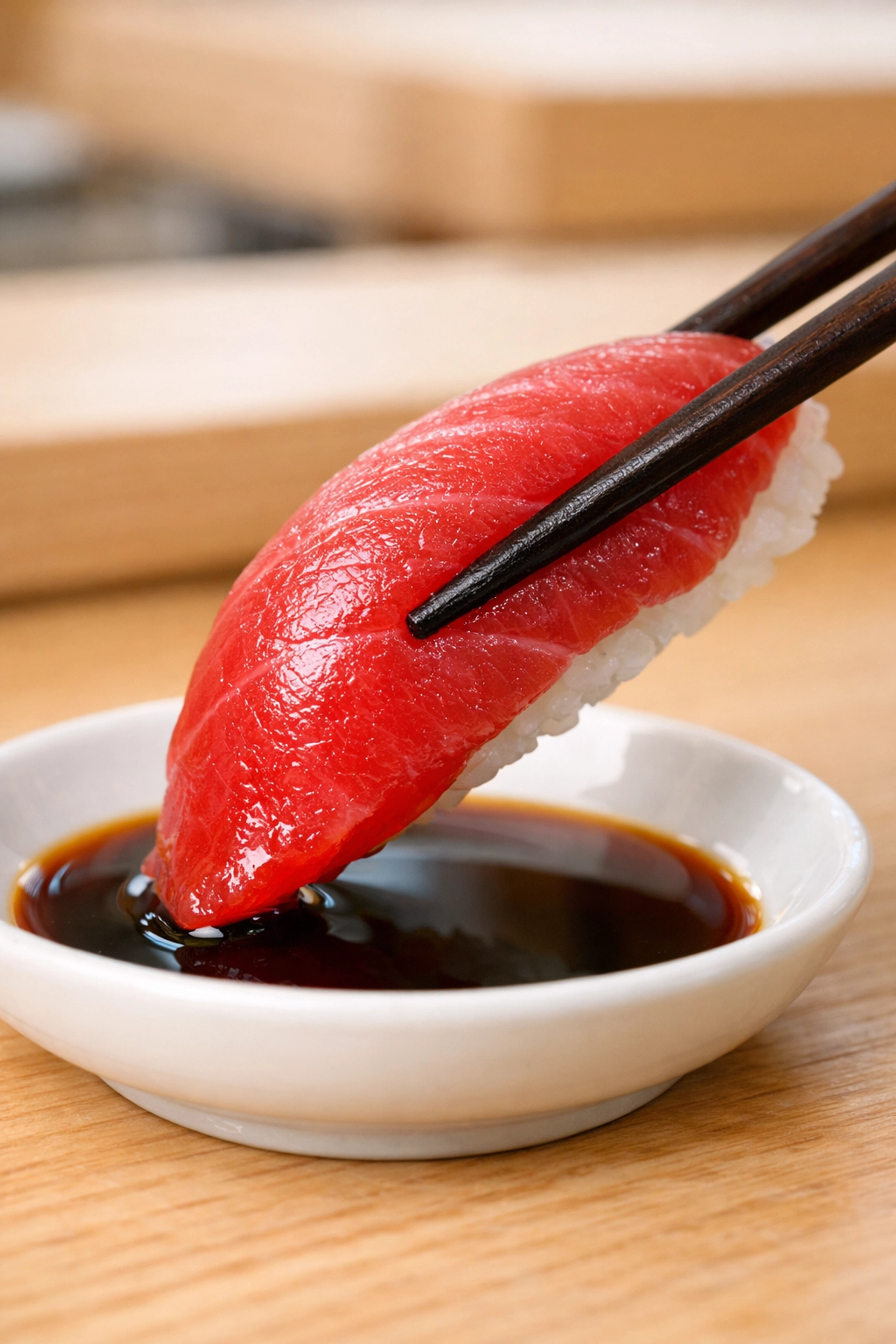
The Fix: If you’re eating sushi, dip the fish (the neta) into the sauce, not the rice. The rice is already seasoned with vinegar and sugar; soaking it in soy sauce ruins the texture and overpowers the delicate fish. If you’re eating at a high-end spot in Ginza, the chef might even brush the sauce on for you: in that case, don’t add any extra!
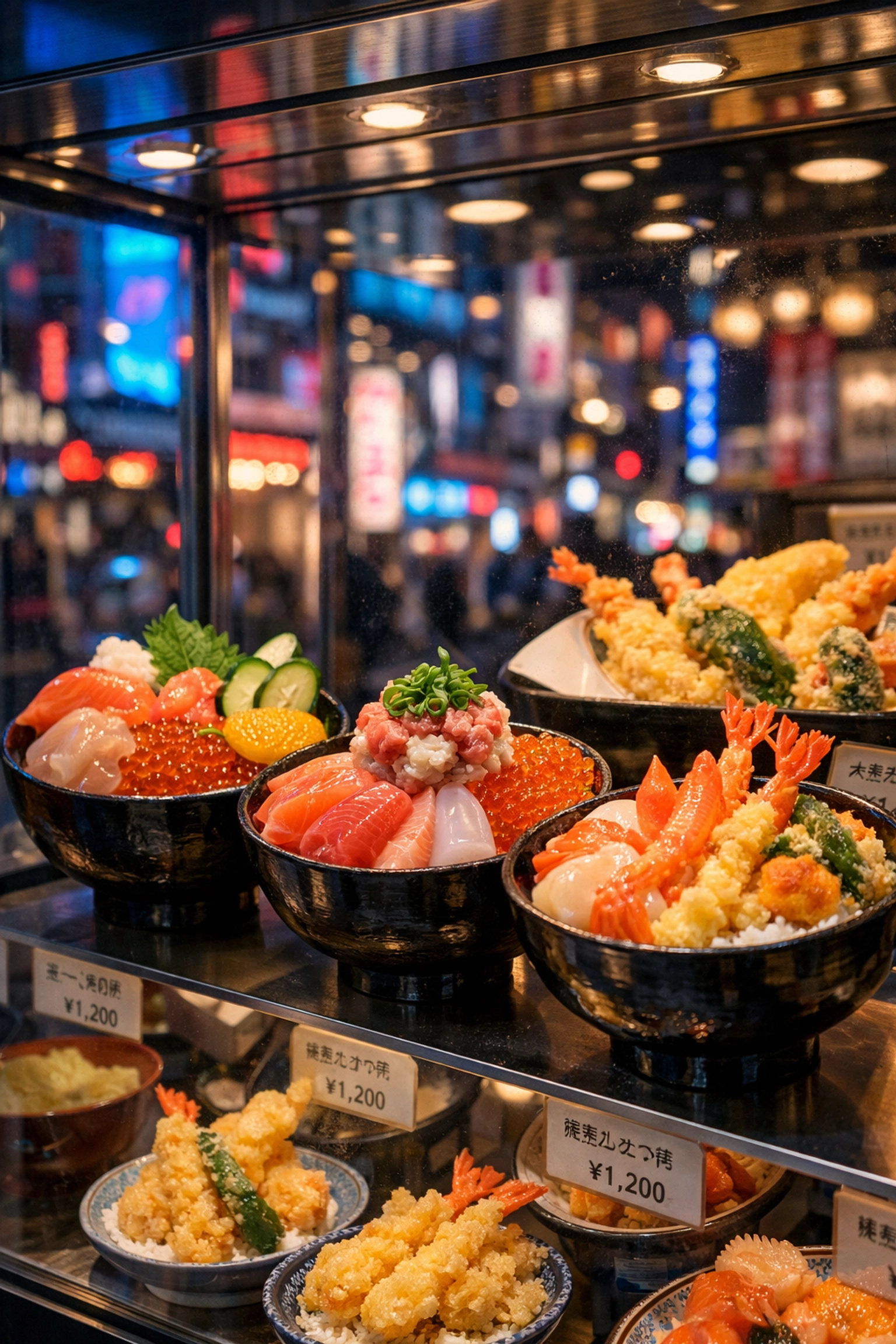
6. Being Afraid of the "Plastic Food"
You’ll see them everywhere: incredibly realistic plastic models of dishes displayed in glass cases outside restaurants.
The Mistake: Assuming these "fake food" displays are a sign of a "tourist trap" or a low-quality restaurant.
The Fix: In Japan, shokuhin sampuru (food samples) are a respected art form and a helpful tool for everyone, locals included. They are usually an exact 1:1 representation of what you will receive. If you can't read the menu, you can literally point to the display outside to show the waiter what you want. It’s a lifesaver at places like the Tsukiji Outer Market where the menus can be overwhelming.
For a smoother experience, you can also use Google Translate’s camera feature, but honestly, booking a food tour through Viator is the ultimate way to navigate the "what is that?" factor. You’ll end up eating things you never would have dared to order on your own.
7. Double Dipping in the Communal Sauce
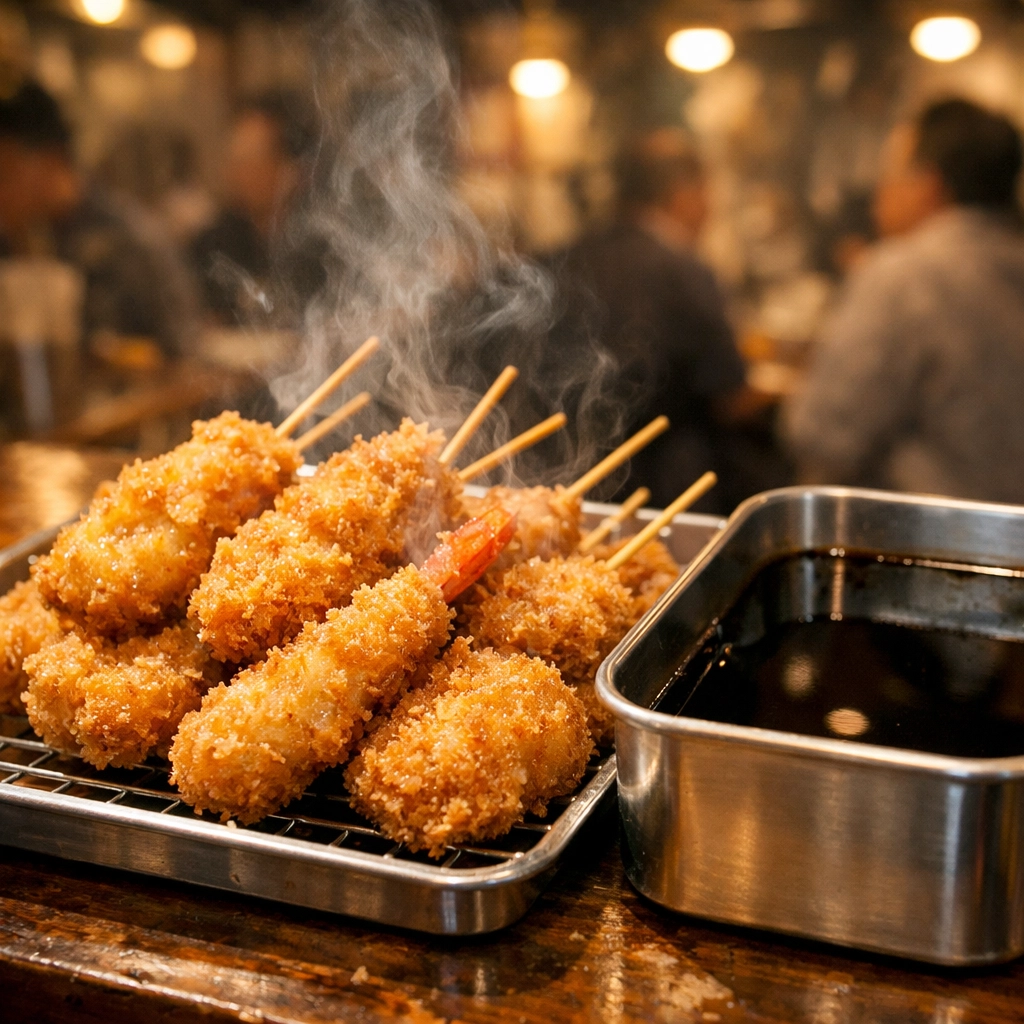
If you find yourself at a kushiage (deep-fried skewer) restaurant: which you absolutely should: there’s one golden rule you cannot break.
The Mistake: Dipping your skewer into the communal sauce container, taking a bite, and then dipping it again.
The Fix: Most kushiage spots have a large container of sauce shared by the whole table (or even the whole bar). Because of hygiene, double-dipping is a massive no-no. You get one dip. Make it count. If you need more sauce, use a piece of the raw cabbage usually provided to scoop some sauce onto your plate.
Making the Most of Your Tokyo Food Journey
Tokyo is a city that rewards the curious and the respectful. While these rules might seem strict, they’re all rooted in a culture of respect: for the food, the chef, and the other diners. When you follow the local lead, you’ll find that the service becomes even warmer and the food tastes even better.
If you’re planning your trip and want to make sure you’re hitting all the right spots, don’t forget to check out our other guides, like our photography booking experience for those looking to document their travels professionally. And for more lifestyle and travel musings, I always keep my personal blog updated with my latest adventures.
Tokyo's dining scene is a world of its own. Whether you’re grabbing a quick bite of street food in Harajuku or sitting for a two-hour omakase in Ginza, just remember: be observant, say "Sumimasen," and for the love of all things holy, don't double dip.
Ready to start your culinary adventure? Check out these incredible Tokyo food tours and let a pro lead the way. Happy eating!