
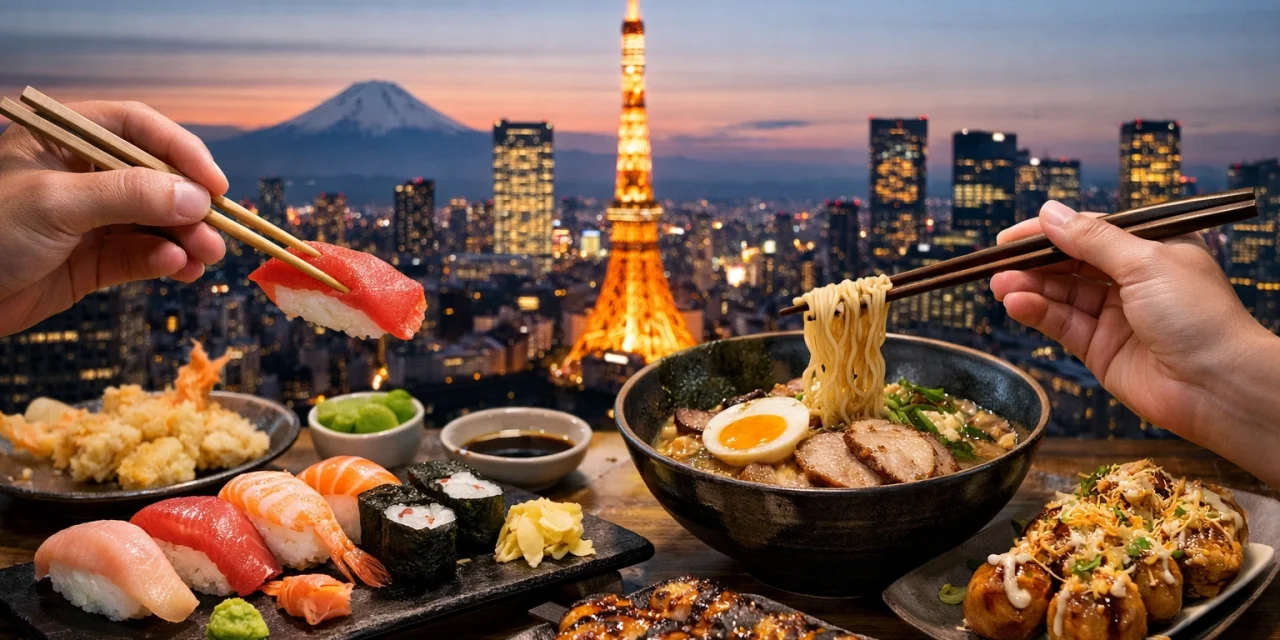
Tokyo is a city that lives to eat. From the neon-lit alleys of Shinjuku to the polished counters of Ginza, food isn't just fuel here; it’s an art form, a spiritual experience, and occasionally, a minefield of social etiquette.
I’m Edin Chavez, CEO of Photoguides, and if there’s one thing I love as much as a perfectly composed landscape shot, it’s a perfectly plated bowl of ramen. But here’s the truth: most travelers land in Narita and immediately start committing "food crimes" without even realizing it. We’re starting a 14-day series exploring the culinary soul of Tokyo, and today, we’re kicking things off by fixing your inner foodie.
Don't worry: we’re here to make sure your only struggle in Japan is deciding which Michelin-starred sushi joint to hit first. Let’s dive into the seven mistakes you’re likely making and how to eat like a local pro.
1. The "Let’s Just Share One" Trap (Akihabara Edition)
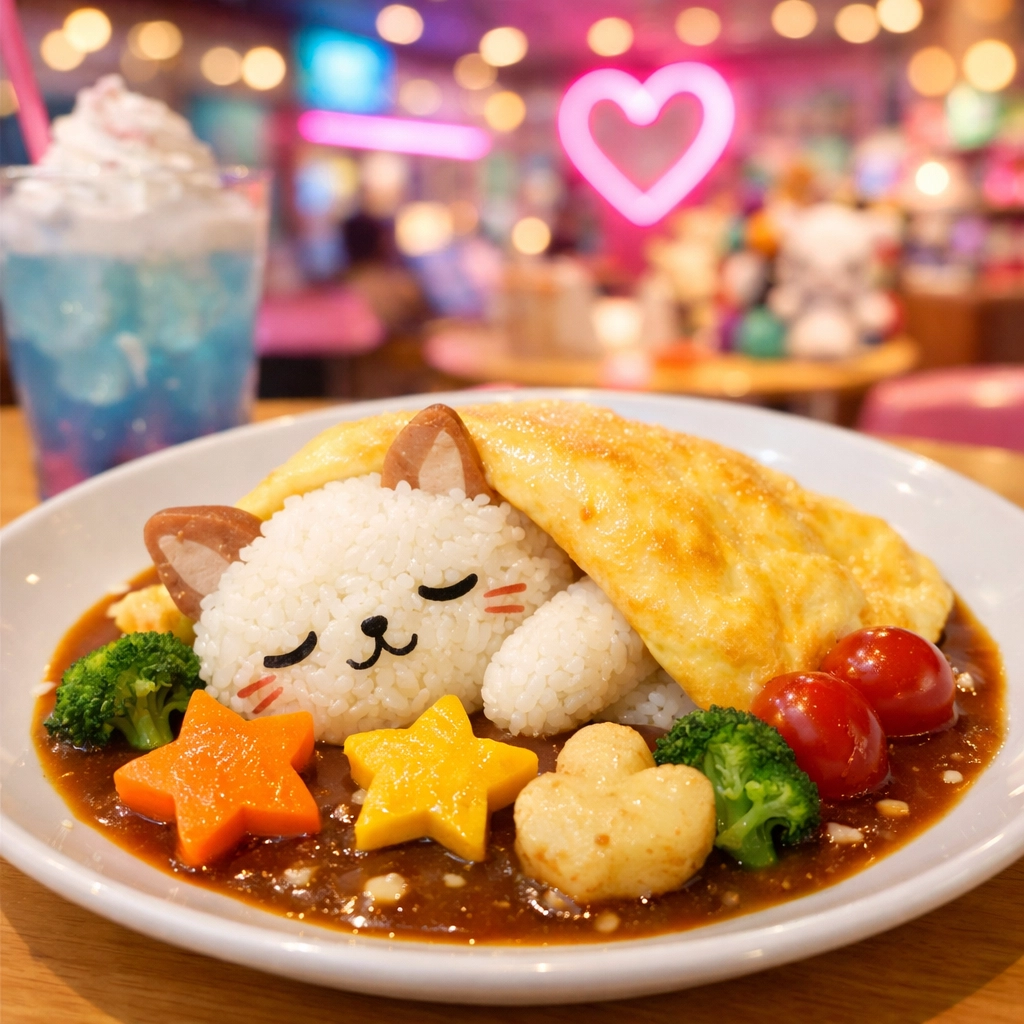
In many Western cultures, "family style" is the way to go. You sit down, order three appetizers and two mains for four people, and call it a day. In Tokyo: especially in the compact, high-concept themed cafes of Akihabara: this is a major faux pas.
In most small Japanese restaurants, the expectation is one order per person. These spots often have very thin margins and limited seating. If you’re heading to a Maid Cafe or a specialized character cafe in Akihabara to snap some essential photography gear shots of the "kawaii" food, remember: every guest needs to order a drink or a dish.
The Fix: Budget for your own plate. It’s the polite way to show respect for the establishment’s space and effort. If you want to dive deep into the quirky world of Akihabara's food scene without the social anxiety, booking a guided food tour through Viator is the best way to navigate these unique cultural norms.
2. Drowning Your Sushi in Soy Sauce (Ginza Standards)
If you find yourself at a high-end sushi counter in Ginza, you are in the presence of masters. These chefs have spent decades learning exactly how much seasoning a specific cut of Bluefin tuna needs. When you take that beautiful piece of Nigiri and dunk the rice side into a pool of soy sauce until it disintegrates, a little piece of the chef’s soul withers.
Rice acts like a sponge. If you soak it, you lose the delicate balance of vinegar and sugar in the rice and the natural sweetness of the fish.
The Fix: Dip only the fish (the neta) lightly into the soy sauce. Better yet, many high-end Ginza spots will brush the sauce on for you: trust the chef. If you're looking for that premium, "Once in a lifetime" sushi experience, I highly recommend checking out some sushi-specific food tours on Viator to ensure you get a seat at the most reputable counters.
3. The Chopstick Taboo: The "Grave" Mistake
This is the big one. If you only remember one rule from this post, let it be this: Never stick your chopsticks upright in a bowl of rice.
In Japanese culture, vertical chopsticks in rice are part of funeral rituals (specifically the hashi-watashi ceremony). Doing this at a dinner table is considered incredibly unlucky and morbid. Similarly, passing food directly from your chopsticks to someone else's is another funeral-related taboo.
The Fix: When you need a break, lay your chopsticks flat across the edge of your bowl or on the provided hashi-oki (chopstick rest). It’s a simple gesture that shows you’ve done your homework. For more tips on cultural nuances during your travels, our educational category has plenty of guides to keep you savvy.
4. Walking and Eating in Harajuku
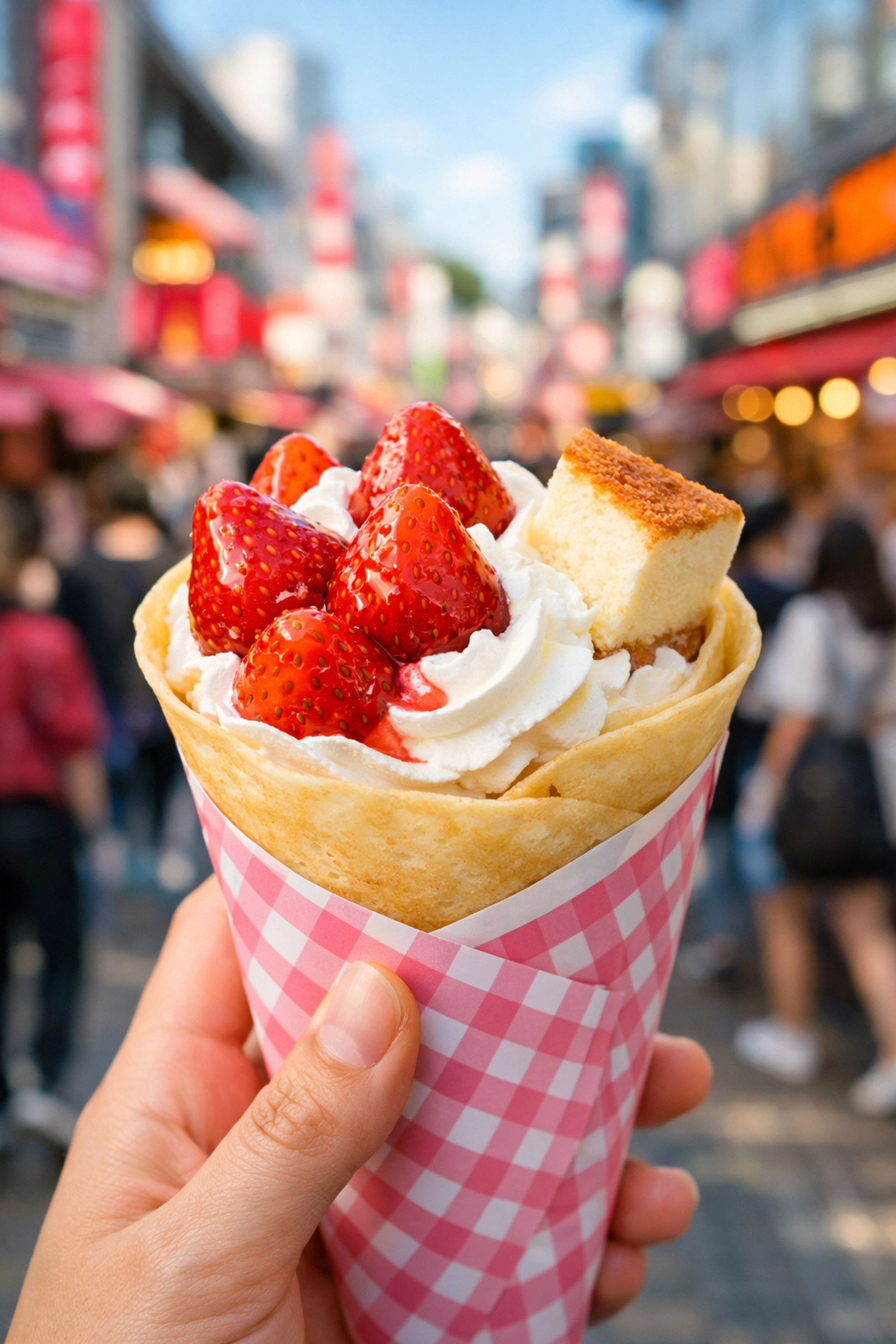
Harajuku is the epicenter of Tokyo street food. You’ll see towering rainbow cotton candy, decadent crepes, and long sticks of fried cheese. The mistake? Walking while you eat.
In Japan, "kui-daore" (eating until you drop) is a thing, but "aruki-tabe" (eating while walking) is generally looked down upon. It’s considered messy and disrespectful to the public space. You’ll notice locals standing right in front of the stall or tucked into a small alleyway to finish their snack before moving on.
The Fix: Buy your crepe, take your Instagram photo (make sure to check our camera reviews for the best tech to capture those colors), and eat it right there. It gives you a moment to actually enjoy the flavor anyway! Want to find the best hidden stalls in the backstreets of Omotesando? Snag a Harajuku street food tour here.
5. The "Oshibori" Face Wash
When you sit down at almost any restaurant in Tokyo, you’ll be handed an oshibori: a wet, often steaming hot (or refreshingly cold) towel. It feels amazing. You might be tempted to wipe the city grime off your forehead or give your neck a quick scrub.
Don't do it.
The oshibori is strictly for your hands. Using it on your face is considered a bit "uncle-like" (and not in a cool way) and generally unhygienic in a public dining setting.
The Fix: Use it to thoroughly clean your hands before the meal, then fold it neatly and set it aside. It’s all about the small details of refinement. If you’re interested in more luxury dining etiquette, we’ve touched on similar vibes in our look at Miami's hidden speakeasies.
6. Asking for Too Many "Swaps"
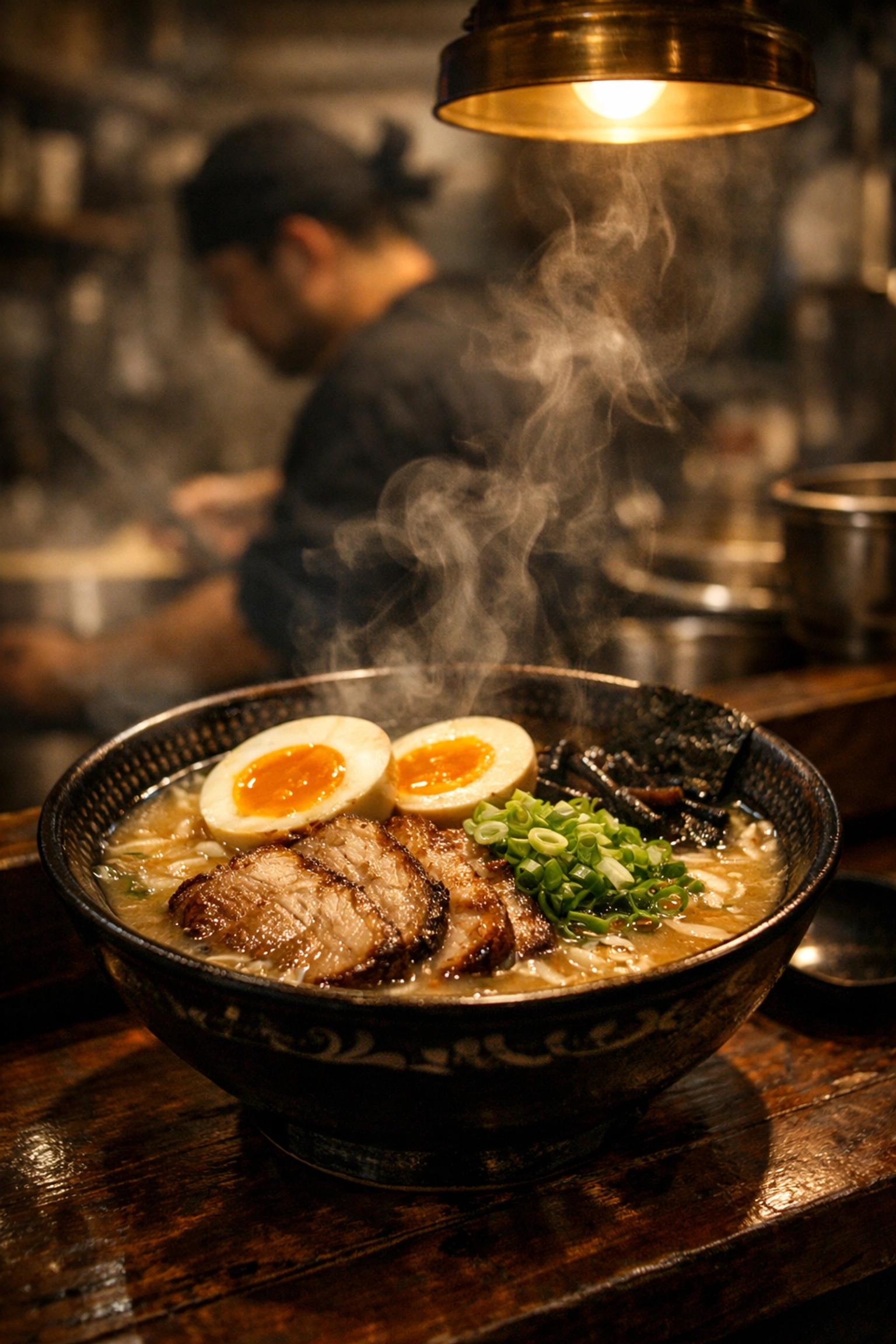
Japanese cuisine is about the shokunin: the artisan. When a ramen chef in a tiny Shinjuku shop creates a bowl, they’ve balanced the salt, fat, and noodles to a precise degree. Asking to swap the pork for chicken, remove the onions, and add extra corn can sometimes be met with a polite but firm "no," or at the very least, a very confused look.
While dietary restrictions (like allergies) are increasingly understood, "preference" customizations are rare.
The Fix: Try the dish as intended first. You might find that the ingredient you thought you hated actually works perfectly in the context of the dish. To find shops that are particularly accommodating or to have a translator help with your requests, a local guide is invaluable.
7. Expecting the "Group Finish" at Tsukiji
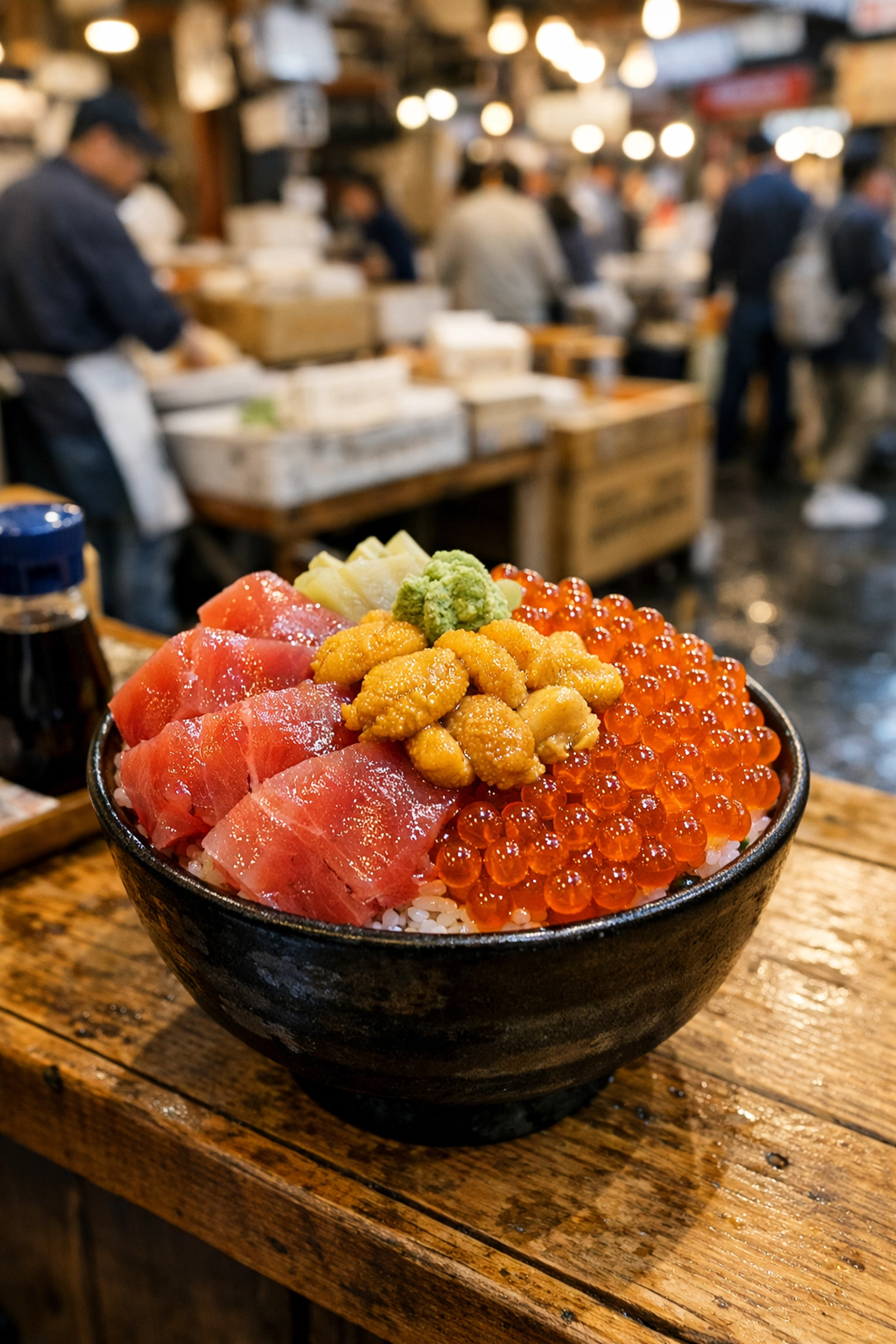
If you’re visiting the Tsukiji Outer Market (a must-do for any foodie), you’ll likely be eating in tight quarters. A common mistake is waiting for everyone’s food to arrive before you start eating.
In many Japanese casual spots, food is served the moment it’s ready to ensure peak freshness. If your friend’s bowl of kaisendon (seafood rice bowl) arrives five minutes before yours, they should start eating. If they wait, the rice might lose its temperature or the seaweed might lose its crunch.
The Fix: Don’t be offended if your meal arrives in stages. Dive in while it's hot! It’s actually more respectful to the chef to eat the food while it’s at its best. Tsukiji can be overwhelming with its hundreds of stalls, so I always recommend this Viator market tour to make sure you’re hitting the legitimate vendors and not the tourist traps.
Bonus: How to Actually Get the Bill
Unlike in the US, where a waiter might hover and drop the check while you're still chewing your last bite, Japanese service is "omotenashi" (wholehearted hospitality). They won't interrupt your conversation to give you the bill because that’s considered rude.
The Fix: Look for a "Call" button on your table: this is common in Izakayas and casual dining. If there isn't one, a simple "Sumimasen!" (Excuse me) or making a "X" sign with your index fingers will signal that you’re ready for the check. In many casual places, you actually take a small clipboard or tab from your table to the register near the exit to pay.
Final Thoughts for Your Tokyo Food Journey
Tokyo is a city that rewards the curious and the respectful. It’s okay if you make a mistake: the Japanese are incredibly gracious hosts: but showing that you know the local "rules" will open doors (and flavors) you never expected.
Whether you're there to capture the perfect shot for your photography booking experience or just to eat your weight in wagyu, remember that the best meals are the ones where you lean into the local culture.
Stay tuned for Day 2 of our series, where we’ll be heading deep into the neon heart of Shinjuku for the best late-night eats! In the meantime, start planning your itinerary and don’t forget to check out the latest food tours on Viator to make the most of your trip.
Happy eating, and keep those cameras ready!













