
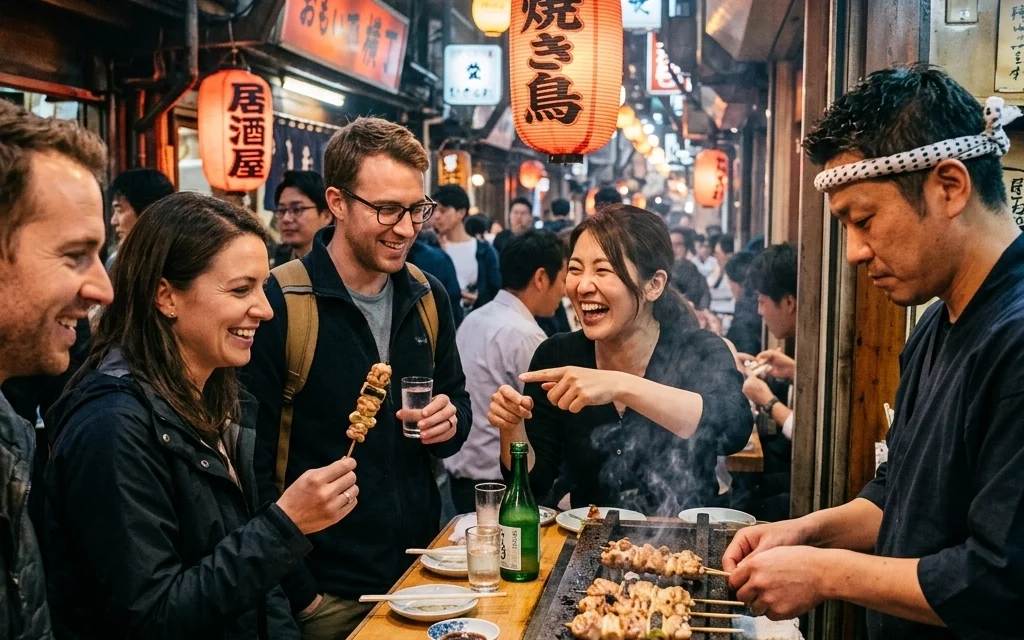
So, you’ve finally touched down in Tokyo. The neon lights are buzzing, the vending machines are dispensing hot coffee in cans, and your stomach is growling louder than a Godzilla roar. You’re ready to dive face-first into the best food scene on the planet. But wait, before you grab those chopsticks and start living your best "Foodies" life, let me tell you: Tokyo is a beast of a city to navigate if you don’t know the unwritten rules.
I’m Edin, and here at Photoguides, we’re kicking off a 14-day deep dive into the culinary labyrinth of Tokyo. From the high-tech maid cafes of Akihabara to the quiet, vinegar-scented sushi counters of Ginza, we’re covering it all. But today, we need to talk about the mistakes. The "I wish someone told me this before I stepped off the plane" kind of mistakes.
Tokyo food tours are the absolute best way to see the city, but if you go in blind, you might end up eating lukewarm convenience store fried chicken (which is actually great, but not why you flew 14 hours) instead of the legendary bites you see on Instagram.
Here are the 7 mistakes you’re making with Tokyo food tours and how to fix them.
1. Treating Akihabara Like a Gimmick-Only Zone
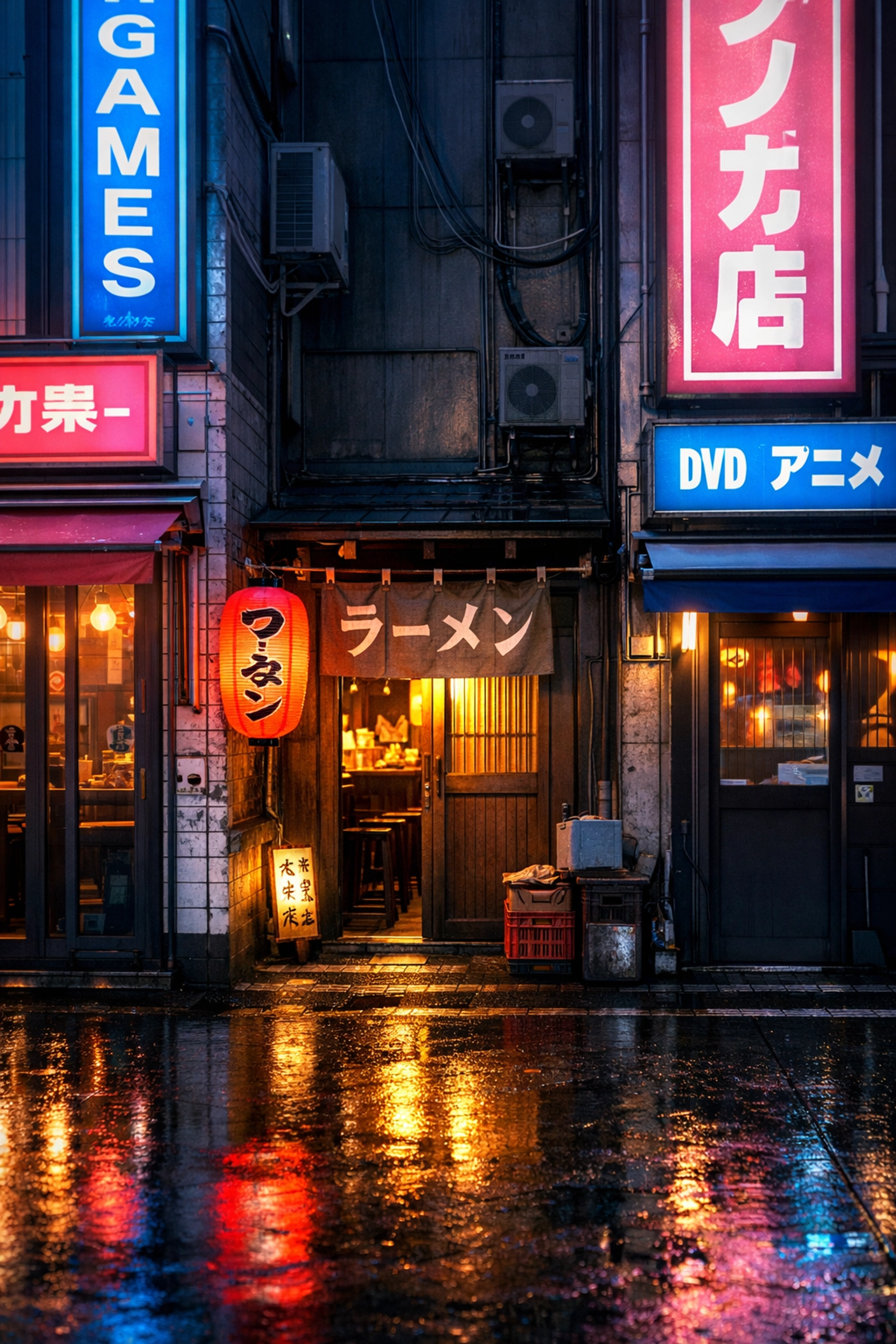
Akihabara is the land of electric dreams, anime, and themed cafes. The mistake most travelers make? They think it’s only about the theme and ignore the actual food quality. You go for the maid cafe experience or the owl cafe, you take your photos, and then you leave hungry because the "cake" was basically a sponge with eyes.
The Fix: Look for specialized food tours in Akihabara that balance the "Otaku" culture with legitimate local eats. There are incredible hidden ramen shops and tonkatsu spots tucked between the neon towers that most tourists walk right past.
If you want to see the quirky side of Akihabara without sacrificing your taste buds, book a guided food tour through Viator here to find the spots where the locals actually eat.
2. Walking and Eating in Harajuku
We’ve all seen the photos of those massive, colorful crepes in Harajuku. They’re iconic. The mistake? Thinking you can just stroll down Takeshita Street while munching on one. In Japan, eating while walking (tabearuki) is generally considered rude. It’s messy, it’s distracting, and it clutters up the narrow streets.
The Fix: When you grab that street food in Harajuku, do what the locals do: stand near the stall, finish your food, and then move on. Also, remember that trash cans are as rare in Tokyo as a quiet day at Shibuya Crossing. Carry a small plastic bag with you to dispose of your wrappers later.
To navigate the sugar-high maze of Harajuku like a pro, I highly recommend booking a street food tour via Viator. They’ll show you the best spots and keep you from committing any social faux pas.
3. The Ginza Sushi "Walk-in" Myth
Ginza is the Beverly Hills of Tokyo. It’s where you find the high-end sushi masters who have been honing their craft for forty years. The mistake? Thinking you can just wander into a world-class sushi bar at 7:00 PM on a Friday and get a seat. Most of these places are "reservation only" and some don't even take bookings from international phone numbers.
The Fix: You need a plan. High-end Ginza sushi requires booking weeks, sometimes months, in advance. If you didn't plan that far ahead, don't worry. A food tour guide often has the "in" at places you’d never find on Google Maps.
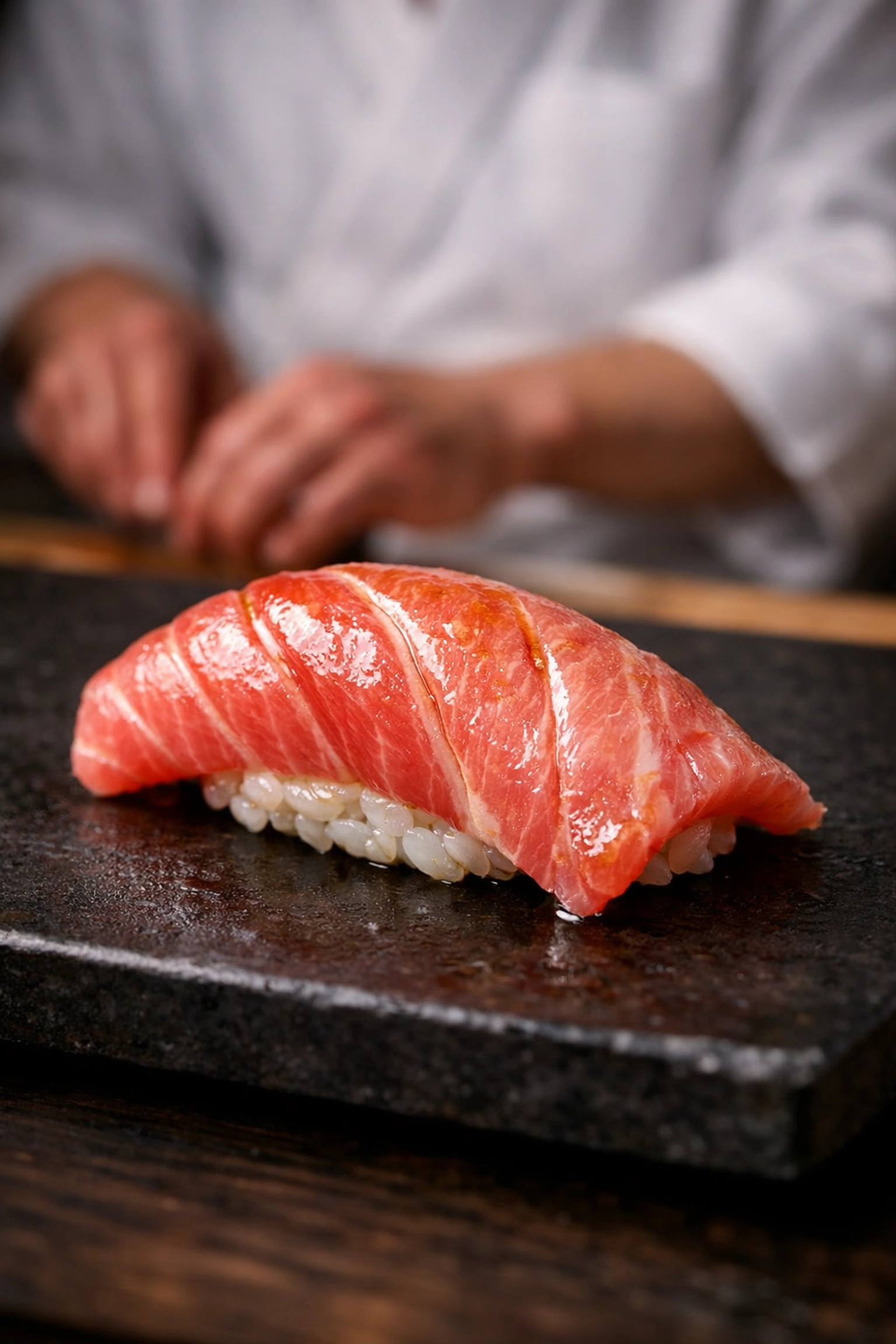
For a high-end experience that won't leave you standing on the sidewalk hungry, check out these Ginza sushi tours on Viator. They handle the logistics so you can just focus on the melt-in-your-mouth Toro.
4. Getting Lost in the Tsukiji "Inner vs. Outer" Confusion
This is a classic. You’ve heard that the famous Tsukiji fish market moved, so you assume the whole place is gone. Or worse, you show up at the old inner market (which is now Toyosu) expecting to see a tuna auction, only to find a construction site.
The Fix: The Inner Market moved to Toyosu, but the Outer Market at Tsukiji is still very much alive and kicking! It is arguably the best place in the world for a seafood breakfast. You can get grilled scallops, fresh uni, and tamagoyaki (sweet omelet) on a stick.
To make sure you’re hitting the right stalls at the right time, book a Tsukiji market tour through Viator. It’s the easiest way to ensure you don’t miss out on the freshest catch.
5. Fearing the "Otoshi" (The Table Charge)
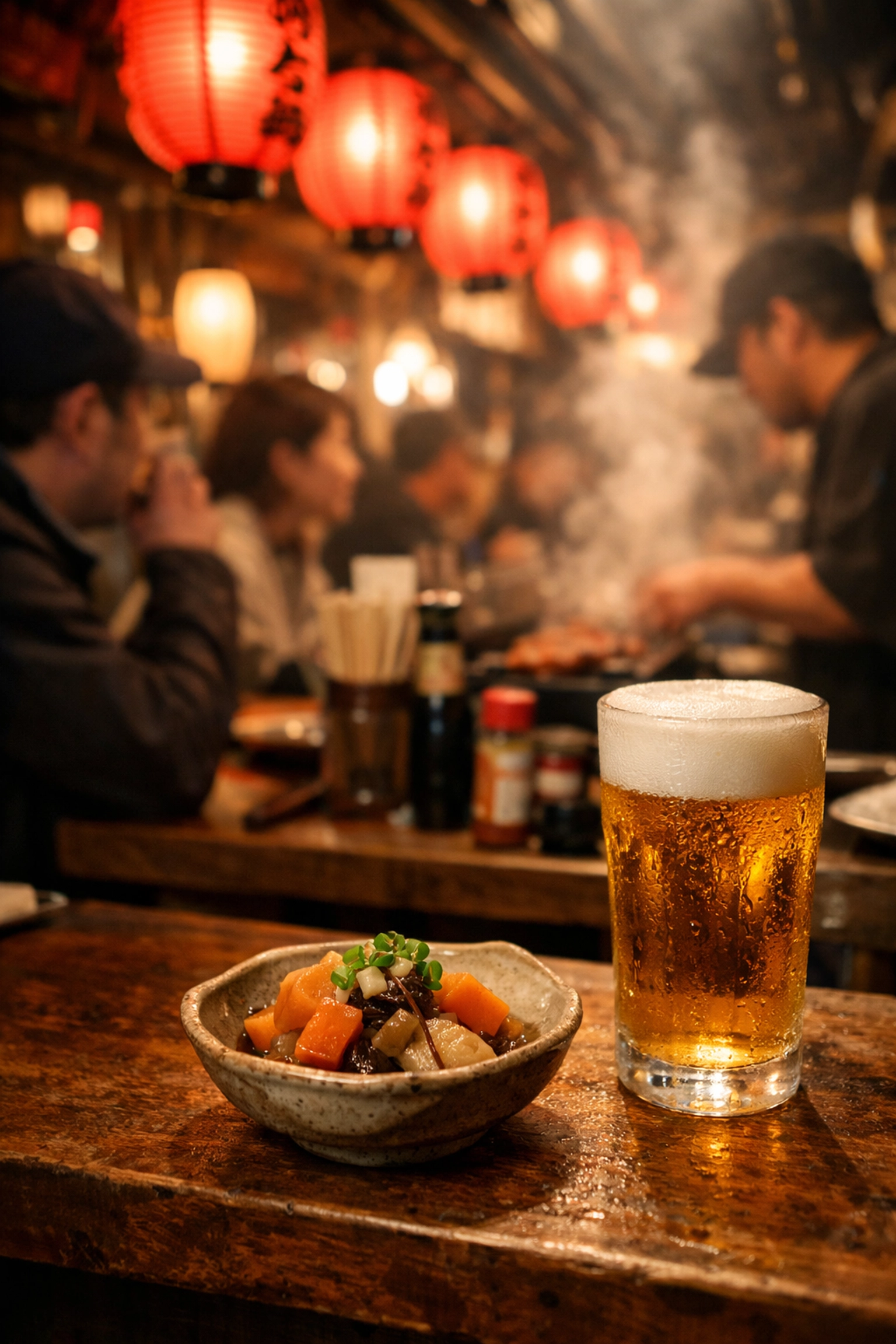
You sit down at a cozy Izakaya (a Japanese pub), the waiter brings you a tiny dish of pickled veggies or stewed meat you didn’t order, and at the end of the night, there’s an extra $3-$5 on your bill. The mistake? Thinking you're being scammed.
The Fix: This is called Otoshi. It’s a standard table charge that comes with a small appetizer. It’s not an upsell; it’s just how things work in Izakaya culture. Embrace it! It’s usually delicious and a great way to try something you wouldn't have ordered otherwise.
If you want to master the art of the Izakaya crawl without the "bill shock," book an Izakaya tour on Viator. They’ll explain the menu, the culture, and the customs so you can drink and eat like a local.
6. Over-packing the Camera Bag
I get it. You want to capture every glistening noodle and neon sign. But taking a massive DSLR and a tripod into a 6-seat ramen shop in Shinjuku’s Omoide Yokocho (Piss Alley) is a recipe for disaster. You’ll be in everyone's way, and the steam from the broth will fog up your lens before you can say "Shoyu."
The Fix: Go light. A compact camera or even a high-end smartphone is often better for food photography in tight spaces. If you're serious about your shots, check out my essential photography gear guide for tips on travel-friendly kits. You can also see some of my professional work over at Edin Fine Art to see how I handle urban environments.
And hey, if you’re looking for more technical tips on how to shoot in low-light restaurants, pop over to Shut Your Aperture for some gear-heavy advice.
7. Assuming "Vegetarian" Means the Same Thing in Tokyo
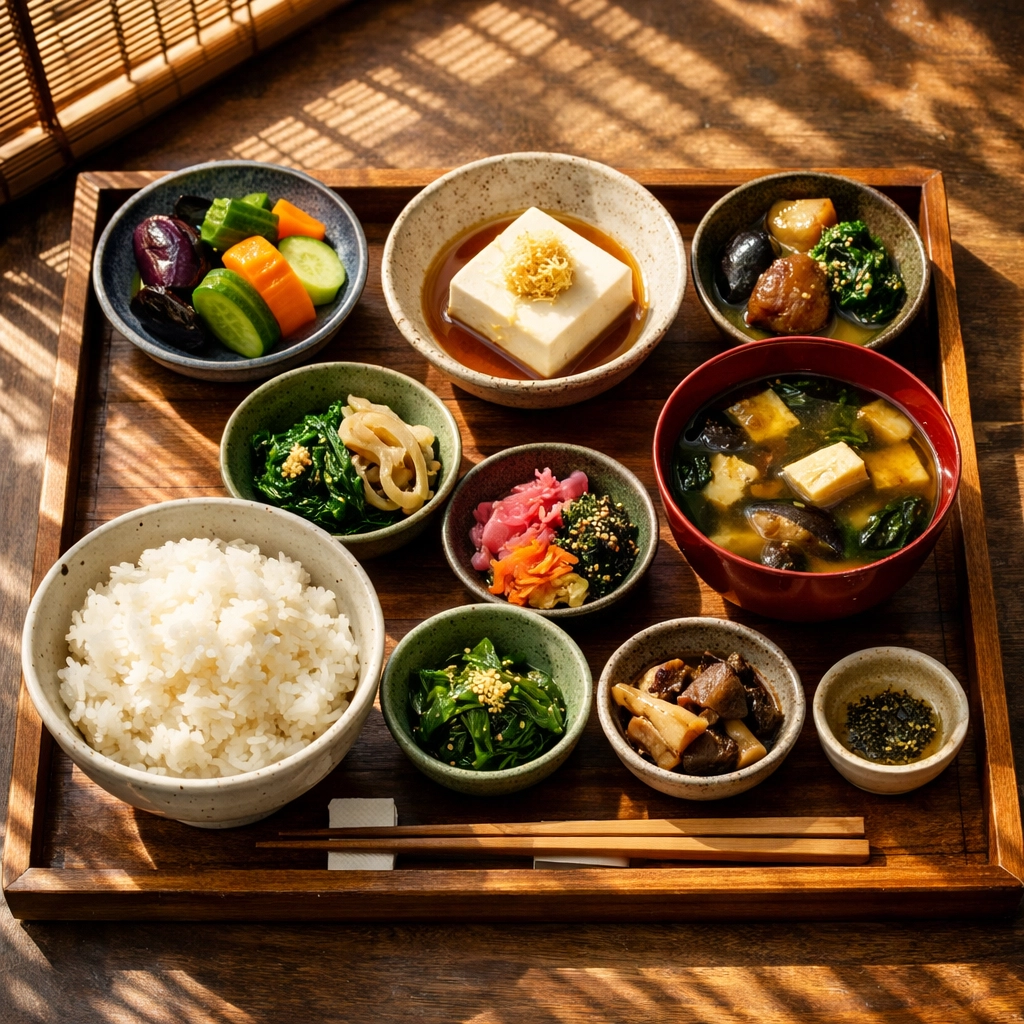
Japan is a seafood paradise, but it can be a minefield for vegetarians. The mistake? Assuming a "vegetable ramen" or "seaweed salad" doesn't have fish in it. Spoiler: Dashi (fish stock) is in almost everything.
The Fix: If you have dietary restrictions, you need to be very specific. The word "suu-pu" (soup) almost always implies a meat or fish base. The best way to navigate this is to have a guide who can communicate your needs to the chef or book a tour specifically designed for your diet.
Check out these customizable food tours on Viator where you can specify your dietary needs in advance.
Making the Most of Your Tokyo Adventure
Tokyo is a city that rewards the curious and the prepared. Whether you're hunting for the best cheap weekend getaways or planning a full-blown culinary pilgrimage, getting it right the first time makes all the difference.
Don't let the fear of making a mistake stop you from exploring. Part of the fun of travel is that "fish out of water" feeling, just maybe don't be a "fish out of water" in a Ginza sushi bar without a reservation!
For more travel stories and photography insights from my personal travels, you can always check out my personal blog. If you're looking for a more curated way to plan your next trip, our photography booking experience page can help you find the right balance between sight-seeing and shot-taking.
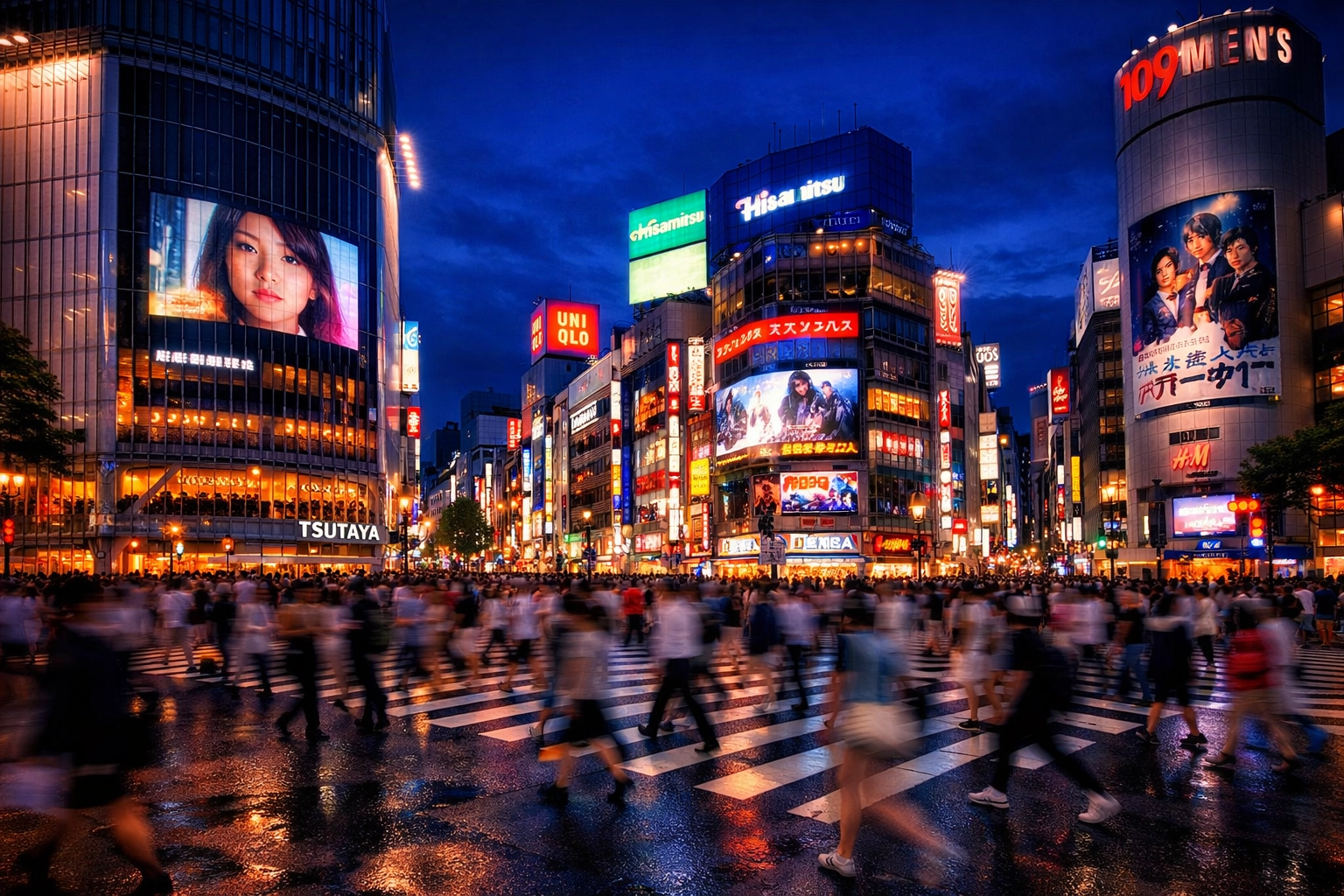
Tokyo is waiting. The ramen is steaming. The sushi is… well, it's perfect. Go get it! Just remember to stand still while you eat that crepe in Harajuku, okay?
Ready to eat?
Don't forget to book your next food adventure through Viator to ensure you’re getting the most authentic, delicious, and "mistake-free" experience possible.
Stay tuned for Day 2 of our Tokyo series, where we’re heading deep into the neon heart of Akihabara to find the best-hidden ramen shops you've never heard of!













