
Category: Foodies
So, you finally touched down in Tokyo. The neon lights are buzzing, the vending machines are singing, and your stomach is growling louder than a Godzilla roar. You’re ready to dive face-first into the greatest culinary landscape on the planet. But wait: before you go face-first into that bowl of ramen, there’s a high chance you’re about to commit a culinary crime without even knowing it.
Tokyo is a city of incredible grace, tradition, and very specific rules. It’s a place where the food isn't just fuel; it’s an art form. As someone who’s spent plenty of time behind the lens capturing these dishes with Edin Chavez, I’ve seen my fair share of "tourist traps" that have nothing to do with the price and everything to do with the etiquette.
Whether you're exploring the photography booking experience or just trying to navigate a menu, here are the seven most common mistakes people make in Tokyo’s food scene and, more importantly, how to fix them.
1. The Chopstick Taboos (The "Funeral" Mistake)
This is the big one. We’ve all seen it: someone finishes a few bites of rice and decides the best place to park their chopsticks is straight up in the bowl. Don't do it.
In Japan, standing your chopsticks vertically in rice is a ritual reserved for funerals. It’s basically like screaming "Death!" in the middle of a cheerful dinner. Similarly, passing food directly from your chopsticks to someone else's mimics the passing of bones during a cremation ceremony.
The Fix: Use the hashioki (chopstick rest) provided. If there isn't one, lay them flat across the edge of your bowl or the side of your plate. If you want to share that delicious piece of tamagoyaki at the Tsukiji Outer Market, place it on their plate first.
Speaking of Tsukiji, the market is a maze of incredible flavors. To navigate the etiquette and the crowds while finding the freshest tuna, I highly recommend booking a Tsukiji Food Tour via Viator.
2. Drowning Your Sushi in Soy Sauce (The Ginza Sin)
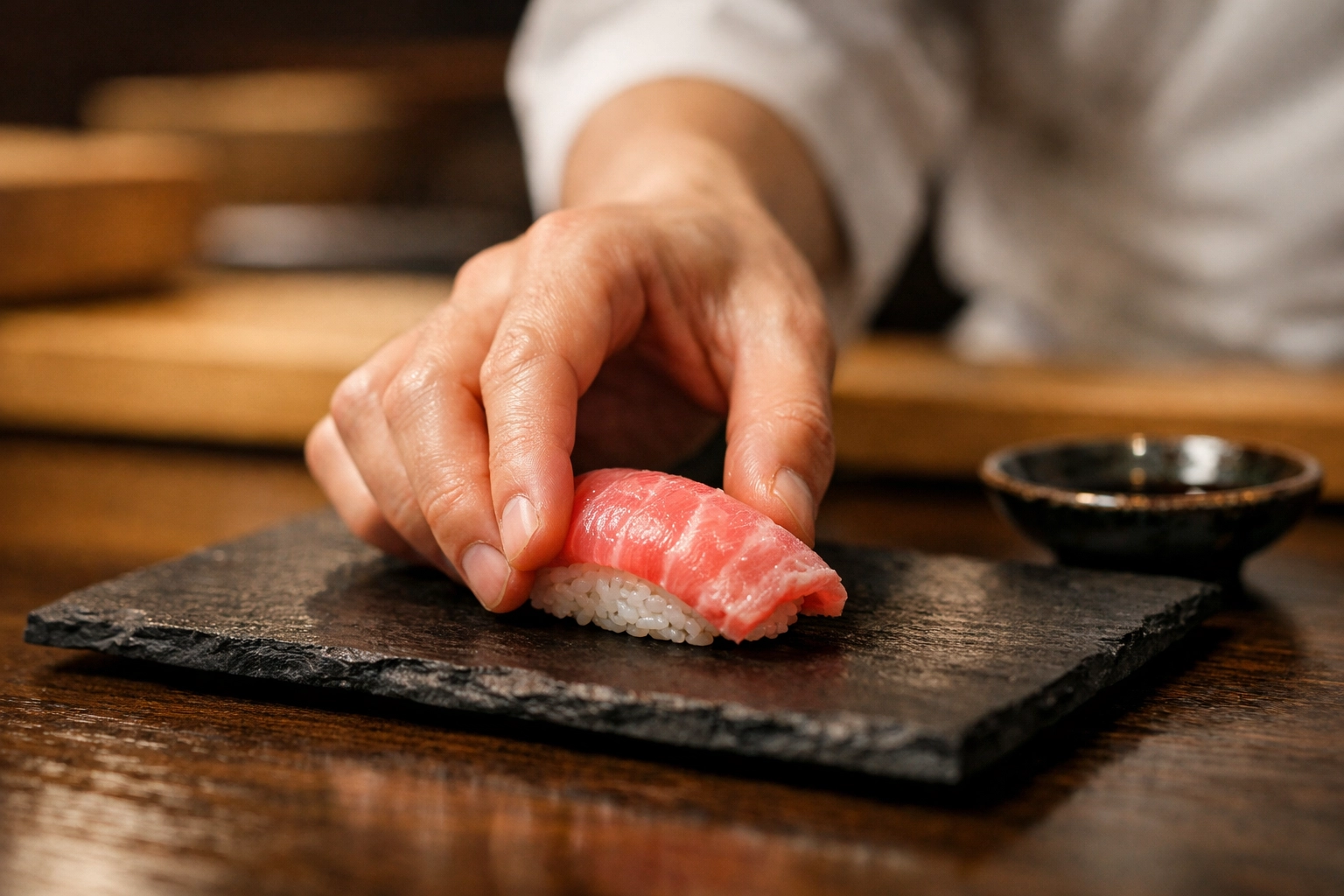
When you’re sitting at a high-end sushi counter in Ginza, you are essentially watching a master at work. The chef (shokunin) has already seasoned the rice with vinegar and likely brushed a delicate layer of nikiri (sweetened soy) or topped the fish with a specific garnish.
Dunking the rice side of your nigiri into a lake of soy sauce is a double-offense: it falls apart, and it insults the chef’s seasoning. It’s like putting ketchup on a dry-aged steak from Edin Fine Art's favorite high-end haunts.
The Fix: Dip the fish side (the neta) lightly into the soy sauce, or better yet, trust the chef. If you're at a top-tier spot in Ginza, they’ll tell you if it needs anything. To truly experience the pinnacle of Japanese dining without the "Am I doing this right?" anxiety, check out this Ginza High-End Sushi Tour.
3. The "Sharing is Caring" Fallacy in Small Spaces
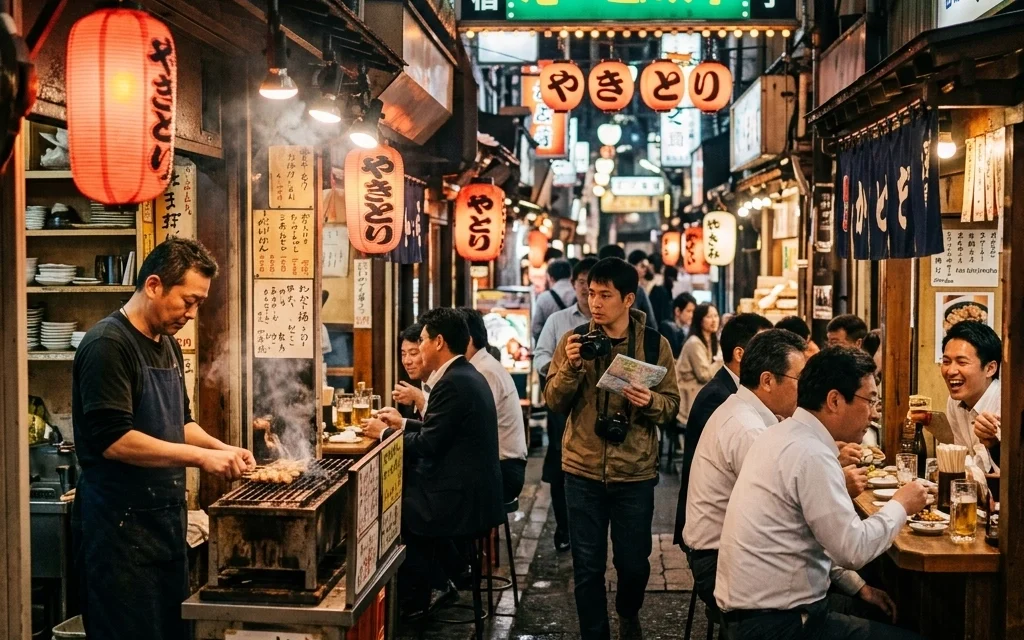
Tokyo is built on a "one person, one order" philosophy. Many of the best spots: especially the themed cafes in Akihabara or the tiny yakitori stalls: have very limited seating. If three of you sit down in a six-seat shop and only order one bowl of ramen to share, you’re essentially taking up two seats that could be paying customers.
The Fix: Always order at least one dish or drink per person. It’s a sign of respect for the small business owner. This is especially true in the wild world of Akihabara. If you’re heading to a maid cafe or a retro gaming bar, expect a "cover charge" or a mandatory drink order.
Akihabara is a neon dream for photographers. If you're bringing your essential photography gear, you'll want a guide who knows the best spots to eat and shoot. I suggest the Akihabara Culture and Food Tour.
4. Walking and Eating (The Harajuku Paradox)
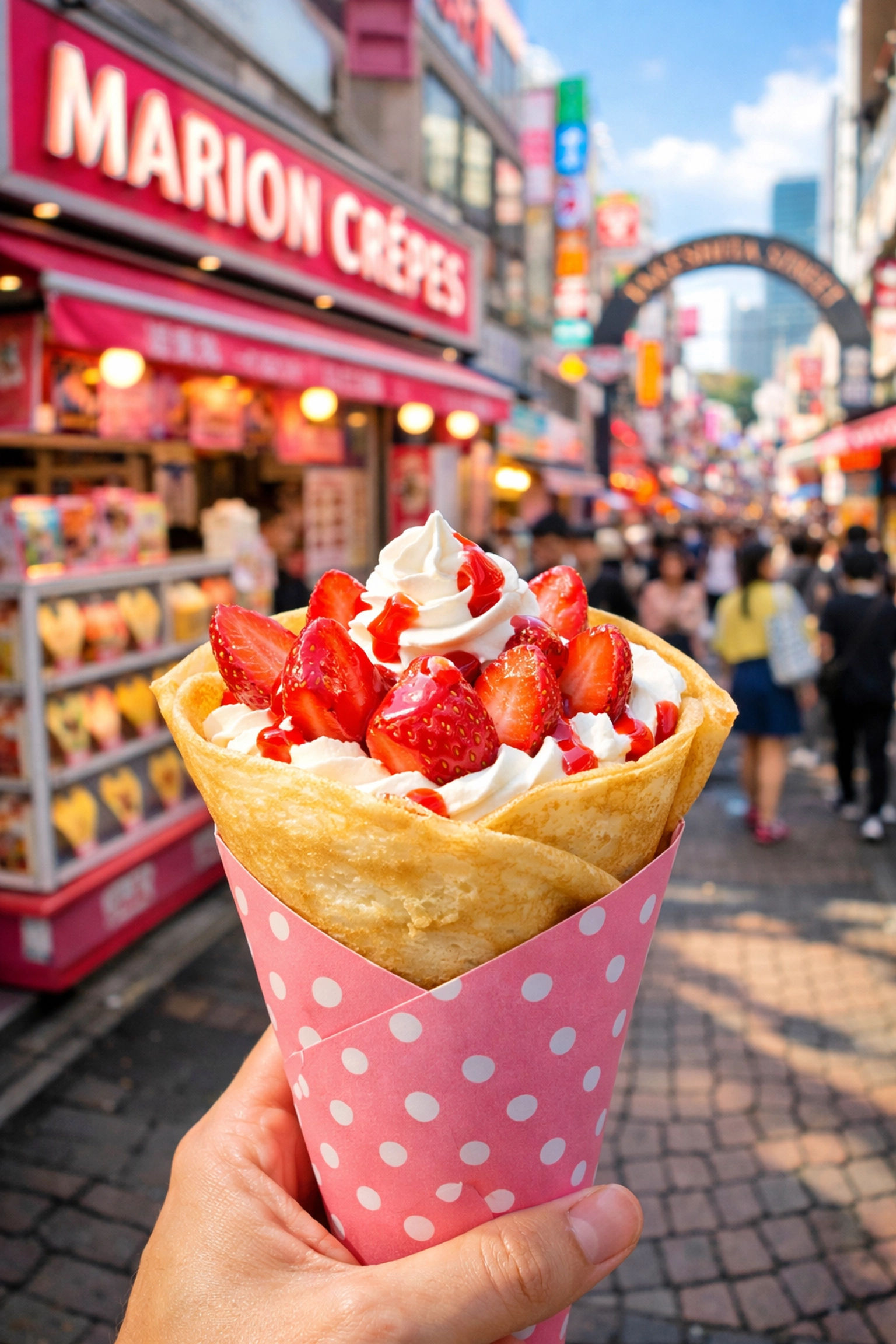
You’ve grabbed a towering, cream-filled crepe in Harajuku. Your instinct is to walk down Takeshita Street while dodging selfie sticks and munching away. In Japan, walking and eating (tabearuki) is generally frowned upon. It’s seen as messy and disrespectful to the food and the people around you.
The Fix: Eat your snack right in front of the stall where you bought it, or find a designated standing area. Most street food vendors have a small space for you to stand, and they often have a trash can (which are notoriously hard to find in Tokyo otherwise).
Harajuku is the heart of street food innovation. From rainbow grilled cheese to animal-shaped ice cream, it’s a visual feast. Don’t miss out on the hidden gems; book a Harajuku Street Food Tour to see what’s actually worth the hype.
5. The "No Substitutions" Rule
In the West, we’re used to "no onions," "extra sauce," or "can I swap the rice for salad?" In Tokyo, particularly at specialized shops, the chef has perfected their recipe over decades. Asking for a modification is often met with a polite but firm "No." It’s not that they’re being rude; it’s that the dish is designed to be a complete experience.
The Fix: If you have a serious allergy, it’s best to have it written down in Japanese to show the staff. Otherwise, try the dish as intended! You might find that those onions you usually hate are actually the best part of the broth. If you’re worried about dietary restrictions, doing a guided tour is a lifesaver because the guides can communicate your needs perfectly.
For a broad overview of the city’s best eats without the stress of translating "I'm gluten-free," grab a spot on this Tokyo Night Foodie Tour.
6. Fumbling the Vending Machine Order
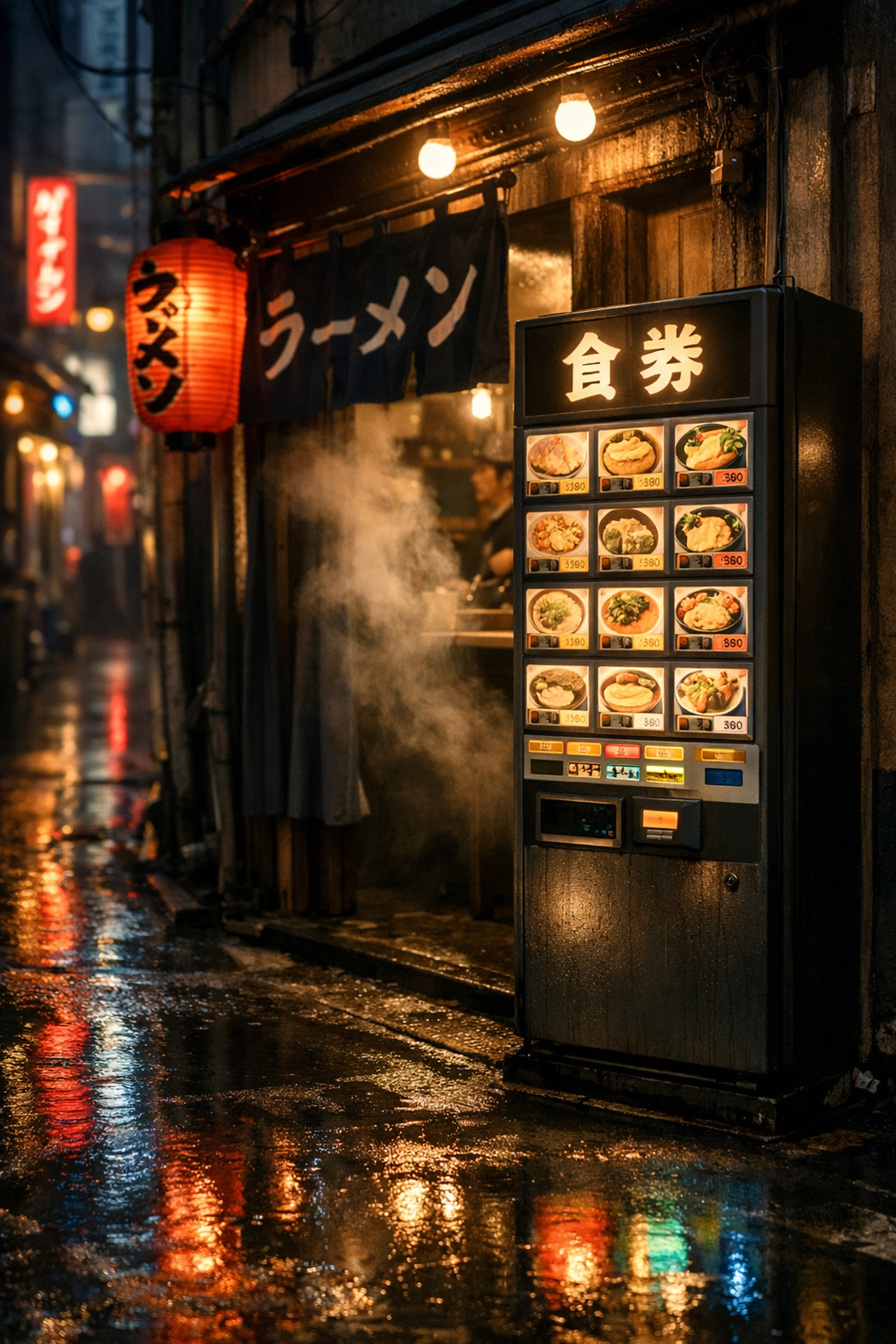
A lot of the best ramen shops use a vending machine system. You’ll see it right at the entrance. The mistake most people make is standing in front of it, pressing buttons, and then trying to find their money while a line of hungry salarymen forms behind them.
The Fix: Money first, buttons second. Most machines require you to insert your yen or tap your IC card before the buttons light up. Once you have your ticket, hand it to the chef. If you're looking for the best ramen in the city (and want to learn how to use the machines like a pro), check out our camera reviews 2024 to see which lens captures that steam perfectly, and then hop on a Ramen Tasting Tour.
7. Ignoring the "Subtle" Etiquette: Perfume and Noise
This mistake often happens in high-end Ginza restaurants or quiet neighborhood Izakayas. Japanese culture values the olfactory experience of food: the smell of the dashi, the aroma of the sake. Wearing heavy perfume or cologne can actually be grounds for being asked to leave some upscale sushi dens. Similarly, being the "loud table" is a quick way to get some side-eye.
The Fix: Keep the fragrance light (or non-existent) and your voice at a moderate level. Tokyo is a bustling city, but its dining spaces are often sanctuaries of calm. If you want to learn more about the lifestyle and culture, Edin often shares insights on his personal blog.
To experience the more social side of Tokyo dining where things are a bit louder and more casual, I highly recommend an Izakaya hopping tour. It’s the best way to see the city's nightlife like a local. Book your Izakaya Night Tour here.
Capturing the Moment
Tokyo is a city that rewards the observant. When you take the time to learn the "how" and "why" behind their food culture, the experience becomes so much richer. It's the difference between just eating and truly dining.
If you’re planning your trip and want to make sure your photos look as good as the food tastes, head over to Shut Your Aperture for some community tips on travel photography. And if you’re looking for more travel inspiration beyond Japan, maybe something closer to home like Miami's hidden speakeasies, we’ve got you covered there too.
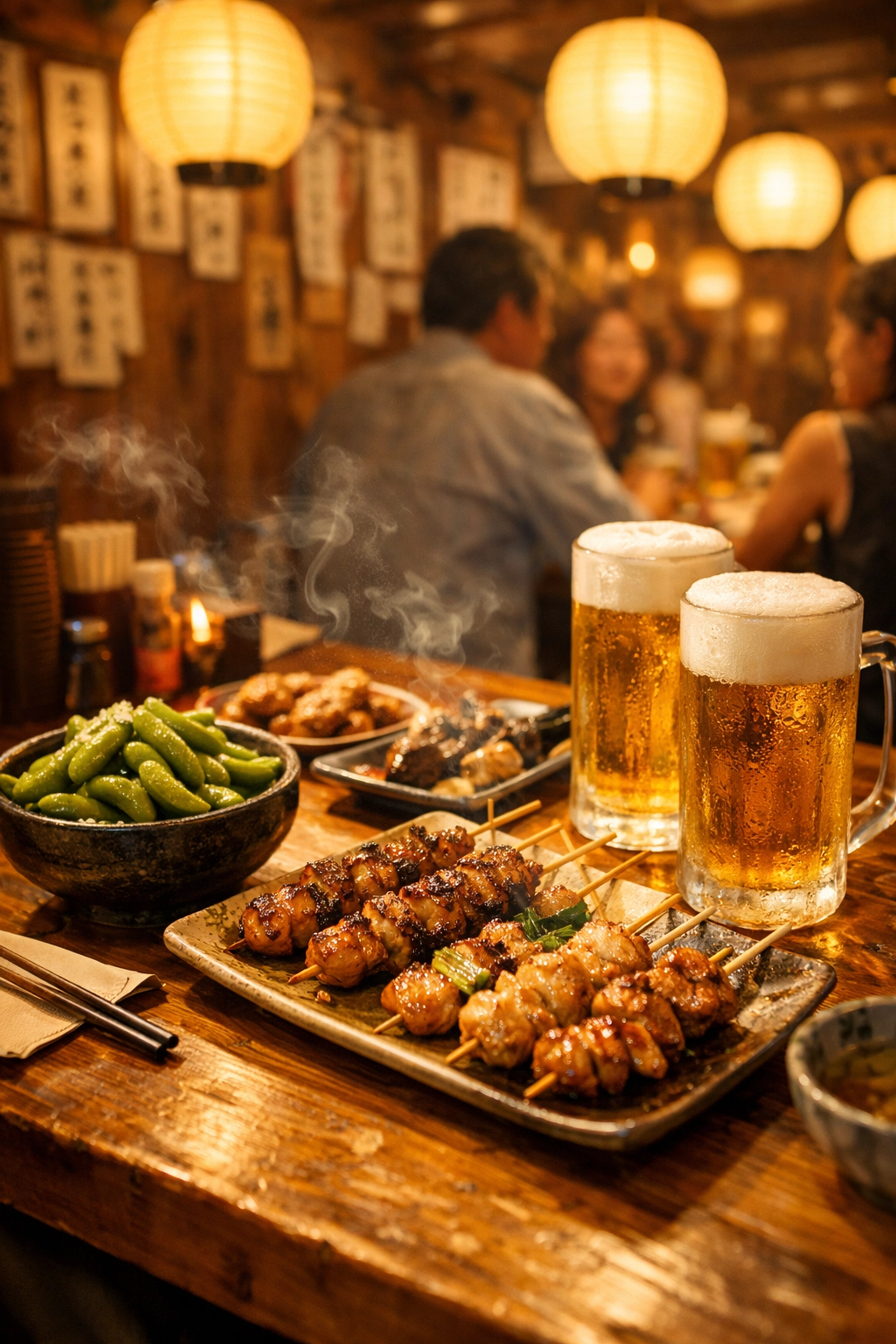
Tokyo's food scene can be intimidating, but it’s also incredibly rewarding. Don’t let the fear of making a mistake stop you from trying that weird-looking snack or stepping into a basement restaurant that doesn't have an English menu. Just remember: be respectful, be observant, and when in doubt, follow the lead of the locals.
Ready to eat? Tokyo is waiting for you. Just… keep those chopsticks off the rice. See you at the ramen stall!













