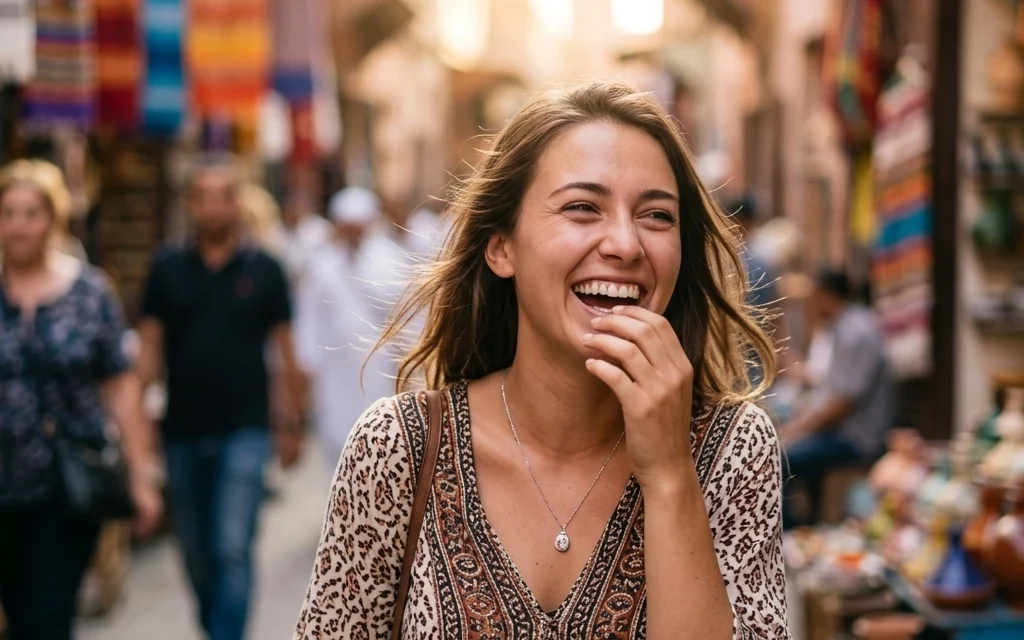
There’s a shift happening in the photography world as we move through 2026. While AI-generated imagery has reached a point of near-perfection, there’s something it still can’t quite replicate: the raw, messy, and beautiful unpredictability of a human soul. As a result, unposed, candid portraiture has become more valuable than ever. People are craving authenticity over airbrushed perfection.
However, capturing a "candid" shot is often harder than setting up a traditional studio portrait. You can’t just point your camera at someone and hope for the best. If you’ve ever looked at your unposed shots and felt they looked awkward, messy, or just "off," you’re not alone.
At Photoguides, we believe that every click of the shutter should tell a story. Whether you’re shooting with the latest mirrorless beast or utilizing the advanced iPhone photography techniques that have dominated 2026, avoiding these seven common mistakes will help you move from "accidental snapshots" to "intentional masterpieces."
1. The "Wall" Between You and the Subject
The biggest mistake isn't technical, it's energetic. If you treat your subject like an object to be captured rather than a person to be understood, the camera will record that tension. In 2026, even with eye-tracking autofocus that never misses, a "sharp" photo of a guarded person is still a bad photo.
The Fix: Spend the first ten minutes of any session just talking. Put the camera down. Build a rapport. When the subject feels safe, their guard drops, and the "real" them emerges. For more inspiration on how to view the world through a more artistic, human lens, check out the galleries at Edin Fine Art.
2. Micromanaging the Moment
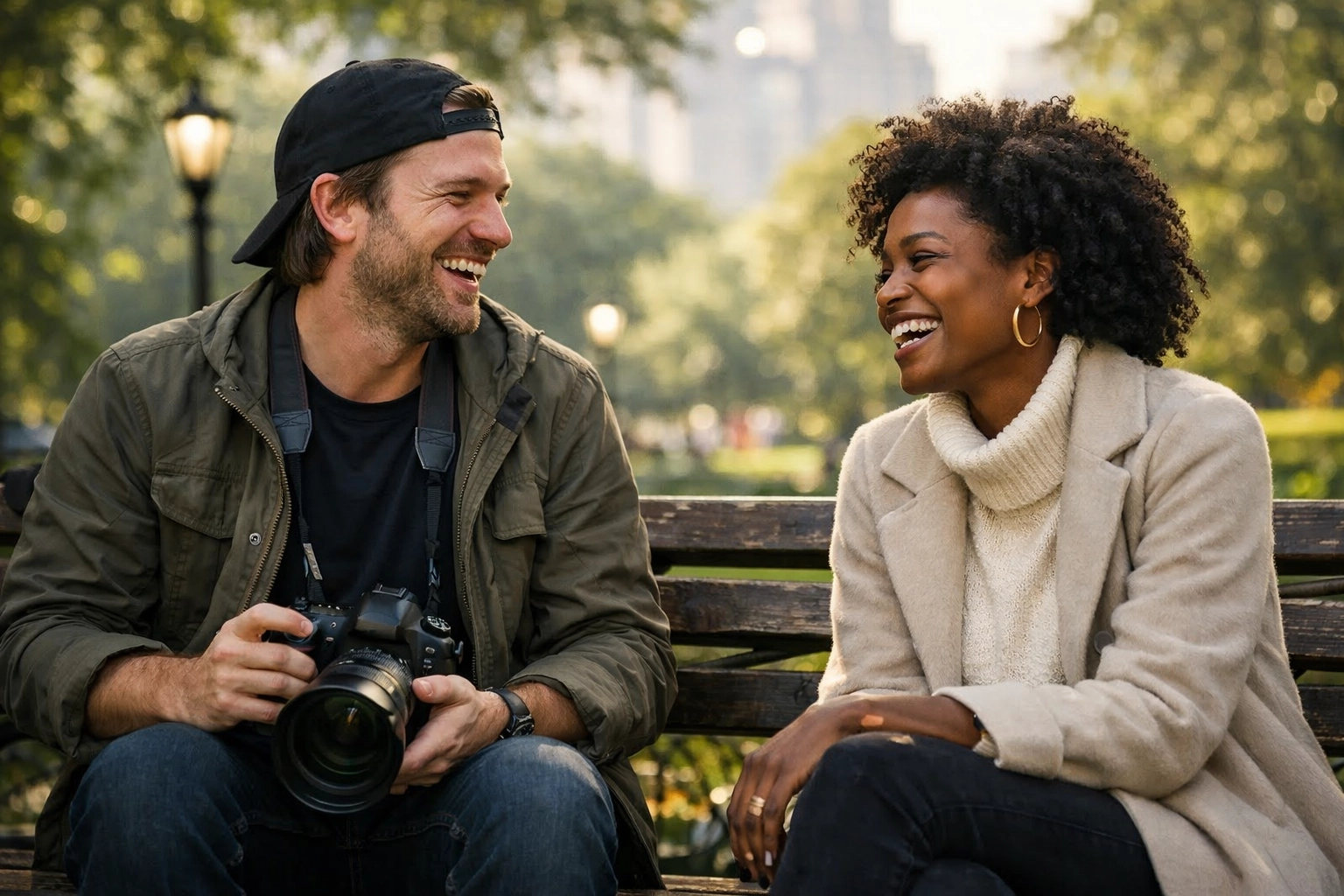
We’ve all been there. You see a great moment unfolding, but the subject’s hand is at a weird angle. You shout, "Hey, move your left hand down a bit!" and, poof, the moment is dead. The second you give a technical direction, the subject becomes self-conscious. They stop being and start performing.
The Fix: Instead of directing the pose, direct the action. Give them something to do. Ask them to walk toward a specific spot, play with their hair, or tell you a story about their favorite cheap weekend getaway. Capture the movement between the actions.
3. Ignoring the "In-Between" Moments
Many photographers only press the shutter when they think the "pose" is ready. But the best unposed portraits usually happen in the seconds after you’ve told them you’re done, or while you’re "adjusting your settings." That’s when the genuine laugh, the sigh of relief, or the thoughtful gaze happens.
The Fix: Keep your camera up. In 2026, we have the luxury of massive storage and lightning-fast bursts. Use them. Don't stop shooting until the subject has completely walked away from the frame. If you're looking for the right tools to handle these high-speed moments, browse our essential photography gear list for the latest recommendations.
4. Failing to "Read" the Light
Just because a shot is unposed doesn't mean the lighting should be accidental. A common mistake is being so focused on the emotion that you ignore a harsh shadow cutting across the subject's face or a distracting "halo" from a streetlamp.
The Fix: Position yourself first. Find the "good light" (the golden hour glow, a soft window, or even the neon buzz of one of Miami’s hidden speakeasies) and then wait for your subject to move into it. You guide the environment; let them guide the emotion.
5. Being Too Physically Intrusive
If you’re three inches from someone’s face with a wide-angle lens, they’re going to feel "hunted." It’s very difficult for a subject to remain relaxed when there’s a large glass element looming in their personal space.
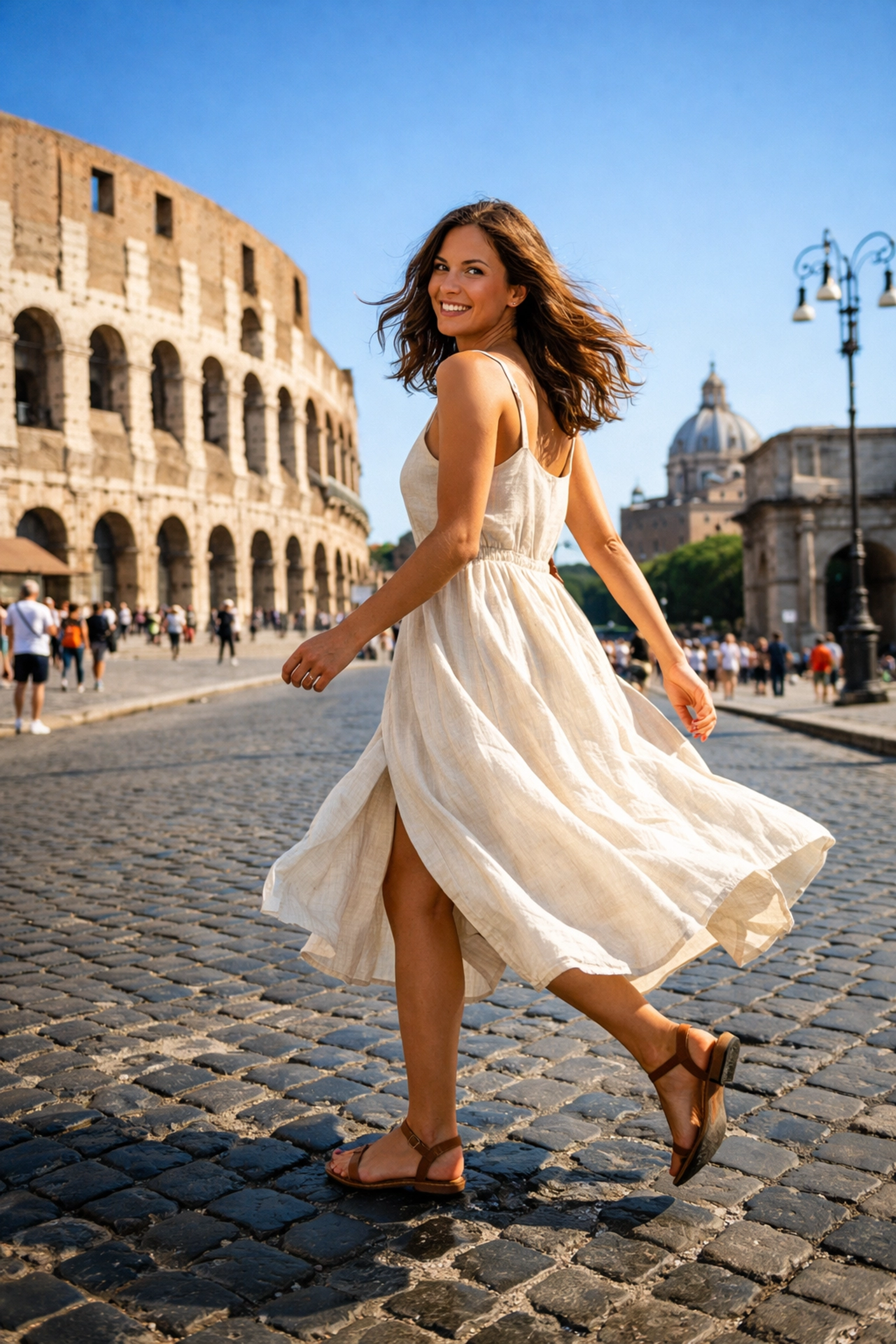
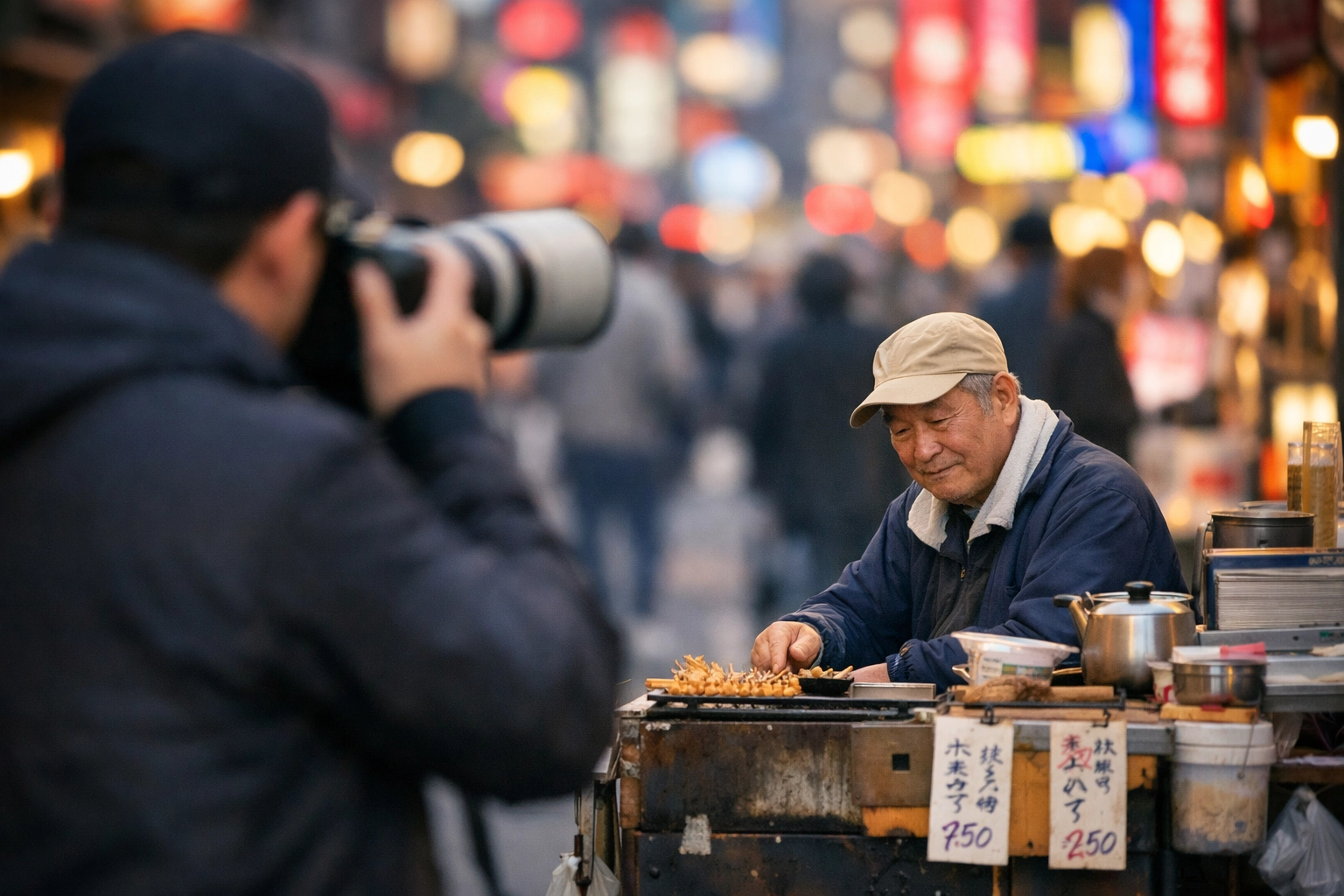
The Fix: Use a longer focal length. An 85mm or 135mm lens allows you to stay back, giving the subject breathing room to exist naturally. This is especially true for street photography in busy travel hubs. If you're planning a trip to practice this, check out our guides on travel photography tips to see how to blend in and capture the soul of a city without being a distraction.
6. The Perfectionism Trap (And the AI Dilemma)
In the age of AI, there is a temptation to "fix" everything. We remove every flyaway hair, we smooth every wrinkle, and we use AI to replace a "boring" sky. The mistake here is that by removing the "imperfections," you remove the humanity. A genuine emotion often comes with a bit of "mess", a strand of hair across the eyes or a slightly blurred hand.
The Fix: Embrace the "perfectly imperfect." Authentic art is about what you feel, not just what you see. While we love using tools like sky overlays for landscape work, keep your portraits grounded in reality. The goal is to make the viewer feel like they were standing right there with you.

7. Not Considering the Background Narrative
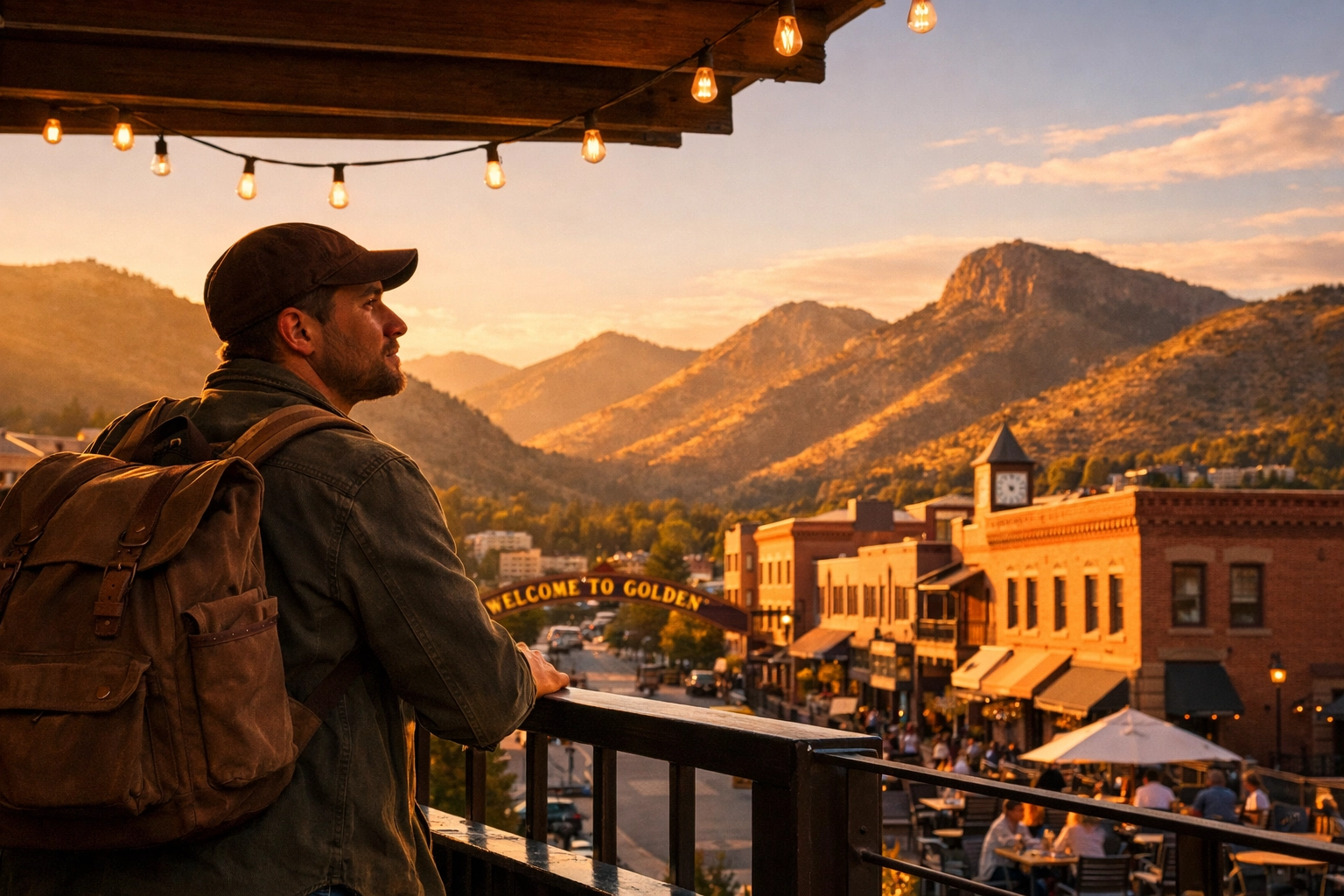
An unposed portrait isn't just a headshot; it’s a story. A common mistake is isolating the subject so much with a shallow depth of field that you lose the "where" and "why." If you're shooting at a beautiful location, like the restaurants in downtown Golden, the environment should complement the subject’s mood.
The Fix: Stop down your aperture occasionally. Let the background tell a story. Is the subject lonely in a crowded room? Happy in a quiet forest? Use the environment as a secondary character in your image.
How to Prompt for Genuine Emotion
If you’re struggling to get people to relax, stop asking them to "look natural." It’s the most unnatural request you can make. Instead, use these 2026-tested prompts:
- The "Internal Joke": "Tell me a secret you’ve never told anyone… okay, now tell me a lie instead." (Usually results in a great smirk or a laugh).
- The "Memory Recall": "Think about the last time you felt completely at peace. Where were you?" (The eyes will instantly soften).
- The "Movement": "Walk toward me like you’re in a slow-motion movie and you just won the lottery."
Capturing these moments requires patience. If you're looking for a community of photographers who value this kind of authentic storytelling, join the conversation at Shut Your Aperture.
The Future of the Unposed Portrait
As we look ahead, the role of the photographer is evolving from "technician" to "director of authenticity." With AI taking over the heavy lifting of editing and culling, your value lies in your ability to connect with humans.
Whether you are capturing a quiet moment at one of the breakfast places in Cape Coral or documenting a high-energy event as an Atlanta event photographer, remember that the most important piece of gear you own is your empathy.
Final Thoughts
Unposed portraits aren't about luck; they are about preparation meeting opportunity. By avoiding these seven mistakes: by building connection, choosing the right gear, and letting the light lead the way: you’ll start creating images that don't just look like your subjects, but feel like them.
Ready to take your portrait game to the next level? Dive into our educational resources for deep dives into lighting, composition, and the psychological side of photography.
The world doesn't need more "perfect" photos. It needs more real ones. Go out there and find them.