
Look, we've all been there. You capture that perfect golden hour shot, and your first instinct is to tag the exact location so everyone can experience the magic too. It's generous, it's helpful, and it feels like the right thing to do. But here's the thing, geotagging isn't as simple as dropping a pin and calling it a day.
Whether you're a travel photographer sharing your favorite spots on Photoguides or just someone who loves documenting your adventures, there are some common mistakes that can actually hurt the places you're trying to celebrate. Don't worry though, I'm not here to make you feel bad. I'm here to help you share responsibly so these incredible locations stick around for future photographers (and future you).
Mistake #1: Tagging Endangered or Fragile Locations With Pinpoint Accuracy
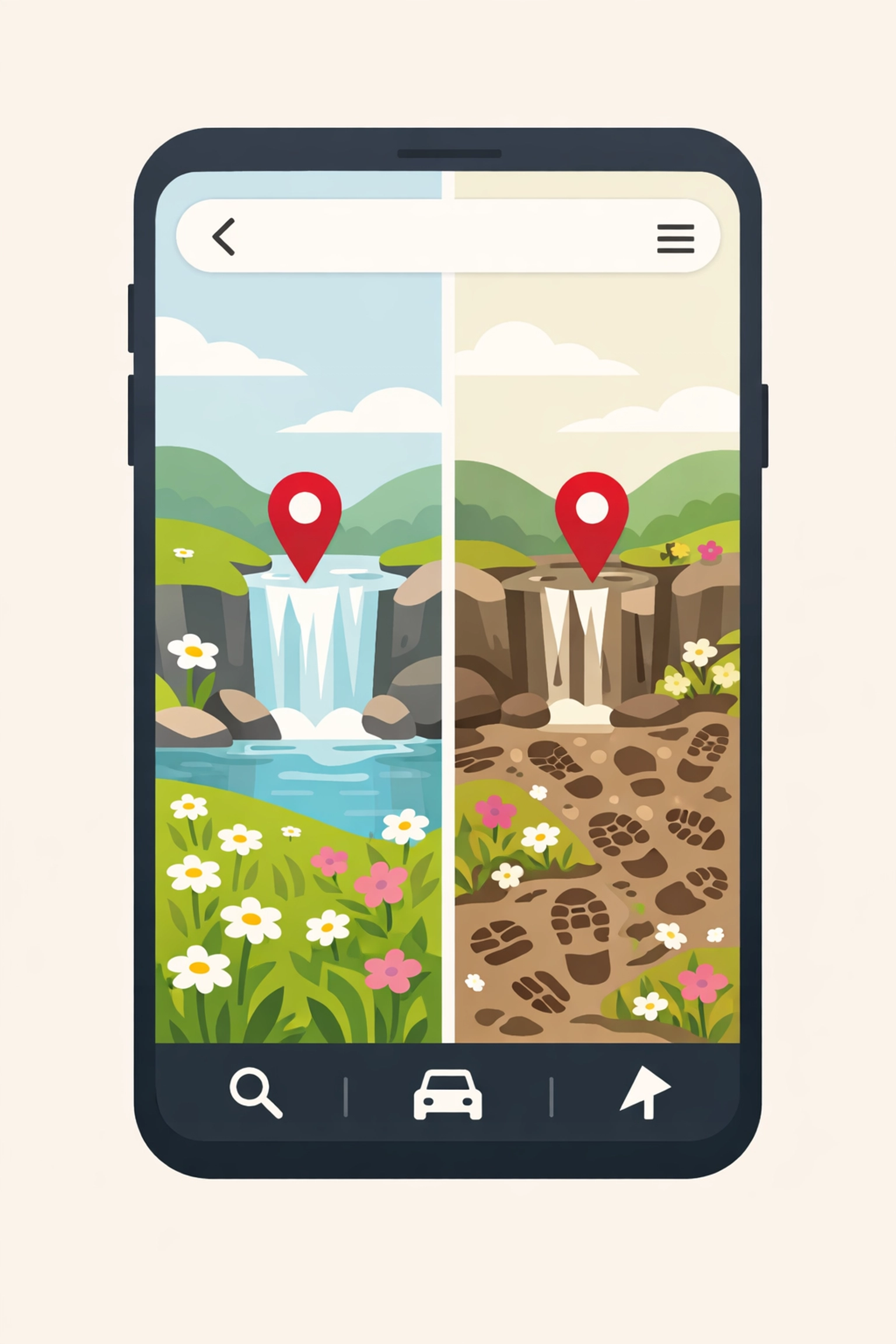
This is probably the biggest one, and it's totally understandable why people do it. You find a hidden waterfall or a wildflower superbloom that takes your breath away, and you want others to experience it too.
But here's what happens: One Instagram post with an exact geotag can lead to hundreds or thousands of visitors descending on a spot that wasn't designed for foot traffic. Wildflowers get trampled. Trails erode. Wildlife habitats get disturbed.
The fix: Tag the general area instead, the town, the region, or the national park rather than the exact trailhead or GPS coordinates. If someone's truly interested, they can do a bit of research to find it. That small barrier to entry helps protect sensitive spots.
Mistake #2: Using Generic Default Filenames
This one seems minor, but it actually matters more than you'd think. When you upload "DSC0323.jpg" or "IMG_2847.jpg" to a map or photo-sharing platform, those filenames show up as placemarks. Not exactly inspiring, right?
The fix: Rename your files with descriptive names before uploading. "Golden_Gate_Sunrise.jpg" or "Antelope_Canyon_Lightbeam.jpg" tells people exactly what they're looking at. It makes your tagged images more discoverable, more meaningful, and honestly, just more professional. Plus, it helps with organization when you're looking through your own archives later.
Mistake #3: Clustering Multiple Photos at One Exact Coordinate
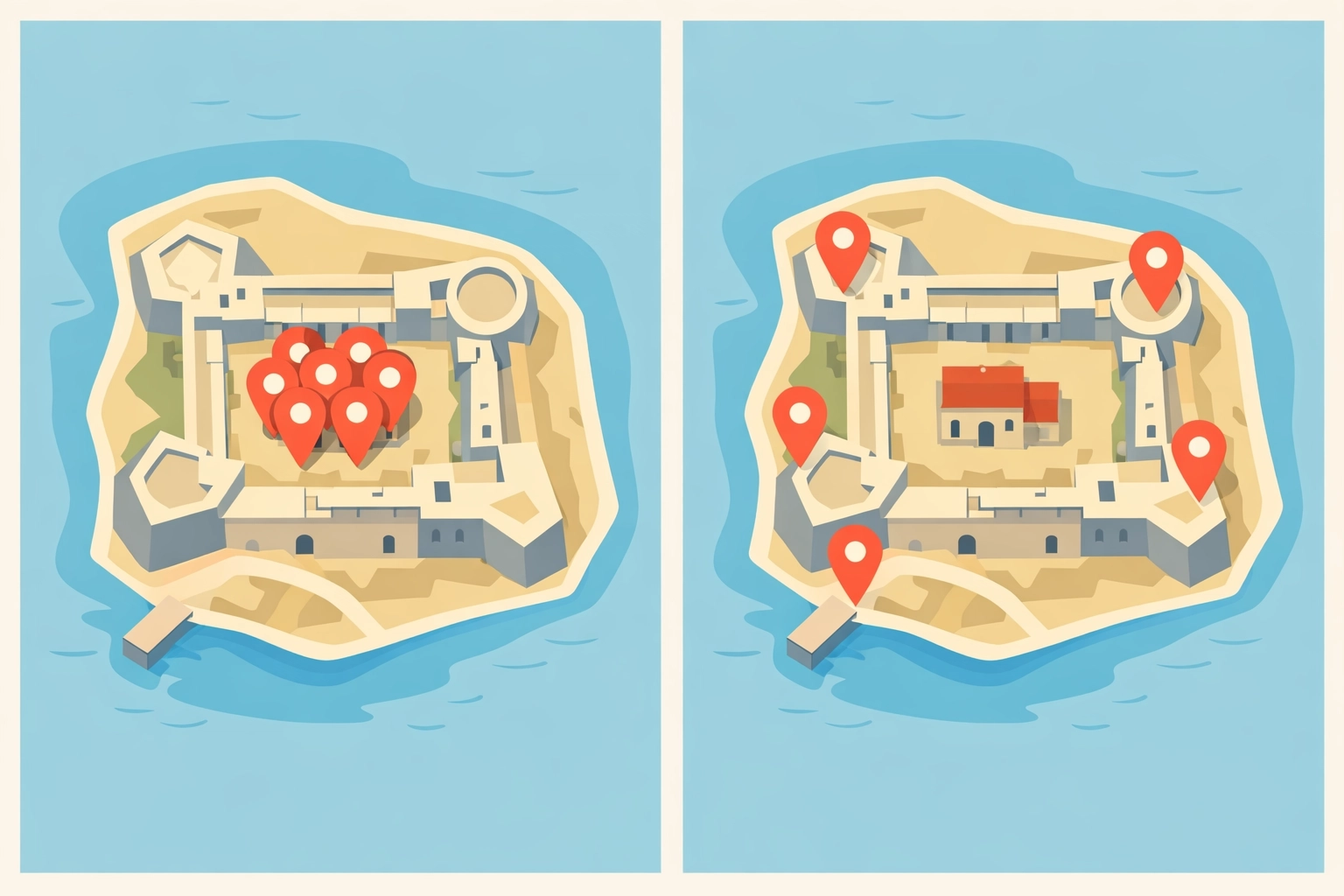
Picture this: You spend an afternoon photographing around a historic fort. You take shots from the ramparts, the entrance, the beach below, and the museum inside. Then you tag all 15 photos to the exact same latitude and longitude, probably wherever you were standing when you opened the map.
This creates a confusing cluster where people can't tell which photo was taken where. It's not helpful, and it doesn't accurately represent your experience.
The fix: Take a few extra seconds to tag each photo individually based on where you actually took it. If you shot from different spots around the fort, place those markers accordingly. Your followers will get a much better sense of the location, and other photographers will know exactly where to position themselves for that specific angle.

Mistake #4: Ignoring Privacy and Safety Red Flags
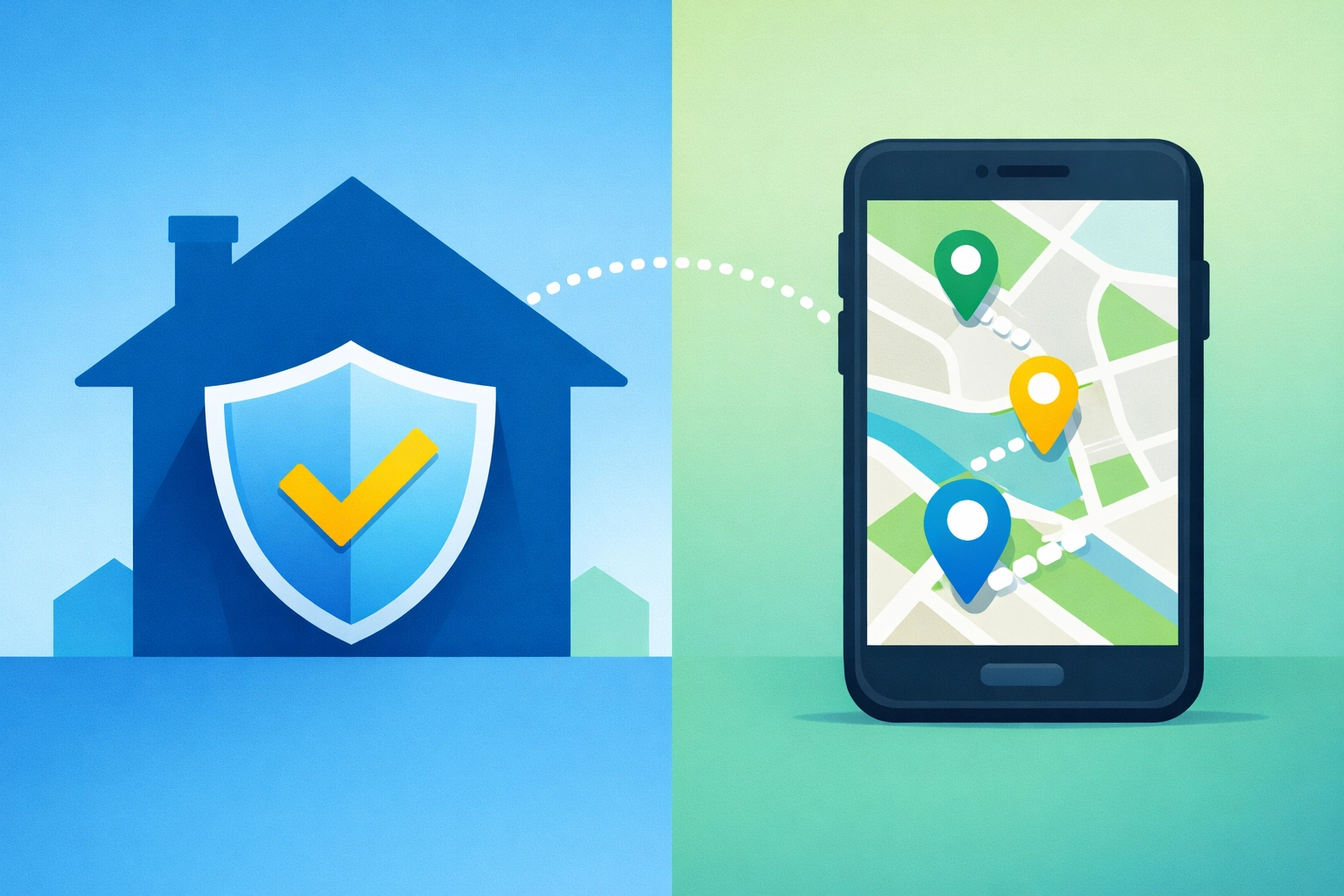
Okay, this one's important. Not every location should be geotagged, period. Private properties, someone's home, schools, places where vulnerable people gather, these aren't spots to broadcast to the internet.
And it's not just about other people's privacy. When you geotag your own home or regular hangout spots, you're essentially publishing your daily routine. That information stays in your photo metadata even if you delete the post later.
The fix: Before you tag, ask yourself: "Would I be comfortable with a stranger showing up here uninvited?" If the answer is no, skip the geotag. For spots near your home, tag a nearby public landmark instead. When using professional services like ProShoot.io for photography bookings, they understand these privacy considerations and can help you share your work safely.
Mistake #5: Forgetting to Verify Your Coordinates
Ever notice a photo that's supposedly taken in Paris but the pin is sitting in the middle of the Atlantic Ocean? Yeah, that's this mistake in action.
Manual geotagging introduces a lot of room for error. Maybe you were distracted when you dropped the pin. Maybe your GPS signal was wonky. Maybe you just fat-fingered the coordinates. Whatever the reason, inaccurate location data is frustrating for everyone, especially when people are trying to plan their own trips based on your photos.
The fix: Double-check your tags before publishing. Zoom out on the map to make sure the pin is actually in the right country, state, and city. It takes five seconds and saves a lot of confusion. If you're uploading older photos and can't remember the exact spot, a general location is better than a wrong one.
Mistake #6: Geotagging Every Single Event or Moment
Not everything needs a geotag. Seriously. Your coffee this morning? The random parking lot where you stopped to check your phone? That blurry sunset from your hotel window?
Over-tagging clutters map databases and doesn't really add value for anyone, including you when you're trying to find specific locations later. It's like the photography equivalent of crying wolf; when everything's tagged, nothing stands out.
The fix: Be selective. Tag locations that actually matter, places that are destination-worthy, visually significant, or helpful for other travelers and photographers. Ask yourself: "Would someone plan a trip around this location?" If yes, tag it. If no, let it be.
Mistake #7: Not Considering Your Platform's Privacy Settings
Different platforms handle geotags differently, and not understanding how yours works can lead to oversharing. Some apps show your tagged locations publicly by default. Others let you create custom location names that might seem clever but actually expose more than you intended.
Plus, there's the whole issue of photo metadata (EXIF data). Even if you don't manually add a geotag to your social post, the photo file itself might still contain GPS coordinates from when you took it. Anyone who downloads that photo can potentially see exactly where it was taken.
The fix: Audit your privacy settings on every platform where you share geotagged photos. Make sure you understand who can see your location data. For sensitive photos, consider stripping the EXIF data before uploading. Most photo editing apps have an option to remove metadata, or you can use free online tools. On Photoguides, we share educational resources about protecting your privacy while still celebrating amazing photo locations.
The Bottom Line: Share Thoughtfully, Not Carelessly
Here's the thing, geotagging isn't inherently bad. When done responsibly, it helps other photographers discover incredible spots, supports local tourism, and builds community around shared experiences. The key word there is responsibly.
Before you tag your next photo, just pause for a second. Think about the impact. Consider the location's fragility, privacy implications, and whether your tag is actually helping or potentially hurting.
You can still be generous with your knowledge and inspire other photographers without dropping exact coordinates to every secret spot you find. Sometimes the most responsible thing you can do is share a general area and let people experience the joy of discovery for themselves.
At the end of the day, we all want these beautiful places to exist for future generations of photographers. By avoiding these seven common mistakes, you're doing your part to make sure they do. And honestly? That's something worth geotagging. (Well, metaphorically speaking.)
Now get out there and shoot something amazing: just remember to share it smartly.













