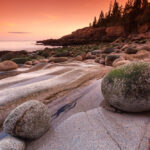

Essential Equipment for Coastal Photography
Coastal photography demands specialized equipment to capture stunning landscapes and seascapes effectively. A sturdy tripod is vital for long exposures, especially during low-light conditions at dawn or dusk. Additionally, a polarizing filter can enhance colors and contrast while reducing glare from the water, making your images pop. Invest in a camera bag that protects your gear from sand and moisture, ensuring you’re ready for any coastal adventure.
The Best Cameras for Capturing Coastal Scenery
Your choice of camera can significantly impact the quality of your coastal photos. Full-frame DSLRs and mirrorless cameras provide exceptional image quality and dynamic range, allowing you to capture intricate details in both shadows and highlights. Popular options include the Canon EOS R5 or the Sony A7 III. These models feature weather sealing, making them suitable for varying coastal conditions, ensuring you don’t miss that perfect shot.
Must-Have Lenses for Various Coastal Shots
A versatile lens arsenal is vital for coastal photography, affecting your composition and creativity. A wide-angle lens such as a 16-35mm is perfect for capturing expansive beach scenes and dramatic skyscapes. A telephoto lens, like a 70-200mm, allows you to isolate details in distant islands or waves crashing against rocks. Additionally, having a fast prime lens can be beneficial for low-light situations, enabling you to capture beautiful sunsets or dawns along the coast.
Selecting the right lenses for coastal photography amplifies your storytelling ability. A wide-angle lens not only encompasses vast landscapes but also helps achieve perspective by showcasing the foreground elements, such as sand dunes or rocks, against the background horizon. Conversely, the telephoto lens can bring distant subjects closer, isolating interesting details that would otherwise go unnoticed. For unique compositions, consider specialty lenses like fish-eye or macro to add artistic flair, allowing your audience to explore the coast from new angles and depths.
Key Takeaways:
- Research tide schedules for optimal lighting and composition.
- Visit popular spots during off-peak hours for fewer distractions.
- Utilize golden hour for enhanced colors and softer shadows.
- Experiment with varying angles and perspectives for unique shots.
- Incorporate foreground elements to add depth to photos.
- Be mindful of weather conditions for dramatic skies and sea effects.
- Bring necessary equipment, including filters and a sturdy tripod.

Optimal Timing: When to Shoot Coastal Photography
Timing significantly influences the quality of your coastal photography. Shoot during times when the light is best for your desired effect and composition. Planning your outings around tidal schedules can enhance your photos, as low tides reveal dramatic coastlines and unique features often hidden at high tide. Aim for weekdays to dodge crowds and capture the serene beauty of your locations, enhancing the overall impact of your images.
Golden Hours: The Magic of Sunrise and Sunset
Golden hours, occurring shortly after sunrise and just before sunset, offer soft, warm light that beautifully illuminates coastal scenery. This natural lighting enriches colors, enhances shadows, and creates a mesmerizing atmosphere in your photographs. The horizon glows with orange and pink hues, bringing out the textures of waves and rocks, making these moments irresistible for capturing stunning coastal shots.
Weather Conditions That Enhance Coastal Images
Various weather conditions can elevate your coastal photography. Overcast skies provide even lighting, reducing harsh shadows while ensuring that colors pop. Misty mornings create ethereal atmospheres, allowing you to capture dreamy images. Additionally, stormy weather can add drama with turbulent waves and dramatic skies, perfect for intense, powerful coastal scenes.
Cloud cover particularly enhances the visual experience by acting as a natural diffuser, minimizing direct sunlight’s harsh effects. On overcast days, colors become saturated and vivid, revealing intricate details of coastal landscapes. Look for dynamic weather: stormy conditions yield breathtaking shots of crashing waves and moody skies, while tranquil moments after a rain can result in reflective surfaces that enrich your composition. Always be prepared, as weather varies greatly and can quickly reinvent a familiar coastal scene, presenting new opportunities for remarkable photography.

Secret Locations: Unveiling Coastal Photography Gems
You’ll uncover hidden treasures by venturing beyond popular coastal spots. Tucked away from the crowds, these secret locations offer unique perspectives and unforgettable scenes, ideal for creating captivating photographs that stand out. Locations like the enchanting Cove Beach in New Jersey and the secluded Tunnels Beach in Kauai invite exploration, revealing dramatic rock formations, untouched sands, and alluring sunsets that can’t be found in guidebooks.
Off-the-Beaten-Path Beaches Worth Exploring
Discover charming beaches like Mauritius’ Gris Gris Beach and the pristine shores of North Carolina’s Pigeon Point. These lesser-known coastal enclaves feature golden sand, stunning backdrops, and inviting waves, all while offering a sense of tranquility and isolation that popular beaches often lack. Pack your gear to capture the natural beauty and unique rock formations that these hidden gems provide.
Coastal Cliffs and Lookouts with Stunning Views
Many coastal cliffs offer breathtaking panoramas that are a photographer’s dream. Head to the Devil’s Punchbowl in Oregon or the dramatic cliffs of Big Sur in California. These vantage points provide unparalleled vantage points for capturing waves crashing against rocks, vibrant sunsets, and expansive ocean views, ensuring your photos are as compelling as the scenery you experience.
Exploring coastal cliffs and lookouts can reward you with awe-inspiring vistas. At Thor’s Well in Oregon, plan visits during high tide for striking water spouts and swirling tides. Similarly, the Cliffs of Moher in Ireland provide breathtaking views of the Atlantic Ocean, with heights exceeding 700 feet. Use wide-angle lenses to encapsulate the scale and beauty, capturing dramatic skies and vibrant coastal flora along the cliff’s edge. Always stay safe by keeping a respectful distance from cliff faces while framing those picture-perfect moments.
Techniques for Impressive Coastal Compositions
Capturing stunning coastal images requires a blend of artistry and technique. You can enhance your compositions by focusing on principles such as the rule of thirds, leading lines, and framing. Each shot benefits from experimentation; try different angles, perspectives, and focal lengths to uncover unique visuals. Timing is just as vital—shoot during golden hours for soft lighting, and never hesitate to revisit locations to capture changing conditions that enhance your artistry.
Mastering Long Exposures for Ocean Waves
Long exposure photography transforms turbulent ocean waves into smooth, ethereal water. You can achieve this by using a neutral density filter to reduce light entering the lens, allowing you to extend exposure times between 1 to 30 seconds. This technique blends motion beautifully, creating dreamlike seascapes where you capture the ocean’s dynamic beauty and reflect its energy.
Utilizing Foreground Elements to Create Depth
Including foreground elements in your coastal shots significantly enhances depth and context. Objects such as rocks, driftwood, or seaweed draw the viewer’s eye into the frame, creating a sense of scale and inviting engagement with the scene. Position these elements strategically along a third of your frame to lead viewers toward the horizon, producing an immersive experience and emphasizing the vastness of the ocean beyond.
Consider placing a large, textured rock or a patch of vibrant seaweed in the foreground while aligning your focus with the waves crashing behind. This juxtaposition highlights the relationship between the land and sea, while establishing a solid foundation for your composition. By capturing details in the foreground, you enrich your images with layers that tell a story, making them not just photographs, but complete narratives of the coastal environment.

Post-Processing Tips to Elevate Your Coastal Images
Enhancing your coastal photography involves a keen eye during post-processing. Start by adjusting exposure and white balance to create a natural foundation for your images. Utilize software like Lightroom or Photoshop for powerful editing tools. Focus on leveraging filters for a polished look. Consider adding a subtle vignette to draw attention to your subject. Crop effectively to enhance composition. With these tips, your coastal images can transform into stunning visual stories. Recognizing the importance of editing can significantly enhance the impact of your photographs.
Key Editing Techniques for Vibrant Colors
Boosting the vibrancy of your coastal photographs requires deft adjustments. Increase saturation and vibrance judiciously to bring depth to blues and greens without oversaturation. Experimenting with the HSL sliders allows you to fine-tune specific color ranges, ensuring the sky remains striking while maintaining the subtle beauty of coastal elements. Incorporating selective color adjustments leads to more captivating results in your images.
Creating Dramatic Effects: Contrast and Clarity
Utilizing contrast and clarity can significantly enhance the mood of your coastal images. These elements add depth and texture, making the rugged coastline pop against a serene ocean backdrop. Increasing contrast helps define the light and shadow areas, while clarity enhances mid-tone details, adding sharpness to your scene. Aim for a balance that complements your subject without compromising the overall aesthetic.
In practice, adjust contrast and clarity sliders to create depth and visual interest. For example, you might increase contrast in a sunset image to emphasize the vibrant oranges and reds against darker silhouettes. The right contrast can turn an ordinary scene into a visually striking one, while enhanced clarity can highlight unique textures in rocks or sand. Recognizing how these adjustments affect your overall composition allows you to develop a distinctive style in your coastal photography.
Success Stories: Inspirational Coastal Photographers
Many coastal photographers have transformed the genre through their unique perspectives and artistic approaches. Their journeys illustrate the power of passion and dedication, inspiring countless others. Icons like David Plowden and Chris Burkard capture the raw beauty of coastlines, showcasing the relationship between nature and humanity. Their success stems not only from their technical skills but also from an ability to connect emotionally with their subjects, encouraging you to find your own voice in coastal photography.
Iconic Coastal Shots that Redefined the Genre
Landmark photographs have elevated coastal photography to an art form, with images like Michael Kenna’s minimalist seascapes and Clark Little’s daring shore break shots pushing boundaries. Such visuals, often marked by dramatic lighting and unique compositions, have redefined how you view coastal landscapes. They open your eyes to the intricate details and vastness of the ocean, reminding you that every shot can tell a story.
Interviews with Experts on Their Favorite Locations
Insights from seasoned coastal photographers reveal favorite shooting locations that blend natural beauty with personal significance. Locations like Big Sur and the Amalfi Coast shine through their tales, each site offering distinctive challenges and rewards. Their experiences emphasize the importance of timing, light, and local knowledge, highlighting how each location can yield stunning results when approached thoughtfully.
Diving deeper into expert interviews, you’ll discover nuanced preferences that shape their photographic choices. For instance, Michael Shainblum discusses his admiration for Oregon’s coastline, where fog creates enchanting atmospheres that enhance mood. Meanwhile, Elia Locardi shares insights on the vibrant colors of Portugal’s coast, emphasizing how each location’s seasonality influences your approach. Their stories not only provide inspiration but also practical tips for capturing breathtaking coastal images yourself.
Final Words
Conclusively, as you explore the breathtaking coastal photography spots outlined in this guide, apply the tips provided to enhance your skills and creativity. By understanding the unique characteristics of each location, the best times to shoot, and the key techniques to employ, you will capture stunning images that reflect the beauty of coastal landscapes. Whether you are a novice or seasoned photographer, these insights will enable you to create compelling visuals that resonate with viewers. Embrace your journey and let each photograph tell a story of nature’s magnificence.
FAQ
Q: What equipment is recommended for coastal photography?
A: A DSLR or mirrorless camera with interchangeable lenses is ideal. Wide-angle lenses (16-35mm) capture expansive vistas, while telephoto lenses (70-200mm) highlight distant subjects. A tripod, neutral density filters, and a polarizer enhance image quality.
Q: What time of day is best for coastal photography?
A: Golden hour, shortly after sunrise and before sunset, provides soft, warm light. Blue hour, just before sunrise or after sunset, offers a cooler tone ideal for capturing dramatic coastal scenes.
Q: How can I find the best coastal photography spots?
A: Research online through photography blogs, Instagram, and local travel guides. Use map apps to explore coastal areas, and visit during varying tides to discover unique locations.
Q: What composition techniques should I use for coastal photography?
A: Utilize the rule of thirds to balance elements. Leading lines, such as shorelines or trails, can guide the viewer’s eye. Experiment with foreground interest to create depth in your images.
Q: How can I capture motion in waves and water effectively?
A: Use a slower shutter speed to create a smooth, silky effect on water. Alternatively, a fast shutter speed freezes action for a dramatic look. Experiment with varying speeds depending on the desired outcome.
Q: What type of lighting conditions are ideal for coastal photography?
A: Overcast days provide soft, even lighting, which is excellent for colors and details. Dynamic weather, like storms or fog, can add mood and drama to coastal shots, enhancing their visual appeal.
Q: How do I protect my gear while shooting at the coast?
A: Use weather-sealed equipment or protect your camera with rain covers. Avoid direct contact with saltwater, and keep a microfiber cloth handy to clean lenses and filters after exposure to moisture.