
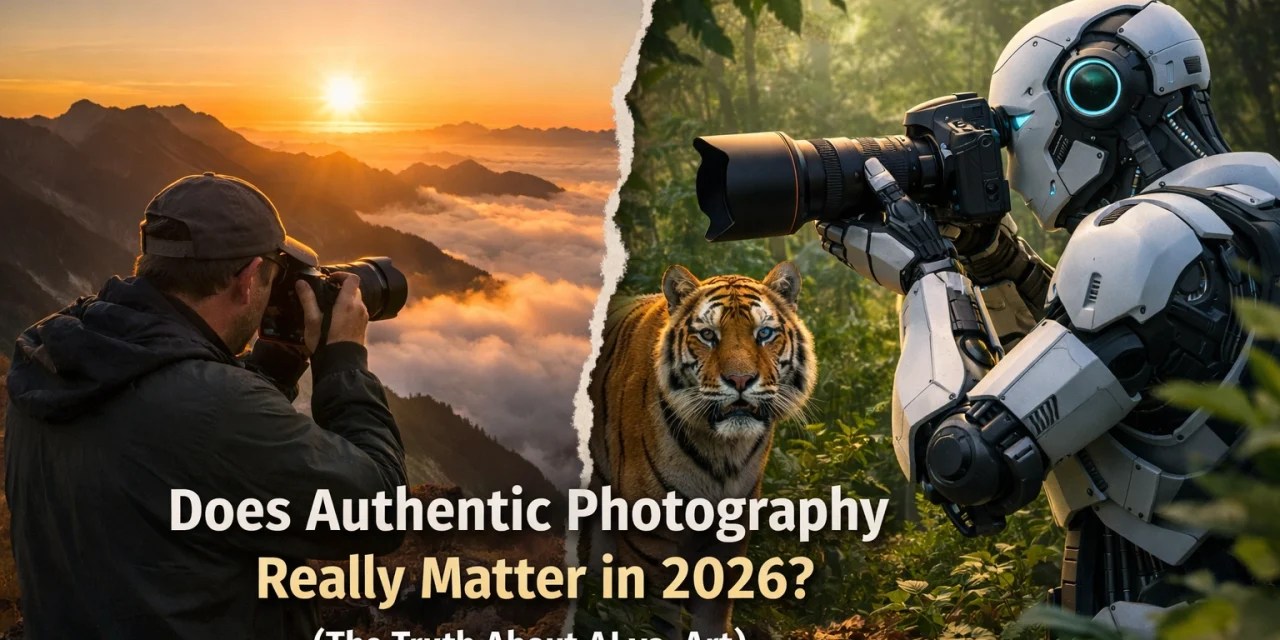
It’s Thursday morning, March 2026. You’re scrolling through your feed, and you see a sunset that looks too perfect to be true. The colors are impossible, the composition is mathematically flawless, and the lighting hits every leaf on every tree with divine precision.
Your first thought isn't "Wow, what a great shot." It’s "Is that real?"
We’ve officially hit the era of "Generative Fatigue." In a world where anyone can prompt a masterpiece into existence in six seconds, the photography landscape has shifted dramatically. At Photoguides, we’ve spent the last few years watching this transition, and the verdict is in: Authentic photography doesn’t just matter in 2026: it’s the most valuable currency we have left.
The Verification Revolution: Why "Proof" is the New Pixel Count
Remember when we used to argue about megapixels and sensor size? In 2026, the conversation has moved to something much more fundamental: Provenance.
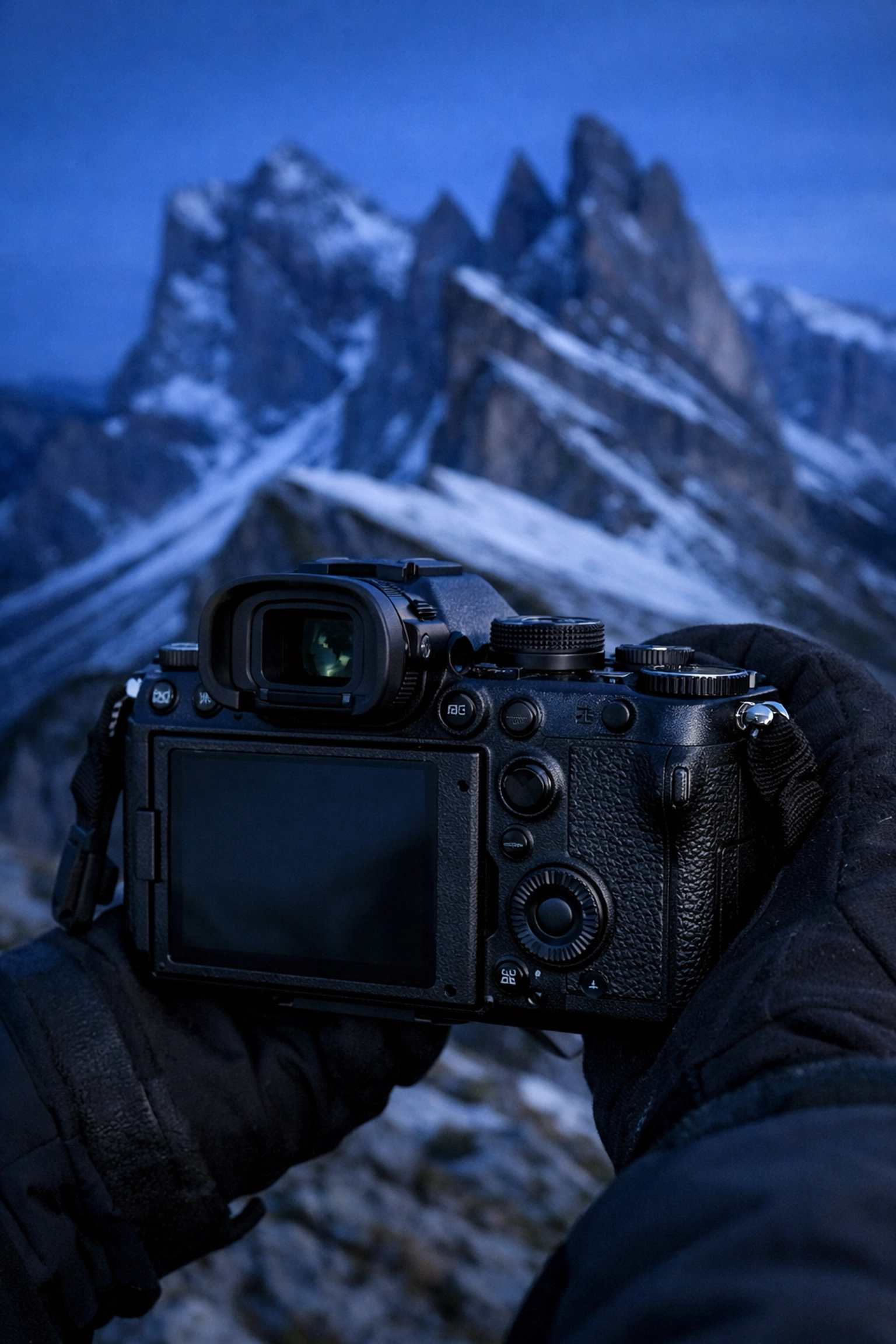
For the professional photographer, the game has changed from "how good is the photo?" to "can you prove you were there?" We’re seeing a massive shift toward C2PA (Coalition for Content Provenance and Authenticity) standards. High-end cameras now come with "digital birth certificates" baked into the metadata, cryptographically signing every frame the moment the shutter clicks.
This isn't just for tech geeks. In the commercial world, authenticity has moved from a vibe to a contractual requirement. Major brands are now requiring photographers to provide "unbroken chains of provenance" to ensure their marketing assets aren't hallucinated by an algorithm. If you’re looking to upgrade your kit to stay ahead of these trends, checking out the latest essential photography gear is a great place to start.
The Aesthetic of Imperfection
One of the most fascinating trends we’ve seen at Shut Your Aperture is the "Retreat from Perfection." For a decade, we chased the sharpest lenses and the cleanest sensors. But in 2026, AI does "perfect" better than any human can.
The result? A massive resurgence in what we call "Human-Centric Imagery."
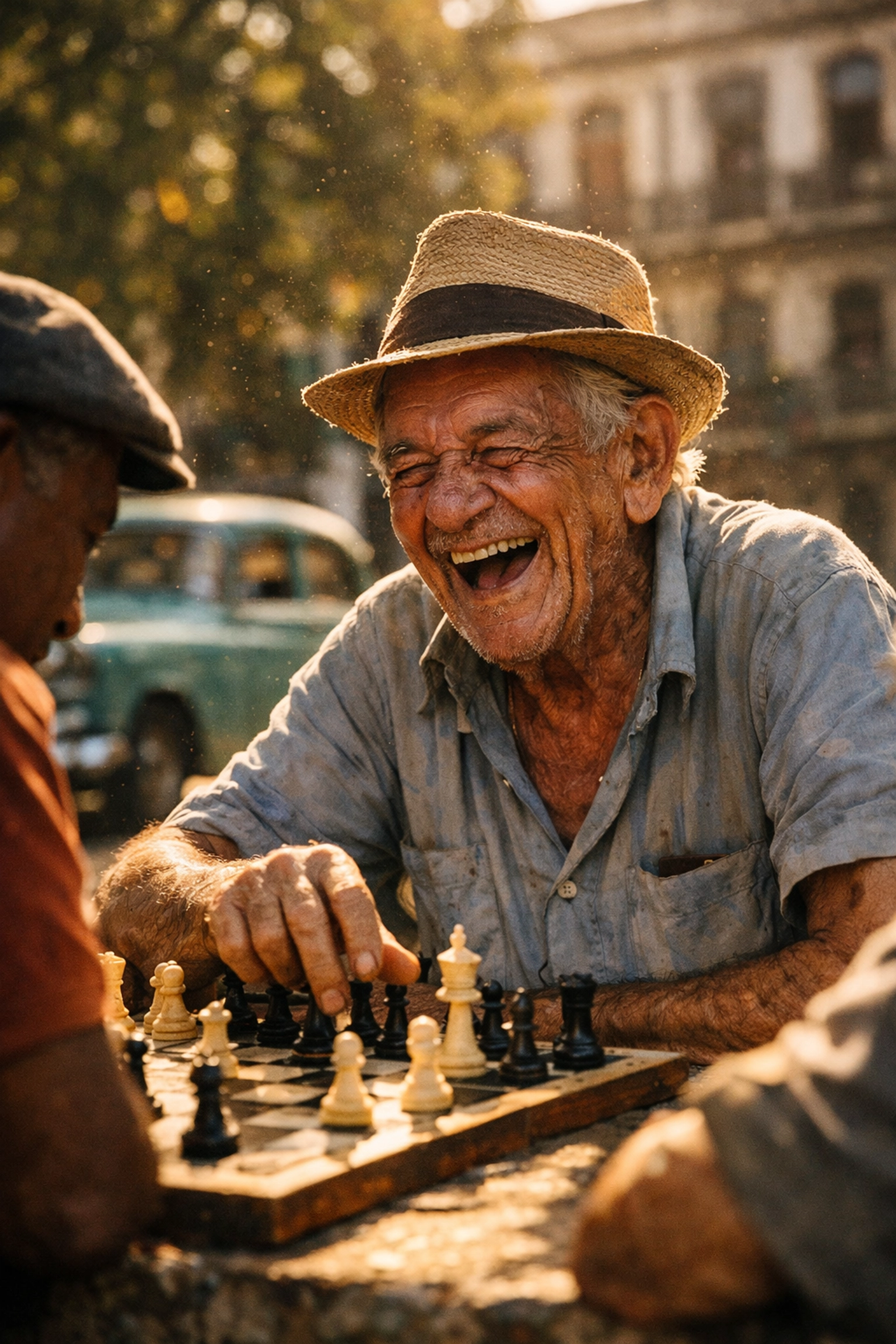
People are craving the "happy accidents" that AI still struggles to replicate: the slight motion blur in a candid street shot, the lens flare that washes out a corner of the frame, or the genuine, unposed laugh that hasn't been "beautified" by a filter. This is why film photography hasn't just survived; it’s thriving. The physical limitations of film provide a tangible proof of existence that digital pixels sometimes lack.
If you’re a collector, you’ll notice this shift in the fine art world too. Authentic, limited-edition prints that capture a singular moment in time are seeing a huge spike in value. You can see how this translates to physical art over at Edin Fine Art, where the focus remains on the soul of the shot, not the perfection of the pixels.
Travel Photography: Being There is Still 90% of the Job
You might be thinking, "If AI can generate a perfect photo of the Amalfi Coast, why should I go there?"
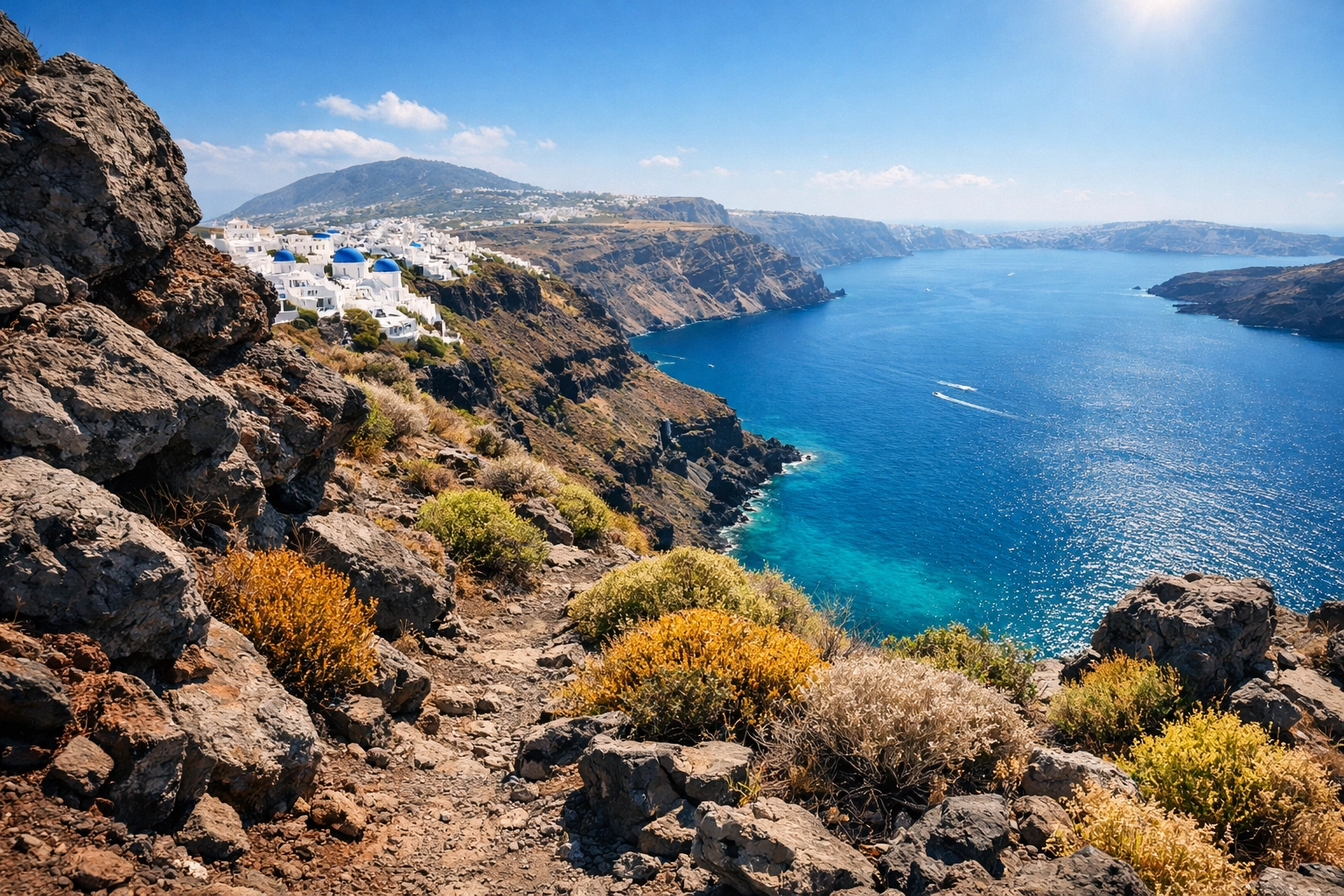
The answer is simple: Travel photography was never just about the image; it was about the story of the journey. In 2026, travel photography tips focus less on technical settings and more on cultural immersion and unique perspectives.
AI can generate a generic view of a landmark, but it can’t capture the way the light hit a specific alleyway in a hidden gem you found while getting lost. It can't capture the sweat, the 4:00 AM wake-up calls, or the connection you made with a local vendor. These stories are what make a photo resonate. Whether you're looking for photo spots near me or planning a global expedition, the value lies in your unique eye.
AI as the Assistant, Not the Artist
Let’s be real: AI isn't the enemy. At Photoguides, we embrace technology that makes our lives easier. In 2026, the best photographers are using AI as a high-powered assistant.
We use it to:
- Automate the boring stuff: Culling 2,000 wedding photos used to take days; now it takes minutes.
- Enhance, not replace: Using AI to subtly clean up noise in a low-light shot while keeping the integrity of the original moment.
- Predictive Planning: Using AI models to predict exactly how the light will hit a specific canyon at 6:42 PM in three weeks.
The key is maintaining the "Human In The Loop." As Edin Chavez often says on his personal blog, the tool doesn’t make the artist; the vision does. We’re moving toward a future where we spend less time behind a computer screen and more time behind the lens, which is a win for everyone.
The Rise of Documentary Style in Commercial Work
Brands have realized that consumers are becoming "AI-literate." They can spot a generated face from a mile away, and it often feels cold or untrustworthy. Consequently, we’re seeing a boom in documentary-style commercial photography.
Instead of highly staged studio shoots, companies are hiring photographers to capture "lived-in" moments. They want the wrinkles, the messy kitchens, and the real-world lighting. This "reassuringly real" aesthetic is what builds trust in 2026. For those working in specific niches, like an Atlanta event photographer, this means focusing on the raw energy of the room rather than just the "hero" shots.
Where Do We Go From Here?
If you’re a photographer worried about your future, don’t be. The "death of photography" has been predicted every time a new technology emerges: from the Kodak Brownie to the smartphone.
What we’re seeing in 2026 is a refinement. The "average" photography is being replaced by AI, but "exceptional" photography: work that carries emotion, intent, and a human pulse: is more valuable than ever.
To stay relevant, focus on these three things:
- Develop your voice: AI can mimic styles, but it can't have a perspective.
- Master the "Un-AI-able": Physical prints, community workshops, and live event coverage are things an algorithm can't replicate.
- Embrace Transparency: Be open about your process. Whether you’re using sky overlays to enhance a mood or keeping it 100% raw, your audience will appreciate the honesty.
Final Thoughts
The truth about AI vs. Art in 2026 is that they aren't actually in competition. They are two different things entirely. AI is a miracle of math and probability; Art is a miracle of human experience and connection.
As long as humans want to feel something when they look at a picture, authentic photography will matter. It’s the difference between a synthetic diamond and one pulled from the earth: one might be more "perfect," but the other has a story, a history, and a soul.
So, grab your camera (maybe one of those new models from 2024 or 2025), get out there, and capture something real. The world is hungry for it.
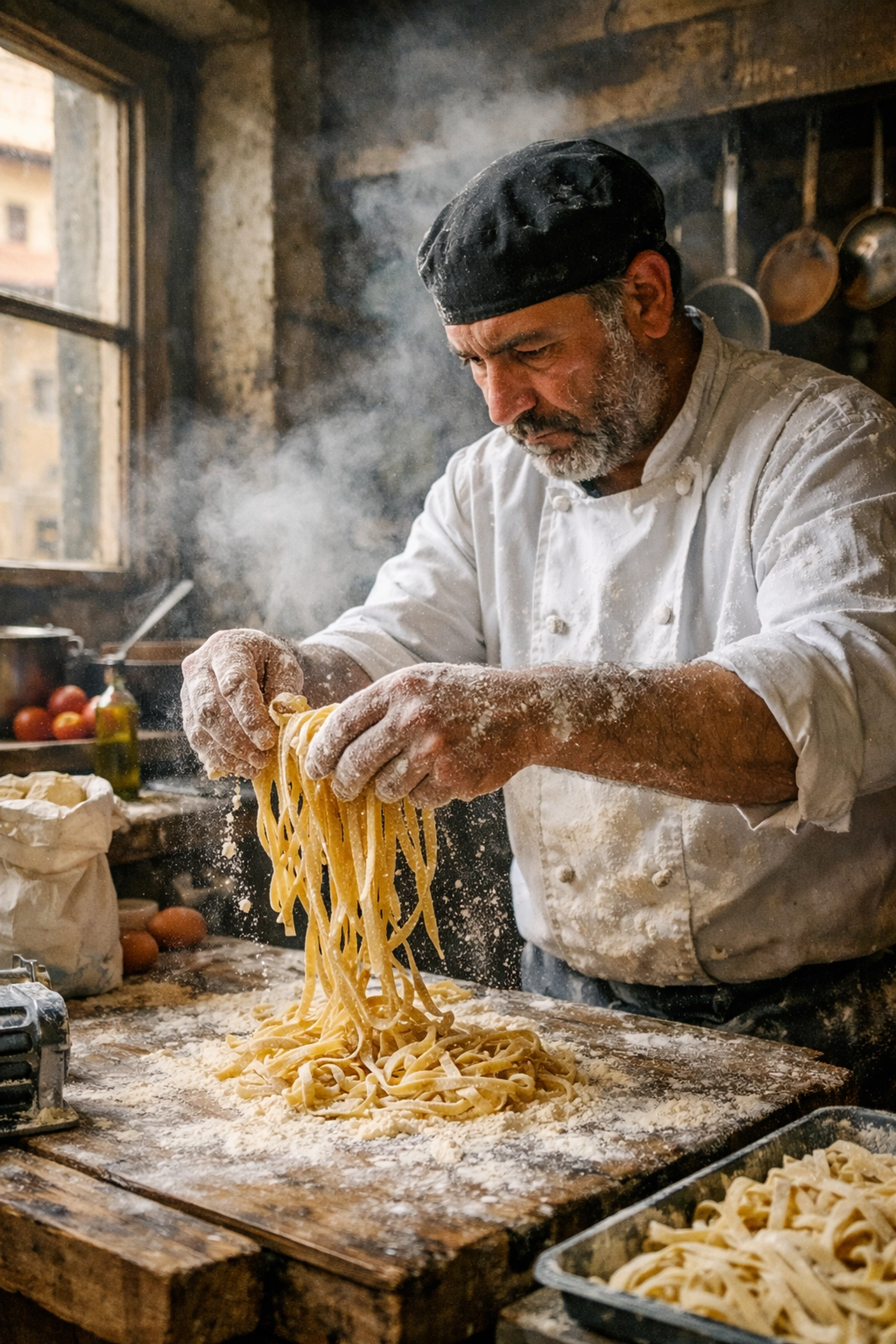
Want to sharpen your skills for the 2026 landscape? Check out our latest educational guides and join a community that values the art of the craft. Whether you're chasing the best photography locations or mastering your iPhone, we're here to help you navigate the future of the lens.













