
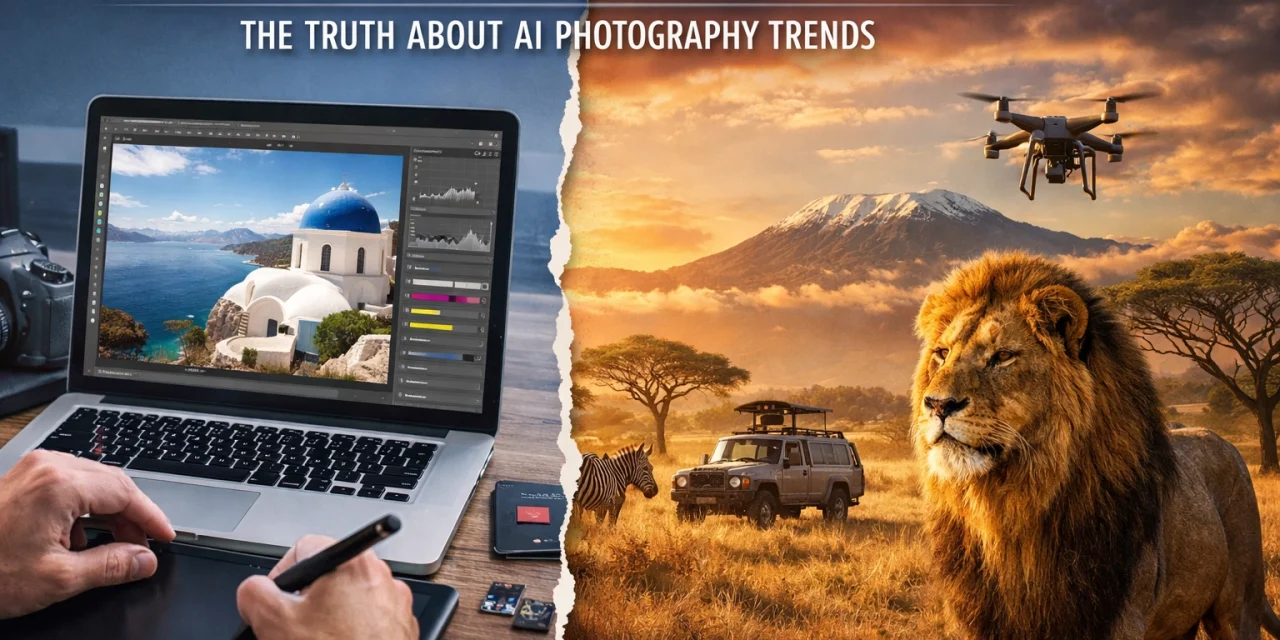
It feels like just yesterday we were debating whether mirrorless cameras would ever truly replace DSLRs. Fast forward to March 2026, and the conversation has shifted entirely. Today, the question isn’t about the hardware in your hand; it’s about the software in your pocket and the "intelligence" behind your editing suite.
The photography world is at a fascinating crossroads. With AI tools now capable of relighting a scene, swapping out entire skies in seconds, and even generating high-resolution details where none existed, many are asking: Does manual editing even matter anymore?
As the CEO of Photoguides, I’ve seen technology move fast, but the soul of a great photograph has stayed remarkably consistent. Let’s dive into the truth about AI photography trends and why your personal touch is more valuable now than ever.
The Shift from Technician to Art Director
Back in 2020, being a professional photographer meant spending 70% of your time as a technician. You’d sit in front of a monitor for hours, painstakingly masking out stray hairs, correcting white balance across three thousand wedding photos, and manually syncing exposure.
In 2026, that "grunt work" is effectively gone. AI tools have matured to the point where they handle the mechanical tasks with near-perfect accuracy. If you’re still manually masking a subject to brighten their eyes, you’re essentially using a typewriter in the age of voice-to-text.
Today, the role of the photographer has evolved into that of an Art Director.
Instead of focusing on how to mask a subject, you’re focusing on why that subject needs more light to tell the story. The mechanical tasks: crop straightening, noise reduction, and basic color balancing: are handled by the machine. This allows you to spend your creative energy on the decisions that actually require a human heart.
Curation: The Human Skill AI Can’t Replicate
If you’ve ever come back from a shoot with 2,000 images, you know that the hardest part isn't the editing: it's the culling.
AI can tell you which images are in focus. It can tell you which ones have "perfect" composition according to the rule of thirds. But AI cannot understand the emotion of a split-second glance between a couple or the narrative weight of a shadow falling across a rugged landscape in one of the best photography locations in the world.
Curation is a distinctly human skill. It requires an understanding of narrative, purpose, and nuance. A technically "imperfect" photo might be the most powerful one in the set because of the feeling it evokes. In 2026, the best photographers are those who use AI to filter out the junk but rely on their own editorial judgment to select the frames that truly speak.
The "Last 10%" Rule
Here is the secret that separates the hobbyists from the pros in the era of AI: The machine gets you to 90%, but the human provides the final 10%.
Modern AI tools, like those integrated into Lightroom and Photoshop, allow edits to appear exactly as if you’d applied them manually. You can still see the sliders, you can still adjust the masks, and you can still change the crops. The AI gives you a world-class starting point, but the "soul" of the image is found in that final 10% of manual refinement.
Maybe you want to push the warmth just a bit further than the AI suggested to match your personal style. Or perhaps you want to keep a "flaw" in the image because it adds character. This is where manual editing still reigns supreme. It’s about creative authority. If you let the AI do 100% of the work, your photos will look like everyone else’s. To stand out, you need to step in.
Future Trends: Authentic Art vs. AI-Generated Imagery
We’ve reached a point where "AI Art" (images generated entirely from prompts) and "Photography" (images captured with a lens) are finally being recognized as two different mediums.
As AI becomes more ubiquitous, there is a massive resurgence in the value of authenticity. People want to know that a photo was taken at a real place, at a real time. This is why travel photography tips and guides to photo spots near me are more popular than ever.
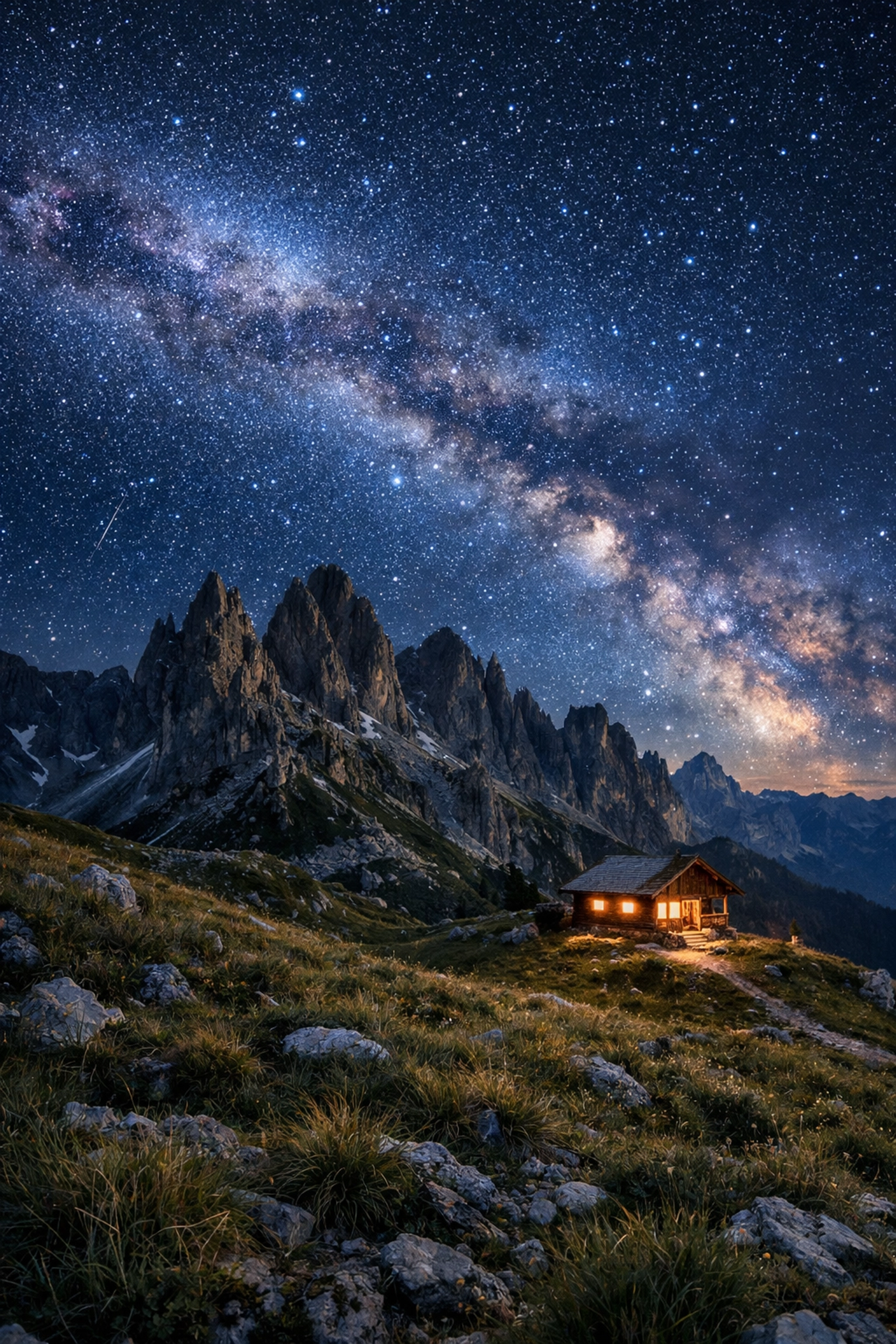
In a world full of "perfect" generated pixels, the grit and reality of a long-exposure shot of the Milky Way or a drone shot of a hidden gem location have become premium assets. We aren't just selling images; we’re selling the fact that we were there.
To keep your work authentic while utilizing modern tech, consider using high-quality sky overlays to enhance what’s already there, rather than replacing reality entirely.
Gear and Technique in 2026
You might think that with all this software, the hardware doesn't matter. The opposite is true. To feed the AI the best possible data, you need high-quality captures. Whether you’re shooting with the latest mirrorless body or mastering iPhone photography for on-the-go content, the principles of light and composition remain the foundation.
Our updated essential photography gear guide for 2026 highlights cameras that integrate seamlessly with cloud-based AI processing. We’re seeing sensors that can capture dynamic range we only dreamed of five years ago, making the manual editing process even more rewarding because the "raw" files contain so much more information.
If you’re looking to upgrade, I highly recommend checking out our latest camera reviews to see how the newest models handle these AI integrations natively.
Practical Tips for Balancing AI and Manual Editing
So, how do you actually work in 2026 without losing your creative edge? Here’s a workflow that keeps you in the driver’s seat:
- AI Culling, Human Selection: Use AI to flag out-of-focus shots and duplicates, but do the final "star rating" yourself.
- Smart Presets: Start with an AI-powered preset that recognizes the subject and the background separately. This saves you from tedious masking.
- The "Vibe Check": After the AI does its thing, step away for five minutes. Come back and look at the image. Does it feel like your work? If not, dive into the manual sliders.
- Preserve the "Mistakes": Sometimes, a bit of lens flare or a slightly tilted horizon adds to the authenticity. Don't let AI "correct" the life out of your photos.
If you’re looking for a change of pace to practice these skills, maybe a cheap weekend getaway is just what you need to find fresh inspiration and new subjects.
The Reassuring Truth
If you’re worried that your skills as an editor are becoming obsolete, take a deep breath.
Technology has always changed the "how" of photography. We moved from chemicals in a darkroom to pixels in Photoshop, and now we’re moving from pixels to neural engines. In every era, the people who succeeded were not the ones who fought the technology, but the ones who used it to amplify their unique vision.
Manual editing in 2026 isn't about the struggle; it’s about the finish. It’s the signature on your painting. It’s the way you communicate your specific view of the world to your audience.
AI is the most powerful brush we’ve ever been given, but you are still the artist holding it.
Whether you’re exploring National Parks or shooting a local wedding, remember that your eyes, your experiences, and your heart are things no algorithm can ever replicate. Use the tools, save your time, and spend that extra freedom doing what we all love most: being behind the lens.
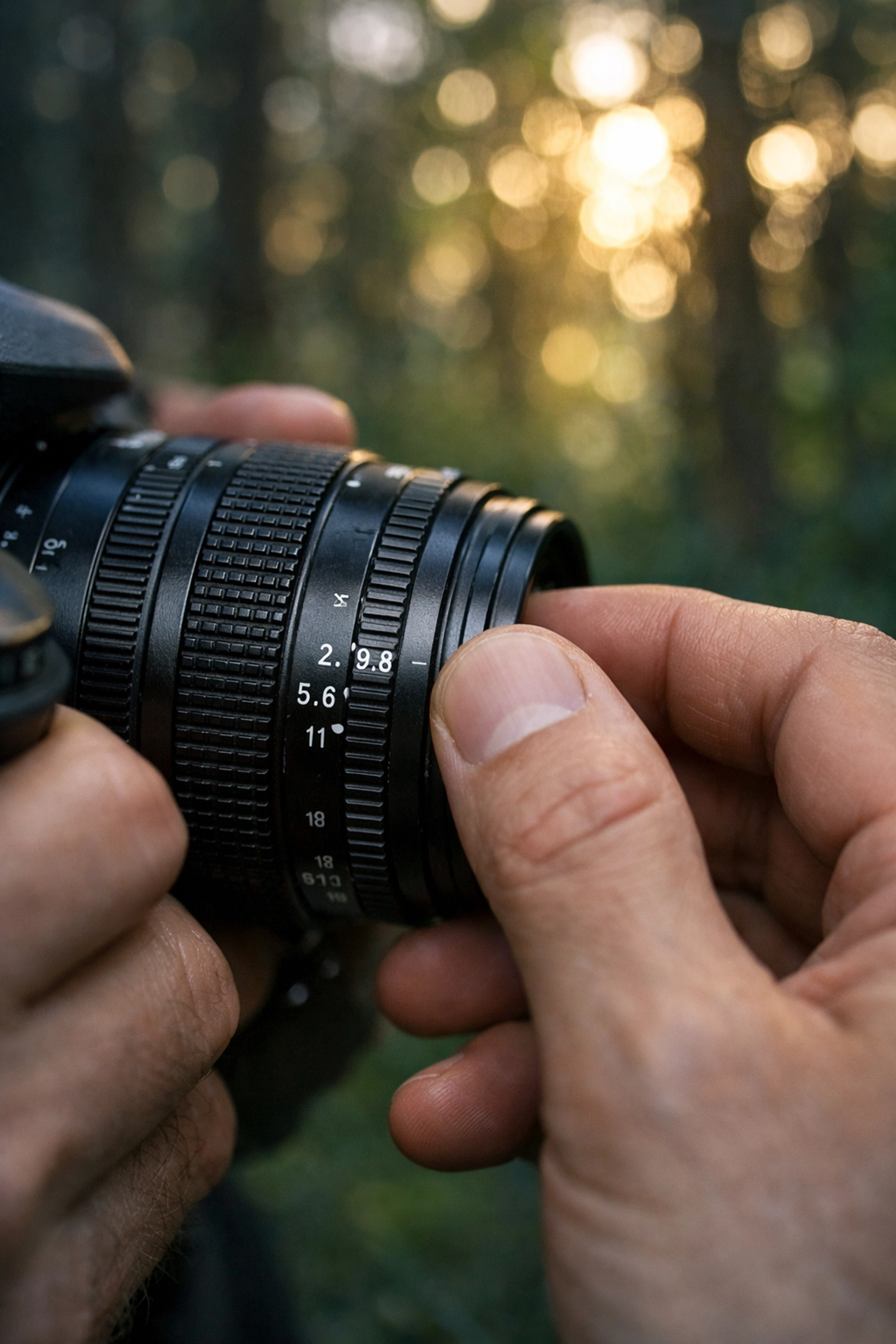
For more insights into the ever-changing world of photography, check out our educational category for the latest tutorials on blending traditional techniques with modern tech. Keep shooting, keep editing, and most importantly, keep making it your own.













