Category: Photo Guides
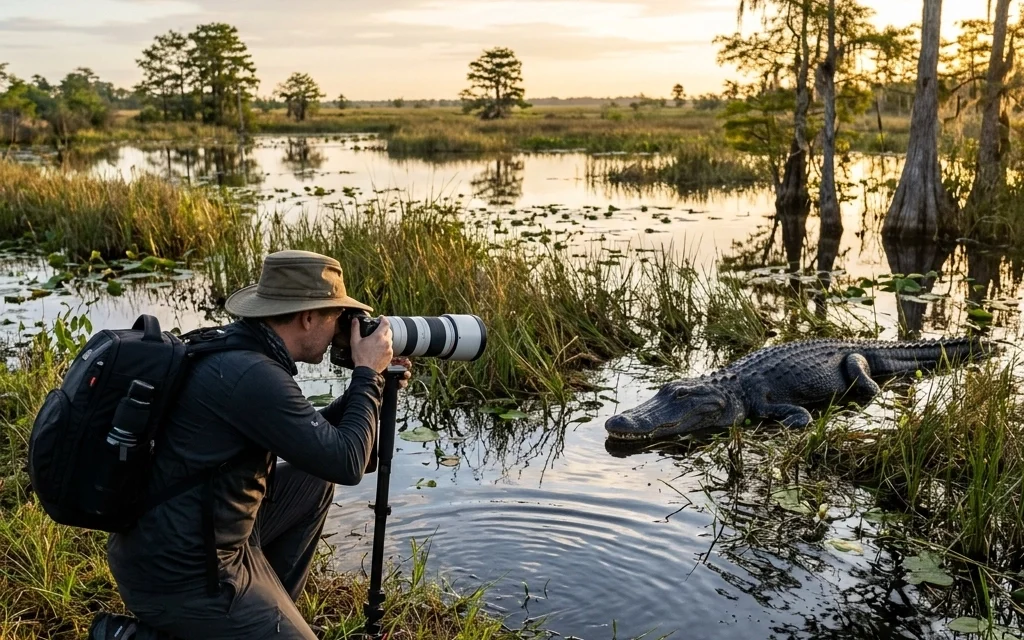
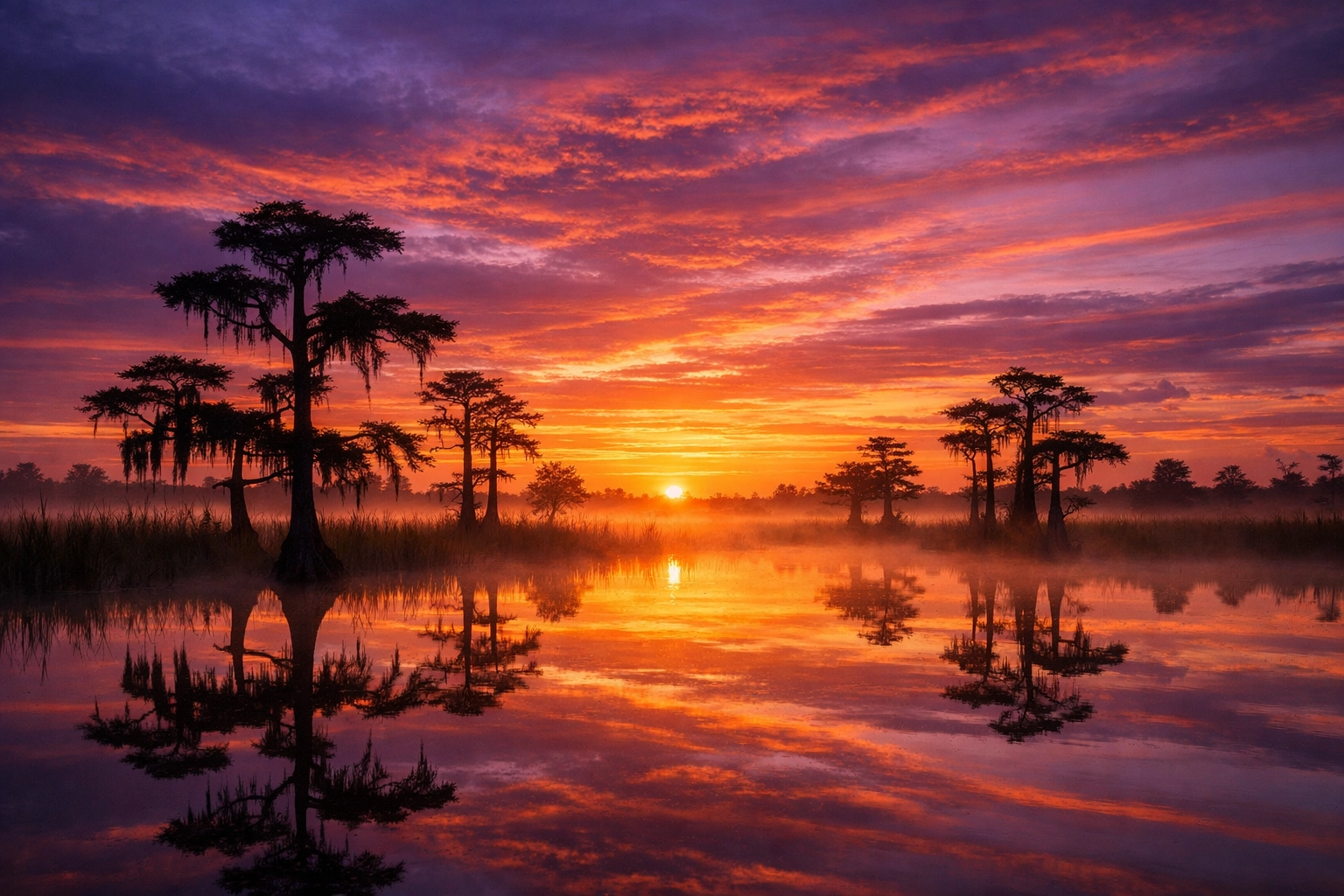
There’s a certain magic that happens when the sun begins to peek over the "River of Grass." The mist clings to the sawgrass, the air is thick with the scent of damp earth, and for a split second, the only sound you hear is the rhythmic "chug-a-lug" of a distant bullfrog. If you’ve ever dreamed of capturing the raw, prehistoric beauty of Florida’s most iconic ecosystem, an Everglades wildlife photography tour is your golden ticket.
But let’s be real for a second: the Everglades can be intimidating. Between the heat, the mosquitoes, and the sheer scale of the 1.5-million-acre park, many beginners feel a bit lost before they even unpack their bags. That’s exactly why I’m here. At Photoguides, we want to make sure your first trip into the swamp is less "survival horror" and more "National Geographic masterpiece."
Whether you’re joining a guided tour or striking out on your own with our Everglades Photography Guide, this 101 guide will give you the confidence to master the swamp.
Why the Everglades is a Beginner’s Paradise
You might think that wildlife photography requires trekking into the deepest, darkest jungles to find a rare leopard. In the Everglades, the wildlife often comes to you. One of the reasons we love this park for beginners is the "accessibility" of the subjects. Many of the birds and alligators near the main visitor centers have grown accustomed to humans, meaning you can get professional-grade shots without needing a $20,000 lens or the stealth skills of a ninja.
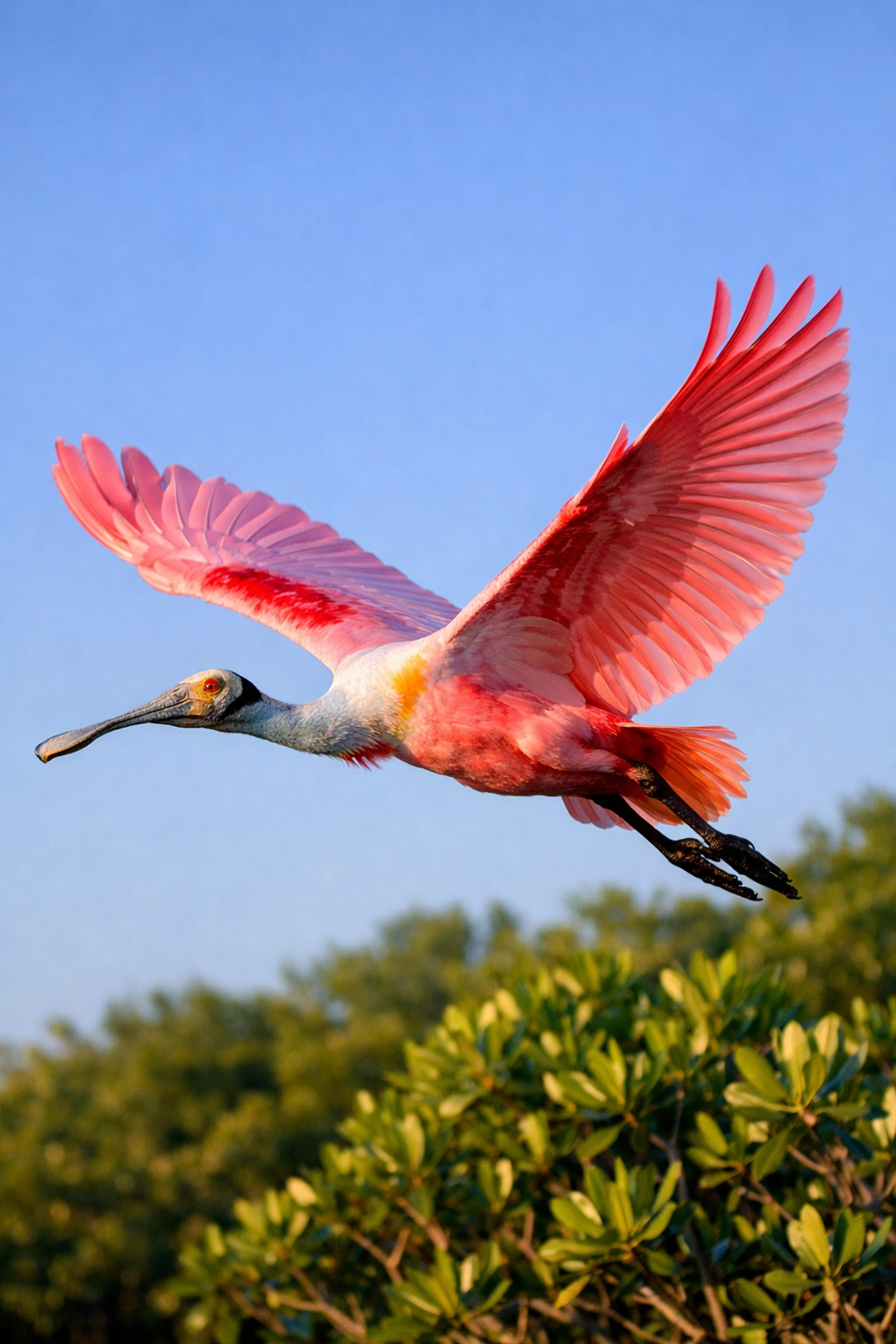
From the vibrant plumage of the Roseate Spoonbill to the cold, calculating gaze of an American Alligator, the variety here is staggering. To see what’s possible when you really master the light in these environments, take a look at some of the fine art pieces over at Edin Fine Art. It shows you just how far you can take these scenes with a bit of practice.
Gear: What You Actually Need (and What You Don't)
When it comes to gear, beginners often make the mistake of overpacking. You don’t need every lens in your cabinet. In fact, carrying too much weight on a humid Florida afternoon is a one-way ticket to exhaustion.
The "Long" and the Short of It
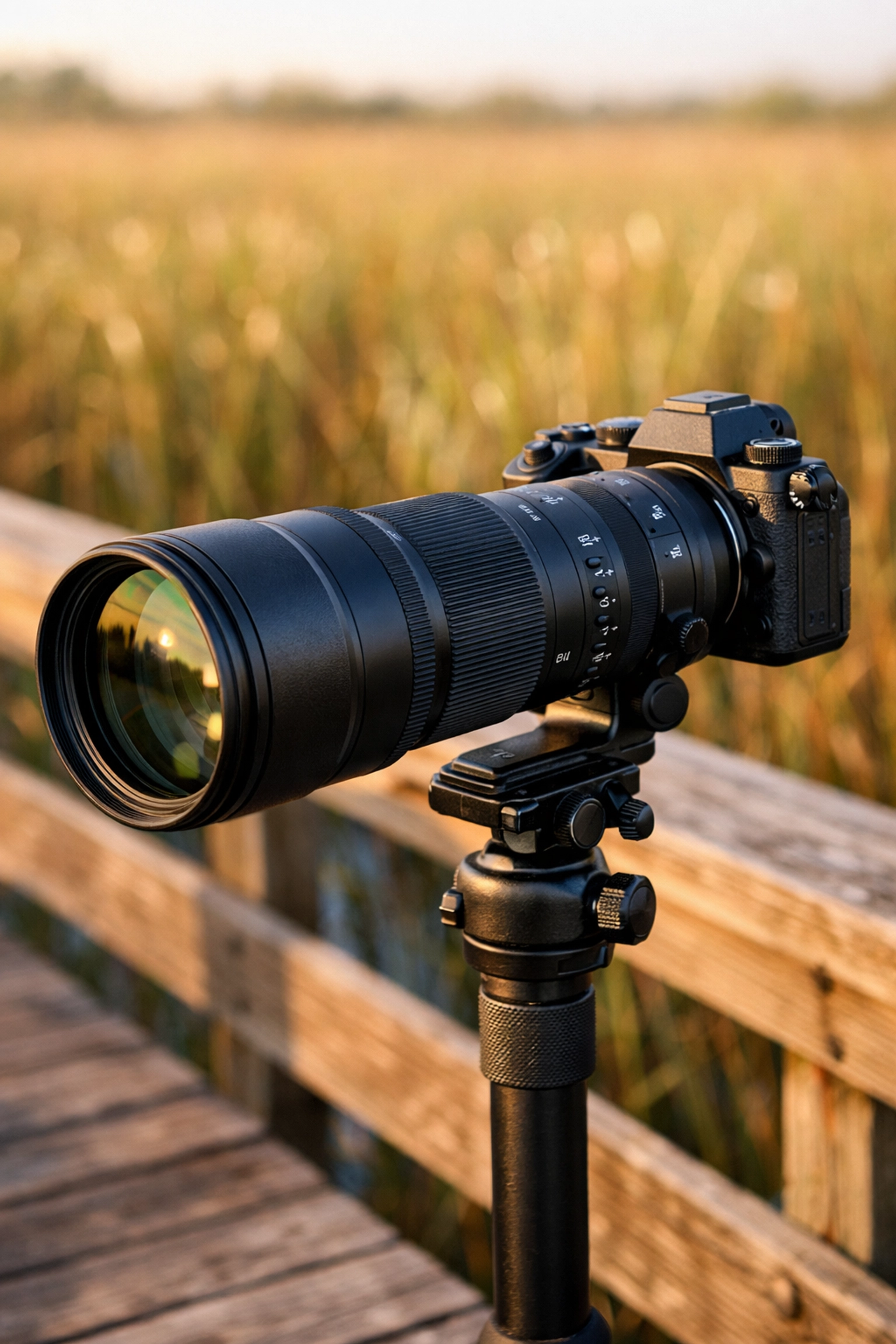
For wildlife, "reach" is king. You’ll want a telephoto lens that gets you at least to 300mm. If you’re looking for a solid recommendation, a 150-600mm zoom lens is a fantastic, versatile choice for the Everglades. It allows you to frame a tight portrait of a Great Blue Heron and then quickly zoom out to capture an alligator sliding into the water.
Don't forget a wide-angle lens (something like a 16-35mm) for those epic sunset landscapes. If you're wondering about the latest tech to pair with your lenses, check out our camera reviews 2024 to see what’s currently leading the pack.
Support and Protection
Skip the heavy tripod if you’re planning on walking the boardwalks. They’re cumbersome and can get in the way of other visitors. Instead, a sturdy monopod is your best friend. It gives you the stability you need for those heavy lenses while remaining mobile.
Also, remember that the Everglades is basically one giant humidity machine. Investing in a simple rain cover for your camera is non-negotiable. For more ideas on how to round out your kit, our list of essential photography gear covers the basics every outdoor photographer should have.
Top Locations for Your First Tour
If you’re just starting out, you don’t need to hire a private airboat to find the "secret spots." Some of the best photography in the world happens right off the main road.
The Anhinga Trail (Royal Palm)
This is the "training wheels" of Everglades photography, but even the pros spend hours here. Located near the Homestead entrance, this trail features a boardwalk over a sawgrass marsh. The animals here: Anhingas, Herons, Egrets, and Alligators: are famously tame. It’s the perfect place to practice your focus tracking and composition without the stress of the animals flying away the second you point your lens at them.
Shark Valley
If you want to see alligators in numbers that seem almost unbelievable, Shark Valley is the spot. You can walk, bike, or take the tram along the 15-mile loop. The observation tower at the end offers a panoramic view of the Glades that is perfect for landscape shots.
For more tips on how to plan your visit and where to stay nearby, check out our travel section for broader Florida travel advice.
Mastering the Technical Side
Capturing a bird in flight or the texture of a crocodile’s scales requires a few technical tweaks to your usual shooting style.
- Fast Shutter Speeds: Birds move faster than you think. To freeze the action of a landing Egret, keep your shutter speed at 1/1000s or higher.
- Focus on the Eye: This is the golden rule of wildlife photography. If the eye isn't sharp, the photo won't resonate. Most modern cameras have "Animal Eye-AF": make sure it’s turned on!
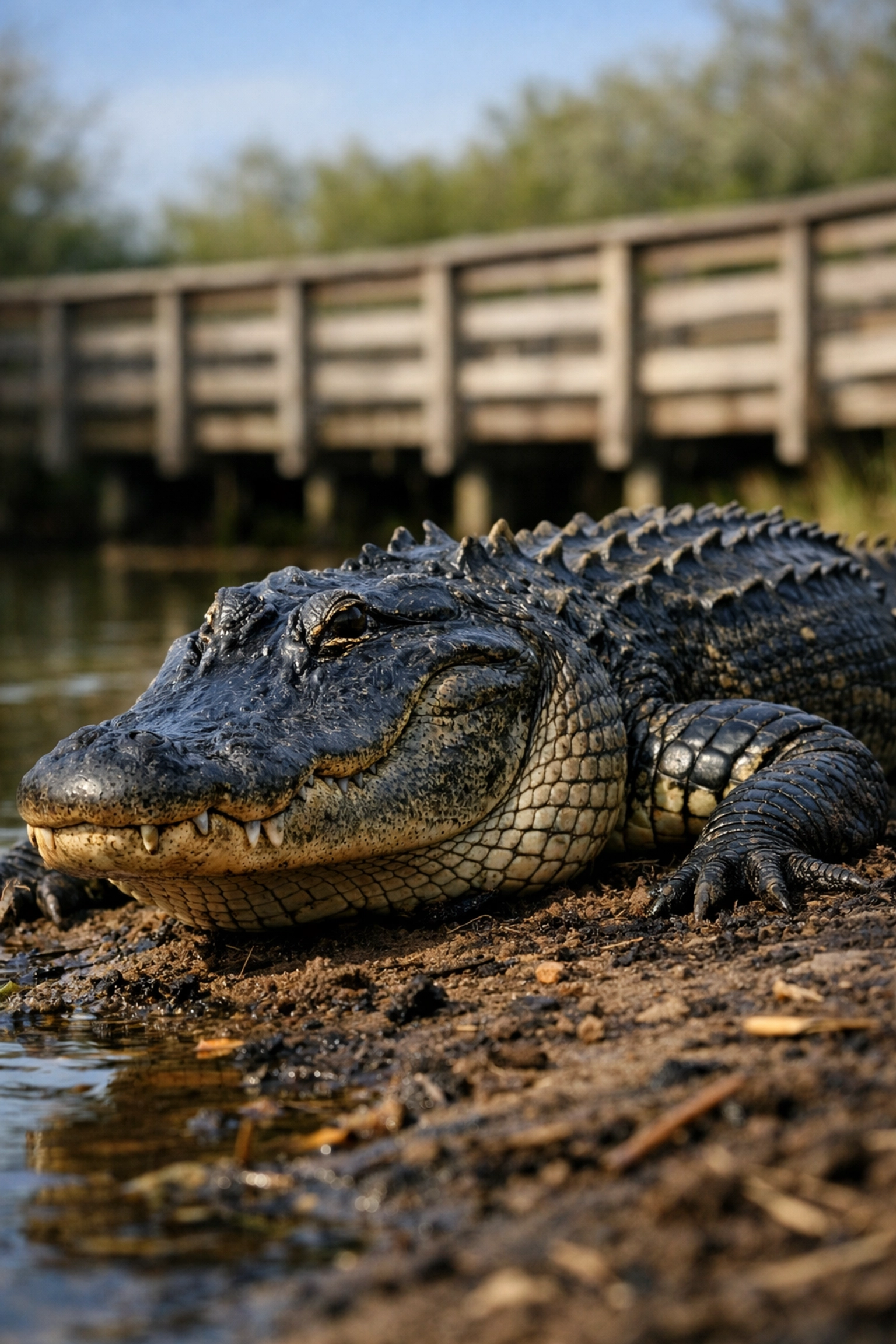
- The Low-Angle Secret: Most beginners shoot from eye level (their own eye level). This results in a "looking down" perspective that feels like a snapshot. If you want your photos to look professional, get down low. Shooting from the animal’s eye level creates an intimate connection and makes the background blur (bokeh) look much smoother.
The Secret Ingredient: Timing and Light
You can have the best gear in the world, but if you’re shooting at noon in the Everglades, your photos will likely look flat and harsh. The "Golden Hour": the hour after sunrise and before sunset: is when the magic happens.
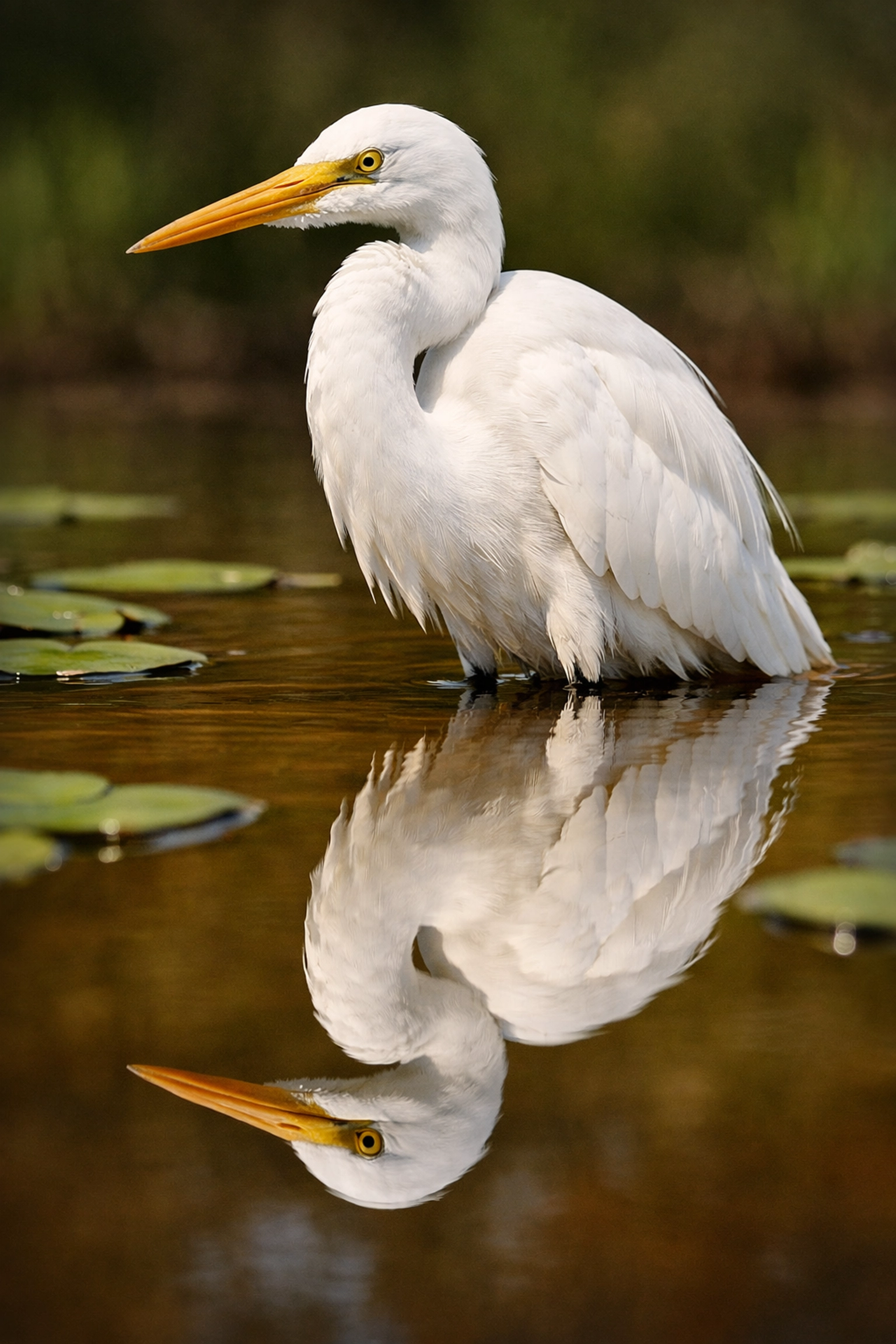
In the morning, the light is soft and warm, highlighting the intricate details of feathers and reflecting beautifully off the water. This is also when the wildlife is most active. Wading birds are hunting for breakfast, and alligators are moving to their favorite sunning spots.
If you want the full breakdown of exactly where to be and at what time for the best light, our Everglades Photography Guide provides GPS coordinates and seasonal timing that we’ve perfected over years of shooting in the swamp.
Respecting the Swamp
We can't talk about the Everglades without mentioning ethics. No shot is worth stressing an animal or damaging the environment. Always maintain a respectful distance (at least 15-20 feet for alligators and even more for nesting birds).
Being a part of a community like Shut Your Aperture is a great way to learn from other photographers who value conservation as much as the craft itself. Sharing tips on how to get the shot without disturbing the habitat is what makes the photography community so great.
Making the Most of Your Tour
If you’re booking a photography-specific tour, don’t be afraid to ask your guide questions! They know the behavior of the local animals better than anyone. They can often predict when a bird is about to take flight or where a particular owl likes to roost.
If you are looking for more general advice on how to handle the logistics of a trip like this, check out our page on the photography booking experience to understand what to look for in a professional guide.
Level Up Your Everglades Game
The Everglades is a place of endless discovery. Every time I go back, I see something new: a rare snail kite, a bobcat crossing the road, or a sky so purple it doesn't look real.
But I know how frustrating it is to spend a whole day in the heat and come home with blurry, uninspired photos. That’s why we created the Everglades Photography Guide. It’s designed to be the mentor you have in your pocket, guiding you to the right spots at the right times so you can focus on what matters: the art.
For more inspiration, tutorials, and deep dives into the world of photography, be sure to visit the Photoguides blog. We’re constantly updating our content to help you become the photographer you’ve always wanted to be.
Ready to Brave the Marsh?
Wildlife photography in the Everglades is more than just a hobby; it’s an experience that connects you to the natural world in a profound way. It teaches you patience, observation, and respect for the wild.
So, grab your long lens, pack your bug spray, and get ready to capture the prehistoric beauty of the swamp. And remember, the best way to ensure you come home with the shots of a lifetime is to go in prepared. Grab your copy of the Everglades Photography Guide today and let's go make some art!