
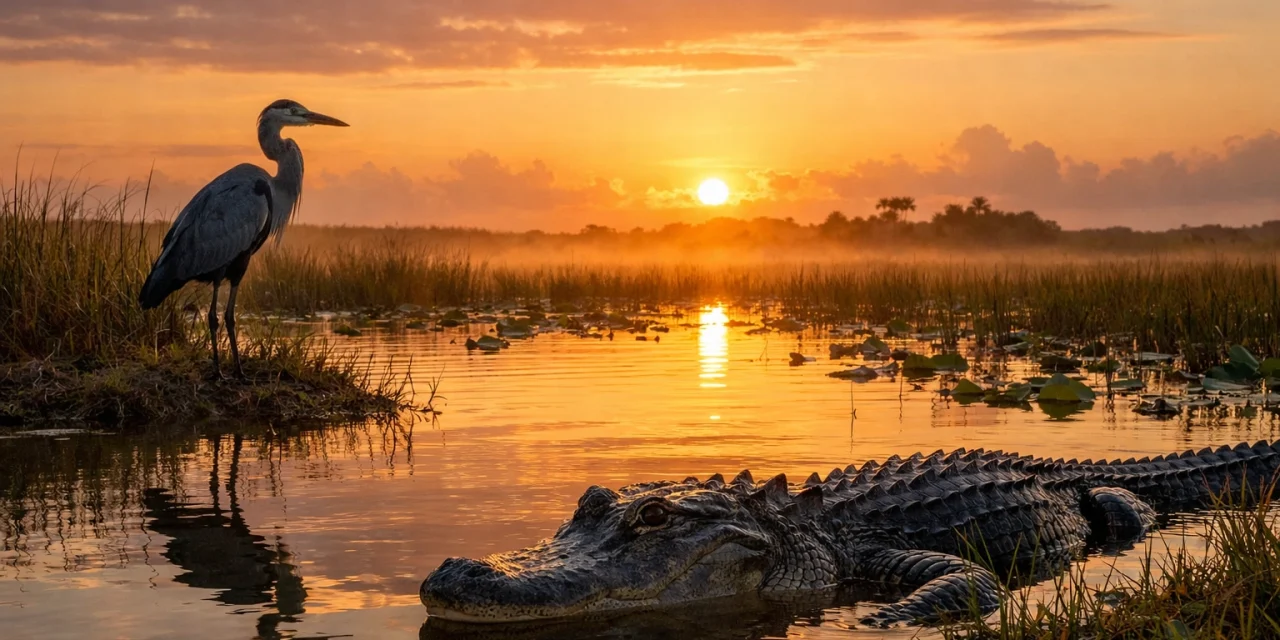
Hey there! Edin Chavez here. If you’ve ever stood on the edge of a sawgrass prairie as the sun begins to peek over the horizon, you know there’s something almost prehistoric about the Everglades. It’s a place where time seems to slow down, and for us photographers, it’s basically a playground of endless possibilities.
Whether you’re a seasoned pro or just getting started with your first mirrorless camera, the Everglades can be a bit intimidating. It’s huge, it’s humid, and yes, there are things with big teeth living in the water. But don't worry: I’ve spent years navigating these wetlands, and I’m here to tell you that with a little bit of planning, you can walk away with some of the most stunning images of your career.
In this post, I’m sharing 10 Everglades photography ideas that you absolutely cannot miss. And if you really want to skip the trial and error, you should definitely check out our Everglades Photography Guide to get the inside scoop on exactly where and when to go.
1. Catch the First Light at Pahayokee Road
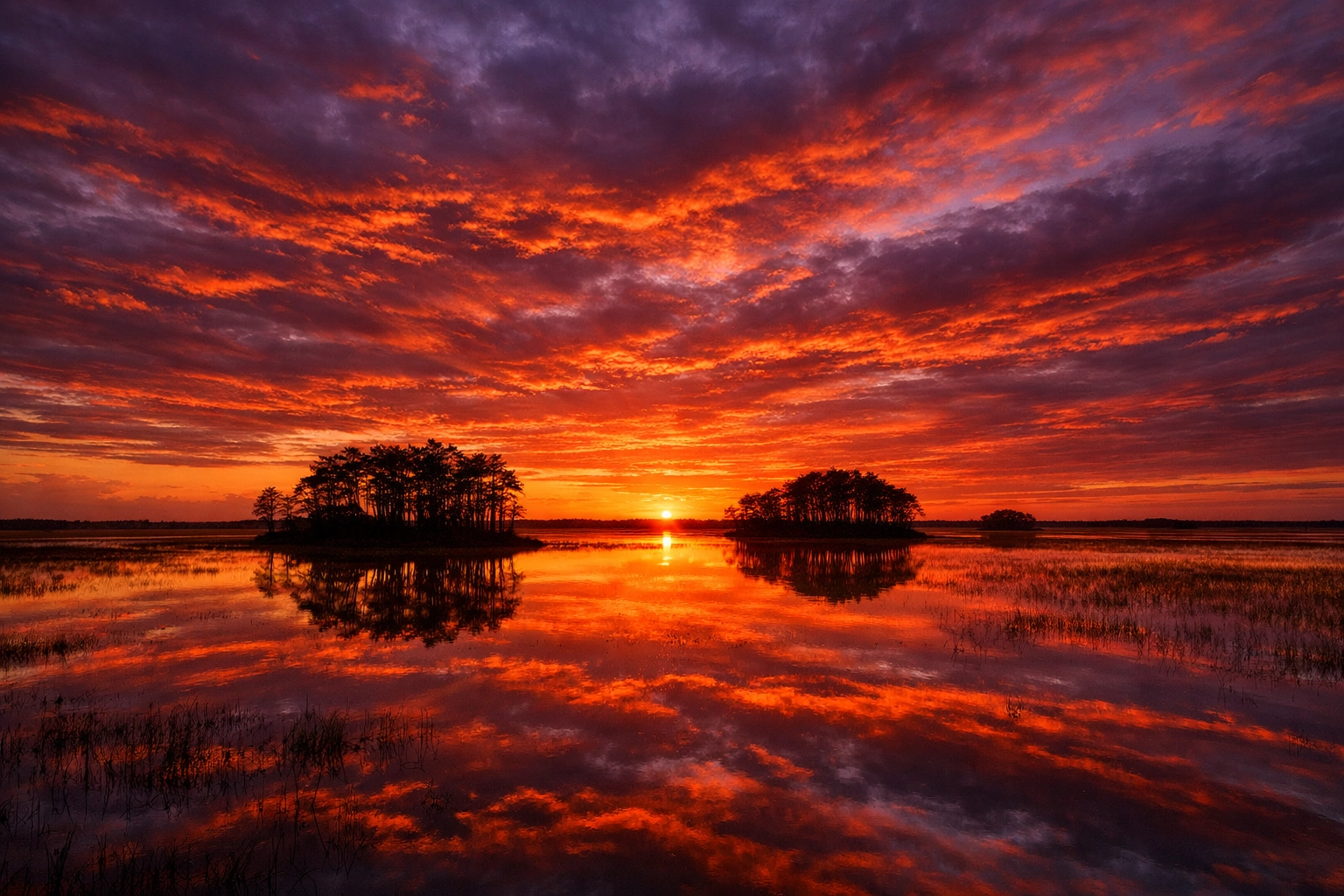
If you only have one sunrise in the park, make it Pahayokee. This is one of my favorite spots because it offers an elevated view of the "River of Grass." As the sun rises in the east, the scattered cypress trees become beautiful silhouettes against a sky that often turns vibrant shades of orange and pink.
Pro tip: Don’t just stay on the boardwalk. If the water levels allow and you’re feeling adventurous, wade a little into the sawgrass near the main road to get a lower perspective. Just keep an eye out for your surroundings!
2. Get Eye-Level with Wading Birds at Mrazek Pond
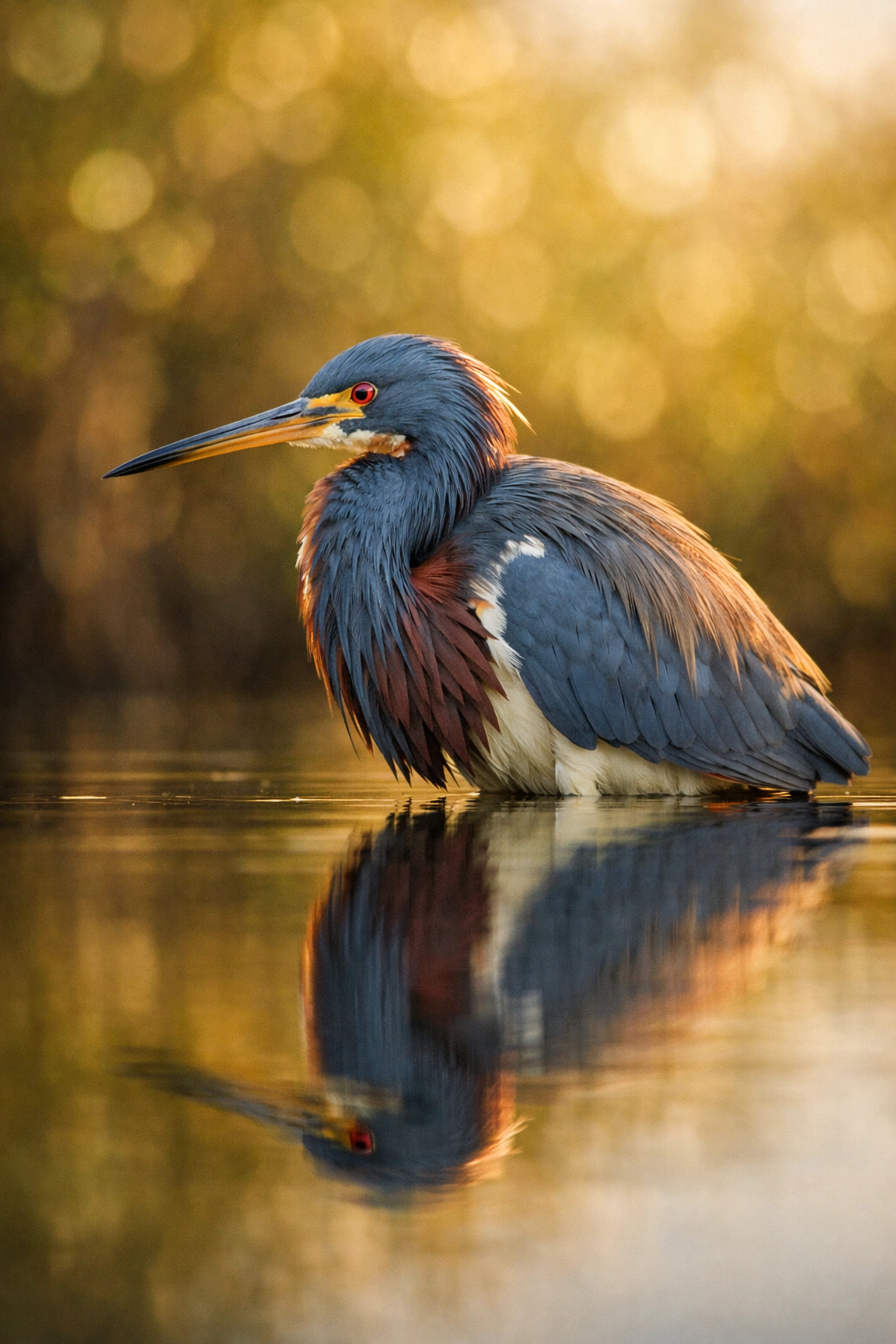
One of the biggest mistakes I see photographers make is shooting down at birds from a standing position. To create a truly intimate portrait, you need to get down to their level. At Mrazek Pond or Eco Pond, you’ll often find Wood Storks and Tricolored Herons feeding in the shallows.
By crouching low, you create a beautiful bokeh in the background and foreground, making the bird really pop. For this, I recommend a long lens: something in the 400mm to 600mm range is ideal. If you're looking for gear recommendations, take a look at our essential photography gear list to see what we carry into the field.
3. Master the Alligator Portrait
You can’t go to the Everglades and not photograph an alligator. It’s practically a rule. The best part? These guys are often very still, which makes them great subjects for practicing your composition.
Look for reflections in the still water. An alligator’s eye just breaking the surface with a perfect mirror image below it is a classic Everglades shot. Just remember to keep a safe distance: use a telephoto lens to get those "close-up" shots without actually getting close. Safety first, always.
4. The Anhinga Trail: The "Tame" Wildlife Experience
If you’re worried about finding subjects, the Anhinga Trail is your best friend. The birds here: Anhingas, Cormorants, and Purple Gallinules: are incredibly used to people. This is the perfect spot to practice your bird-in-flight shots or to capture detail shots of their feathers drying in the sun.
During February and March, keep an eye out for Anhinga nests. Seeing the chicks is a treat, and the parents are usually very active, providing plenty of action shots.
5. Chase the Golden Hour Canals
As the afternoon winds down, head to the canals on the east side of the main park road. Position yourself so the sun is behind you, illuminating the far bank. The light hits the birds and the vegetation with a warm, golden glow that you just can't replicate in post-processing. It’s the perfect time to capture the textures of the mangroves and the ripples in the water.
6. Explore the Rustic Beauty of Janes Scenic Drive
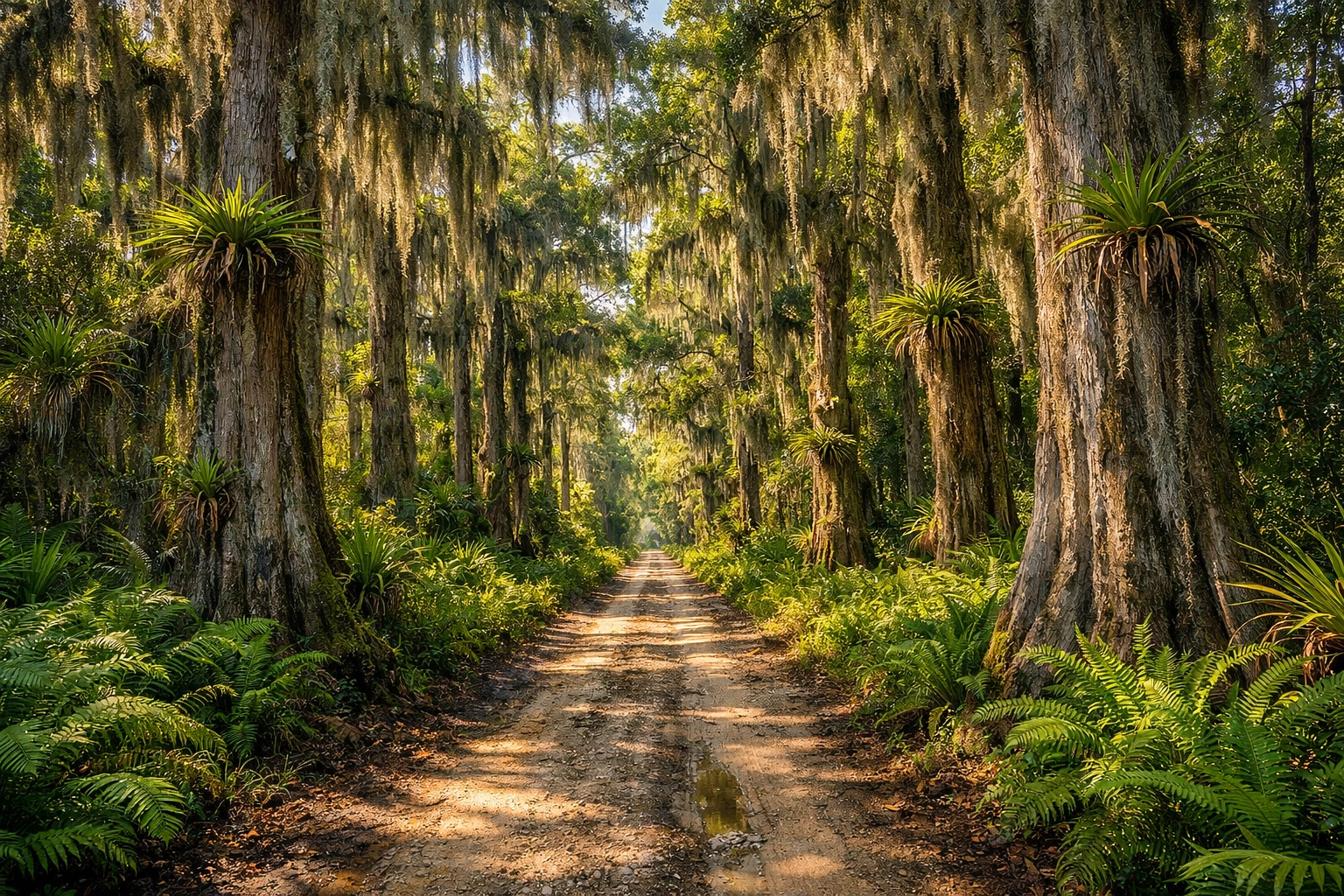
Located in the Fakahatchee Strand Preserve, Janes Scenic Drive is an 11-mile unpaved road that feels like a journey back in time. This is where you go for a more "wild" feel. You’ll find alligators, various bird species, and if you’re lucky, maybe even a glimpse of an orchid. The cypress domes here are breathtaking. It’s a bit of a bumpy ride, but the photographic rewards are well worth the dusty gear.
7. Isolate Textures and Patterns
The Everglades isn't just about the "big" subjects. Look down! The patterns of the sawgrass, the intricate bark of a bald cypress, and the tangled roots of the mangroves make for incredible abstract compositions. Use a macro lens or even your zoom lens to isolate these patterns. This is a great exercise for when the light is a bit harsh mid-day and the wildlife is taking a nap.
8. Photograph Otters at Sweetwater Strand
This is a bit of a "hidden gem" tip. Sweetwater Strand offers a 360-degree swamp environment under a dense canopy. It’s one of the best places to spot North American River Otters. They are fast and the light can be low under the trees, so be prepared to bump your ISO up.
I usually set my camera to at least ISO 2500 here to maintain a fast shutter speed. If you're curious about how modern cameras handle high ISO, check out our camera reviews 2024 section for the latest on sensor performance.
9. Take Advantage of the Dry Season
Timing is everything. From November to April, Florida enters its dry season. As the water levels drop, wildlife is forced to concentrate around the remaining deep-water holes. This makes your job as a photographer much easier because you know exactly where the "action" is going to be.
This is also the best time for our photography booking experience, as the weather is much more manageable and the bird activity is at its peak.
10. Shark Valley Landscapes
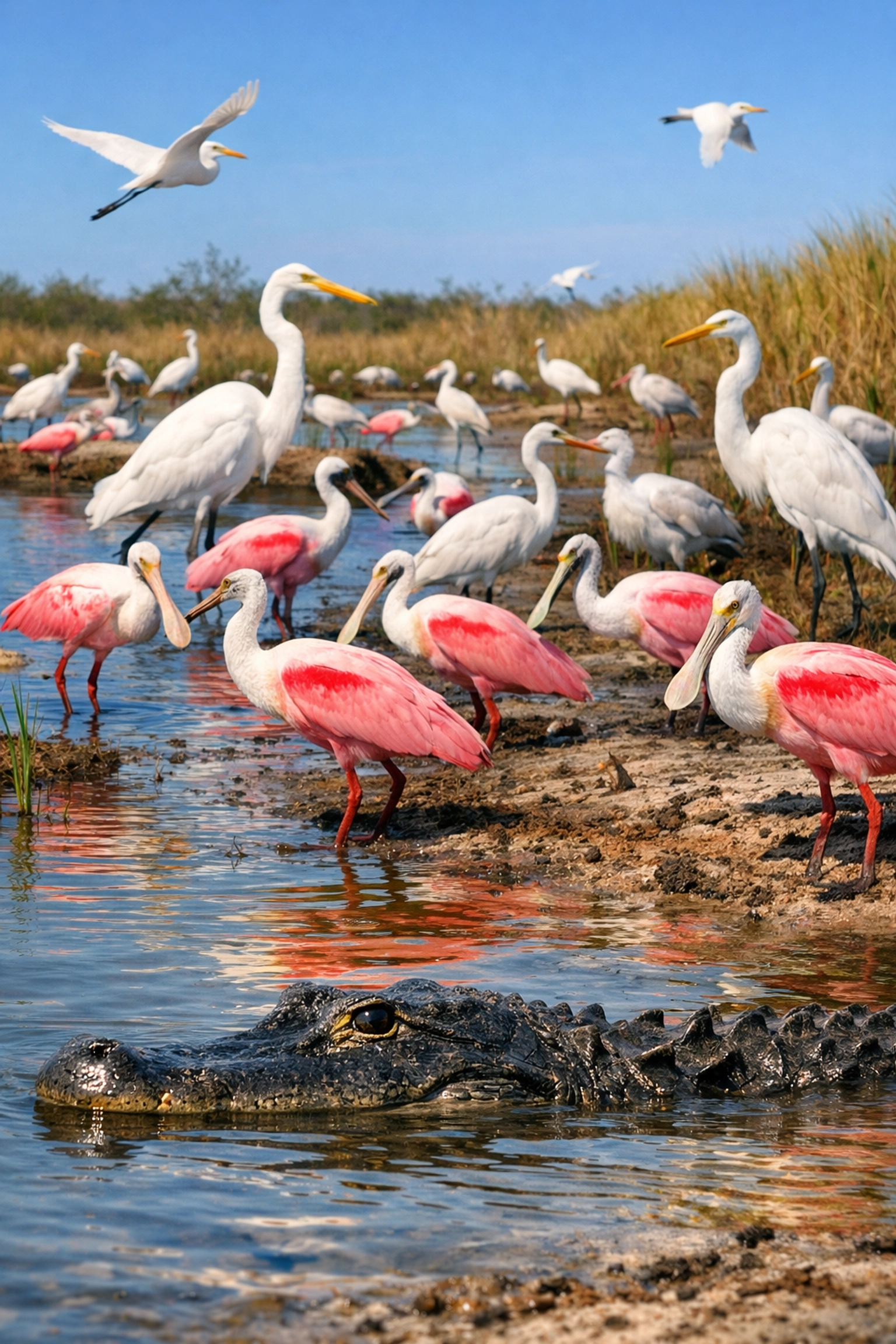
Shark Valley is famous for its 15-mile loop, but don't just focus on the gators on the pavement. The observation tower offers a panoramic view that is perfect for wide-angle landscape shots. If you can get there for a sunset, the way the sky reflects off the shallow water across the horizon is nothing short of magical.
Essential Gear for Your Everglades Trip
Before you head out, make sure your kit is ready. Here’s what I usually have in my bag:
- A sturdy tripod: Essential for those low-light sunrise shots at Pahayokee.
- Telephoto lens: 100-400mm or 200-600mm for wildlife.
- Wide-angle lens: 16-35mm for those massive Florida skies.
- Circular Polarizer: To manage reflections on the water and make the clouds pop.
- Lens cleaning kit: Between the humidity and the occasional swamp splash, you’ll need it.
For a deeper dive into the technical side of things, our educational category has tons of articles on mastering your camera settings in the field.
Ready to Level Up Your Everglades Game?
The Everglades is a place of quiet beauty and sudden excitement. It’s a location that rewards patience and a keen eye. If you’re planning a trip and want to make sure you’re in the right place at the right time, I highly recommend downloading our Everglades Photography Guide. I’ve poured all my local knowledge into that guide to help you find the best spots that most tourists completely miss.
Whether you're looking for that perfect heron portrait or a breathtaking sunrise, the Everglades has it all. Just remember to respect the wildlife, stay hydrated, and most importantly, have fun capturing the magic of the swamp.
See you out there!













