Category: Photo Guides
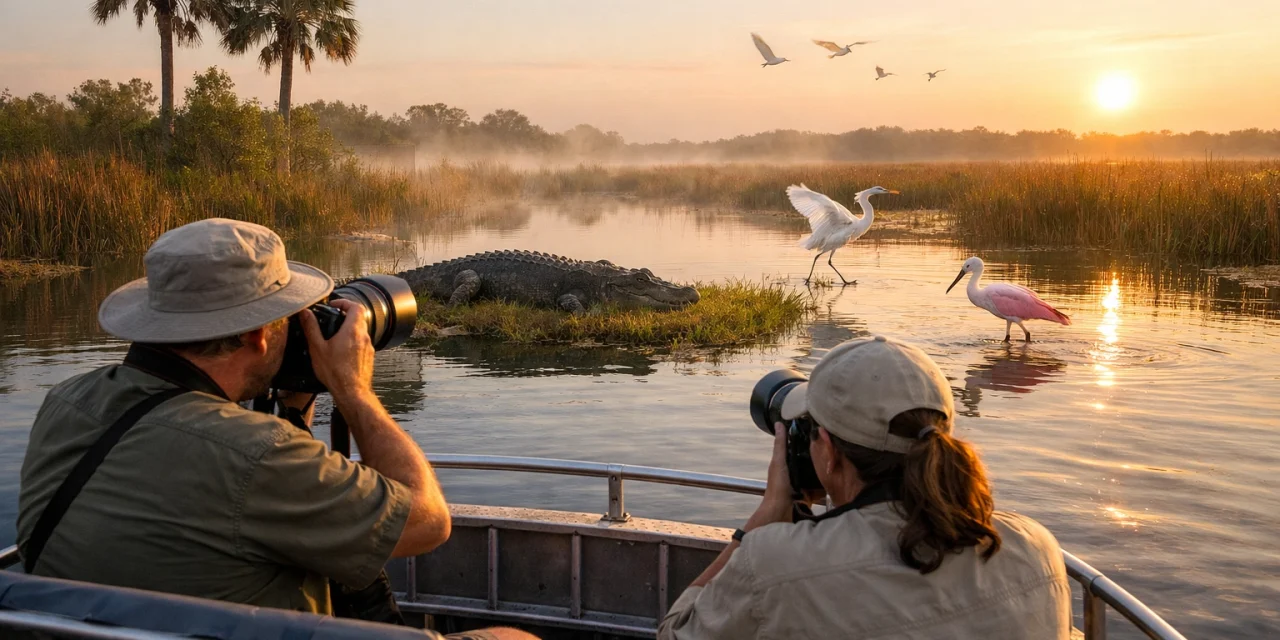
If you’ve ever stood on the edge of the Florida Everglades at dawn, you know there’s a specific kind of magic that happens when the mist rises off the sawgrass. It’s quiet, it’s wild, and it’s a total playground for photographers. But here’s the reality: the Everglades covers over 1.5 million acres. If you just show up with a camera and hope for the best, you’re likely to end up with a few blurry shots of a distant alligator and a lot of mosquito bites.
Choosing the right photography tour is the difference between coming home with a portfolio of award-winning shots and coming home with a memory card full of "almosts." I’ve spent a lot of time navigating these waters, and I want to help you make sense of the options so you can focus on what matters, capturing the shot.
Why a Standard Tour Won't Cut It
Most people visiting the Everglades hop on a giant airboat with 30 other tourists. Those tours are great for a quick thrill, but for a photographer, they are a nightmare. They move too fast, the engines are loud enough to scare off the rare birds, and you’re constantly fighting for a clear line of sight over someone’s shoulder.
A true photography tour is built differently. It’s about patience, positioning, and understanding the light. When you’re looking for a tour, you’re looking for a guide who understands that you might want to spend 20 minutes waiting for a Great Blue Heron to strike, rather than rushing off to the next "alligator spot."
Group Size: The Magic Number
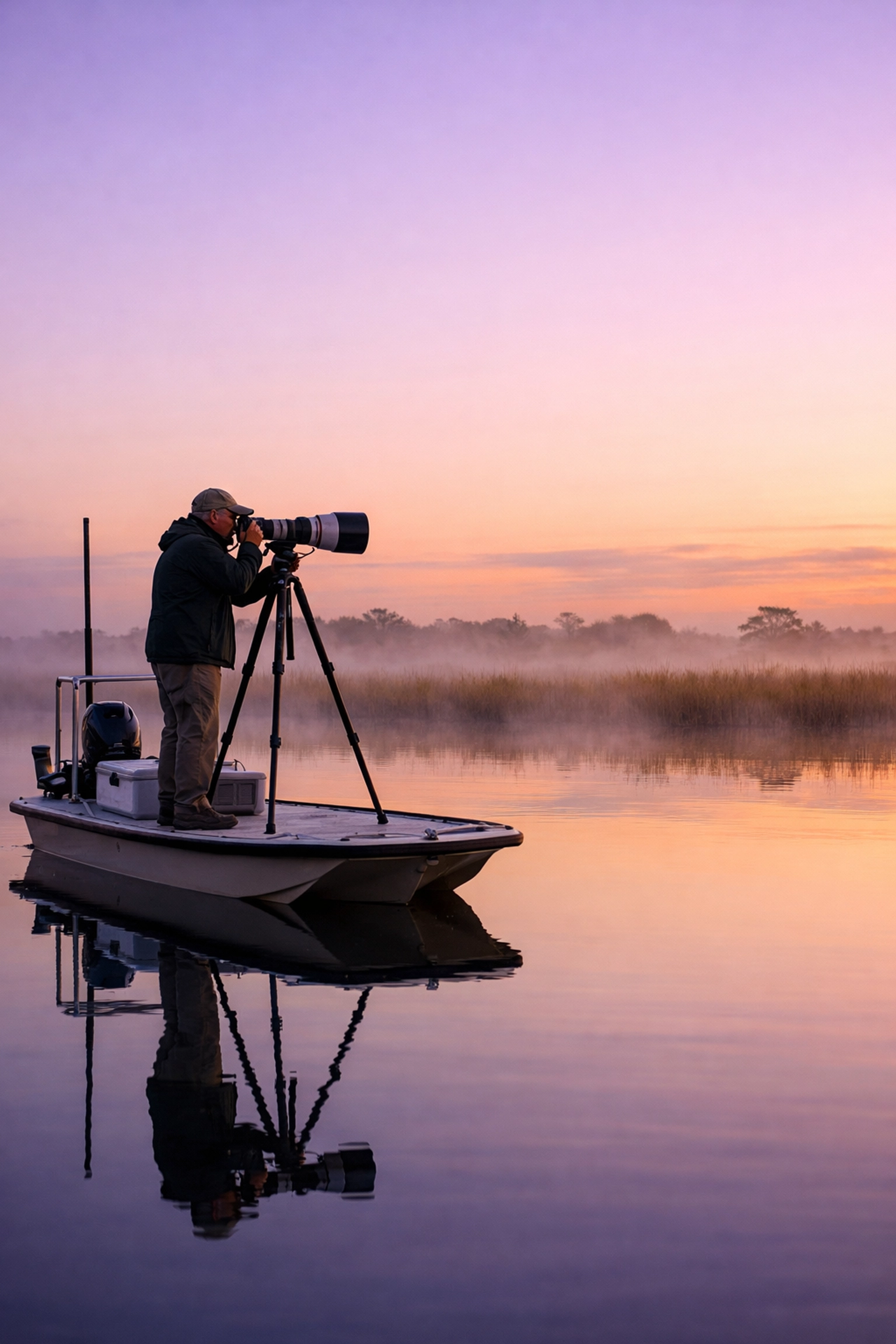
In my experience, group size is the single most important factor. If you are in a group larger than four people, your chances of getting the best shots drop significantly. Why? Because a boat with two people can maneuver into a tight mangrove tunnel or a shallow flat where a larger vessel simply can't go.
Smaller groups also mean less vibration. If you’re shooting with a 600mm lens, even the slightest movement from another passenger shifting their weight can ruin your sharpness. Ideally, you want a private or semi-private experience. It’s an investment, but when you’re looking at your sharp, beautifully framed images later, you won’t regret a single penny.
Boat Types: Stability vs. Speed
Not all boats are created equal in the swamp. Depending on what you want to shoot, the vessel matters just as much as the lens.
The Pole Boat
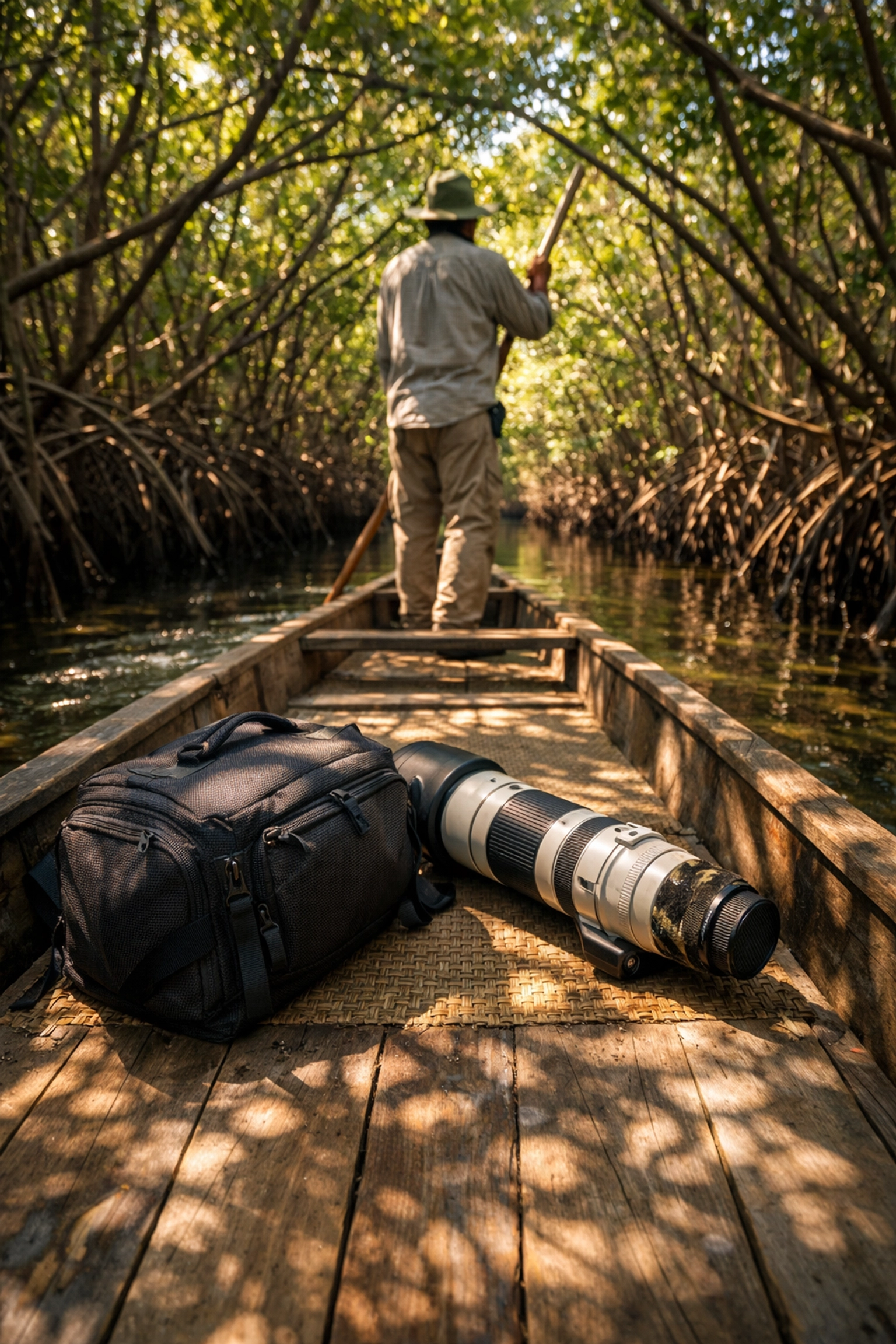
For bird and macro photography, nothing beats a pole boat. These are flat-bottomed boats that the guide pushes manually with a long pole. They are virtually silent. This allows you to glide right up to wildlife without them ever knowing you’re there. They are also incredibly stable, often providing enough room for you to set up a tripod.
The Specialized Photo Airboat
Don't get me wrong, airboats have their place. They allow you to cover vast distances to reach remote rookeries or hidden "holes" in the interior. However, you want an airboat specifically outfitted for photographers, meaning it has high-quality seating, lower noise levels, and a captain who knows how to position the boat relative to the sun.
Walking Tours (Slough Slogging)
Sometimes the best boat is no boat at all. "Slough slogging" involves wading into the water (yes, really!) to get eye-level with the cypress knees and water lilies. It’s an immersive experience that offers perspectives you simply can’t get from a deck.
Comparing Your Options
To help you decide, I’ve broken down the common types of tours available in the Everglades. Prices can vary based on the season and the specific guide, but this should give you a solid baseline.
| Tour Type | Group Size | Best For | Pros | Cons |
|---|---|---|---|---|
| Private Short Tour | 1-2 People | Specific species, tight schedules | Total control over the itinerary | Higher cost per hour |
| Multi-Day Workshop | 4-6 People | Portfolio building, learning | Expert instruction and scouting | Significant time/money commitment |
| Custom Photo Airboat | 1-4 People | Diverse landscapes, remote areas | Covers a lot of ground quickly | Can be noisy between spots |
| Small Group Eco-Tour | 4-8 People | Budget-conscious enthusiasts | Lower price point | Less flexibility for long waits |
If you’re looking for a comprehensive way to prepare for any of these, I highly recommend checking out my Everglades Photography Guide. It’s designed to give you the "insider" knowledge you need to make the most of your time on the water, regardless of which tour you pick.
Timing is Everything
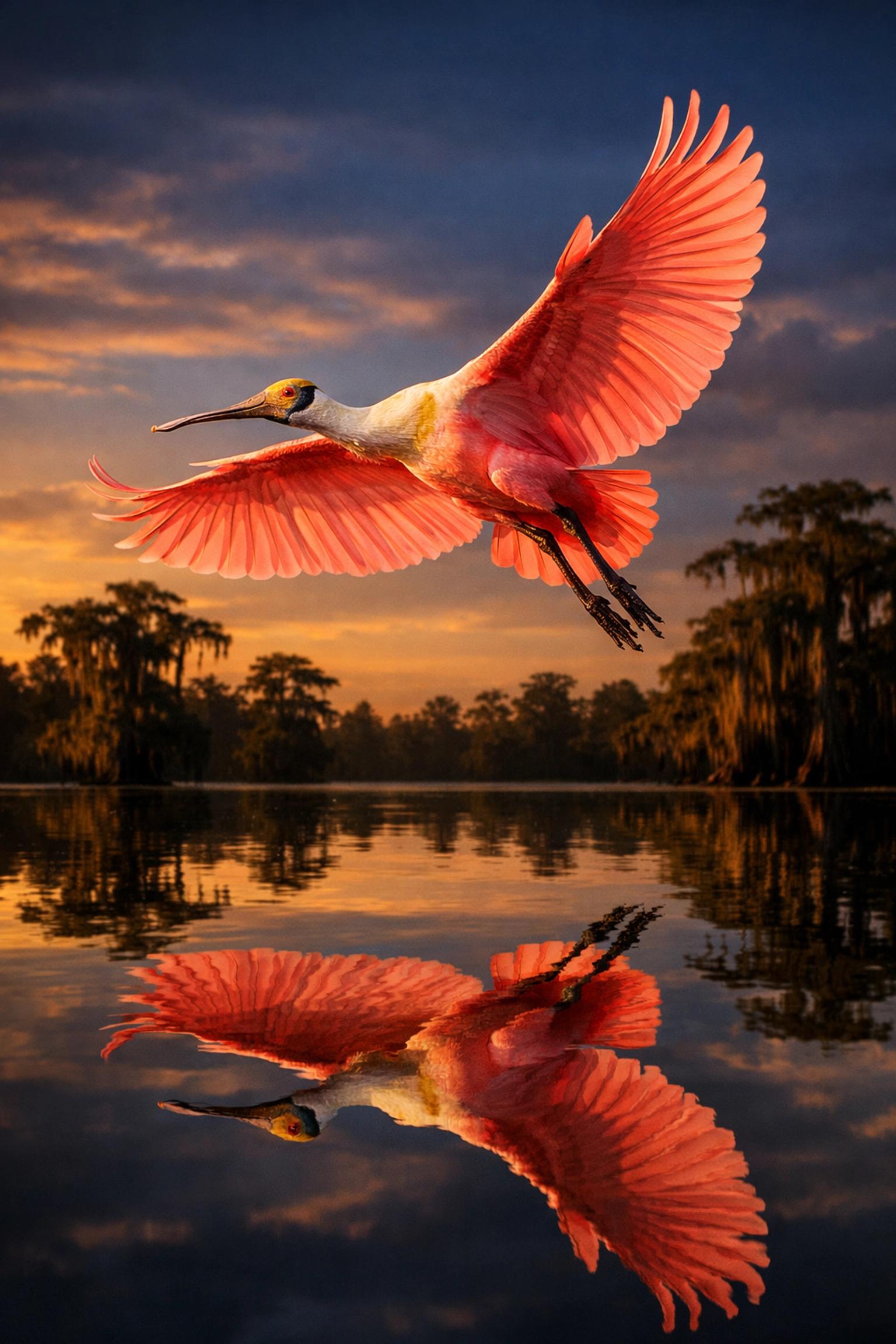
If a tour operator tells you their "best" tour starts at 10:00 AM, keep looking. In the Everglades, the light is harsh and unforgiving by mid-morning. The best tours start before the sun comes up. You want to be in position as the first light hits the water. This is when the wildlife is most active and the "golden hour" glow turns the swamp into a masterpiece.
Always ask if the tour offers "Golden Hour" or "Blue Hour" departures. If they aren't willing to be on the water at 6:00 AM, they aren't a photography-first operation.
What to Look for in a Guide
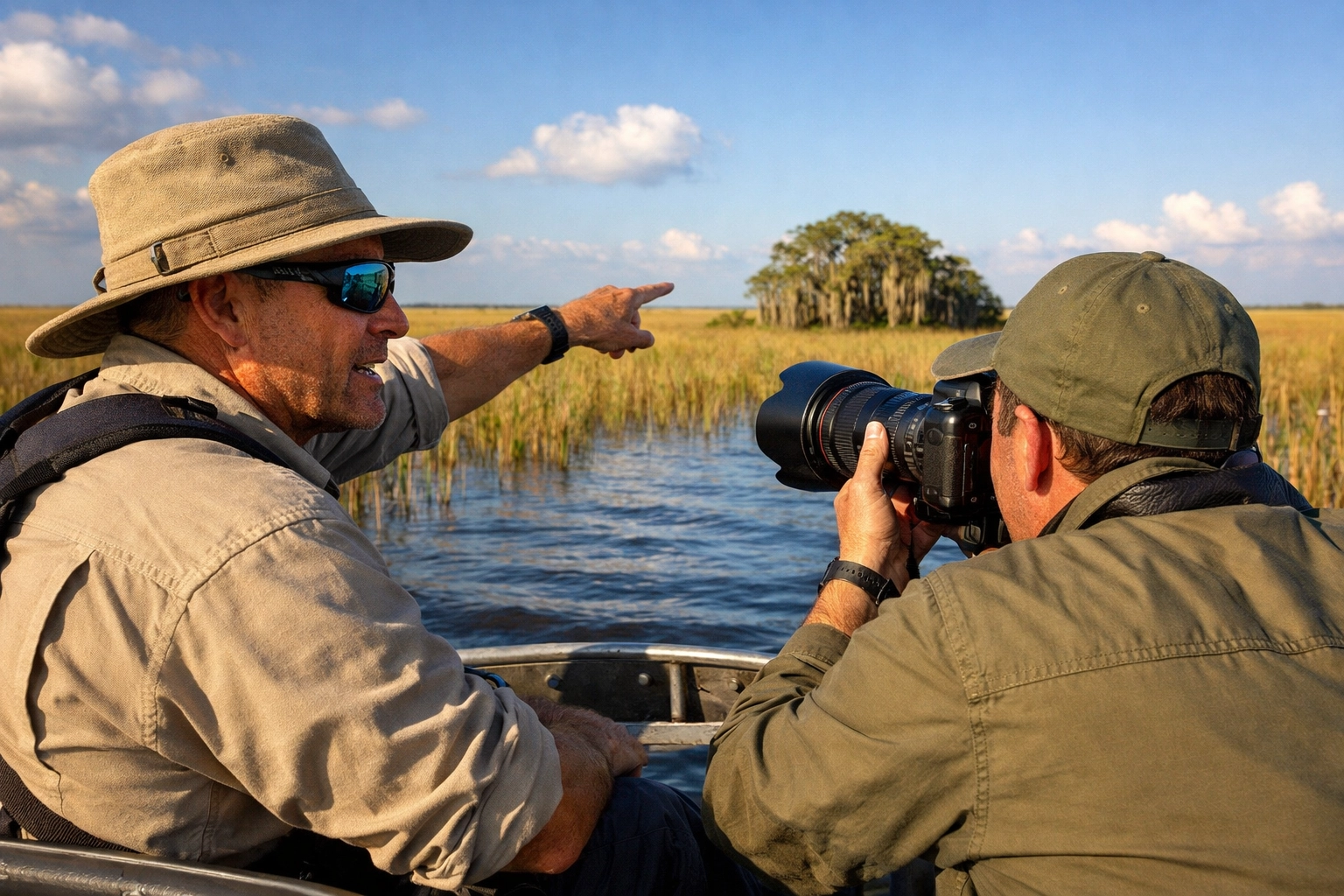
A great guide isn't just a boat captain; they are a scout and a naturalist. They should be able to tell you not just where the alligators are, but where the nesting Ospreys are likely to be found this time of year.
When you’re booking, ask these questions:
- Are you a photographer? A guide who shoots themselves will instinctively know how to position the boat for the best light angle.
- Do you allow tripods? Some boats are too cramped for them.
- What is your "stay time" policy? Make sure they are okay with sitting in one spot for an hour if the action is good.
For more gear-specific advice on what to bring on these boats, take a look at our essential photography gear list. It covers the basics and some "don't-forget" items like dry bags and lens cleaning kits.
Essential Gear for Your Tour
While your guide handles the navigation, you need to handle the gear. The Everglades environment is humid, salty (near the coast), and unpredictable.
- Lenses: Bring a long telephoto (400mm to 600mm) for wildlife and a wide-angle for those epic sky-scapes.
- Protection: A rain cover for your camera is a must. Even if it doesn't rain, the spray from an airboat or the humidity can be tough on electronics.
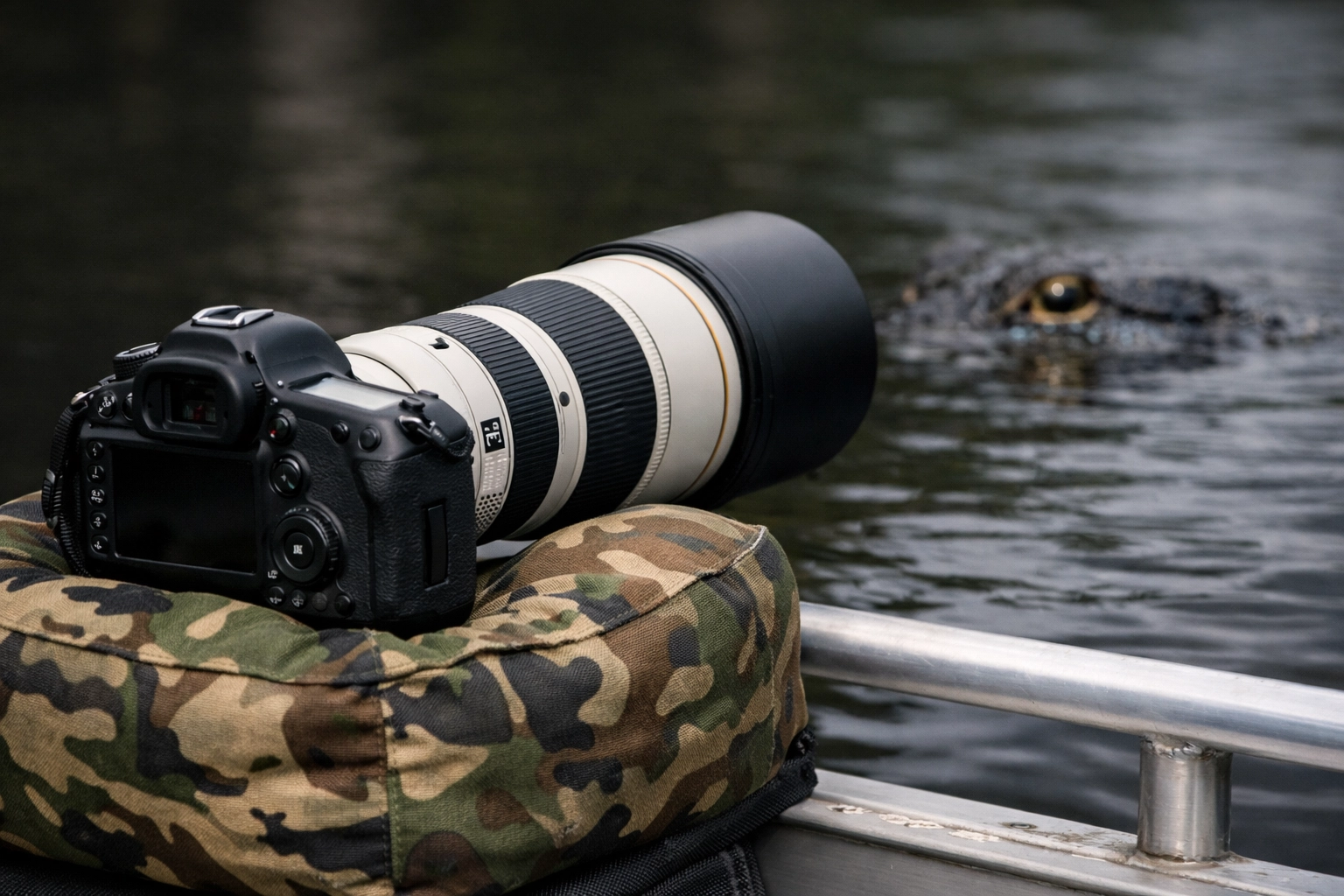
- Stability: If the boat allows, a monopod or tripod is your best friend. If not, a beanbag works wonders for stabilizing long lenses on the boat's railing.
For a deeper dive into camera technicals, I always suggest visiting Shut Your Aperture. They have a fantastic community and plenty of tips on nailing those difficult wildlife shots.
Preparation Beyond the Camera
It’s easy to get so caught up in the gear that you forget about yourself. A photography tour is physically demanding. You’ll be out in the heat, battling bugs, and potentially getting wet.
- Clothing: Think long sleeves and long pants, even in the heat. Lightweight, moisture-wicking fabrics are best. They protect you from both the sun and the mosquitoes.
- Hydration: Bring more water than you think you need. The Florida sun is no joke.
- Sunscreen/Bug Spray: Use them, but be careful not to get them on your lens glass!
If you want to see what's possible when you have the right timing and the right guide, feel free to browse some of my work at Edin Fine Art. It might give you some inspiration for the types of compositions to look for.
Final Thoughts
The Everglades is one of the most rewarding places on Earth for a photographer, but it demands respect and preparation. By choosing a small, photography-focused tour, you’re giving yourself the best possible chance to capture the soul of this unique ecosystem.
Don’t forget to check out more tips and stories on our main site at Photoguides. Whether you're a seasoned pro or just starting out, there's always something new to learn about the craft.
And seriously, grab the Everglades Photography Guide. I poured everything I know about this place into that guide so you don't have to learn the hard way like I did.
See you out in the swamp!