
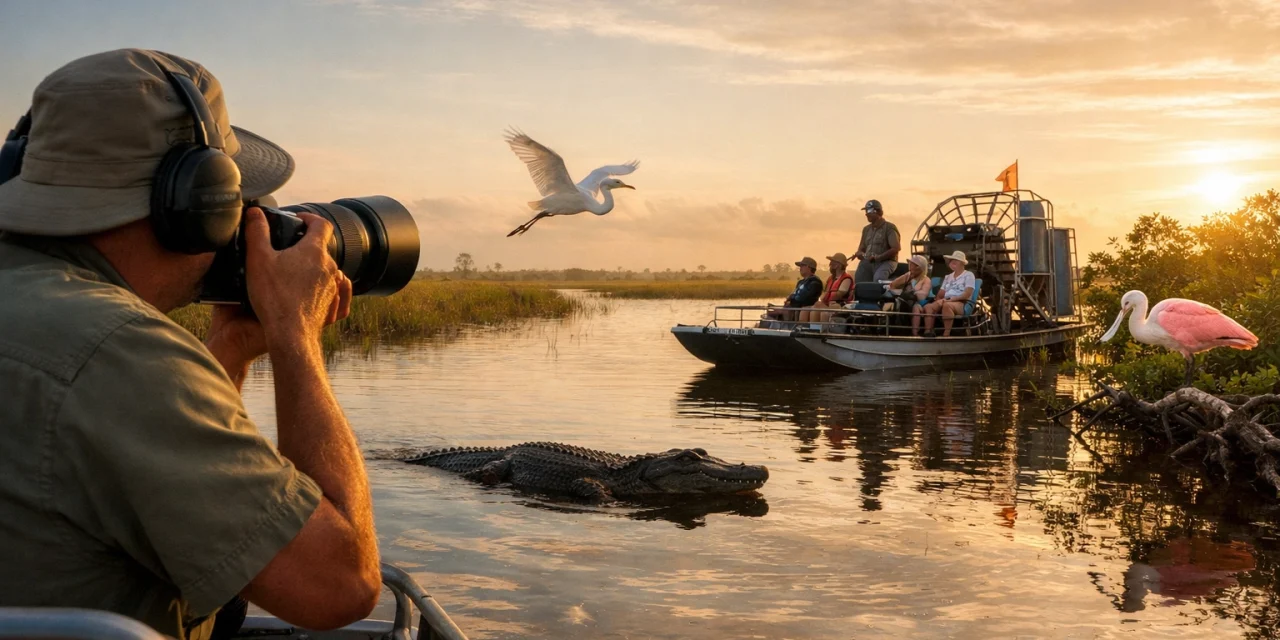
If you have ever stood on the edge of a sawgrass prairie at dawn, you know that the Everglades is one of the most hauntingly beautiful places on Earth. But for a photographer, it can also be one of the most frustrating. It is a vast, watery wilderness that doesn’t give up its secrets easily. You can spend days driving the main roads and only see a few distant herons and a sleeping alligator.
To really capture the soul of this place: the elusive ghost orchids, the piercing eyes of a barred owl, or a roseate spoonbill in flight: you need to get off the pavement. That is where photography tours come in.
Choosing the right tour is the difference between coming home with National Geographic-level shots or a blurry photo of a lizard from a noisy airboat. I’ve spent years navigating these waters, and I want to help you cut through the noise. Here is how to choose the best Everglades wildlife photography tour for your specific style and needs.
Why Your Choice of Vessel Matters
In the Everglades, how you move determines what you see. Most tourists flock to airboats. They are loud, fast, and exciting, but they are generally the worst choice for serious photography. The engine noise flushes birds half a mile away, and the vibration makes sharp shots at long focal lengths nearly impossible.
The Pole Boat Advantage
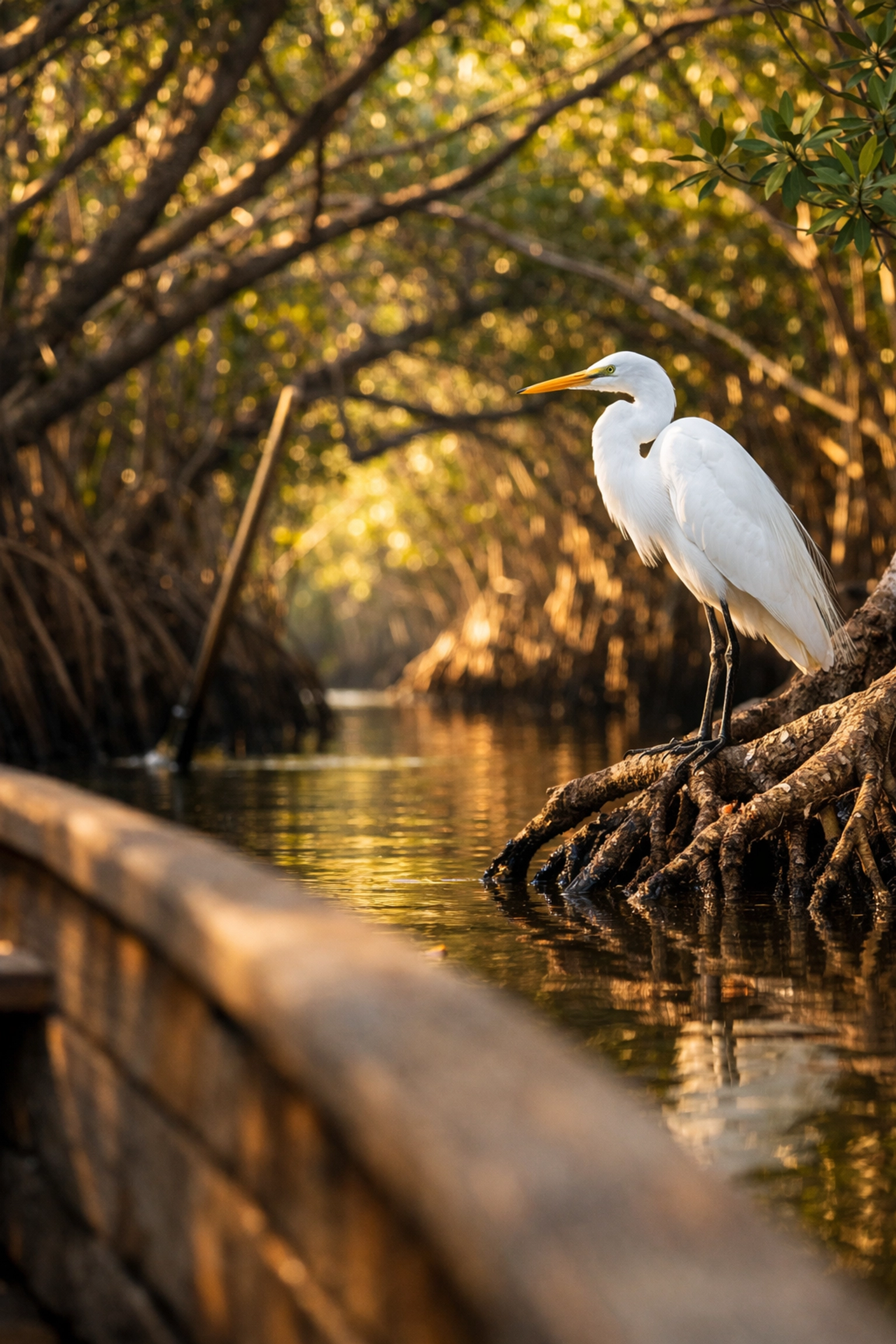
If you are serious about your craft, look for a tour that uses pole boats. These are flat-bottomed boats that a guide pushes manually using a long pole. It is an ancient way of moving through the glades, and it is silent. You can glide right up to a Great Blue Heron without it even blinking.
Beyond the silence, pole boats can access shallow "gator holes" and narrow mangrove tunnels that engines simply can't reach. This is where the magic happens. When you are sitting low and moving slowly, you get those intimate eye-level perspectives that make a wildlife portrait pop.
Kayaks and Canoes
Kayaking is another silent option, but it comes with a trade-off: stability. If you are trying to balance a 600mm lens in a narrow kayak while a current moves you, you are going to struggle. Kayak tours are great for scouting, but for high-end photography, a guided pole boat or a specialized flat-bottom skiff is usually the winner.
Expertise: Naturalist vs. Driver
When you book a tour, you aren't just paying for a seat on a boat; you are paying for an extra set of eyes.
A standard tour driver knows where the "resident" gator lives. A Florida Certified Master Naturalist who is also a photographer knows that the light will hit a specific perch at 7:45 AM, and they understand animal behavior well enough to predict when a bird is about to take flight.
On the best tours, your guide should be talking to you about composition, exposure compensation (essential when shooting white birds against dark mangroves), and animal ethics. You want a guide who respects the wildlife enough not to stress them for a shot, which actually results in more natural, compelling images anyway.
Group Size: Why "Small" is Still Too Big
Many tours claim to have "small groups," but in the photography world, six people is a crowd. When you have six photographers all trying to point heavy glass at the same bird, someone is going to get bumped, and someone is going to have a blocked line of sight.
Ideally, you want a private or semi-private experience. A tour limited to 2 or 3 photographers ensures that the guide can position the boat specifically for your angle and your light. If you are looking to truly master the area, I highly recommend checking out the Everglades Photography Guide. It’s the perfect companion to any tour, giving you the "inside baseball" on locations and settings that I’ve gathered over a career of shooting in the swamp.
Comparing the Hotspots: Where Should You Go?
The Everglades is a massive ecosystem, and different areas offer vastly different photographic opportunities.
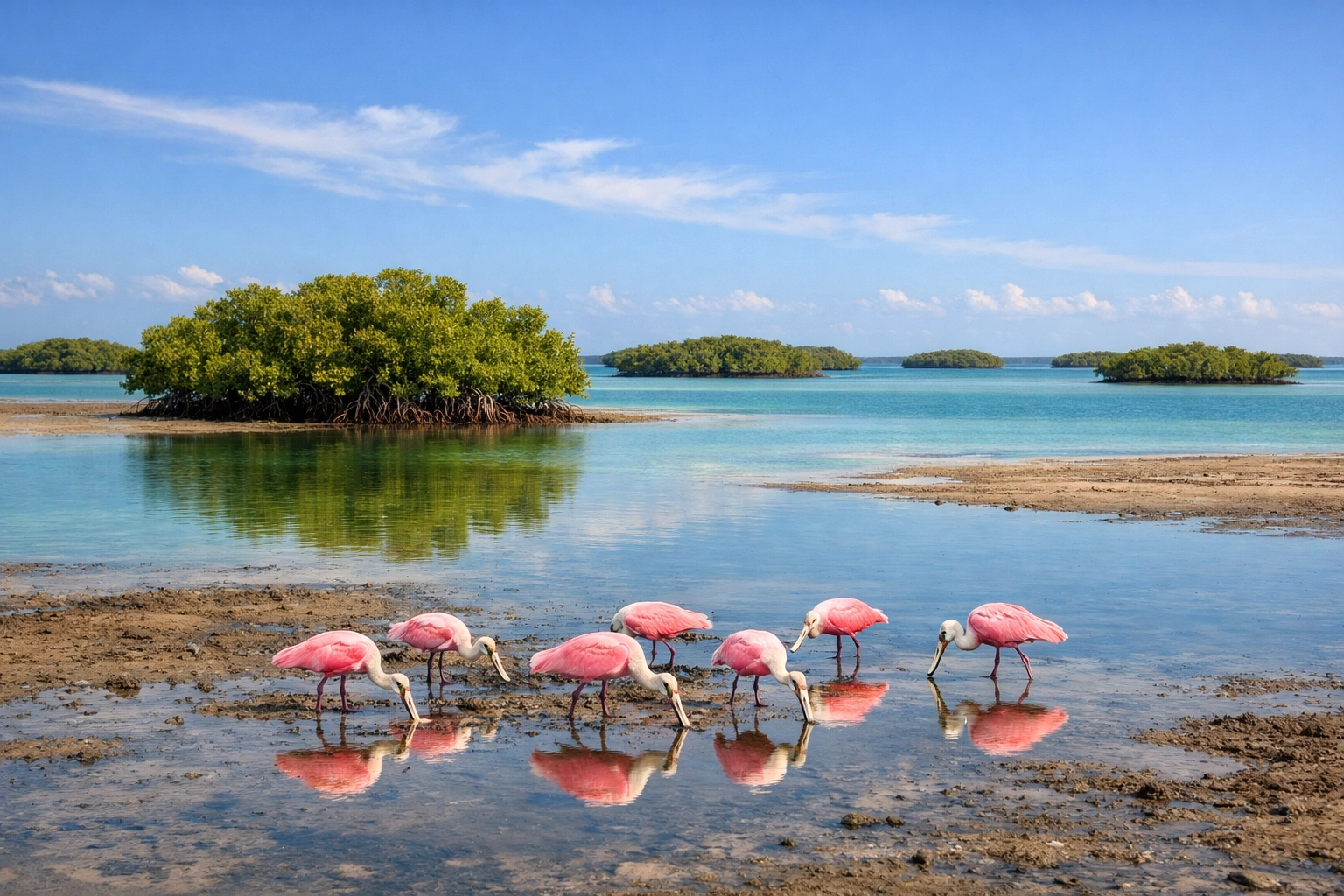
- The Western Everglades & Ten Thousand Islands: This is where you go for coastal birds, manatees, and dolphins. The tide changes everything here. You want a tour that understands tidal movements so you don't end up stranded or miles away from the action.
- Big Cypress National Preserve: This area is characterized by cypress domes and deep swamps. It’s the best place for owls, raptors, and the occasional (though rare) Florida Panther.
- Shark Valley: Great for alligators and snail kites, but it’s very accessible to the public. A specialized tour here will help you find the spots away from the bicycle-riding crowds.
Timing is Everything
If a tour operator tells you they have a "great tour leaving at 11:00 AM," thank them and hang up.
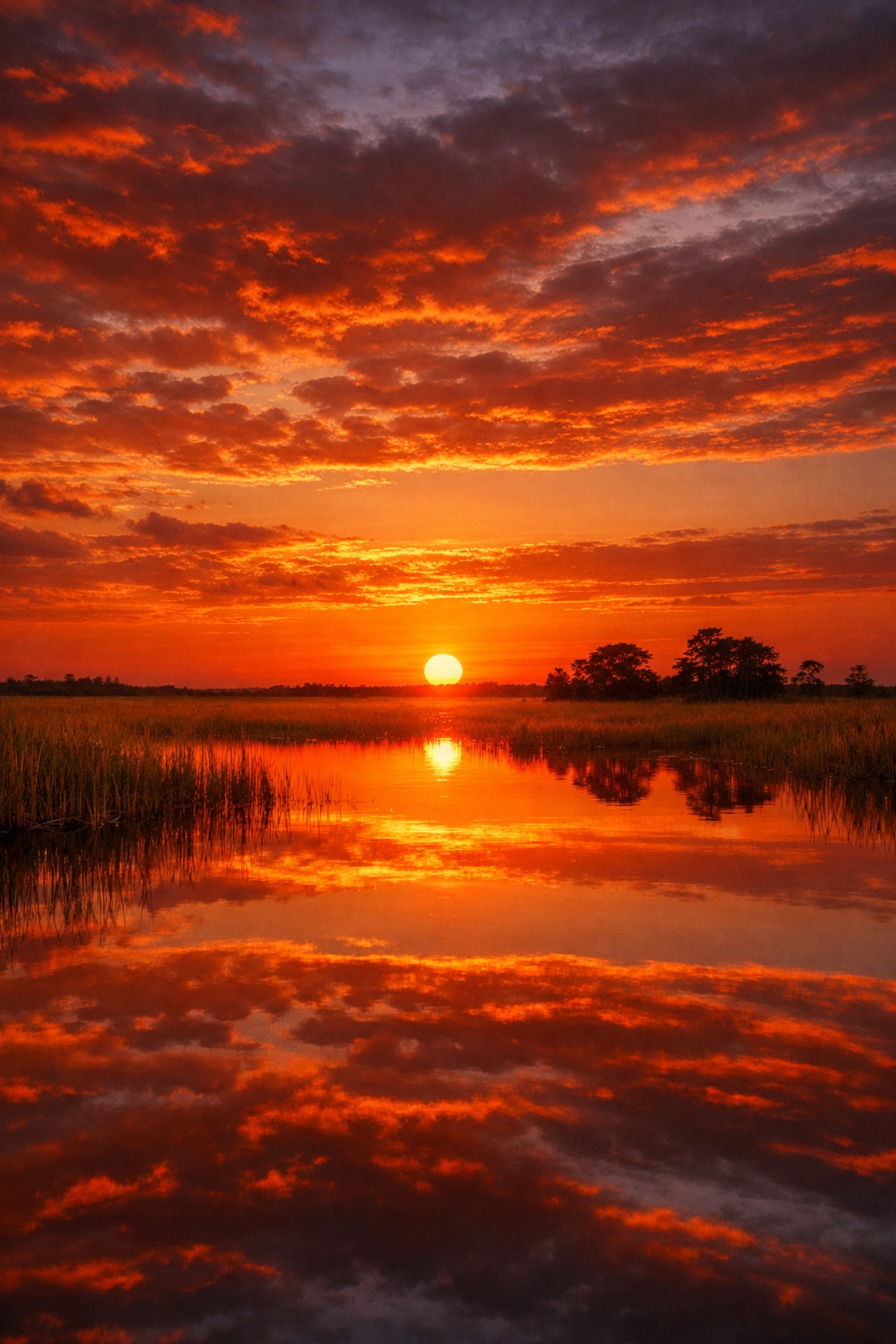
In Florida, the midday sun is harsh, flat, and creates "raccoon eyes" on wildlife. The best photography tours start before the sun comes up. You want to be in position as the first light hits the mist rising off the water. Similarly, "Golden Hour" tours in the late afternoon offer that warm, directional light that defines professional landscape and wildlife work.
What Gear Should You Bring?
Before you hop on a boat, you need to be prepared. While your guide will help with positioning, the gear is on you.
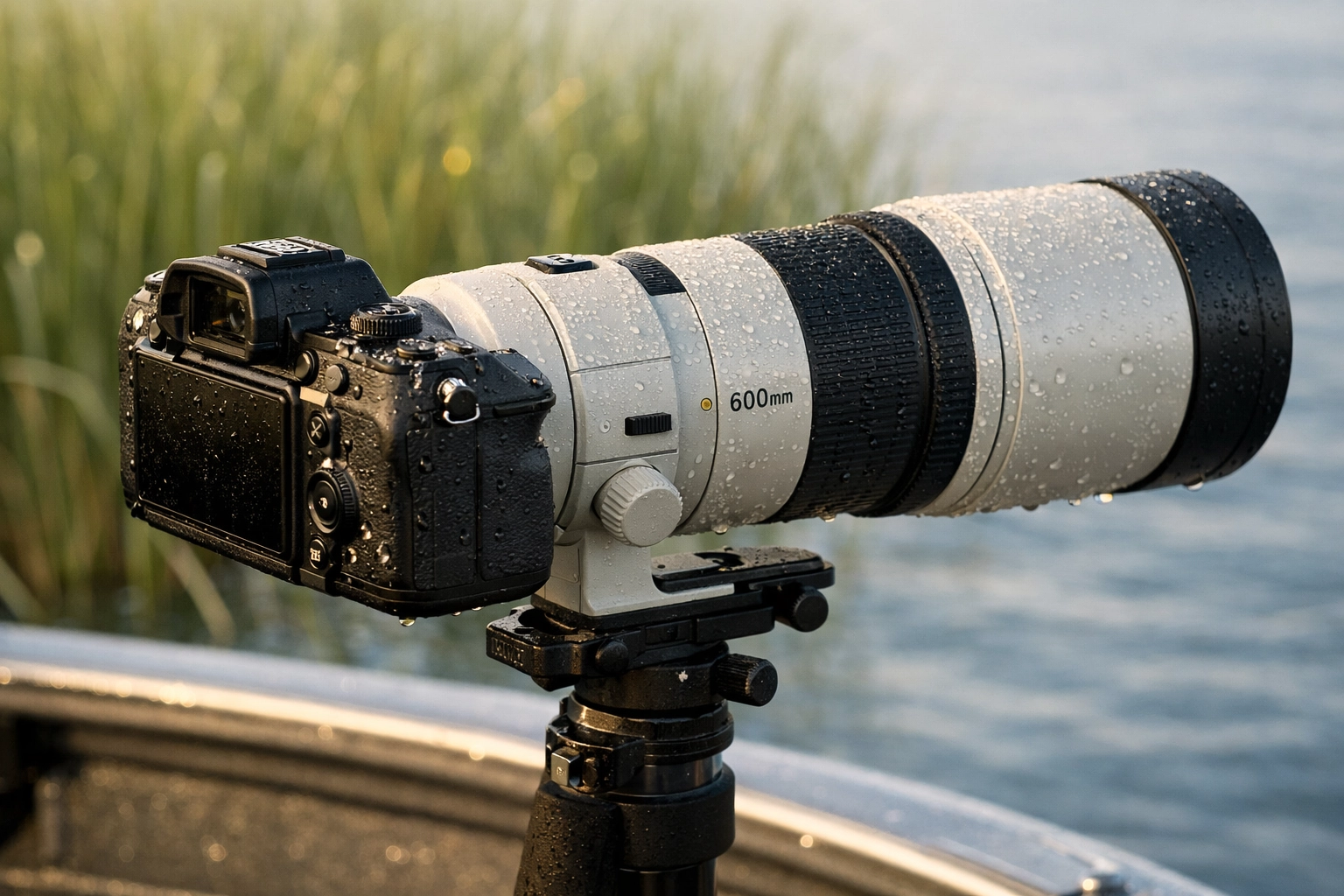
- Lenses: A versatile zoom like a 100-400mm or a 200-600mm is the gold standard for the Everglades. It allows you to frame tight portraits and then pull back for "animal in environment" shots.
- Support: Tripods are tough on small boats. Consider a monopod or a beanbag to stabilize your lens on the gunwale of the boat.
- Protection: Even on a clear day, the swamp is humid and salty. Bring a rain cover for your gear and plenty of lens cloths.
For a deeper dive into what I pack for these trips, check out our guide on essential photography gear.
Price vs. Value: A Quick Comparison
Let’s look at the numbers. You can find "budget" airboat tours for around $30-$50. These are fine for a family outing, but you will likely leave with zero portfolio-worthy images.
A dedicated wildlife photography tour usually starts around $150 for a few hours and can go up to $500+ for a full-day private expedition. While it seems steep, consider the value of your time. One day with a pro guide who puts you in front of five rare species in perfect light is worth more than a week of wandering around on your own.
If you are traveling from out of state, you might be looking for other ways to balance your budget. We have some great tips on cheap weekend getaways that can help you save on the travel side so you can splurge on the professional guide.
The Reassurance Factor
I get it: booking a tour in a swamp can feel a bit daunting. Will it be safe? Will I actually see anything?
The Everglades is a wild place, but when you book with a reputable professional, it’s an incredibly serene experience. There is a profound peace in the "River of Grass" that you can't find anywhere else. These guides live and breathe this ecosystem; they are the best stewards of the land and your safety.
For more insights into how we vet these kinds of experiences, you can read about our photography booking experience standards. We believe every photographer deserves a stress-free trip.
Final Thoughts: Making the Decision
Choosing the best Everglades wildlife photography tour comes down to one question: How much do you value the "shot"?
If you want to move quietly, learn about the environment, and have a guide who understands f-stops as well as they understand alligator nesting habits, go for a private pole boat tour in the Western Everglades.
And before you go, don't forget to grab the Everglades Photography Guide. It’s a small investment that ensures you are prepared the second you step onto that boat. You can also see some of my personal work from the area at Edin Fine Art to get some inspiration for your own compositions.
The Everglades is waiting. The light is changing. It's time to get out there and capture something incredible. For more tips on Florida and beyond, keep an eye on our blog. Happy shooting!













