
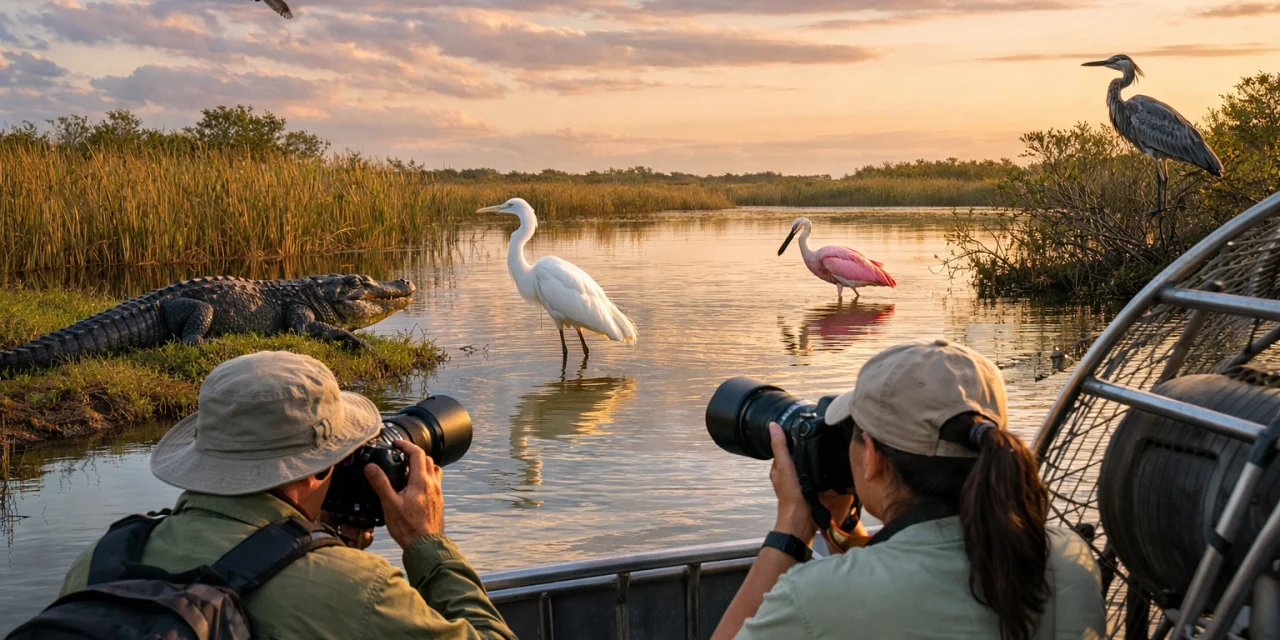
If you’ve ever stood at the edge of the Florida Everglades at sunrise, you know there is a specific kind of magic that happens in the "River of Grass." The mist rises off the water, the silhouettes of Great Blue Herons cut through the golden light, and the prehistoric rumble of an alligator echoes through the sawgrass. It is a photographer's paradise, but it is also one of the most challenging places to capture if you don’t have a plan.
I’m Edin Chavez, and over the years, I’ve spent countless hours navigating these wetlands. One of the most common questions I get from fellow photographers is: "Which tour should I book?"
The truth is, not all Everglades tours are created equal. In fact, booking the wrong one can be the difference between coming home with a memory card full of blurry snapshots and returning with world-class portfolio pieces. In this guide, I’m going to break down how to choose the best Everglades wildlife photography tour so you can make an informed decision and focus on what you love: taking incredible photos.
Why a Dedicated Photography Tour Matters
When you search for "Everglades tours," you’ll be flooded with options for high-speed airboat rides. While these are fun for a family vacation, they are often a nightmare for serious photographers.
Budget airboat tours usually cost between $30 and $50. They are loud, they move fast, and they are designed to cover as much ground as possible in 45 minutes. For a photographer, this is the equivalent of trying to shoot a portrait from a moving roller coaster. You need stability, slow approaches, and, most importantly, a guide who understands light.
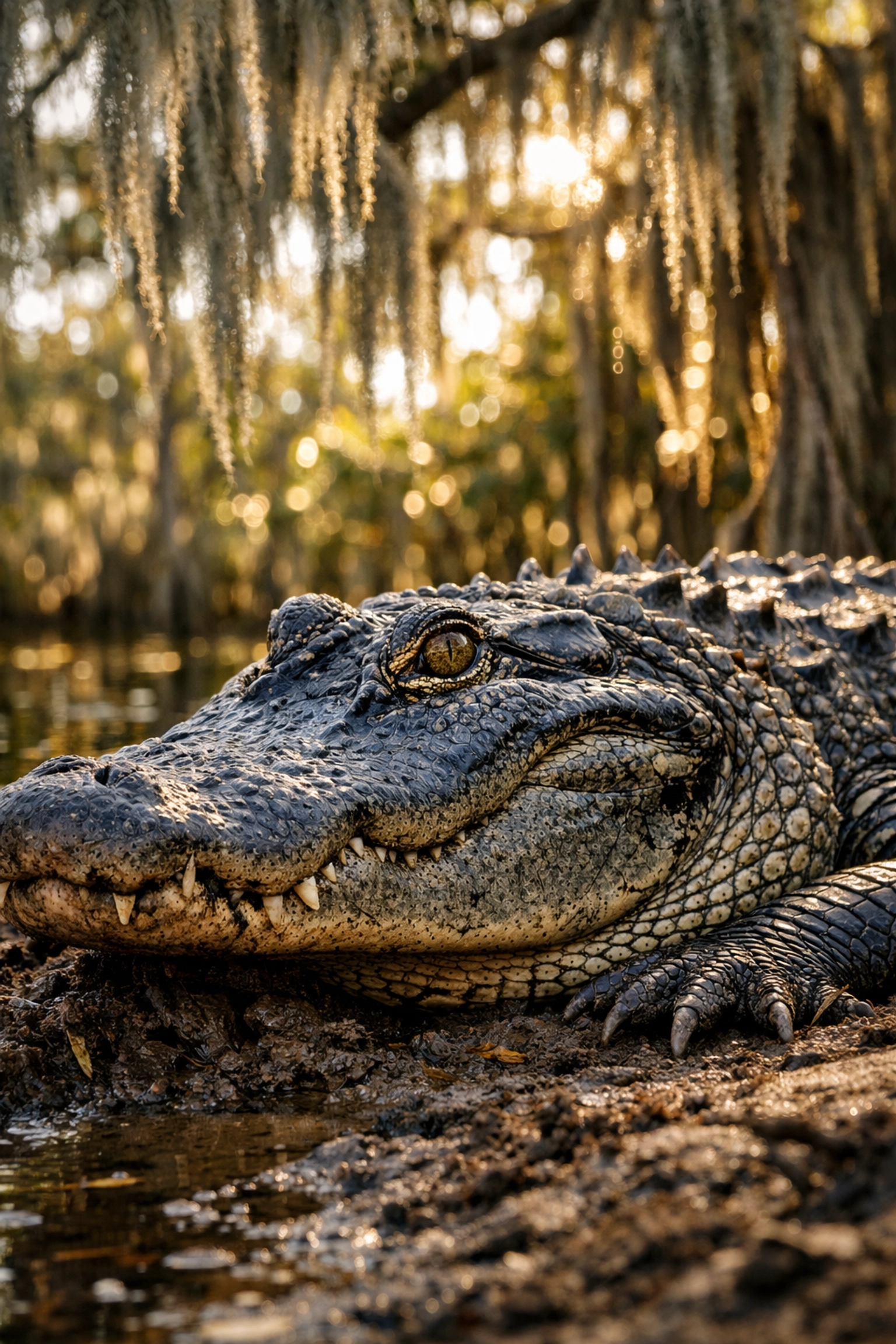
A dedicated photography tour is different. These tours are led by people who understand that you need to wait for the bird to spread its wings or for the sun to hit the alligator’s eye just right. If you want to dive deeper into the technical side of what makes these shots work, I highly recommend checking out my Everglades Photography Guide. It’s the ultimate resource I’ve put together to help you master the specific challenges of this environment.
Key Factors to Compare When Booking
To find the right fit for your style and budget, you need to look past the price tag and evaluate several key factors.
1. Group Size: Small is Superior
In wildlife photography, silence and space are your best friends. If you are on a boat with 20 other people, someone is inevitably going to stand in your line of sight, or the noise will spook the wildlife before you can even focus.
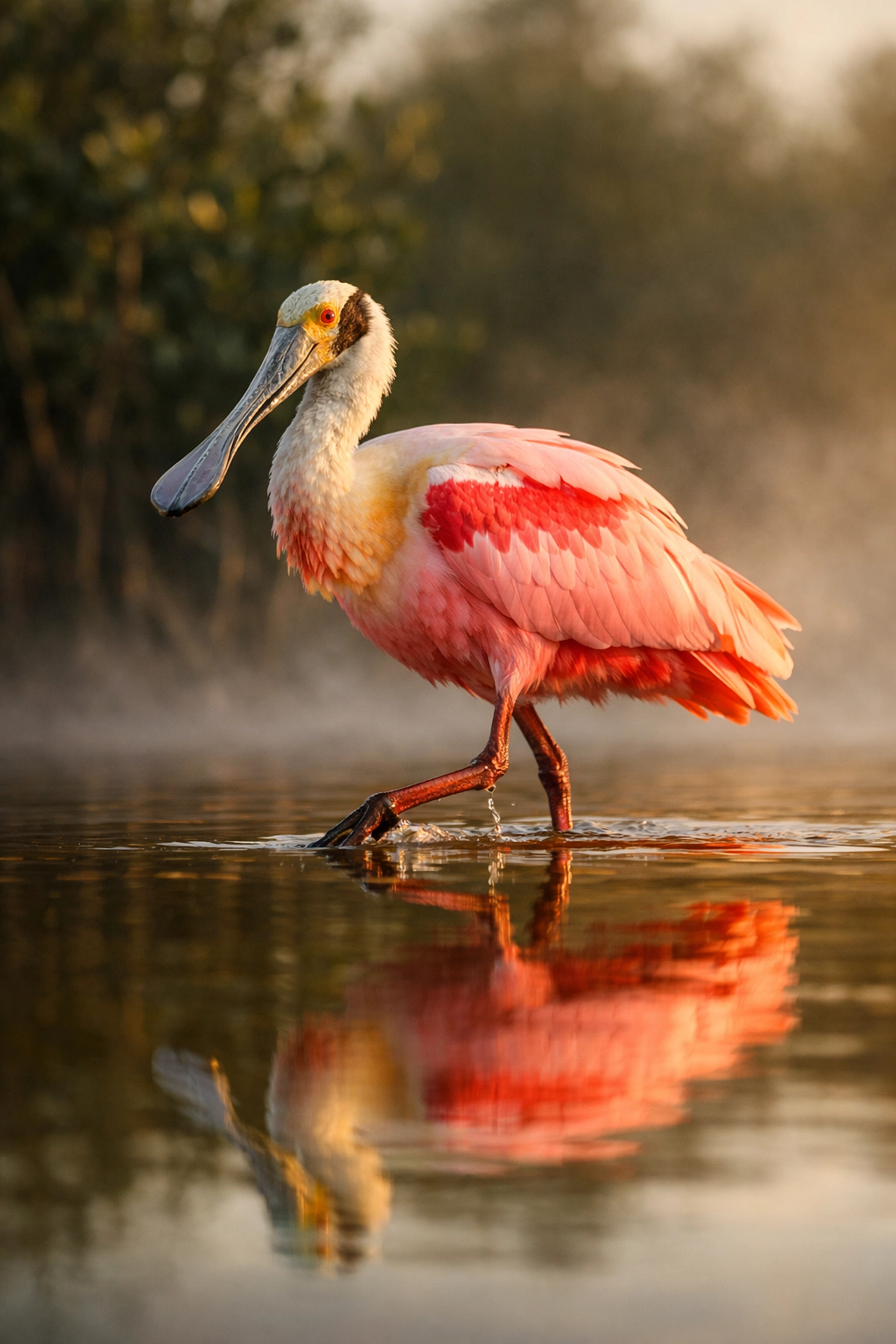
Look for tours that cap their groups at 2 to 4 people. Private tours are even better. When it’s just you and the guide, you dictate the pace. If you find a Roseate Spoonbill in perfect light, you can stay there for an hour until you get the shot. On a standard tour, you’d be moving on after 30 seconds.
2. The Guide’s Expertise
There are two types of guides in the Everglades: naturalists and photographers.
- Naturalists know the biology and the behavior of the animals. They can tell you exactly why a bird is behaving a certain way.
- Photographers understand composition, exposure, and gear.
The "Gold Standard" is a guide who is both. You want someone who can position the boat so the sun is behind you, or who knows how to approach a rookery without causing a "flush." Before booking, ask if the guide is a photographer themselves. You can also look through camera reviews 2024 to ensure your own gear is up to the task before you head out.
3. Timing and Lighting
Lighting is everything. If a tour operator tells you their "best" tour starts at 11:00 AM, run the other way. In Florida, the midday sun is harsh, flat, and creates "raccoon eyes" on wildlife.
The best tours offer "Golden Hour" departures: either at the crack of dawn or late in the afternoon. Early morning is particularly special in the Everglades because the water is often still, creating perfect reflections, and the wildlife is most active.
Comparing Tour Types: From Airboats to Kayaks
Not all transport is the same. Depending on what you want to shoot, the vessel matters.
| Tour Type | Best For | Pros | Cons |
|---|---|---|---|
| Private Small Airboat | Alligators & Wide Marshes | Can reach remote areas quickly. | Can still be noisy; vibration issues. |
| Pole Boat / Skiff | Birds & Shallow Water | Extremely quiet; very low profile. | Limited range compared to engines. |
| Kayak / Canoe | Intimate Macro & Birding | Most "natural" experience; zero noise. | Physically demanding; hard to steady long lenses. |
| Walking / Slough Slog | Macro, Plants, & Close-ups | Total control over stability. | You’re going to get wet; limited to shorelines. |
If you are looking for a more relaxed but highly productive experience, a private skiff or pole boat is usually the best balance for professional results.
Location Hotspots: Where the Tours Should Take You
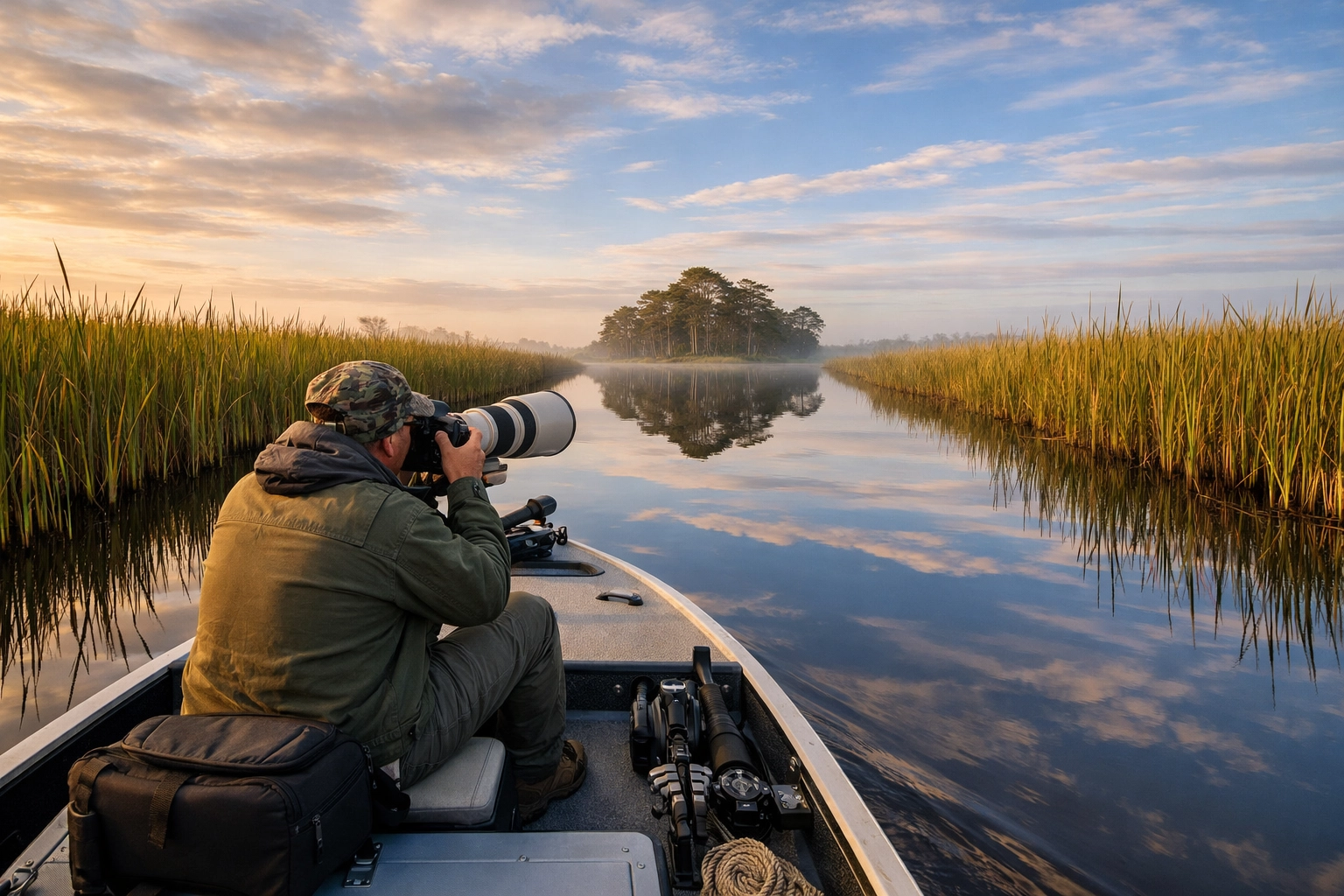
The Everglades is massive: over 1.5 million acres. A good tour shouldn't just wander aimlessly; it should have a strategy based on the season. When looking at tour itineraries, see if they mention these iconic spots:
- Anhinga Trail: Excellent for close-range shots of alligators and water birds. It’s highly accessible, making it a staple for many educational tours.
- Shark Valley: Known for its 15-mile loop, this is a prime spot for snail kites and wood storks.
- Ten Thousand Islands: This is where the Everglades meets the Gulf. It’s the place to go for dolphins, manatees, and incredible bird fly-offs during sunset.
- Flamingo Visitor Center: This is the southernmost point and offers a mix of saltwater and freshwater species, including the rare American crocodile.
For more information on the best spots to visit, you can browse through the educational category on our site.
Essential Gear for Your Tour
Even the best tour guide can't help you if you don't have the right tools. Because you'll often be shooting from a boat, stability is key. However, tripods can be tricky on a moving vessel. Many pros prefer a monopod or simply hand-holding with a high shutter speed.
I always suggest bringing:
- A telephoto lens (at least 400mm–600mm for birds).
- A wide-angle lens for those expansive "River of Grass" landscapes.
- Circular polarizers to cut the glare off the water.
- Plenty of extra batteries and memory cards.
If you are unsure about what to pack, check out my list of essential photography gear. And, of course, the Everglades Photography Guide covers my specific settings for different swamp conditions.
The Cost: Is it Worth It?
Let’s be real: a professional wildlife photography tour isn't cheap. You can expect to pay anywhere from $150 for a few hours to over $600 for a full-day private expedition.
Is it worth it? Absolutely. Think of it this way: you could spend five days driving around the Everglades on your own, spending money on gas and park fees, and potentially seeing nothing but grass. Or, you can spend one day with a pro who puts you exactly where the action is. You aren't just paying for a boat ride; you are paying for their years of scouting and expertise.
If you’re planning a larger trip to Florida, you might also want to look at other experiences, like Miami's hidden speakeasies for some post-shoot relaxation, or even photography booking experiences in other cities.
Making the Final Decision
Choosing the right tour comes down to your personal goals. Are you looking to check a specific bird off your list? Or are you looking to learn the art of composition in a wetland environment?
Before you book, send a quick email to the operator. Ask them:
- "What is the maximum number of people on the boat?"
- "Do you cater specifically to photographers?"
- "Can we start before sunrise?"
A "yes" to these questions usually indicates you’ve found a winner.
The Everglades is a fragile, beautiful, and constantly changing ecosystem. It deserves to be captured with respect and skill. Whether you are a seasoned pro or just starting out, taking a dedicated tour will elevate your work in ways you can't imagine.
For more tips on fine art photography and to see some of my work from the Florida wilderness, visit Edin Fine Art or head over to my main blog at Edin Chavez Blog.
Ready to take the leap? Don’t forget to grab your copy of the Everglades Photography Guide to ensure every shutter click counts. Happy shooting, and I’ll see you out in the swamp!













