
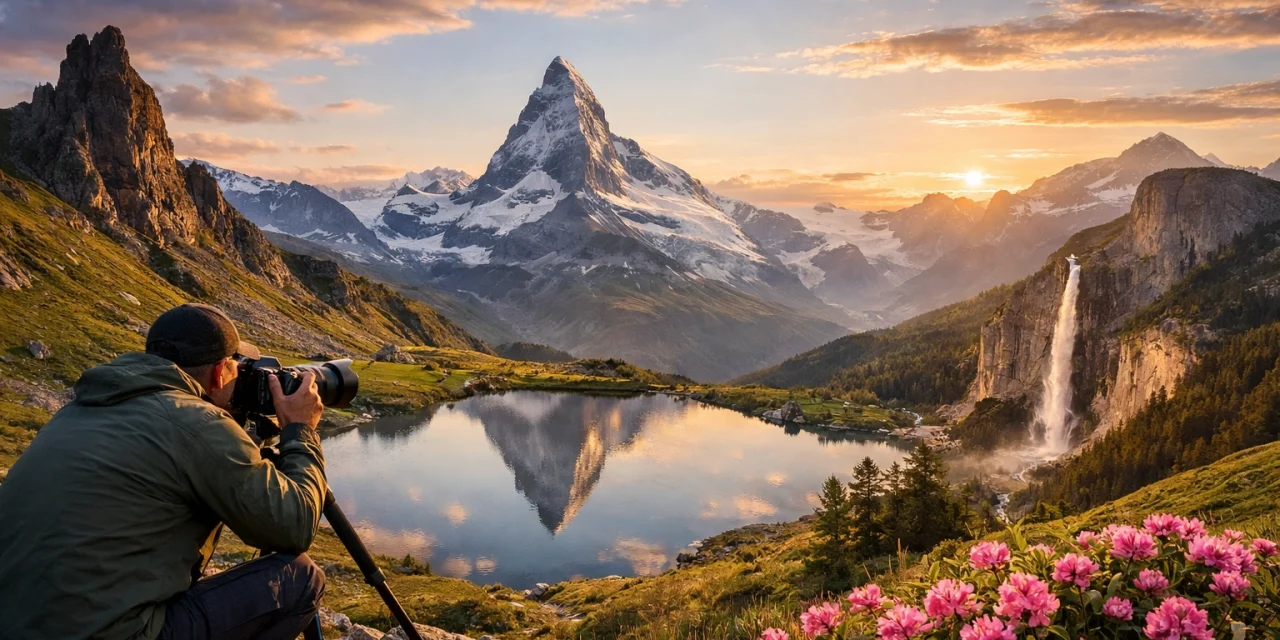
Finding the perfect spot to plant your tripod isn’t just about looking for a pretty view. It’s about understanding the soul of a place, the way the light interacts with the topography, and how much effort you’re willing to put in to get "the shot." As we move through 2026, the world of landscape photography is changing. We have better tools, smarter AI-assisted scouting, and more accessible gear than ever before.
But with that accessibility comes a challenge: how do you find locations that haven't been "over-photographed"? How do you choose between the iconic, easy-to-reach vistas and the rugged, hidden gems?
In this guide, we’re going to break down the science and art of choosing the best photography locations. Whether you’re searching for "photo spots near me" for a weekend hustle or planning a global expedition, here is how you compare and select sites that will actually move the needle for your portfolio.
1. The Anatomy of a World-Class Location
When I’m scouting for a new project: whether it’s for my personal collection at Edin Fine Art or a guide here on Photoguides: I look for three specific markers: Terrain Variety, Dramatic Lighting Windows, and Visual Uniqueness.
Variety and Terrain
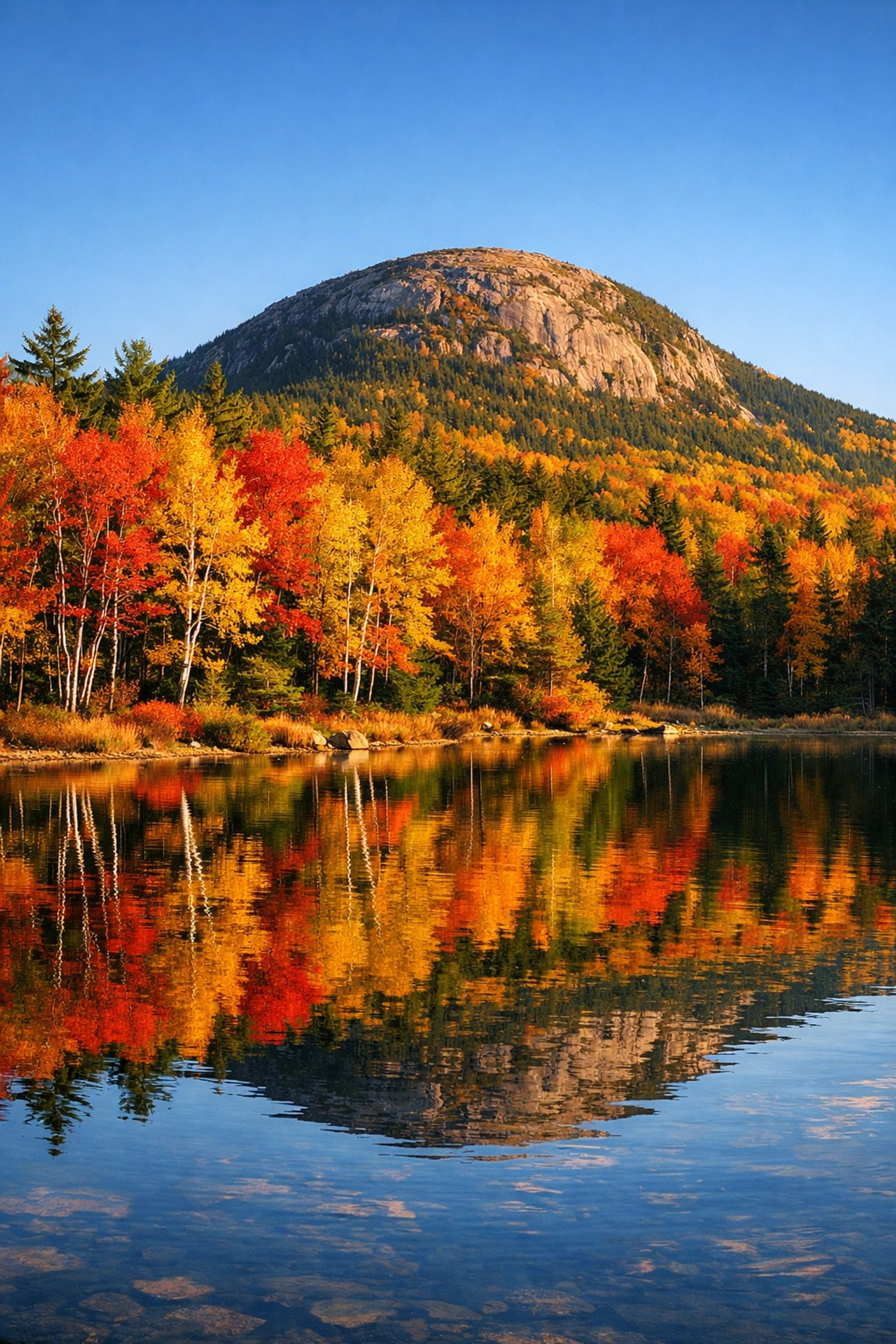
A great location is one that offers multiple compositions within a relatively small footprint. Take Acadia National Park as a prime example. In a single morning, you can shoot rugged New England coastlines, a classic lighthouse, and then drive ten minutes to capture the sunrise from the top of Cadillac Mountain.
When you compare this to a location like the Bonneville Salt Flats, the approach changes. Bonneville offers a "mirrored landscape" after it rains, which is visually stunning but lacks the structural variety of a park like Acadia. At the salt flats, your uniqueness comes from your ability to find a pristine, untrampled patch of ground rather than a different type of geological feature.
Distinctive Features
You want your viewers to stop scrolling. That happens when you capture something "otherworldly."
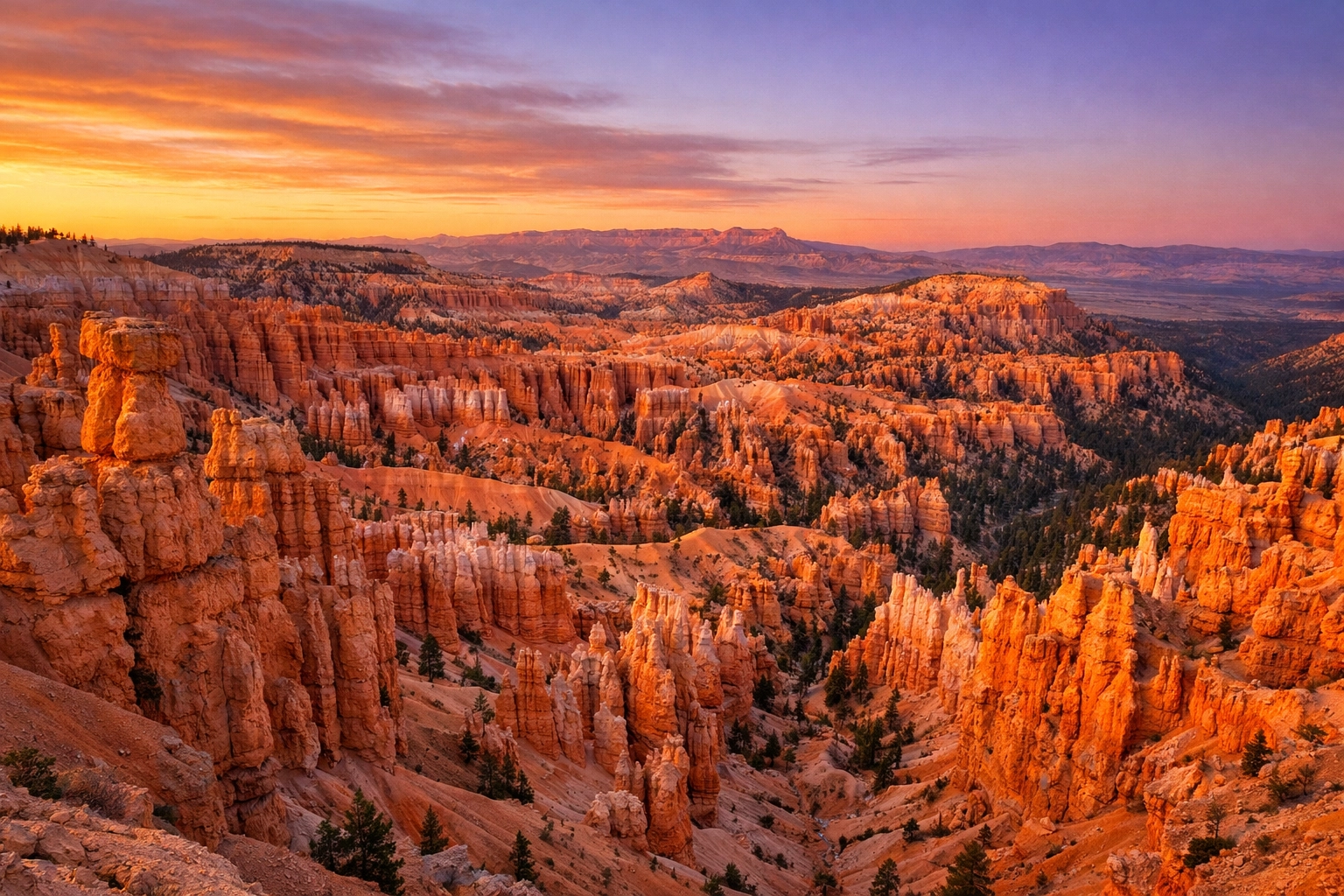
- Bryce Canyon: Famous for its "hoodoos": tall, thin spires of rock that look like a city of stone.
- White Sands National Park: Pure white gypsum dunes that look like snow in the middle of a desert.
2. Comparing Accessibility: Iconic vs. Remote
One of the biggest debates in travel photography tips is whether to stick to the "classics" or go remote.
The Iconic Choice: Yosemite National Park
Yosemite is arguably the most photographed place on earth. You can drive up to the Tunnel Viewpoint and get a world-class shot without breaking a sweat. The benefit here is a guaranteed "win" for your portfolio. The downside? You’ll be shoulder-to-shoulder with fifty other photographers. If you're looking for wedding photography insights, these iconic spots are perfect because they provide a sense of grandeur and familiarity.
The Remote Choice: Big Bend National Park
On the flip side, we have Big Bend. It’s one of the least visited national parks in the U.S., but it offers the darkest skies in the lower 48. If your goal is Milky Way photography or long exposures of untouched desert, the "cost" of the long drive is worth the "value" of the isolation.
When choosing your location, ask yourself: Am I shooting for a client who needs a recognizable landmark, or am I shooting for my own artistic growth?
3. How to Find "Photo Spots Near Me" Using Modern Tools
You don't always need to fly to the Dominican Republic (though if you do, check out our Dominican Republic vs. Cancun comparison). Often, the best shots are in your backyard.
In 2026, finding local spots has become an AI-driven process. Here’s how I recommend scouting locally:
- Google Earth VR: Still the king of pre-scouting. You can virtually stand on a cliff edge to see exactly where the sun will set behind a mountain.
- Heat Maps: Use apps that show where people are taking photos, then purposely look for the "cold spots" nearby.
- Local History: Sometimes the best spots aren't "scenic" in the traditional sense. Old industrial areas, historical ruins, or even unique breweries in Williamsburg, VA can offer textures and lighting that nature can't replicate.
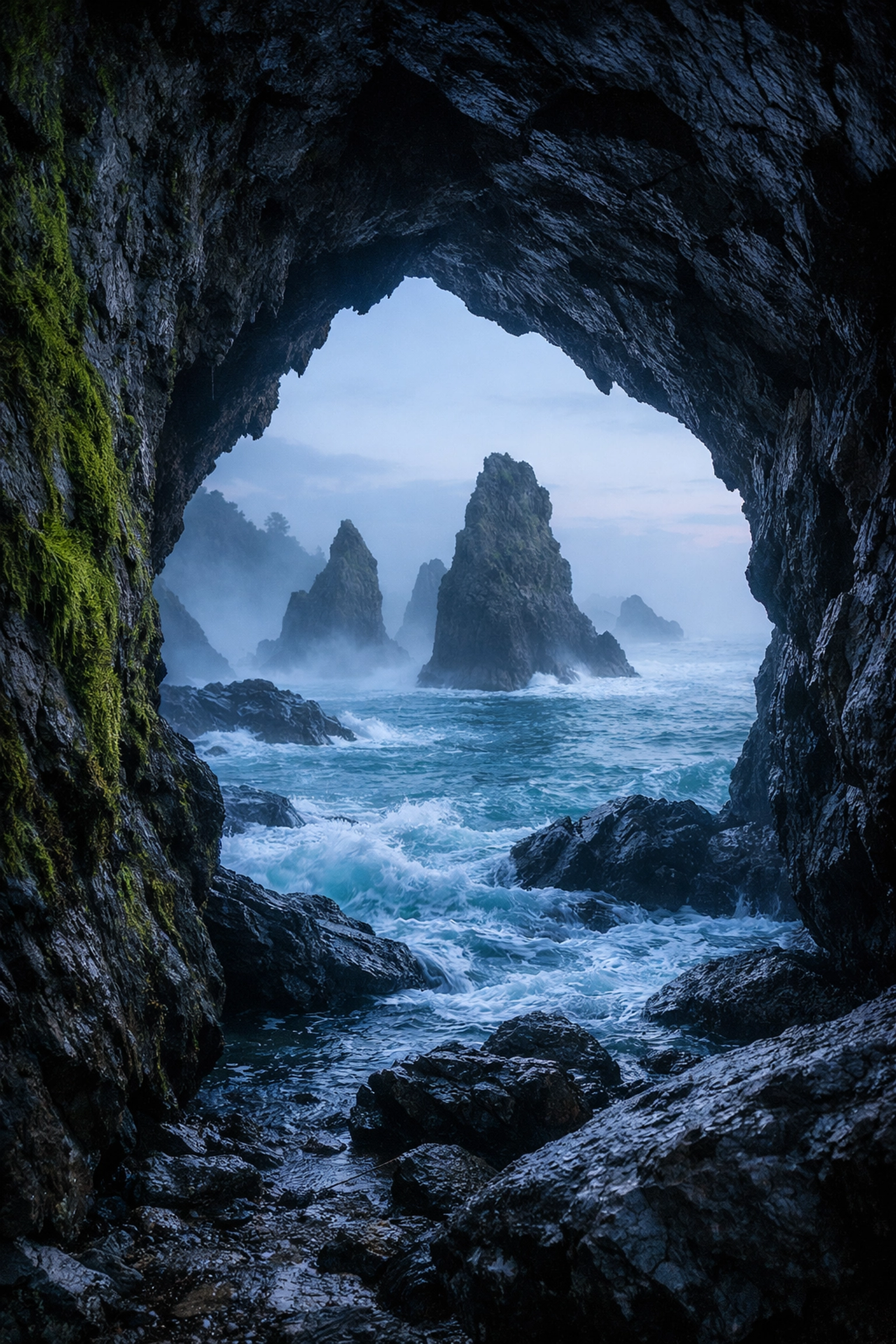
4. AI Photography Trends: The Role of AI in Location Scouting
We can’t talk about photography in 2026 without mentioning AI. While there is a massive debate about "Authentic vs. AI Art," the smartest photographers are using AI as a partner, not a replacement.
Predictive Lighting Models:
New AI tools can now predict exactly how a storm front will interact with a specific mountain range based on decades of weather data. Instead of hoping for a "dramatic sky," you can now target the exact 15-minute window when the light will break through the clouds.
Smart Editing & Overlays:
Sometimes, you find the perfect location, but the sky just isn't cooperating. This is where tools like sky overlays come in. While I always advocate for capturing the real thing, having the ability to enhance a scene ensures that a $5,000 trip doesn't go to waste because of a gray sky.
For more on how technology is shaping the craft, I frequently update my thoughts over at Shut Your Aperture.
5. Advanced Techniques for 2026: iPhone and Drone Photography
The gear gap is closing. You no longer need a 50lb bag of glass to capture an epic landscape.
The 2026 iPhone Photography Power
The latest smartphone sensors are now capable of massive dynamic range. When choosing a location for mobile photography, look for high-contrast environments. The computational power in your pocket can now handle the "Grand Canyon sunset" dynamic range better than some mid-tier DSLRs from five years ago.
Drone Shots
Drones have revolutionized how we view locations. A spot that looks boring from the ground: like the Bonneville Salt Flats: looks like an abstract painting from 200 feet up. When scouting, always look for "top-down" potential.
6. Gear Guide: What to Pack for the Elements
If you're heading out to capture these epic shots, your gear needs to be up to the task. We’ve moved past the "just a camera and a lens" phase. Here’s a quick list of what I consider essential photography gear for 2026:
- Circular Polarizers: Essential for cutting glare on water or making those white sands pop.
- Variable ND Filters: A must for long exposures during the day (think silky waterfalls).
- Carbon Fiber Tripods: Light enough for a 10-mile hike, sturdy enough for a gale-force wind.
- Portable Power Stations: Because in 2026, we’re charging drones, phones, and cameras on the go.
For a deeper dive into what’s hitting the market this year, check out our camera reviews 2024-2026.
7. Timing the Season: When to Go Where
A location is only as good as the season you visit it in.
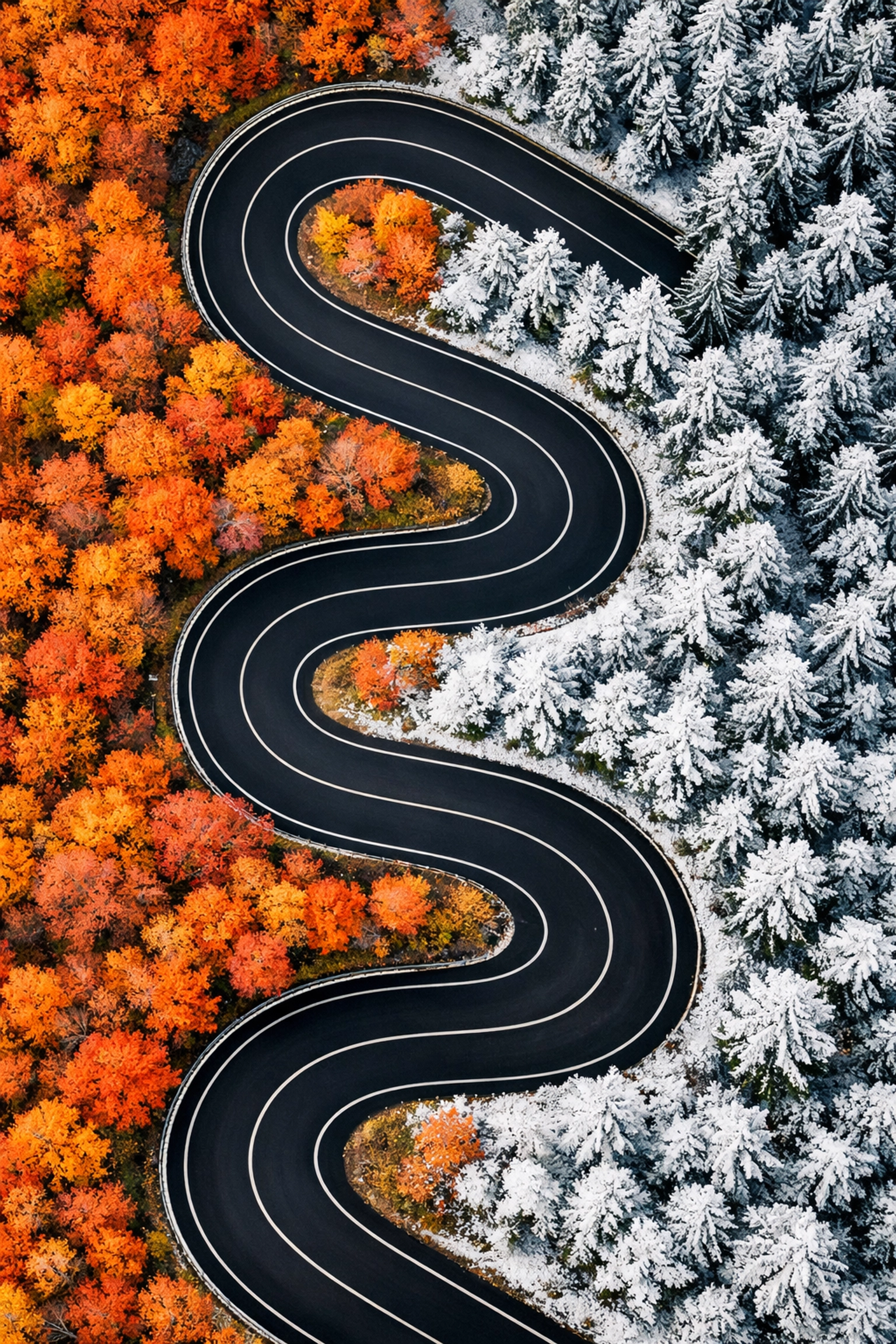
- Autumn: New England (Acadia) is the gold standard for reds and yellows.
- Summer: High altitude parks like Yosemite or the Rockies are finally accessible without snow gear.
- Winter: Death Valley becomes a paradise. The heat subsides, and the low sun creates long, dramatic shadows across the dunes.
If you’re looking for a quick getaway to test these theories, check out these cheap weekend getaways that are perfect for a landscape refresh.
Final Thoughts: The Photographer's Intuition
At the end of the day, you can have all the AI tools, the best drone, and the most expensive camera gear, but the best photography location is the one that speaks to you personally.
Choosing a location is about a balance of preparation and serendipity. Use the maps, check the AI weather predictions, and look at the "photo spots near me" apps: but when you get there, put the phone down for a second. Look at the way the light hits the rocks. Walk an extra mile past the crowded viewpoint.
The "Epic Shot" is usually found just a few hundred yards away from where everyone else stopped.
For more tips on refining your eye and your business, don't forget to visit the Edin Chavez Blog. We’re here to help you navigate the ever-changing world of photography with confidence. Happy shooting!













