Tokyo has a bit of a reputation. If you listen to the rumors, you’d think you need a gold-plated wallet just to step foot in the Ginza district. People imagine $300 sushi dinners and $80 melons, and while those things definitely exist, they are only a tiny slice of the pie (or the gyoza, in this case).
The truth is, Tokyo is one of the best cities in the world for budget travel food. As someone who spends a lot of time behind the lens, I know that when you're out exploring the streets of Shinjuku or capturing the sunrise at Senso-ji, you need fuel that is fast, delicious, and doesn’t drain your camera gear fund. At Photoguides, we’re all about making the world accessible, and that includes making sure you’re well-fed while you’re out there capturing it.
Whether you’re a professional photographer like Edin Chavez or a backpacker on their first solo trip, finding "best cheap eats" in Tokyo is actually surprisingly easy once you know where to look. Let’s dive into how you can eat like a king on a pauper's budget.
The Magic of the Japanese Set Meal (Teishoku)
If you take only one piece of advice from this post, let it be this: look for the word Teishoku.
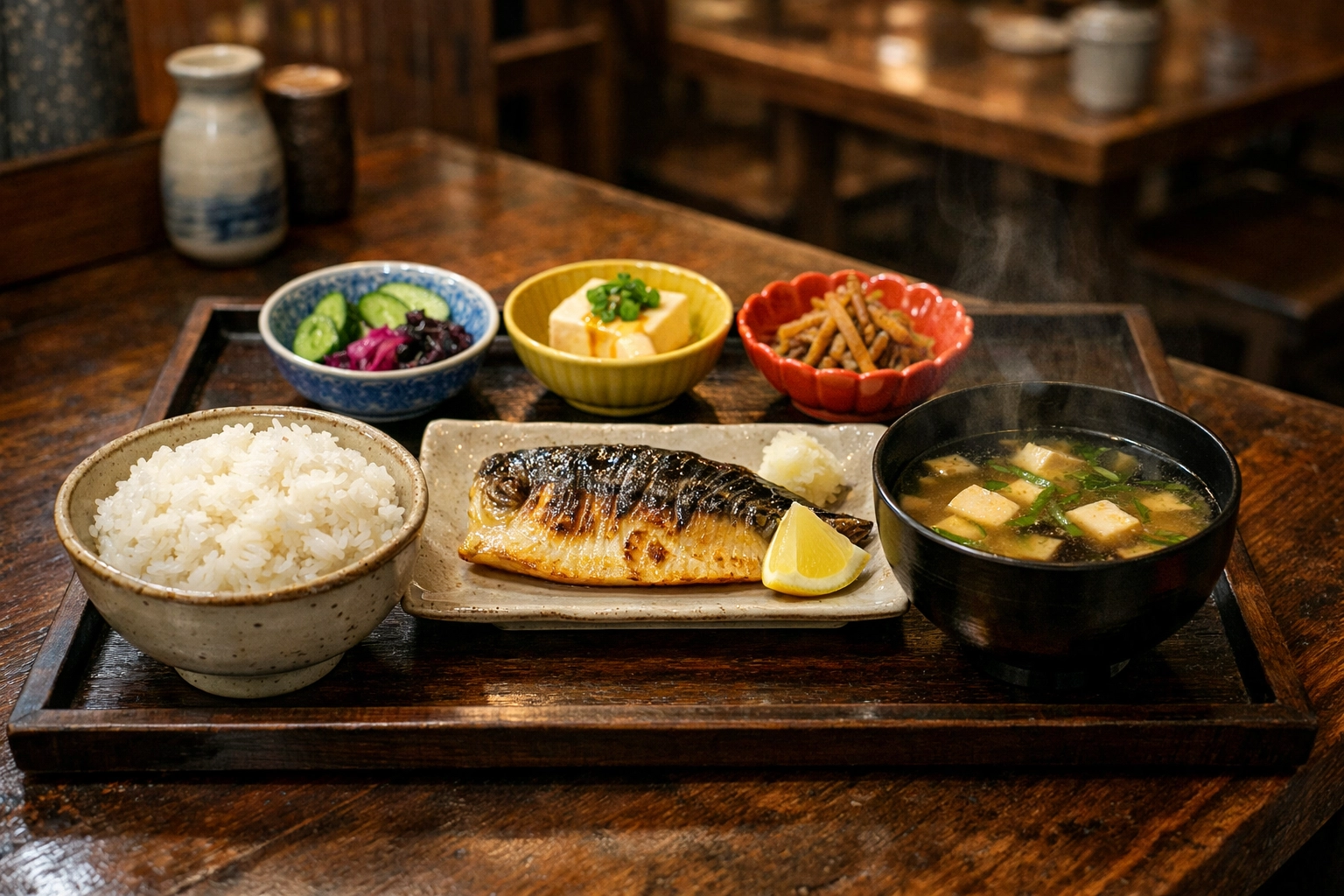
A Teishoku is a traditional Japanese set meal. It usually consists of a main dish (like grilled fish, tonkatsu, or ginger pork), a bowl of rice, a bowl of miso soup, and a side of pickles or a small salad. It is the ultimate "budget travel food" hack because it is nutritionally balanced and incredibly filling.
You can find these sets in small basement restaurants and chain shops like Ootoya or Yayoi Ken. Most of these places will have a ticket machine at the front. You pop in your yen, press the button for what looks good (usually there are pictures!), and hand the ticket to the staff. You can easily walk away stuffed for about 800 to 1,200 yen (roughly $6 to $9 USD).
Ramen: Michelin Stars for Under $10
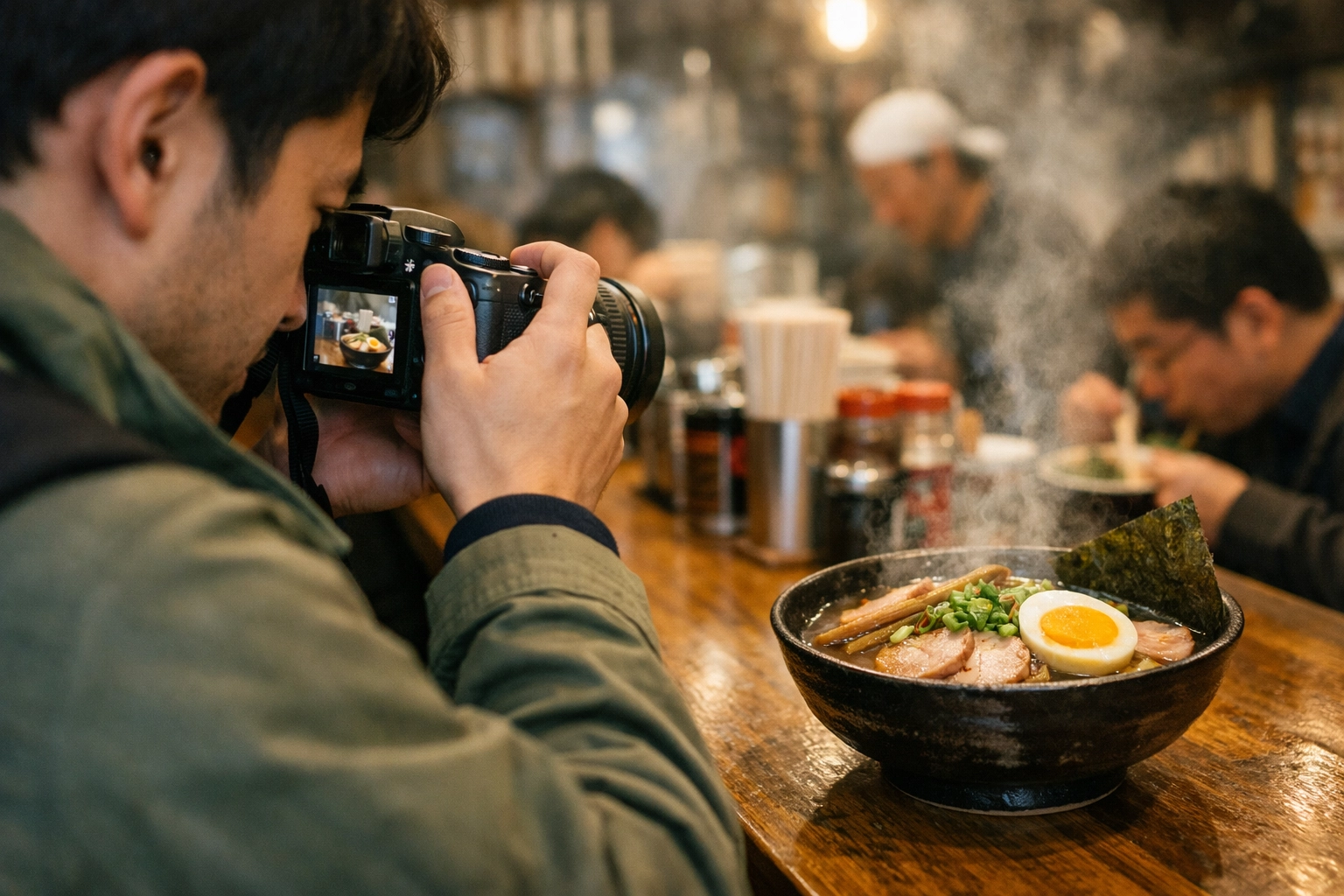
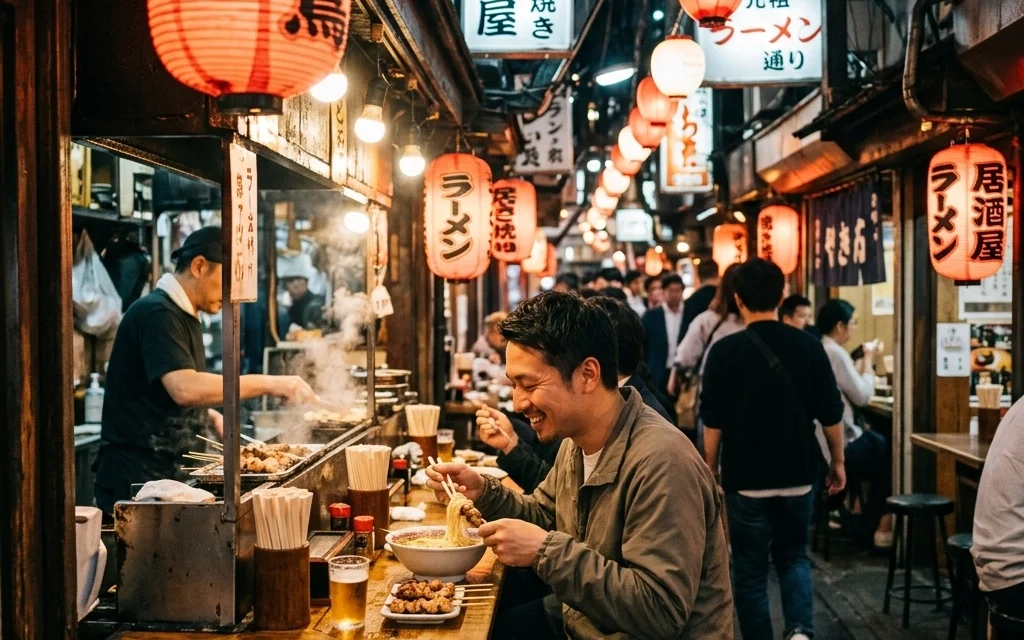
You can’t talk about Tokyo food without mentioning ramen. It is the soul of the city. While you can find luxury ramen, the vast majority of shops serve bowls for under 1,000 yen.
The best part? Tokyo is home to several ramen shops that have actually earned Michelin stars or "Bib Gourmand" status. Places like Konjiki Hototogisu or Nakiryu offer world-class culinary experiences for the price of a movie ticket. Even if you don't go for the famous spots, a local shop in a neighborhood like Yanesen will serve you a steaming bowl of shoyu or tonkotsu ramen that will change your life.
If you're out late shooting street photography: maybe checking out some essential photography gear tips: a midnight bowl of ramen is practically a rite of passage.
The Secret World of Depachika and Conbini
When we talk about cheap eats, we have to talk about the "Conbini" (convenience stores). 7-Eleven, Lawson, and FamilyMart in Japan are not like the gas stations back home. They are culinary wonderlands.
You can get high-quality onigiri (rice balls) for $1, surprisingly good pasta, and the legendary Japanese egg salad sandwiches that Anthony Bourdain used to rave about. If you’re planning one of those cheap weekend getaways, grabbing a haul from a conbini for a picnic in Ueno Park is a pro move.
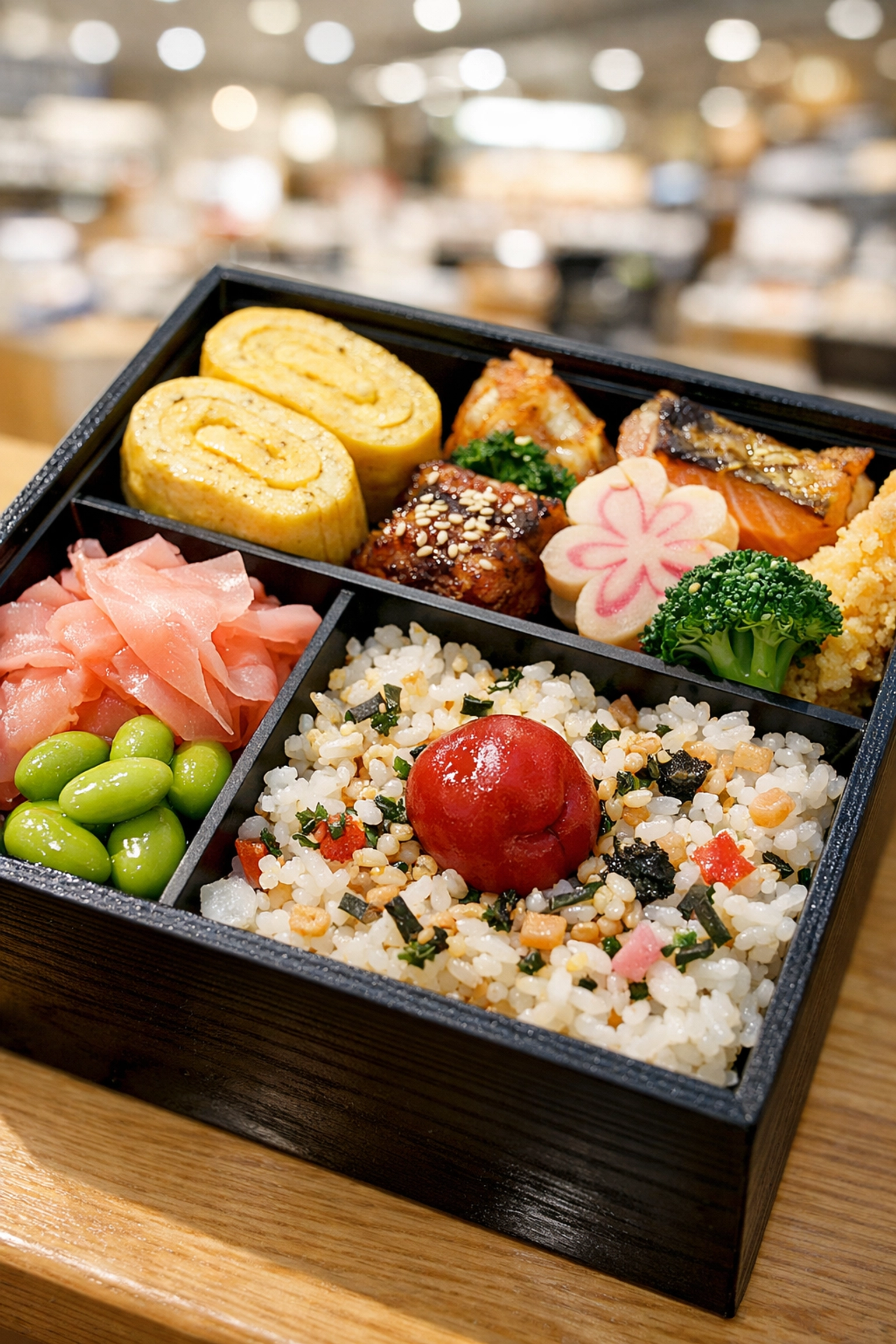
But if you want to take it up a notch, head to a Depachika. These are the food halls located in the basements of major department stores like Isetan or Takashimaya. While the prices can be high during the day, here is the secret: go about 30 to 60 minutes before closing time. You’ll see staff frantically slapping "half-off" stickers on premium bento boxes, sushi platters, and yakitori. It’s the best way to get high-end food for a fraction of the cost.
Yurakucho’s Yakitori Alley
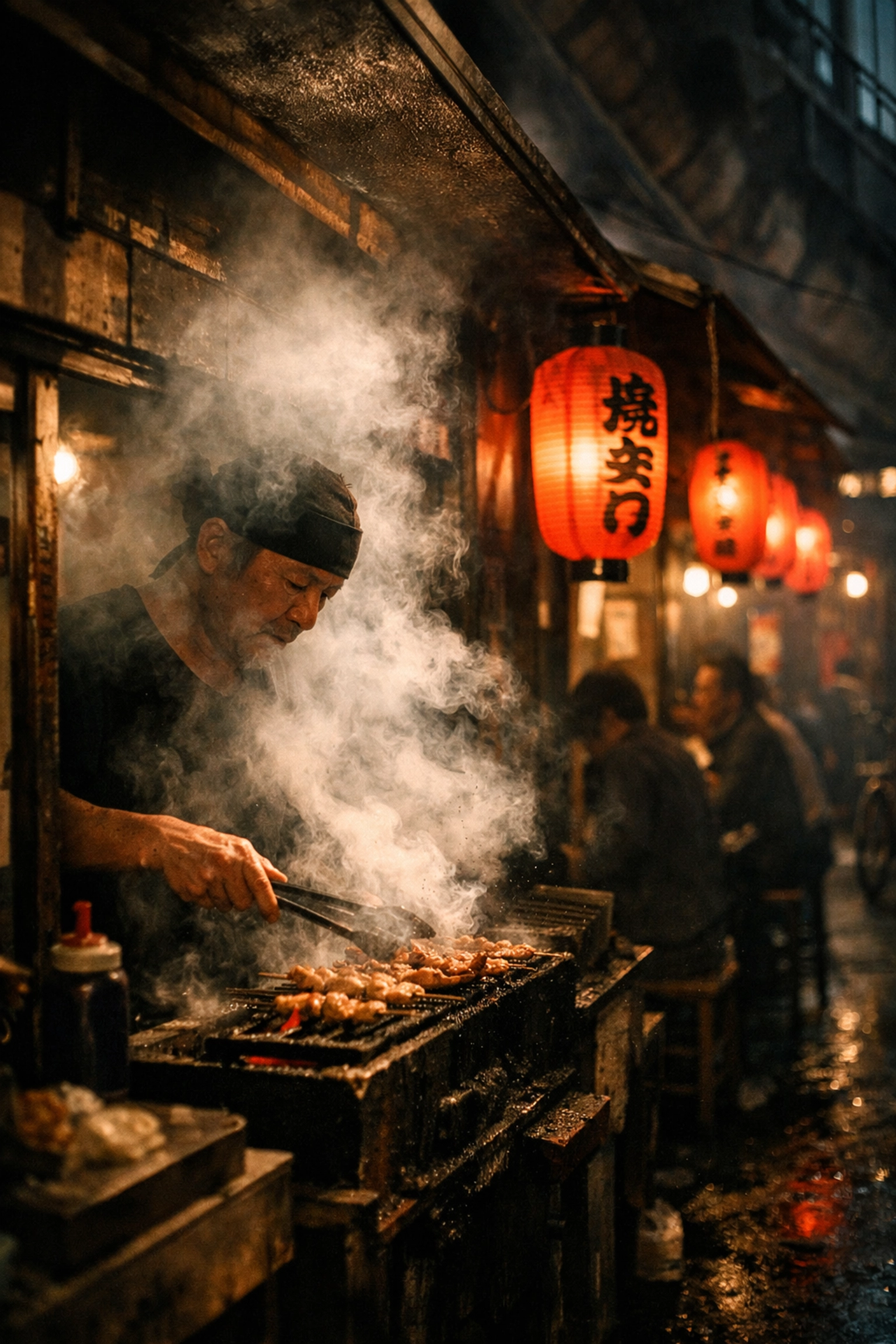
For a more atmospheric experience, head to the Girders under the railway tracks near Yurakucho Station. This area is known as "Gakoku" or "Yakitori Alley." It’s a smoky, loud, and wonderful place where salarymen go to unwind after work.
Small stalls serve skewers of grilled chicken (yakitori) for as little as 150-200 yen each. You can grab 5 or 6 skewers and a cold drink, and you’re looking at a bill that’s very friendly to your wallet. It’s also a fantastic place for photography: the contrast between the glowing red lanterns and the dark railway arches is a dream. If you're looking for more tips on capturing these kinds of urban vibes, check out Shut Your Aperture for gear and technique discussions.
Lunch Specials: The Professional’s Strategy
In Tokyo, dinner is expensive. Lunch, however, is a bargain. Many high-end restaurants in areas like Ginza or Roppongi offer lunch specials (called "ranchi") that are essentially the same quality as their dinner service but at a 50% discount.
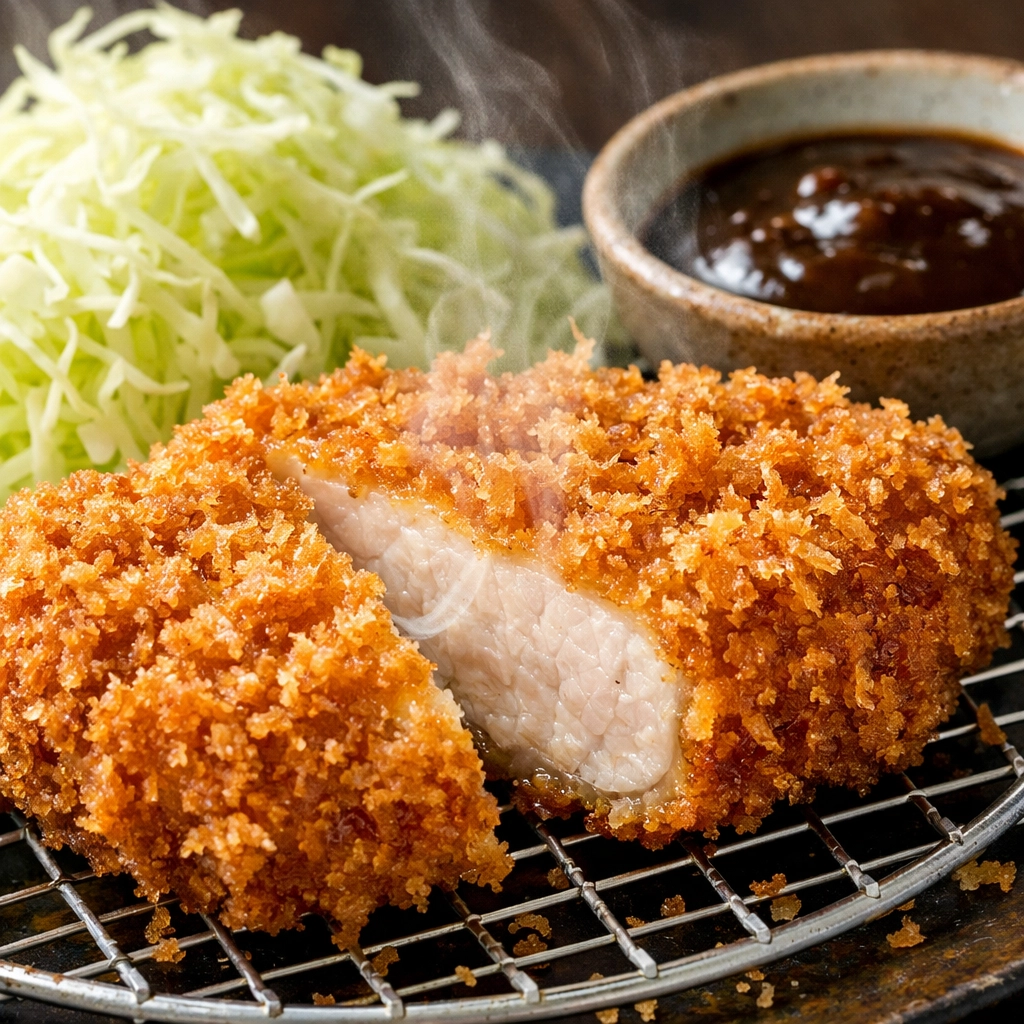
For example, a Tonkatsu (breaded pork cutlet) set at a famous place like Maisen Aoyama might be quite pricey at night, but during lunch, you can find sets starting at 1,500 yen. Many of these places even offer free refills on rice, cabbage, and miso soup. It’s a great way to experience "luxury" dining without the luxury price tag.
Don’t Forget the Standing Sushi Bars
If you want sushi but don't want to pay the "Omakase" prices, look for Tachigui (standing) sushi bars. These are often found near train stations. Since there are no chairs, the turnover is high, and the prices are low. You can order individual pieces of fresh fish for 100 to 300 yen each. It’s fast, fresh, and remarkably high quality.
For those of us who are always on the move, these spots are perfect. I often stop at one of these before heading to a shoot. If you're interested in the more artistic side of photography, you can see how I capture these city moments over at Edin Fine Art.
Practical Tips for Your Budget Food Tour
- Look for Ticket Machines: Many of the cheapest and best spots use vending machines at the entrance. Don't be intimidated! Usually, there are pictures. Just put your money in first, then press the button.
- Water and Tea are Free: Unlike in many Western countries, you don’t have to pay for a drink. Almost every casual restaurant will provide a pitcher of ice water or hot green tea for free.
- No Tipping: This is the big one. Tipping is not a thing in Japan. In fact, it can sometimes be seen as rude. The price you see on the menu (or the ticket machine) is what you pay. This automatically saves you 15-20% compared to dining in the US.
- Stay Near Local Stations: While the tourist hubs have cheap food, the truly legendary local spots are often one or two stops away from the main hubs on the Yamanote line.
Capturing the Experience
As you wander through Tokyo’s narrow alleys looking for the perfect bowl of noodles, don't forget to keep your camera ready. Food photography is a huge part of the travel experience. At Photoguides, we love seeing how travelers document their culinary journeys. If you’re looking to sharpen your skills before your trip, our educational category is packed with tips.
Tokyo is a city that rewards the curious. It’s a place where a tiny, hole-in-the-wall shop with only four seats can serve the best meal of your life. So don't let the "expensive" label scare you away. Grab your camera, bring your appetite, and get ready to discover that the "best cheap eats" aren't just a way to save money: they're the heart and soul of the city.
For more travel inspiration and photography deep-dives, be sure to check out the Edin Chavez Blog. Safe travels and happy eating!