
Let's be real, landing consistent photography work in 2026 can feel like shouting into the void. You've got the skills, the gear, and a killer portfolio, but somehow the clients just aren't rolling in like you'd hoped. If you've been there (and honestly, who hasn't?), you're in the right place.
The good news? Finding photography gigs in 2026 doesn't have to mean cold-calling strangers or begging for exposure on social media. Thanks to platforms like ProShoot.io, the game has changed. Whether you're just starting out or you're a seasoned pro looking to fill your calendar, this guide will walk you through the strategies that actually work, without the fluff.
Why 2026 Is Different for Photographers
The photography industry has evolved massively over the past few years. Clients are more savvy, competition is fierce, and everyone's got a smartphone that shoots in 4K. But here's the thing: that also means demand for professional photographers has never been higher.
People recognize the difference between a decent snapshot and images that tell a story. Businesses need quality content for their brands. Couples want their weddings documented beautifully. Real estate agents need stunning property shots. The work is out there, you just need to know where to look and how to position yourself.
That's where ProShoot.io comes in. It's designed to connect photographers with clients who are actively looking for someone with your exact skills. No more guessing games or wasted marketing dollars.
Start with ProShoot.io: Your New Secret Weapon
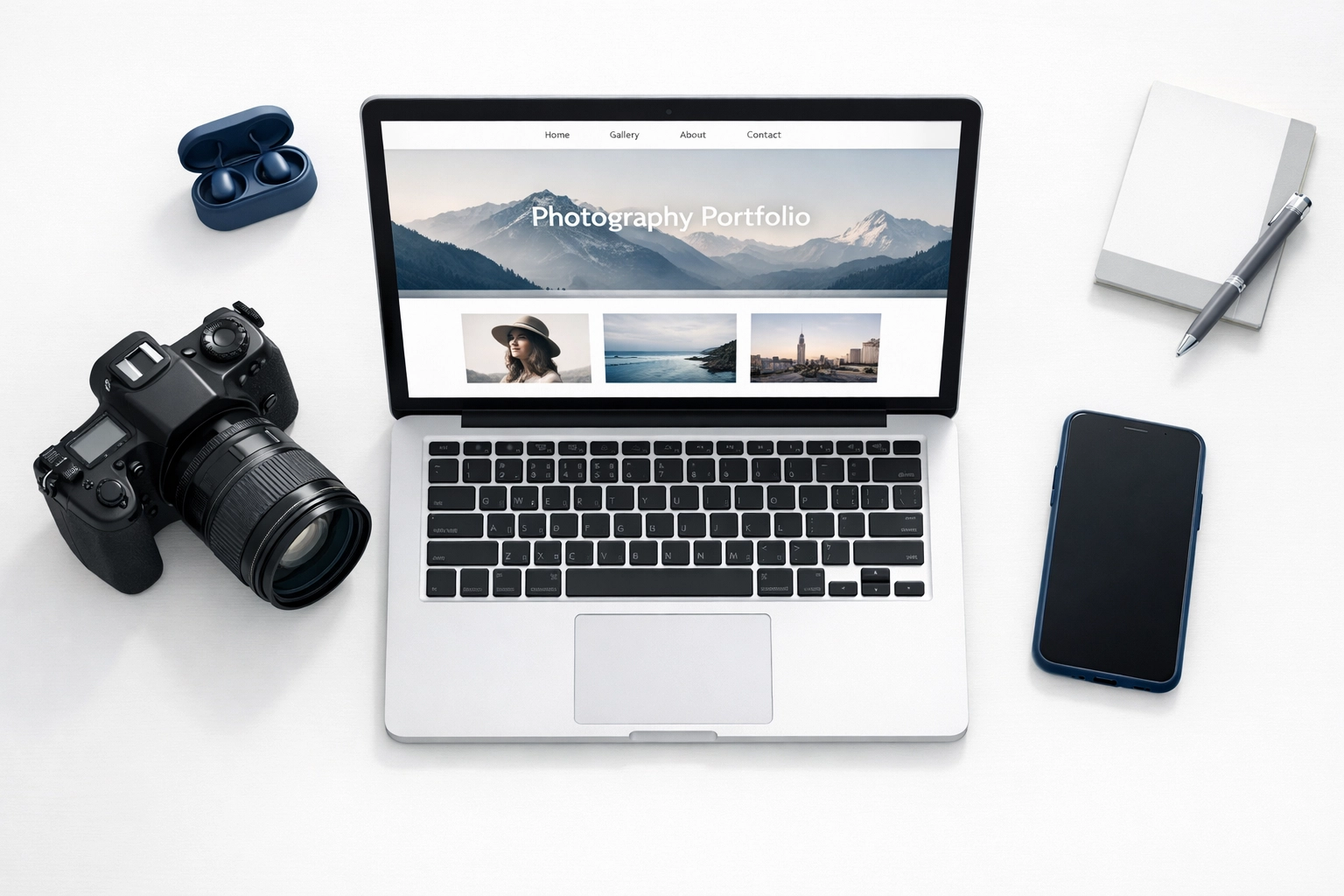
If you haven't checked out ProShoot.io yet, you're missing out on one of the simplest ways to get booked. Think of it as a bridge between you and clients who actually need your services, right now.
The platform streamlines the entire booking process. Clients post their photography needs, you respond with your availability and pricing, and boom, you're hired. No awkward negotiations, no endless email chains, just straightforward work opportunities landing in your lap.
For beginners, this means you can start building your client base and portfolio without having to already have a massive social media following. For pros, it's a reliable way to fill gaps in your schedule and discover new types of projects you might not have considered before.
Define Your Niche (Seriously, Do It)
Here's a truth bomb: trying to be everything to everyone will leave you being nothing to anyone. In 2026, specialization wins.
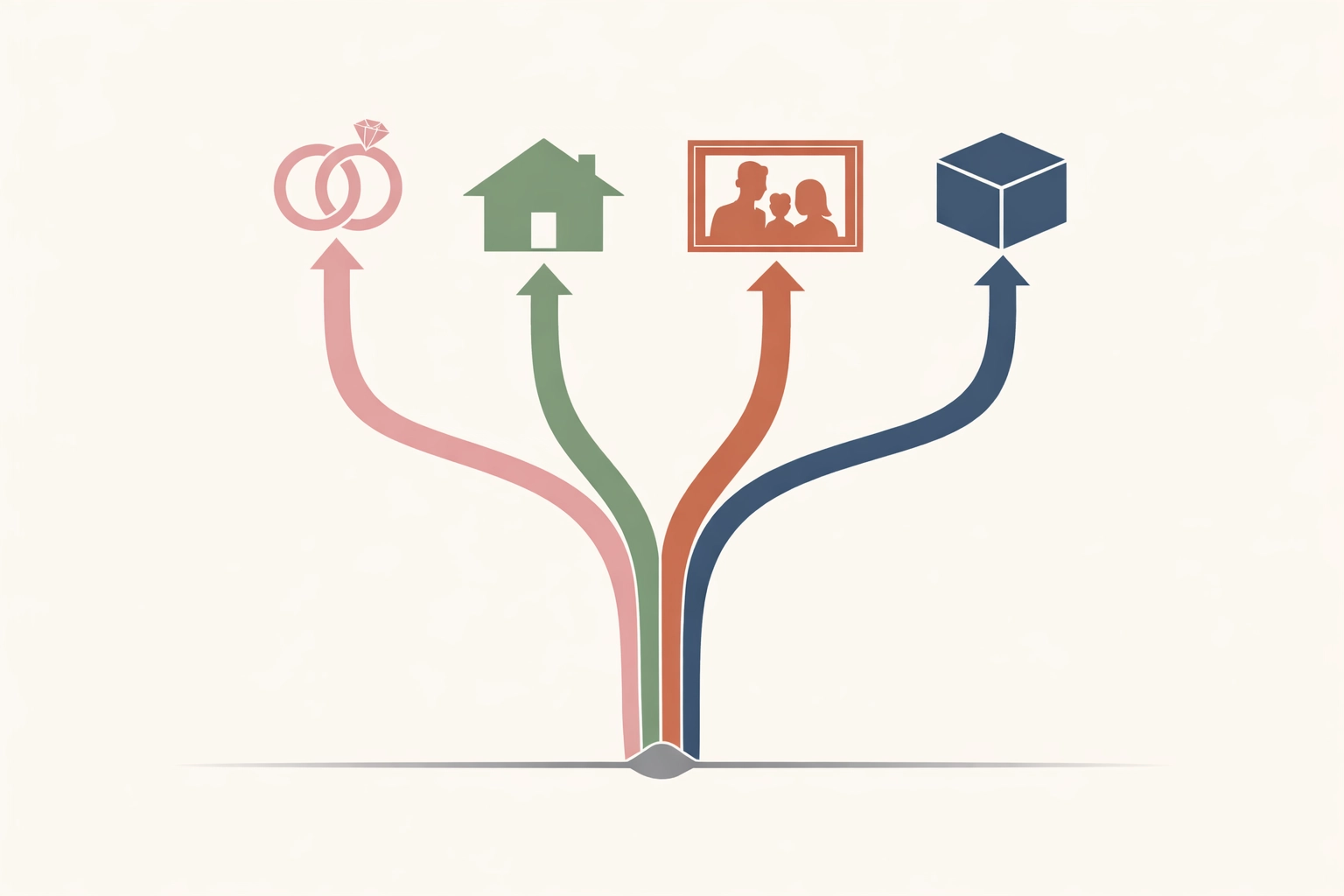
Are you a wedding photographer? A product photographer? Do you crush it with real estate shoots or family portraits? Pick your lane and own it. When you specialize, you can charge more, attract better clients, and market yourself way more effectively.
Your niche should inform everything, your portfolio, your social media content, even how you describe yourself at networking events. "I'm a photographer" gets a polite nod. "I specialize in luxury wedding photography for couples who want editorial-style images" starts a conversation.
Need help figuring out your specialty? Check out the educational resources at Photoguides for some inspiration on different photography paths you can take.
Build Your Online Presence (But Keep It Simple)
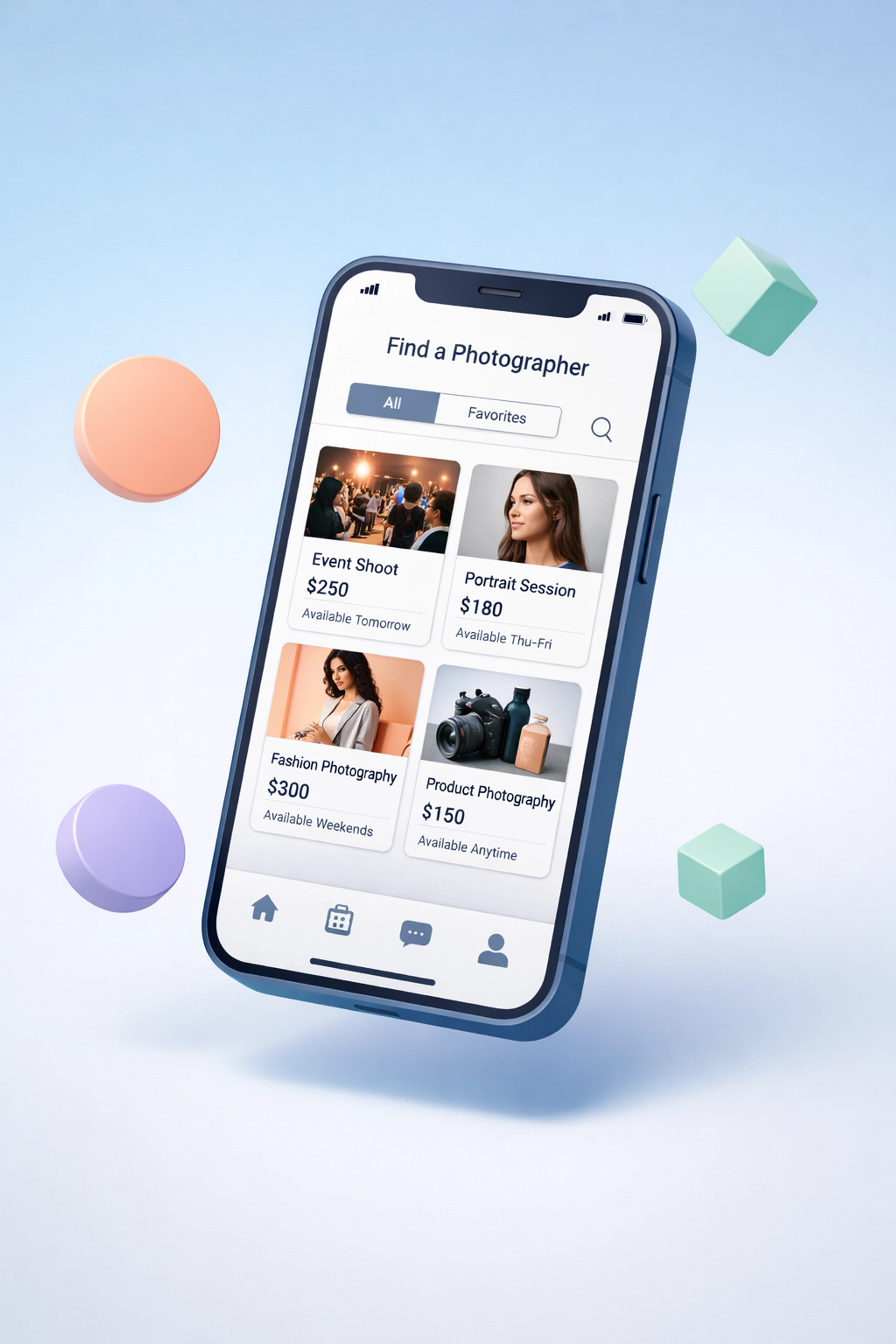
You don't need a fancy website with all the bells and whistles, but you do need a digital home base. Something clean, easy to navigate, and that shows off your best work.
Your website should include:
- A portfolio showcasing your strongest images (10-15 photos is plenty)
- Clear contact information
- Your rates or starting prices (trust me, this saves everyone time)
- A brief bio that explains what you do and who you serve
If you're feeling overwhelmed by the tech side of things, platforms like Edin Studios can help you get set up with a professional online presence that actually converts visitors into paying clients.
And hey, while you're at it, optimize for local SEO. If you're a Boston wedding photographer, say that everywhere, your homepage, your bio, your image descriptions. When someone searches "wedding photographer near me," you want to be the one who pops up.
Leverage Social Media (Without Losing Your Mind)
Instagram remains king for photographers in 2026, but the strategy has shifted. It's not about posting every day anymore, it's about posting strategically.
Here's what works:
- Make your bio ultra-specific: Include your location and specialty
- Tag vendors and collaborators in your posts (they'll often reshare, exposing you to their audience)
- Use location tags religiously
- Share behind-the-scenes content, not just polished final images
- Engage authentically with your target audience's content
But don't sleep on other platforms. Pinterest is excellent for wedding and portrait photographers. LinkedIn can be gold if you're targeting corporate clients. Go where your ideal clients actually spend time.
Master the Art of Networking (Yes, IRL Still Matters)
Digital platforms like ProShoot.io are incredible, but don't underestimate the power of good old-fashioned networking. Some of your best gigs will come from relationships with other creatives and local businesses.
Consider:
- Working as a second shooter for established photographers (you get paid, gain experience, and build your network all at once)
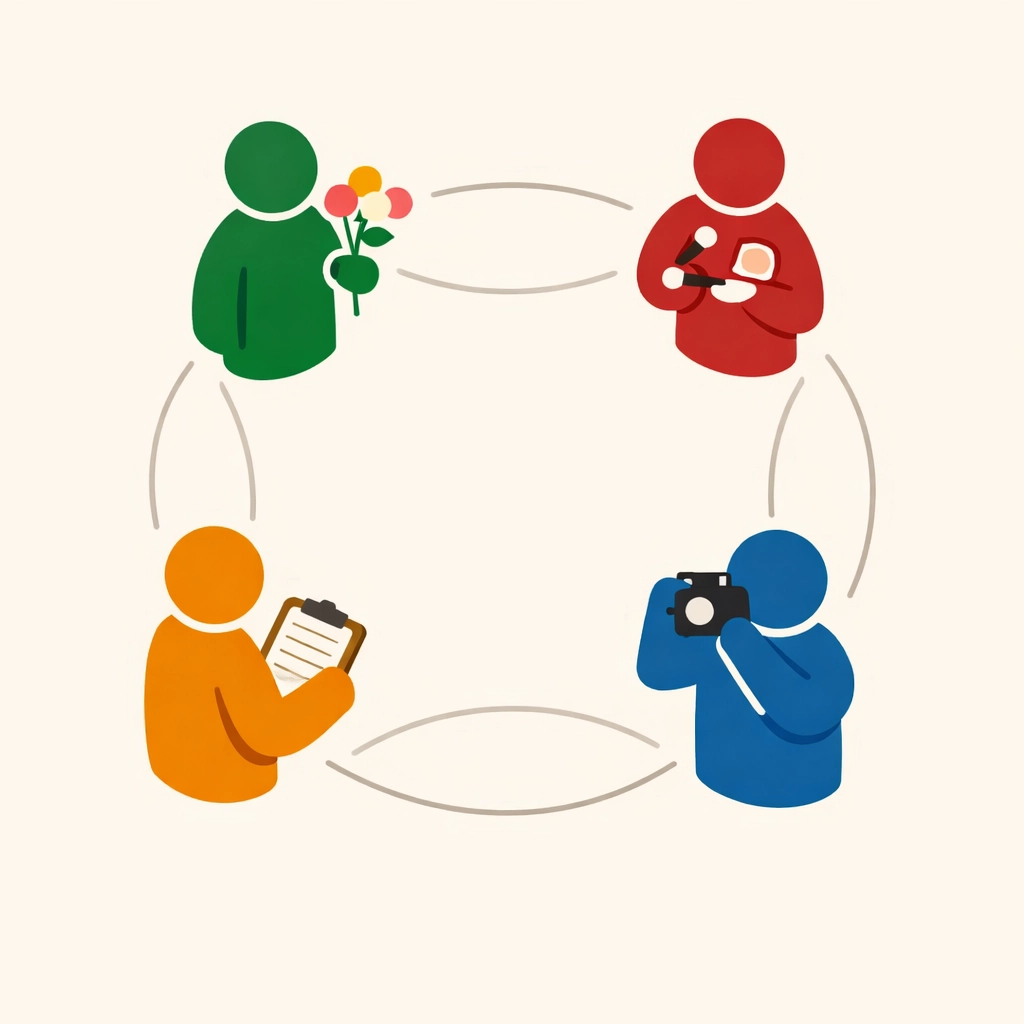
- Partnering with wedding planners, florists, makeup artists, and venues
- Joining local business groups or photography meetups
- Hosting or participating in styled shoots with other vendors
These relationships often lead to referrals, which are basically the golden ticket in this industry. When a florist you've worked with recommends you to a bride, that's a warm lead with built-in trust.
Offer Mini Sessions for Quick Wins
Want to boost your income and keep your calendar full? Mini sessions are your friend. These are shorter shoots: usually 15-30 minutes: with limited deliverables. Think fall family portraits, spring graduation photos, or quick headshot sessions.
The beauty of mini sessions is that you can book multiple clients in the same location on the same day. Your hourly rate goes up, clients get an affordable entry point to your services, and you stay busy during slower seasons.
Pro tip: Package these around seasonal themes or holidays for maximum appeal. People love a good themed session, and it gives them a clear reason to book now rather than "someday."
Create Content That Works for You
Starting a photography blog might sound like extra work, but it's one of those things that pays dividends over time. When potential clients search for "best engagement photo locations in [your city]" or "what to wear for family photos," your blog posts can be what brings them to your site.
You don't need to post daily: even one solid blog post per month can boost your SEO and establish you as an expert. Focus on answering the questions your ideal clients actually have.
If you need inspiration for photography content that resonates, swing by Photoguides.org for examples of how to create helpful, engaging resources that attract your target audience.

Track What Actually Works
Here's something nobody talks about enough: not every marketing effort will pay off, and that's okay. The key is to track what does work and double down on it.
Keep notes on where your inquiries come from. Was it Instagram? A vendor referral? Your website? ProShoot.io? After a few months, you'll start to see patterns. Maybe Instagram brings lots of likes but no bookings, while ProShoot consistently delivers paying clients. Use that data to adjust your strategy.
Stop wasting time on platforms that look good on paper but don't actually fill your calendar. Focus your energy where it counts.
Your Next Steps
Landing more photography gigs in 2026 isn't about working harder: it's about working smarter. Platforms like ProShoot.io remove the friction from finding clients, while the strategies we've covered here help you build a sustainable, profitable photography business.
Start by getting crystal clear on your niche, claim your spot on ProShoot.io, optimize your online presence, and begin building those valuable relationships with other vendors and creatives in your area. Before you know it, you'll be turning down gigs instead of scrambling to find them.
Remember, every successful photographer you admire started exactly where you are now. The difference is they took action. So what are you waiting for?
This is post #1 in our 30-part series on finding photography work in 2026. Stay tuned for more practical tips, real talk, and strategies that actually move the needle for your photography business.













