
So you've finally made it to that famous landmark you've been dreaming about, the Eiffel Tower, Golden Gate Bridge, or maybe the Colosseum. You've got your camera ready, but here's the problem: you're surrounded by hundreds of other tourists taking the exact same shot. How do you make yours stand out?
Let me introduce you to ICM photography, or Intentional Camera Movement. It's a technique that transforms ordinary landmark shots into abstract, painterly images that actually look unique. And the best part? You can nail it in about five minutes once you know what you're doing.
What Exactly Is ICM Photography?
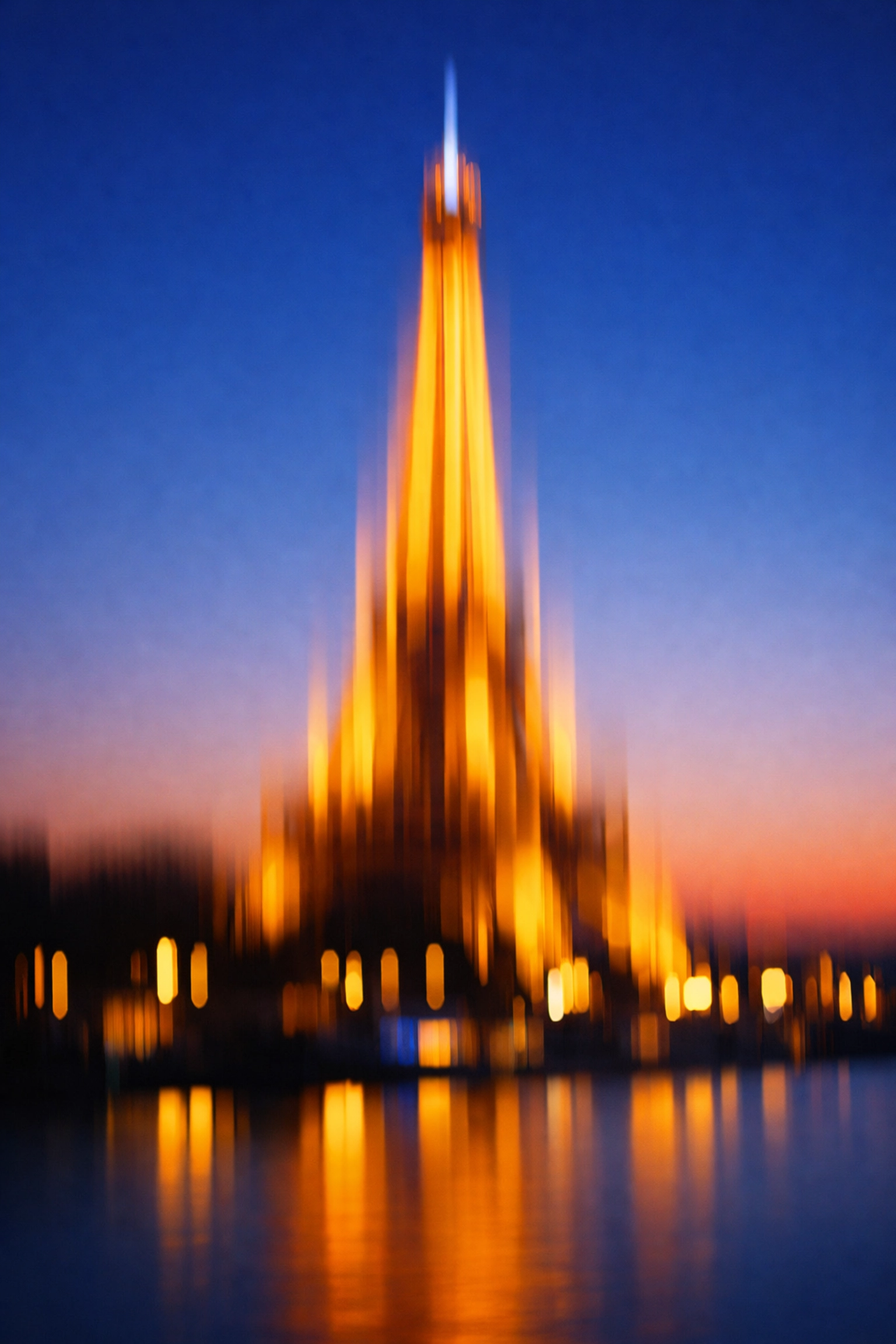
ICM is pretty much what it sounds like, you're deliberately moving your camera while the shutter is open to create artistic blur. Unlike accidental camera shake (which we've all experienced), ICM is controlled and purposeful. You're essentially painting with light and motion.
The technique works especially well at famous landmarks because it gives you a fresh perspective on places that have been photographed millions of times. Instead of capturing every architectural detail, you're creating an impressionistic interpretation that conveys the feeling and essence of the place.
If you're looking to expand your creative photography toolkit, Photoguides offers tons of resources for experimenting with different techniques at locations around the world.
Set Up Your Camera Before You Arrive
Here's the secret to shooting ICM in five minutes: do your prep work beforehand. Don't waste precious time fiddling with settings when you could be shooting.
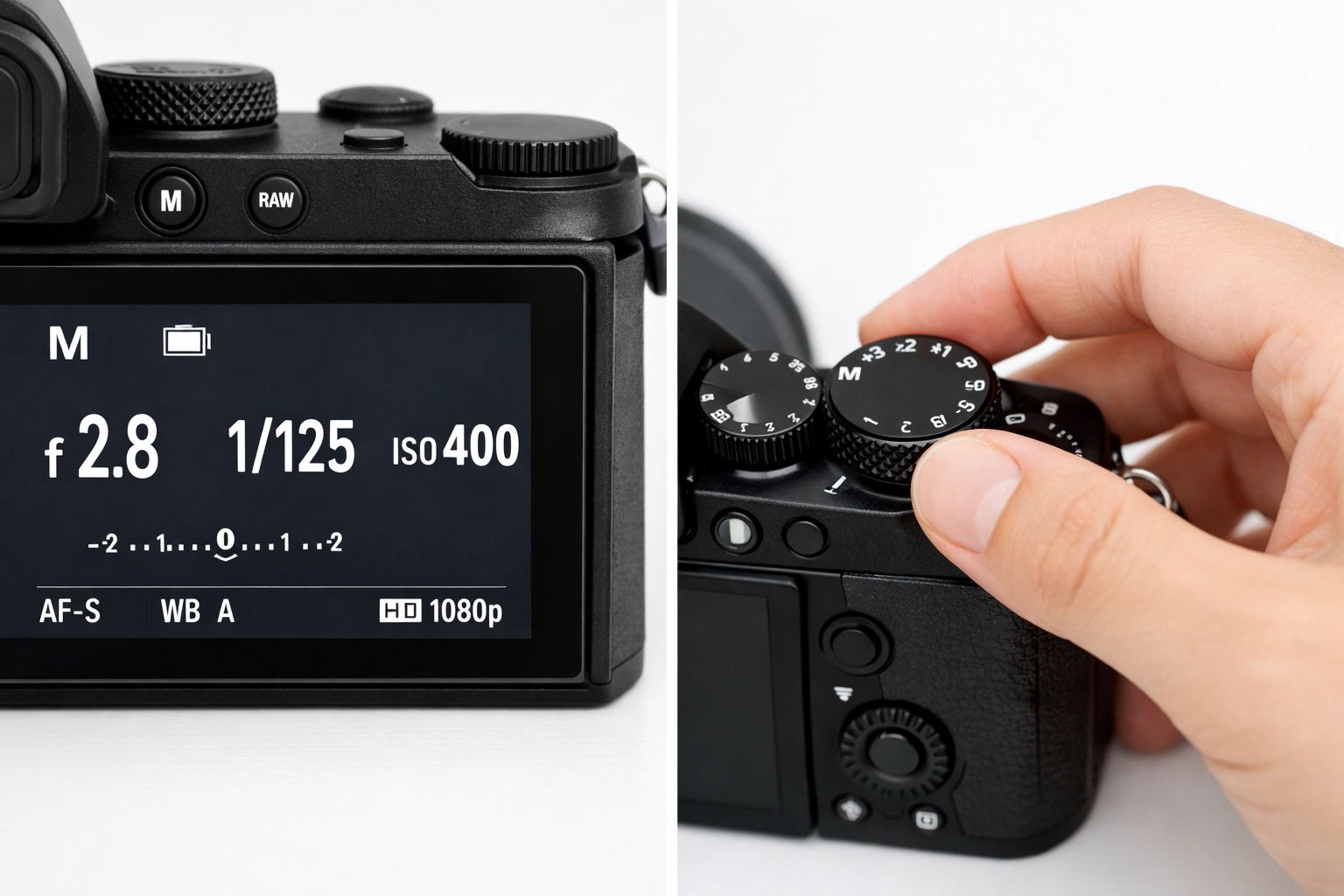
Start with these baseline settings:
- ISO: 100 or as low as your camera goes
- Aperture: f/22 or higher (try f/32 in bright conditions)
- Shutter speed: Begin at 1 second
- Focus mode: Autofocus first, then lock it and switch to manual
The goal is to get a slow enough shutter speed that your camera movement creates visible blur. The longer your exposure, the more abstract your results will be. If you want the landmark to remain somewhat recognizable, start with 0.5 seconds. For full abstraction, go for 1-2 seconds or longer.
The Quick Movement Techniques That Work Best
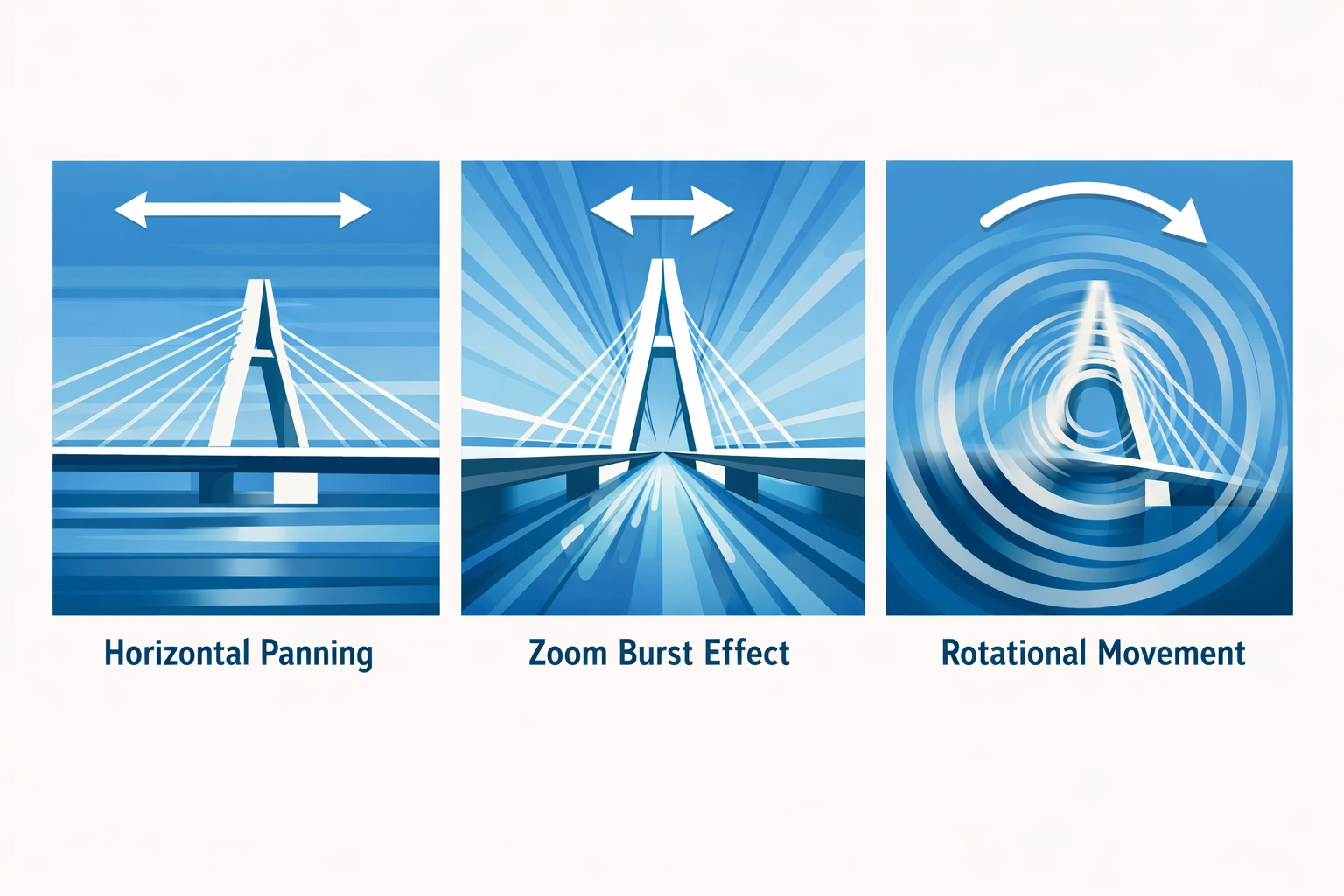
You don't need to get fancy with ICM. Three basic movements will give you great results at landmarks:
Horizontal or vertical panning is your go-to technique for architectural subjects. Simply sweep your camera smoothly left-to-right or top-to-bottom across the landmark's features. This preserves some recognizable elements while creating intentional streaks of blur. It works beautifully on buildings, bridges, and monuments with strong vertical or horizontal lines.
The zoom technique creates radiating streaks that emanate from the center of your frame. While your shutter is open, twist your zoom ring, either zooming in or out. This works especially well when you want to draw attention to a central element of the landmark, like a tower or statue.
Rotational movement means twisting your camera clockwise or counterclockwise during the exposure. This creates circular, spiral patterns that work great with landmarks that have interesting skylines or surrounding elements.
The Five-Minute Execution Plan
Alright, you're at your landmark with your camera pre-configured. Here's your game plan:
Minute 1: Find your composition. Look for interesting lines, colors, or contrasts in the landmark. ICM works best when there's visual interest to blur: boring subjects create boring abstracts.
Minute 2: Take your first test shot using a horizontal pan. Start moving your camera through the scene before you press the shutter. Keep moving smoothly throughout the exposure and even for a moment after. This ensures you don't get jerky starts or stops in your blur.
Minute 3: Review your test shot and adjust. Too blurry? Increase your shutter speed to 0.5 seconds or pan slower. Not blurry enough? Decrease to 1.5-2 seconds or move faster. The goal is deliberate, confident blur: not accidental-looking mess.
Minute 4: Try a different movement direction. If you started with horizontal, try vertical. Or experiment with the zoom technique. Variety gives you options to choose from later.
Minute 5: Take multiple shots of your best technique. ICM is unpredictable, so shoot several versions. Vary your speed and direction slightly with each frame.
The Mistakes to Avoid
The biggest mistake people make with ICM is hesitant, timid movements. Your gesture needs to be deliberate and confident, or the result looks like an accidental blur rather than artistic intention. Commit to your movement.
Don't chimp (constantly check your LCD) after every single shot. You'll waste time and lose momentum. Take a few shots, then review as a batch.
Also, don't forget about light conditions. If you're shooting in bright midday sun and can't get your shutter speed slow enough even at f/22 and ISO 100, you'll need an ND (neutral density) filter. This is where a bit of planning helps: check the weather and lighting conditions for your landmark visit ahead of time.
When ICM Works Best at Landmarks
ICM isn't always the right choice, but it shines in specific situations:
Crowded locations: When a landmark is packed with tourists and you can't get a clean shot, ICM turns the crowds into abstract streaks that disappear into your composition.
Harsh lighting: Shooting at noon with harsh shadows? ICM softens everything and makes those harsh conditions less of a problem.
Repetitive elements: Landmarks with repeating patterns: colonnade, fence posts, rows of windows: create mesmerizing rhythmic patterns with ICM.
Colorful subjects: The more color variation in your landmark, the more striking your ICM results. Think of the colored houses of Burano, Italy, or the neon signs of Tokyo.
For more location-specific photography tips and gear recommendations, check out Proshoot.io, which offers practical resources for photographers on the go.
Make It Your Own Style
Once you've mastered the basics, start experimenting with your own variations. Try combining a sharp foreground element (using a slower pan that keeps something stationary) with a blurred background. Or experiment with multi-directional movement: pan, then zoom, then rotate in a single exposure.
Some photographers use ICM as a starting point and blend it with sharp images in post-processing, creating layered effects. Others shoot multiple ICM exposures of the same landmark and combine them for complex, abstract compositions.
The point isn't to follow rules: it's to develop your own visual language that makes your landmark photos distinctly yours.
Why This Technique Matters
Look, we all know the internet is flooded with identical photos of famous landmarks. ICM gives you a way to create something different without needing special access, expensive equipment, or perfect conditions. You just need a basic understanding of exposure and the willingness to move your camera intentionally.
It's also liberating. You're not trying to capture reality: you're interpreting it. That takes the pressure off getting everything "perfect" and lets you be more creative and playful with your photography.
Whether you're traveling to world-famous destinations or exploring local landmarks, ICM adds a creative tool to your photography arsenal that takes just minutes to execute but can yield strikingly unique images. The more you practice, the more you'll develop an instinct for which landmarks will translate well into abstract motion and which movements will create the most compelling results.
Next time you're standing in front of that iconic landmark with hundreds of other photographers, take your standard shot: then spend five minutes creating something nobody else will have. Your portfolio will thank you.