
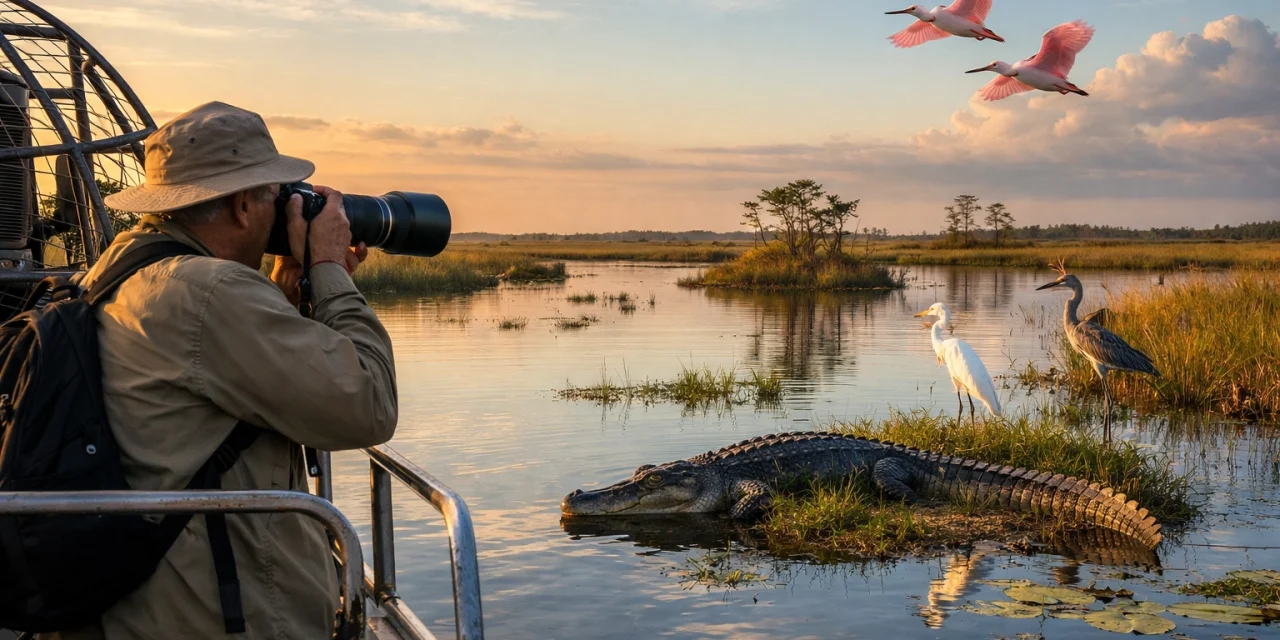
So, you’re thinking about heading down to the "River of Grass" with your camera? First off, let me just say: great choice. The Florida Everglades is one of the most unique ecosystems on the planet. It’s a place where the light hits differently, the wildlife is literally everywhere, and the sense of peace you get out on the water is hard to find anywhere else.
But here’s the thing, the Everglades is huge. It’s over 1.5 million acres of sawgrass prairies, mangrove forests, and cypress swamps. If you just show up with a camera and hope for the best, you might end up staring at a lot of grass and wondering where all the "good stuff" is. That’s where a professional photography tour comes in.
I’m Edin Chavez, and I’ve spent years navigating these waters to capture the perfect shot. Whether you’re a pro or just starting out, picking the right tour is the difference between a folder full of "okay" snapshots and a portfolio of gallery-ready art. Before you book your trip, here are 10 things you really need to know about Everglades photography tours.
1. Pricing Varies (And You Get What You Pay For)
When you start looking for tours, you’ll see prices all over the map. You might find a generic "airboat ride" for $50, or a dedicated photography safari for $500. It’s important to understand the difference.
General tours are designed for tourists who want to see an alligator and go home. Photography tours are designed for us. They range from about $225 for a group setting to $500+ for a private experience. Why the jump in price? You’re paying for a captain who knows how to position a boat for the best light, an instructor who understands camera settings, and a much smaller group size (or no group at all) so you aren't fighting for a vantage point.
2. The Wildlife Diversity is Staggering
Most people think "alligators" when they think of the Everglades. And trust me, you’ll see plenty of those. But the real magic for photographers often lies in the avian life. There are over 350 species of birds here. We’re talking Roseate Spoonbills with their vibrant pink feathers, Great Blue Herons, Snowy Egrets, and the elusive Snail Kite.
If you’re lucky, you might even spot a manatee, a dolphin in the saltwater sections, or even a Florida panther (though those are incredibly rare). Because the wildlife is so diverse, you need a guide who understands seasonal patterns. If you want to dive deep into exactly where and when to find these animals, you definitely need to check out our Everglades Photography Guide. It’s the ultimate shortcut to getting the shots you’ve been dreaming of.

3. Timing is Everything for Lighting
In photography, light is our currency. In the Everglades, the light is most dramatic at sunrise and sunset. A reputable photography tour will almost always offer early morning or late afternoon departures.
Between June and October, I almost always recommend the morning sessions. Florida’s afternoon thunderstorms are legendary, and while they make for great cloud photos, they can also get you soaked. If you want those soft, golden tones reflecting off the water, be prepared to set an early alarm. It’s always worth it. For more tips on timing and general wildlife shooting, you can find a wealth of info over at Photoguides.
4. Boat Stability is a Dealbreaker
This is something most people don’t think about until they’re on the water trying to hand-hold a 600mm lens. Not all boats are created equal.
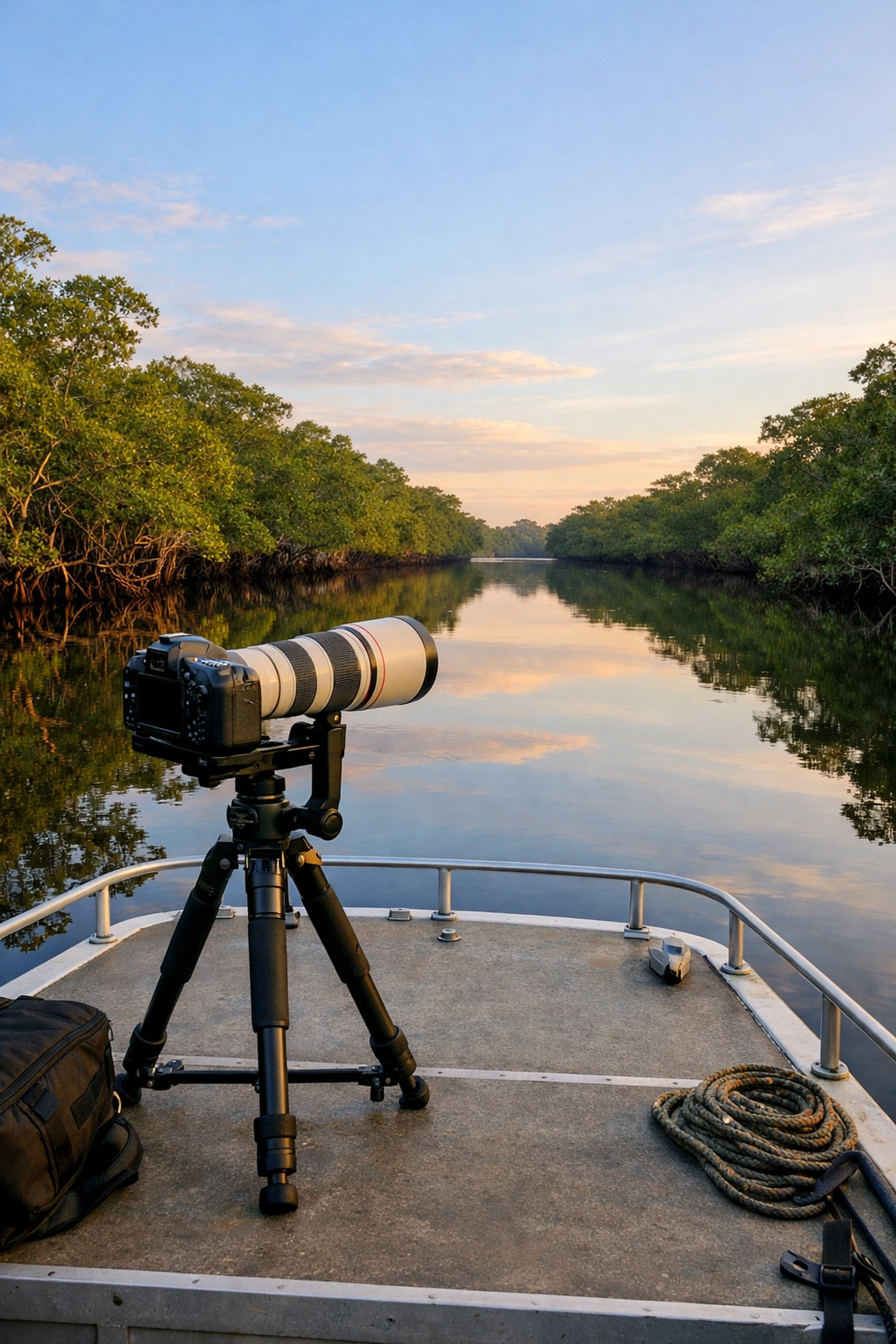
For photography, you want a flat-decked, stable boat. If the boat is rocking every time someone shifts their weight, your long-exposure shots or high-zoom wildlife photos are going to be blurry. Look for tours that specifically mention "photography-friendly" vessels. These boats are often designed to accommodate tripods, giving you the steady platform you need for those tack-sharp images of a hunting heron.
5. Expert Guidance Changes Your Results
You aren't just paying for a boat ride; you’re paying for an eye. A great Everglades photography tour is led by someone who understands both wildlife behavior and photography.
A professional guide, often a Florida Master Naturalist, knows that a certain bird is about to take flight before it even moves its wings. They can position the boat so the sun is at your back, illuminating your subject perfectly. If you’re looking to sharpen your skills before your trip, I’ve shared plenty of my personal techniques and insights over at Edin Chavez’s Blog.
6. Private vs. Group Tours: Choose Wisely
Group tours are great for meeting fellow enthusiasts and keeping costs down. However, if you have a specific "shot list" or you want to spend two hours at a single nesting site, a private tour is the way to go.
On a private tour, the schedule is yours. If the light is hitting a mangrove root just right and you want to stay there for 30 minutes to get the perfect composition, you can. You don't have to worry about five other people wanting to move on to find an alligator. It’s a more personalized, relaxed, and ultimately more productive experience.
7. Multiple Locations to Explore
The Everglades isn't just one "spot." Depending on the tour, you might be heading into:
- The 10,000 Islands: Perfect for coastal birds and dramatic water landscapes.
- Big Cypress National Preserve: Famous for its "ghostly" cypress trees and swamp reflections.
- Shark Valley: Great for land-based shots and alligators.
Each area offers a different vibe and different photographic challenges. When booking, ask where the tour goes and what the primary focus is. If you want to see the "Fine Art" side of what these locations can produce, take a look at Edin Fine Art for some inspiration.

8. Don’t Forget Your Gear (But Don't Overpack)
While a tour guide provides the boat and the knowledge, you need to bring the glass. For wildlife, a lens in the 100-400mm or 200-600mm range is ideal. For those wide-open sawgrass landscapes, a 16-35mm or 24-70mm works wonders.
Beyond the camera, remember the essentials: polarizers to cut the glare on the water, extra batteries, and plenty of memory cards. If you’re wondering exactly what should be in your bag, we have a list of essential photography gear that covers the basics for any outdoor excursion. And please, don't forget the bug spray and sunblock!
9. Flexible Durations
Everglades tours aren't one-size-fits-all. You can find quick 2.5-hour sessions that are perfect if you're on a tight schedule, or multi-day workshops that dive deep into post-processing and advanced field techniques.
If you’re traveling from far away, I usually recommend at least a 4-hour tour. It takes time to get deep into the wilderness where the wildlife feels comfortable. The further you get from the airboat docks and the main roads, the more "authentic" your photos will feel.
10. All Skill Levels are Welcome
Don't feel intimidated if you're a beginner. One of the best things about a photography tour is that it’s a learning environment. Most guides love teaching people how to use their cameras. Whether you’re trying to figure out "Aperture Priority" for the first time or you're a seasoned pro looking for that one specific shot of a Snail Kite, a good tour accommodates everyone.

Why You Need the Everglades Photography Guide
If you're serious about your photography, you know that preparation is half the battle. You can spend days researching on your own, or you can take the "cheat sheet" created by someone who lives and breathes this environment.
My Everglades Photography Guide is more than just a map. It’s a deep dive into the best spots, the best times, and the specific settings I use to capture the beauty of the Florida wetlands. It’s designed to help you maximize your time so that every minute you spend on a tour (or exploring on your own) is productive.
Final Thoughts
The Everglades is a place of quiet beauty and sudden, heart-pounding action. One minute you’re drifting silently past a wall of green, and the next, an Osprey is diving for a fish right in front of your lens.
Booking a photography tour is an investment in your craft. It ensures you’re in the right place, at the right time, with the right support. So, pack your bags, clean your lenses, and get ready for an adventure. I’ll see you out in the swamp!
Ready to start planning? Head over to Photoguides.org for more tips, or grab your copy of the Everglades Photography Guide today.













