
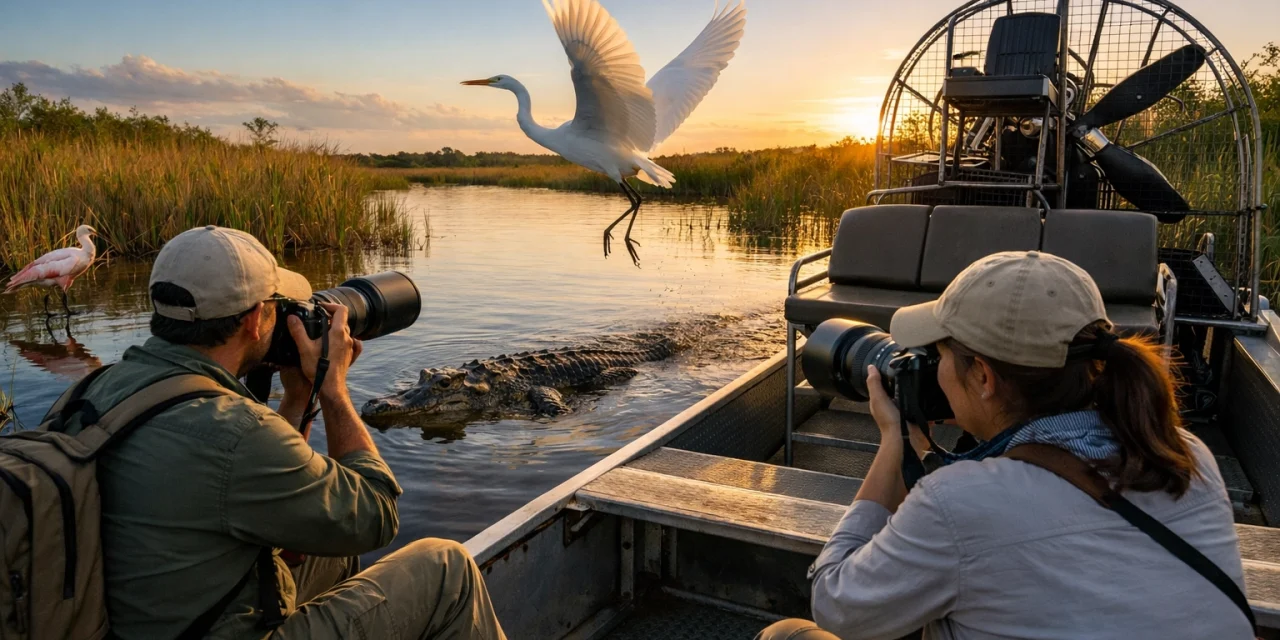
There is something almost prehistoric about the Everglades. When you’re out there in the "River of Grass" at 6:00 AM, watching the mist rise off the water while a Great Blue Heron stands frozen in the reeds, you realize why this is a bucket-list destination for photographers worldwide.
But here’s the thing: the Everglades is huge. It’s over 1.5 million acres of subtropical wilderness. If you just show up with a camera and hope for the best, you’re likely to end up with a few blurry shots of a distant alligator and a whole lot of mosquito bites. Booking a wildlife photography tour is the best way to see the "real" Everglades, but not all tours are created equal.
As someone who has spent years trekking through these swamps, I want to make sure your experience is nothing short of epic. Before you click "book," here are 10 things you absolutely need to know to make the most of your trip.
1. Winter is the "Golden Season"
If you’re planning a trip in July, I have some news for you: it’s going to be hot, humid, and the bugs will try to carry you away. While the Everglades is beautiful year-round, the winter months (roughly December through April) are the absolute best for wildlife photography.
During the dry season, water levels drop significantly. This forces the wildlife: alligators, turtles, and various bird species: to congregate around the remaining deep-water holes. For a photographer, this is a dream. Instead of searching for animals hidden in the vast sawgrass, they are practically served to you on a silver platter. Plus, the weather is mild and the mosquitoes are much more manageable.
2. It’s Not Just About Alligators
Everyone wants the iconic shot of a 10-foot gator with its mouth open, and trust me, you’ll get plenty of chances for that. But the Everglades is actually one of the premier birding locations in the world.
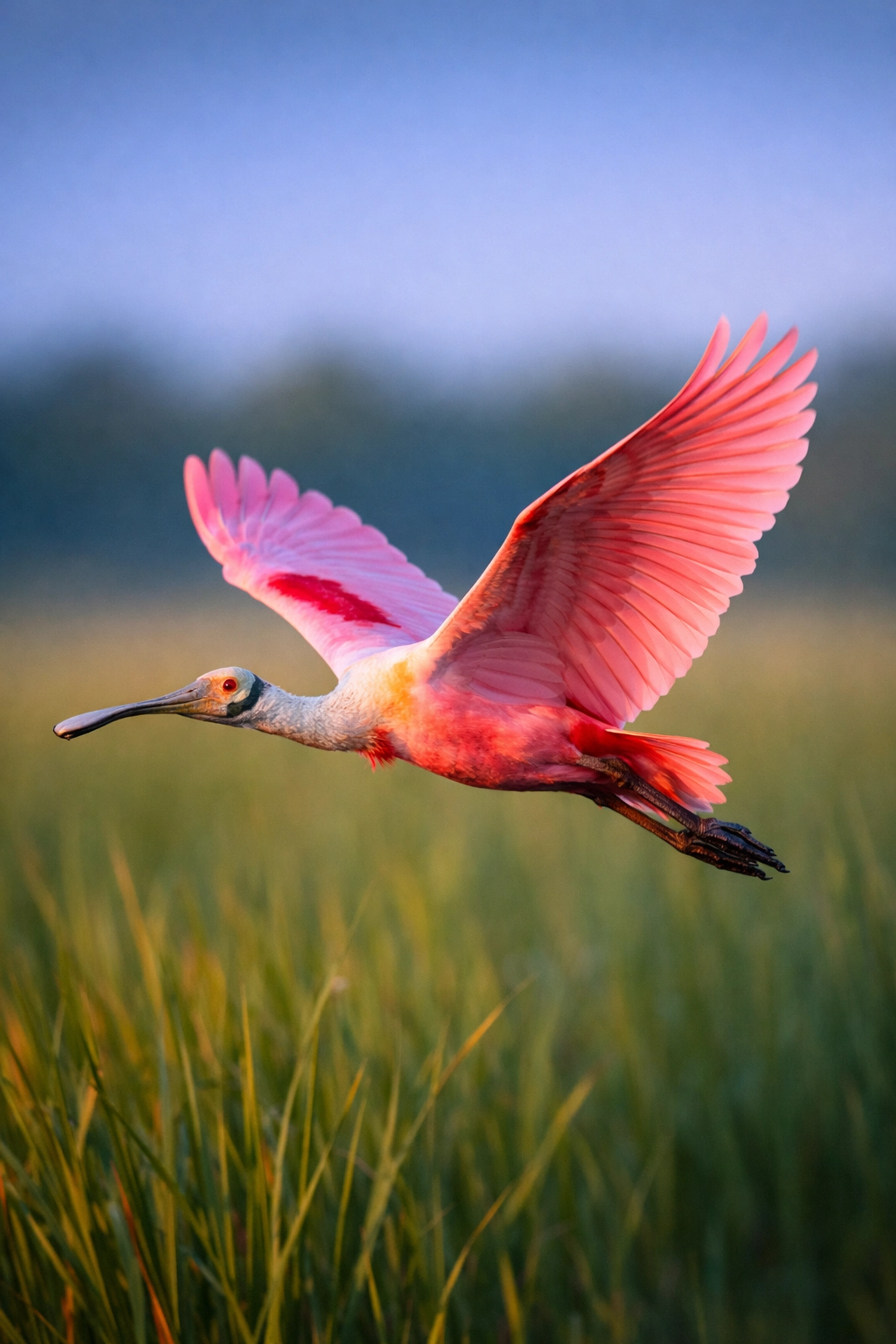
We’re talking about more than 360 species of birds. You’ll see the vibrant pink of the Roseate Spoonbill, the massive wingspan of the Osprey, and the elegant dance of the Snowy Egret. If you’re lucky, you might even spot a Florida Panther or a West Indian Manatee. When booking your tour, ask the guide what specific species are active. If you want the inside scoop on where these animals hide, our Everglades Photography Guide breaks down the best spots for every species.
3. The Type of Boat Matters
Not all photography tours use the same vessel, and the boat you choose will dictate the kind of shots you can get.
- Airboats: These are great for covering a lot of ground and getting into shallow areas, but they are loud. They can sometimes spook skittish birds before you get within range.
- Pole Boats: These are traditional, quiet, and allow you to slip into secluded areas without making a sound. This is often where the best "intimate" wildlife moments happen.
- Flat-Decked Boats: If you have heavy gear and a massive tripod, look for a tour that uses stable, flat-decked boats. These give you the stability you need for those long-lens shots without the rocking motion of a smaller skiff.
4. Lighting is Your Best Friend (and Worst Enemy)
The Florida sun is notoriously harsh. By 10:00 AM, the light can become "flat," washing out the vibrant colors of the landscape. Most high-quality photography tours will schedule their departures around sunrise or sunset.
The "Golden Hour" in the Everglades is magic. The light turns a deep orange, reflecting off the water and illuminating the feathers of wading birds in a way that looks like a painting. If a tour operator suggests a noon departure for "photography," they might be more of a general sightseeing tour. Look for the guides who understand the importance of that early morning glow.
5. You Need the Right Glass
You don’t need to be a professional to enjoy these tours, but having the right essential photography gear makes a huge difference.
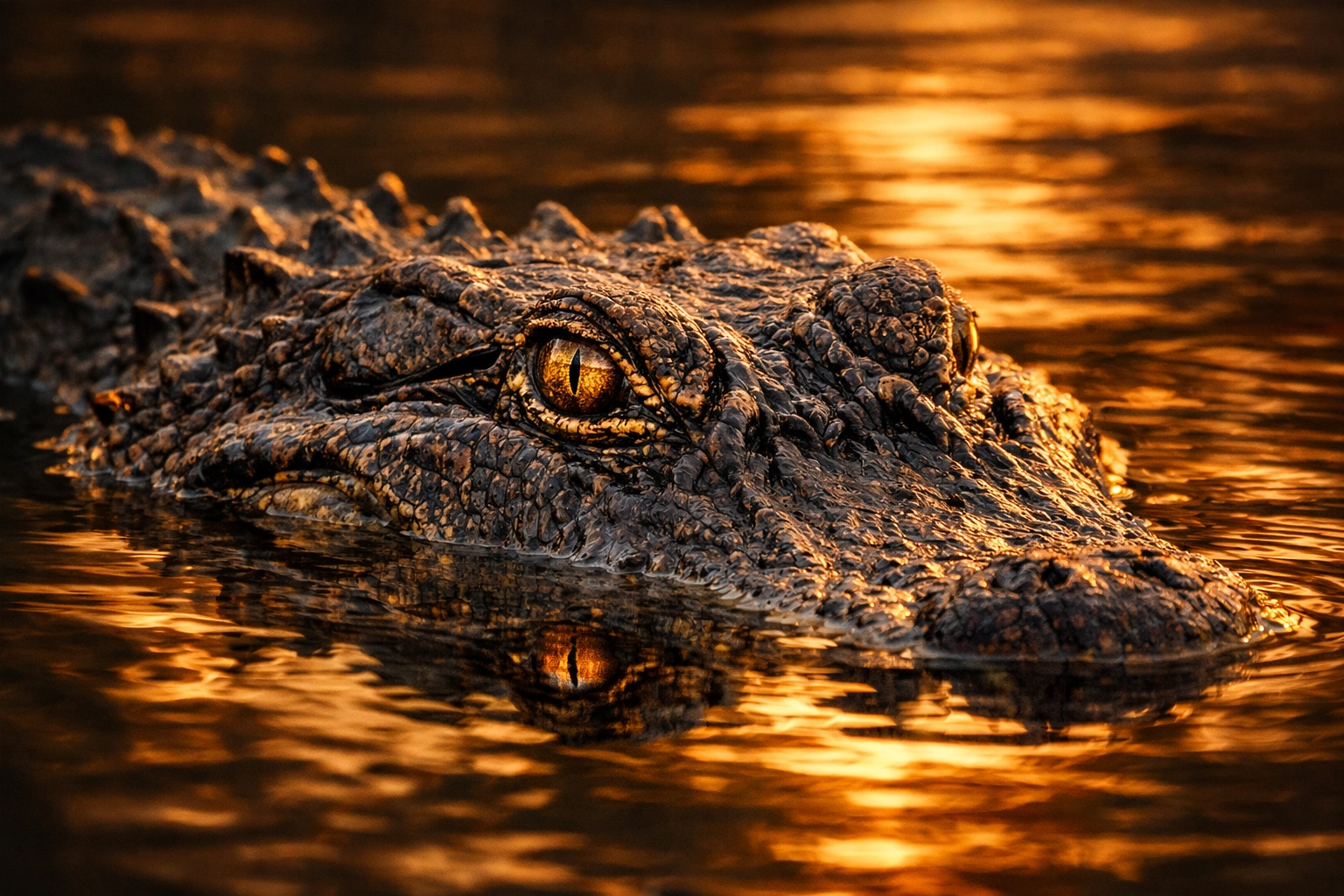
For wildlife, a telephoto lens is non-negotiable. I usually recommend something in the 100-400mm or 200-600mm range. This allows you to get those tight, detailed shots of an alligator’s eye or a bird’s plumage without disturbing the animal. However, don't forget a wide-angle lens for those expansive "River of Grass" landscapes. The Everglades is as much about the environment as it is about the animals.
6. Smaller Groups Lead to Better Photos
There is a big difference between a tour with 20 people and a private or semi-private tour with 3 or 4 guests. In a large group, you’re fighting for a spot at the railing, and the guide’s attention is split.
In a smaller group, the guide can position the boat specifically for your angle and your lighting needs. It allows for a much more personalized photography booking experience. If you’re serious about your portfolio, prioritize small-group or private tours.
7. Expert Guides are Worth the Premium
You aren't just paying for a boat ride; you’re paying for the guide’s eyes. A seasoned naturalist can spot a camouflaged owl in a cypress dome from fifty yards away: something an untrained eye would miss every single time.
Many of the best tours are led by professional photographers who understand composition and camera settings. They can help you dial in your exposure on the fly as a bird takes flight. This kind of hands-on coaching is invaluable, especially if you're looking to level up your skills.
8. Preparation is Key (What to Pack)
Even in the winter, the Everglades can be unpredictable. Here is a quick checklist of what you should have in your bag:
- Polarizing Filter: Essential for cutting the glare on the water and seeing "through" to the submerged wildlife.
- Rain Protection: Sudden rain showers are common. A simple rain sleeve for your camera can save your gear.
- Extra Batteries: The humidity and constant focusing can drain batteries faster than you’d expect.
- Bug Spray and Sunscreen: Even on "low bug" days, you'll want these.
- Closed-Toe Shoes: You might be stepping into damp areas or onto docks; keep your feet protected.
For a deeper dive into preparation, check out the Everglades Photography Guide. It covers everything from gear lists to seasonal behavior patterns.
9. Location, Location, Location
The Everglades is divided into different sections, and each offers something unique.
- The Anhinga Trail: Extremely accessible and famous for birds that are remarkably "tame," allowing for close-up shots.
- Shark Valley: Great for alligators and panoramic views from the observation tower.
- Ten Thousand Islands: This is where the mangroves meet the Gulf. It’s the best spot for dolphins, manatees, and coastal birds.
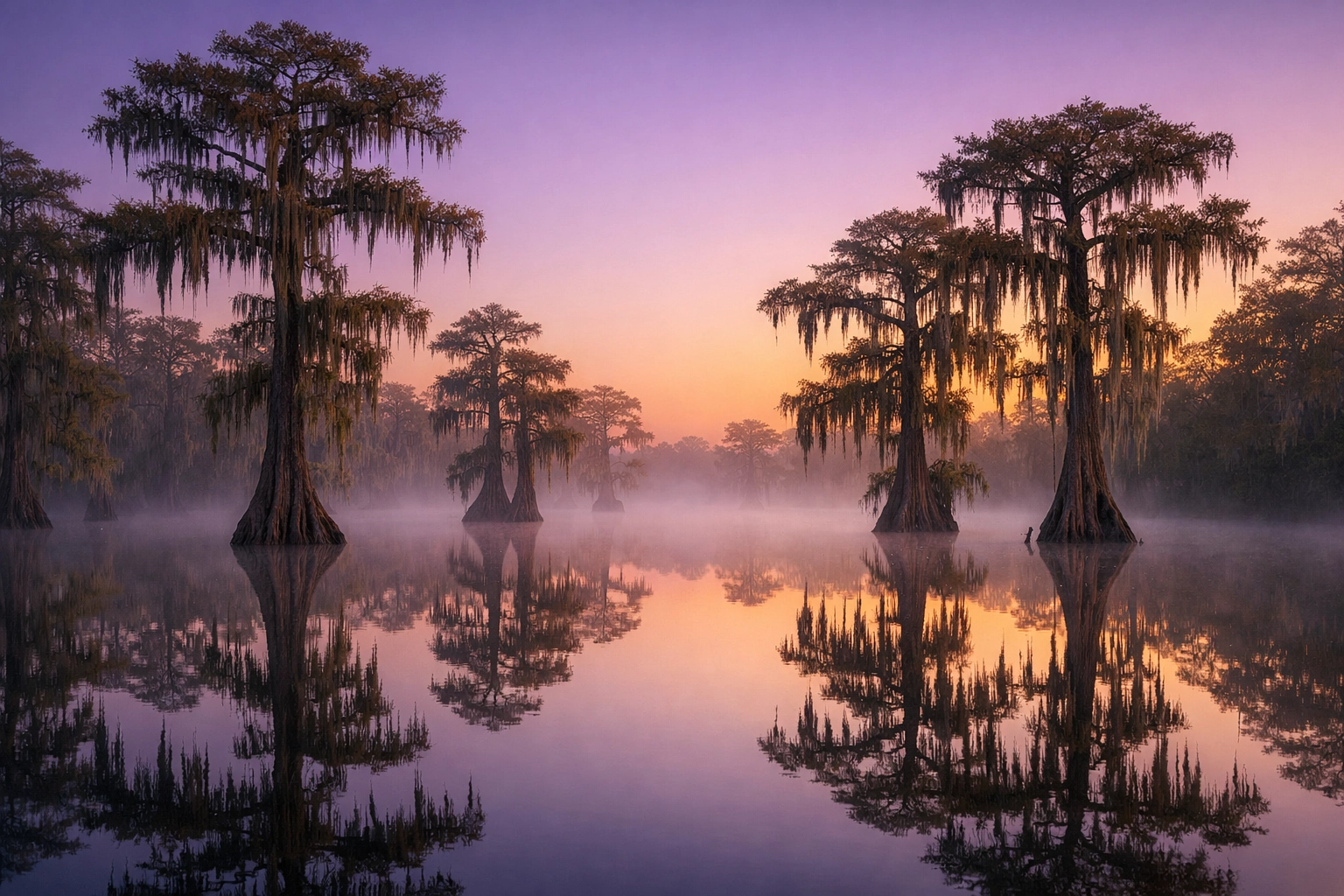
- Big Cypress National Preserve: Technically adjacent to the Everglades, this area offers stunning cypress domes and a more "jurassic" feel.
Make sure your tour is heading to the area that matches your photography goals.
10. Patience is the Secret Ingredient
Wildlife photography is 10% pressing the shutter and 90% waiting. You might sit by a pond for 30 minutes waiting for a Heron to strike at a fish. When it finally happens, it’s over in a second.
The best tours aren't the ones that rush from spot to spot. They are the ones that find a "hot" location and allow you to sit, observe, and wait for the action to unfold. Reassure yourself that the "quiet" moments are part of the process. That’s when you really start to see the nuances of the ecosystem.
Ready to Capture the Everglades?
Booking a wildlife tour is an investment in your craft and your memories. By choosing the right season, the right guide, and the right gear, you’re setting yourself up for success.
If you want to skip the trial and error and go straight to the best spots with the best settings, I highly recommend picking up our Everglades Photography Guide. We’ve poured years of experience into this guide so you can show up like a pro and leave with a gallery full of stunning images.
The Everglades is waiting. The light is perfect, the wildlife is active, and your perfect shot is out there somewhere in the sawgrass. Go find it!













