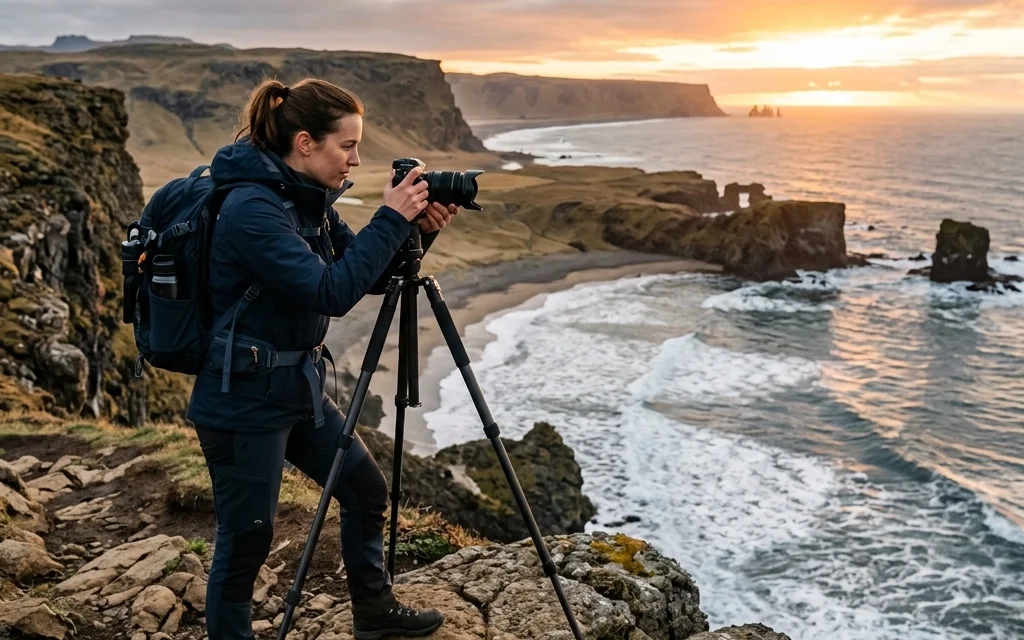
We’ve all been there. You’ve got your bag packed, your batteries are charged, and your creative energy is peaking, but you’re staring at a map wondering, "Where do I actually go?" Whether you’re a seasoned pro or just getting started with your first mirrorless camera, the search for the perfect location can be the most frustrating part of the process.
In 2026, the landscape of photography has changed. It’s no longer just about finding a pretty park; it’s about understanding light, leveraging AI-driven scouting tools, and finding authenticity in a world increasingly filled with AI-generated art. At Photoguides, we believe that the best photo spots aren't always the ones everyone else is posting on Instagram. Sometimes, they are hiding in plain sight, waiting for the right eye to find them.
Here are 10 things you should know to find the best places to take pictures near you.
1. AI Scouting is Your New Best Friend
Gone are the days of just driving around aimlessly. In 2026, AI-driven apps have revolutionized how we find "photo spots near me." Tools now exist that can predict exactly how the sun will hit a specific building or canyon at any given minute of the year.
More importantly, AI tools can now analyze social media trends and heatmaps to tell you when a location is going to be overcrowded. If you’re looking for a quiet, serene shot, these tools are essential. When you’re scouting, look for apps that offer 3D terrain modeling, it allows you to virtually stand in a location before you even leave your house.
2. The "Hidden Gem" is a State of Mind
Everyone wants to find a "hidden gem," but in the digital age, very few places stay hidden for long. Instead of looking for a place no one has ever been, look for a new way to see a popular place.
For example, while everyone is focused on the main view at one of the National Parks, try looking for the smaller details or the less-traveled side trails. Often, the best photography locations are just 50 yards away from the "designated" lookout point where everyone else is standing. Authentic photography in 2026 is about your unique perspective, not just the GPS coordinates.
3. Lighting: Golden Hour vs. Blue Hour
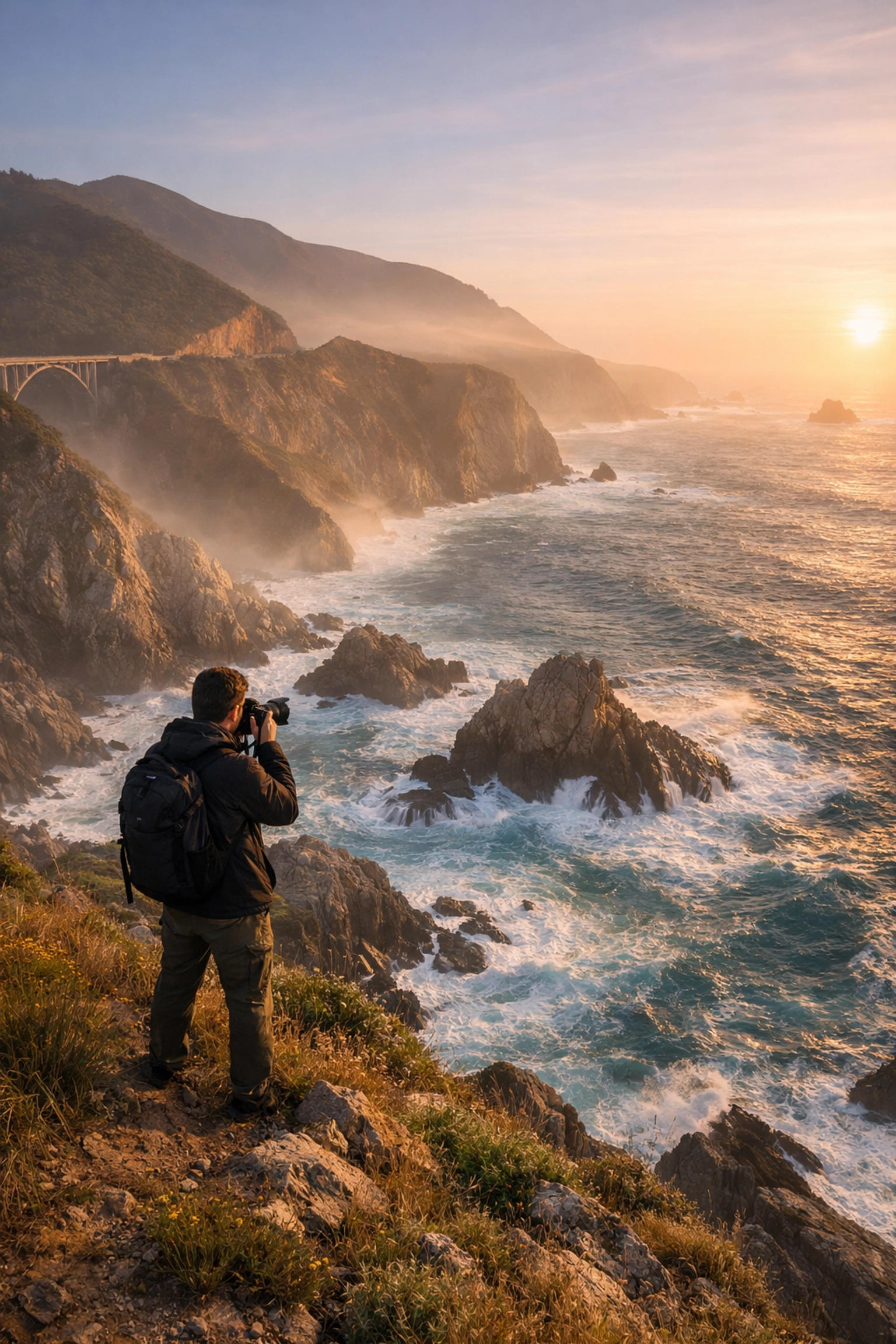
It’s the oldest rule in the book for a reason. If you find a great location at noon, it might look "okay." If you find it at 6:30 AM during the golden hour, it can look world-class.
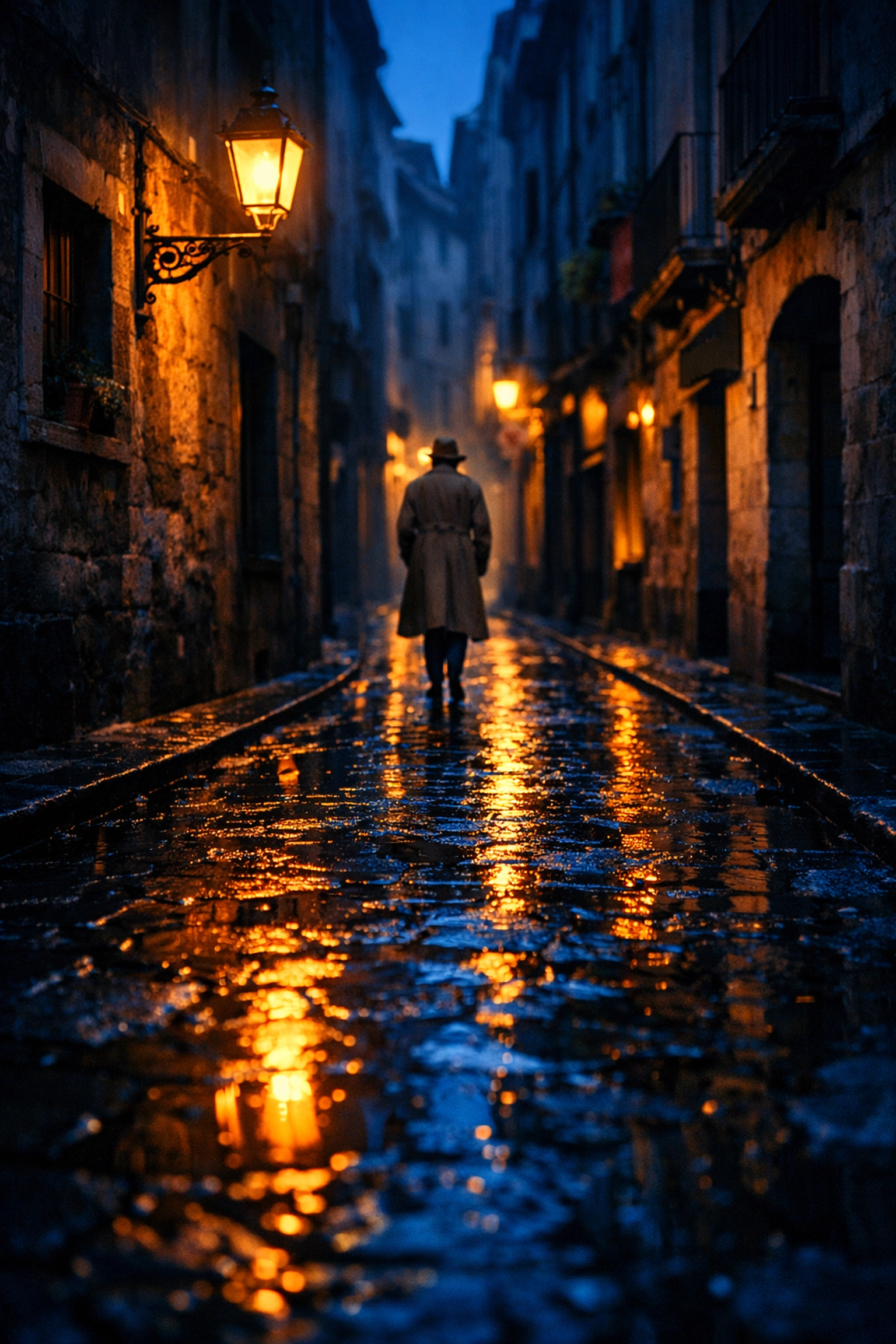
However, don't sleep on the "Blue Hour": that period just before sunrise or just after sunset. This is when the world takes on a moody, cinematic tone. If you’re shooting urban environments, like searching for Miami's hidden speakeasies or architectural landmarks, the blue hour provides a perfect balance between ambient city lights and the natural sky. For those struggling with a dull sky during these hours, you can always check out our sky overlays to add that extra punch of drama.
4. Seasonality and the Environment
A location that looks like a dream in October might look like a wasteland in July. When searching for spots, consider the "life cycle" of the environment.
- Spring: Look for botanical gardens and urban parks for blossoms.
- Summer: High-altitude locations and coastal spots are best to avoid the midday haze.
- Fall: This is peak season for forest photography and reflection shots on lakes.
- Winter: Architectural photography shines here, as the "bones" of a city aren't hidden by leaves.
If you’re planning a trip, comparing regions can help you decide. For instance, looking at the Dominican Republic vs Cancun can reveal vastly different seasonal lighting and landscape opportunities.
5. Gear Still Matters (But Differently Now)
In 2026, your gear needs to be versatile. You don't need fifty lenses; you need the right lenses. We are seeing a huge trend toward "character" lenses: glass that provides a unique, non-clinical look.
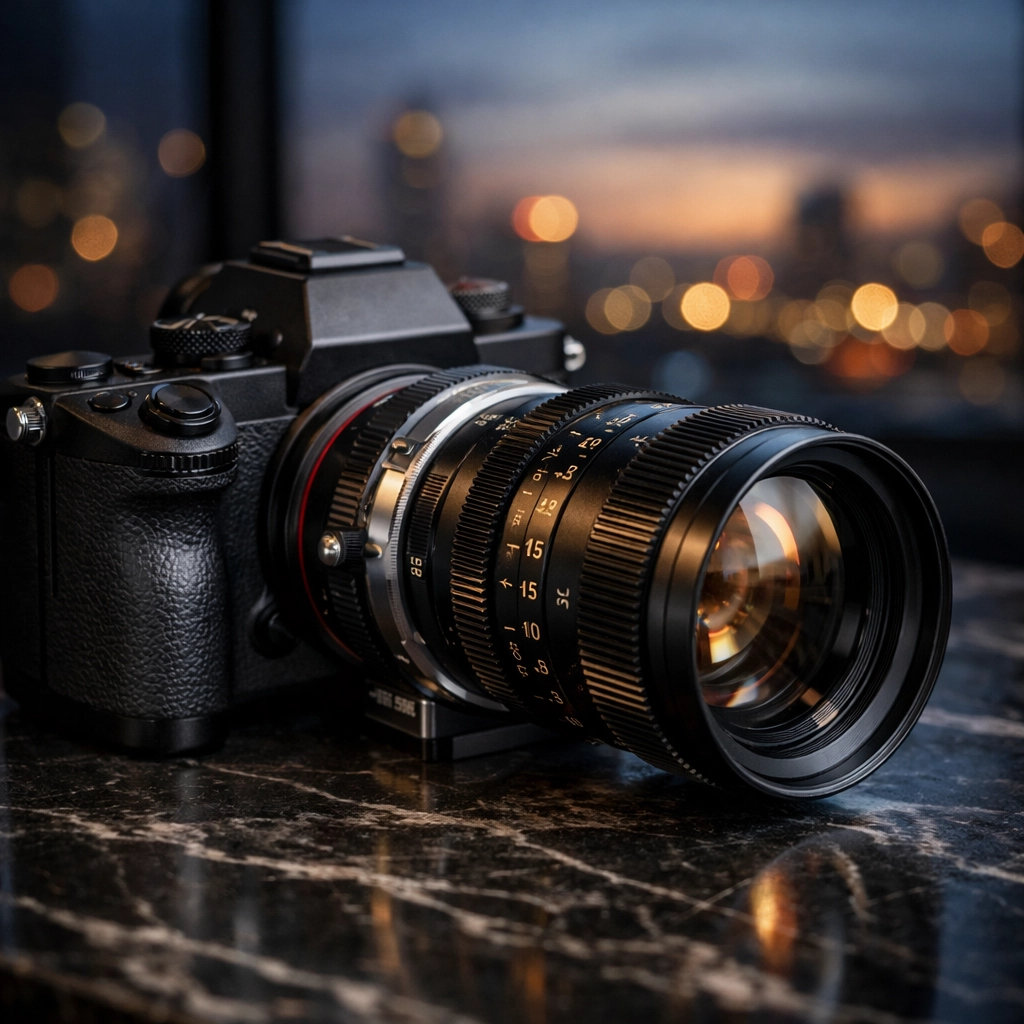
One of my favorite ways to achieve this is using the Module 8 lens adapter, which allows you to get that cinematic, vintage feel on modern mirrorless bodies. When you’re scouting for spots, think about what gear will best capture the vibe of that location. Is it a wide-angle drone shot or a compressed telephoto street scene? You can find more recommendations in our essential photography gear guide.
6. Use Google Earth for "Virtual Scouting"
Google Earth’s 3D view is perhaps the most underrated tool in a photographer's kit. You can rotate around buildings, check the height of fences, and see if there are any obstructions (like power lines) that might ruin your shot. This is especially helpful when you're looking for urban spots or planning a weekend trip to somewhere like downtown Golden. By the time you arrive, you’ll already know exactly where to park and where to stand.
7. Authenticity vs. AI Art
As AI-generated imagery becomes more prevalent, there is a growing hunger for authentic photography. People can tell when a photo feels "real." When you are out scouting for the best photography locations, don't just look for what will look good as a thumbnail. Look for the stories.
A weathered pier, a local at a breakfast place in Cape Coral, or the raw texture of a desert landscape: these carry an emotional weight that AI struggles to replicate. For inspiration on high-end, authentic fine art, I always recommend checking out Edin Fine Art to see how location and light can turn a simple spot into a masterpiece.
8. Check Photography Policies and Permits
There is nothing worse than setting up a tripod only to be told to leave by security five minutes later. Many popular spots, especially historic buildings or private gardens, require a permit for professional-looking setups.
Always do a quick search for the location's photography policy. If you’re shooting something high-stakes, like wedding photography, this step is non-negotiable. Being a respectful photographer ensures these spots stay open for the rest of the community.

9. Foreground Interest is the Secret Sauce
When you find a great "spot," most people point their camera at the horizon. If you want to elevate your work, look for something to put in the foreground. It could be a flower, a puddle, a rock, or even a piece of trash that adds "gritty" texture.
Foreground interest creates a sense of depth and leads the viewer's eye into the frame. This is a classic educational photography technique that separates the amateurs from the pros. Next time you're at a popular spot, get low to the ground and see how the perspective changes.
10. Join a Community and Share the Knowledge
Photography shouldn't be a solitary pursuit. Joining a community like Shut Your Aperture allows you to swap location tips with other creators who are actually out there in the field.
Local photographers often know about the "un-Googleable" spots: the back alleys with perfect graffiti, the rooftop that's usually unlocked, or the field that turns purple for exactly one week in May. Building those relationships is the fastest way to expand your list of "photo spots near me."
Final Thoughts
Finding the best places to take pictures is a mix of technology, preparation, and old-fashioned intuition. Don't be afraid to fail. Sometimes the "wrong" turn leads to the best shot of your career.
If you're looking to upgrade your kit before your next scouting trip, be sure to read our latest camera reviews to ensure you have the best tools for the job. Now, get out there, explore your city, and show us what you find!