We’ve all been there. You have the gear, the passion, and the afternoon wide open, but you’re staring at the same four walls of your living room wondering, "Where do I actually go to get the shot?"
Finding the best photography locations isn't just about stumbling upon a hidden waterfall or a neon-soaked alleyway by accident. It’s a skill, much like mastering your aperture or understanding the rule of thirds. Whether you are searching for "photo spots near me" in a bustling city or looking for remote landscapes while traveling, the process of scouting is what separates the hobbyists from the pros.
At Photoguides, we believe that world-class photography should be accessible to everyone. You don't need a plane ticket to Iceland to capture something breathtaking. Sometimes, the most stunning frames are hiding in your own backyard, waiting for the right light and a fresh perspective.
Here are five pro tips to help you find the best places to take pictures, no matter where you are in the world.
1. Leverage Digital Scouting and AI Prediction Tools
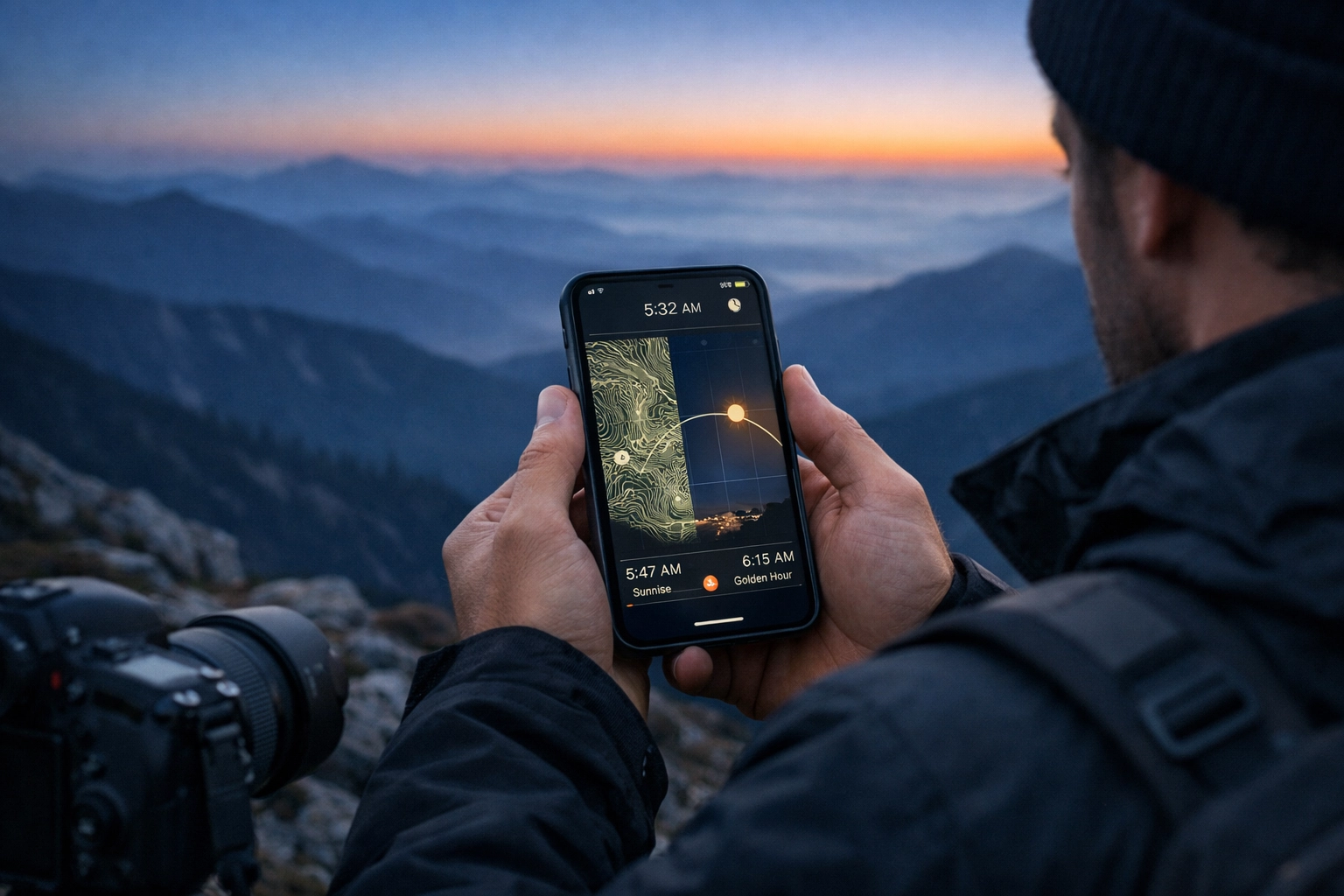
In 2026, we are living in the golden age of digital scouting. Gone are the days of driving around aimlessly for hours hoping to find a nice sunset spot. Today, your most powerful scouting tool is sitting in your pocket.
Start with the basics: Google Earth and Google Maps. But don't just look at the 2D map. Use the 3D view to understand the topography of a location. This is essential for landscape photographers who need to know if a mountain will block the sun at 5:00 PM.
Beyond standard maps, AI-integrated photography apps have changed the game. Many modern platforms now use AI photography trends to predict atmospheric conditions: telling you exactly when "fire clouds" are likely to form or when the fog will be at the perfect density for those moody forest shots.
If you're looking for urban inspiration, search for localized tags. For instance, looking into Miamis hidden speakeasies or specific breweries in Williamsburg VA can lead you to interior design gems that most "best of" lists miss.
2. Seek Diverse Landscapes with Multiple Backdrops
One mistake many photographers make is choosing a location that only offers one "look." If you drive two hours for a single bridge, and the light doesn't cooperate, your shoot is effectively over.
Pro photographers prioritize locations that offer variety. You want a "cluster" of options. For example, a state park that features a dense forest trail, a rocky creek, and an open meadow allows you to pivot your creative direction on the fly. This is a staple of professional travel photography tips: always have a Plan B, C, and D within walking distance of your Plan A.
When searching for "photo spots near me," look for:
- Terrain Variety: Does the park have both water features and elevation?
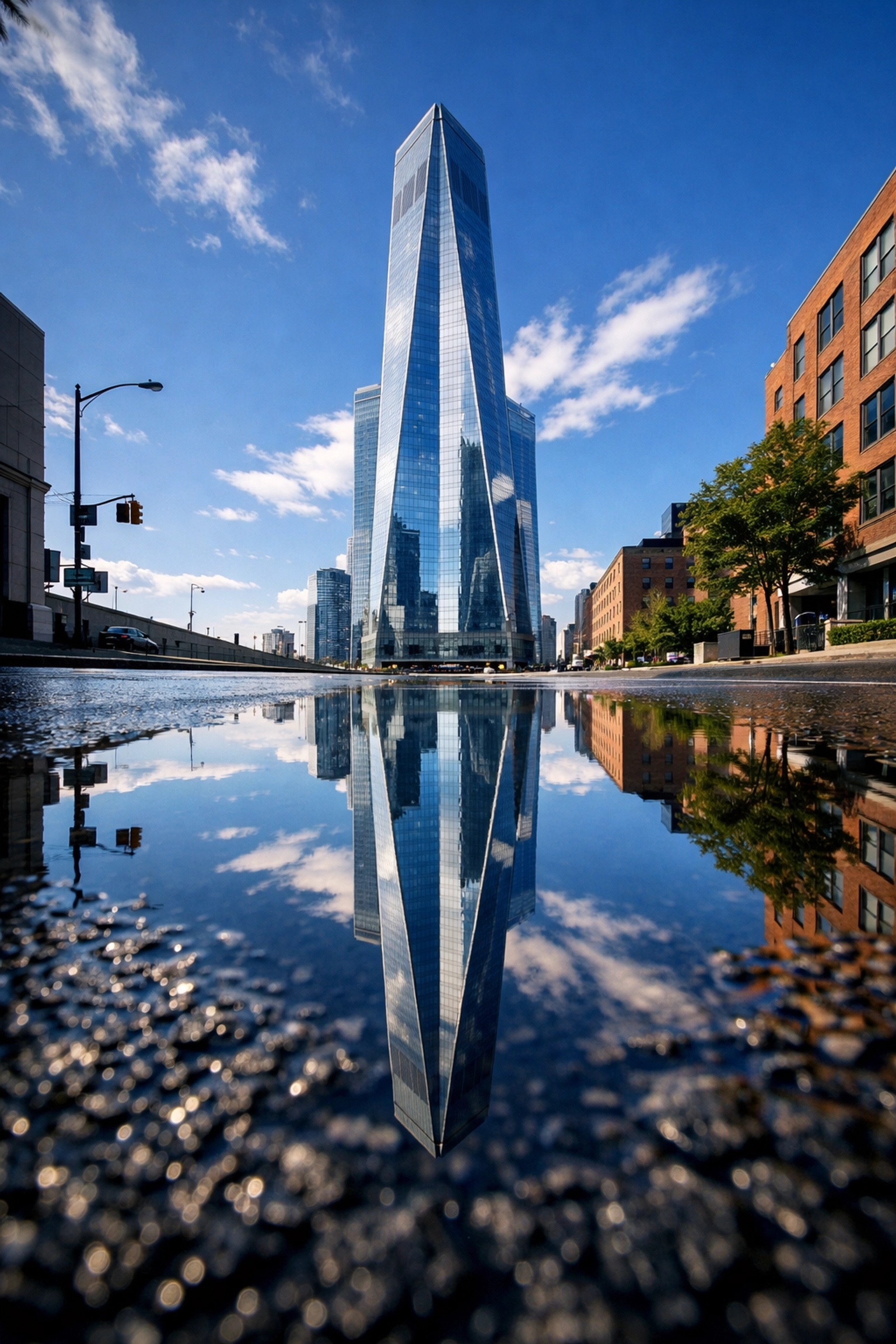
- Architectural Contrast: Can you find a modern glass building next to a historic brick warehouse?
- Accessibility: Is it a "moderate hike" that keeps the crowds away, or is it easily accessible for a quick photography booking experience with a client?
By choosing high-variety locations, you maximize your time and ensure you walk away with a diverse portfolio from a single outing.
3. Chase the Light, Not Just the Landmarks
A mediocre location in incredible light will almost always look better than a world-famous landmark in "flat" light. To find the best places to take pictures, you have to stop looking at objects and start looking at how light interacts with the environment.
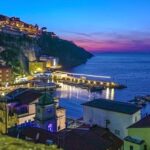
The "Golden Hour" (shortly after sunrise or before sunset) is a classic for a reason, but don't overlook the "Blue Hour" for cityscapes. This is when the ambient sky light matches the intensity of the city lights, creating a balanced, high-end look.
If you’re shooting events or portraits, the "best" spot might simply be a north-facing window or a shaded alleyway with neutral-colored walls that act as a giant softbox. If you're an Atlanta event photographer, you know that the "best spot" in a venue is rarely the stage: it's usually the corner where the light hits just right.
4. Embrace the "Local’s Eye" and Hidden Gems
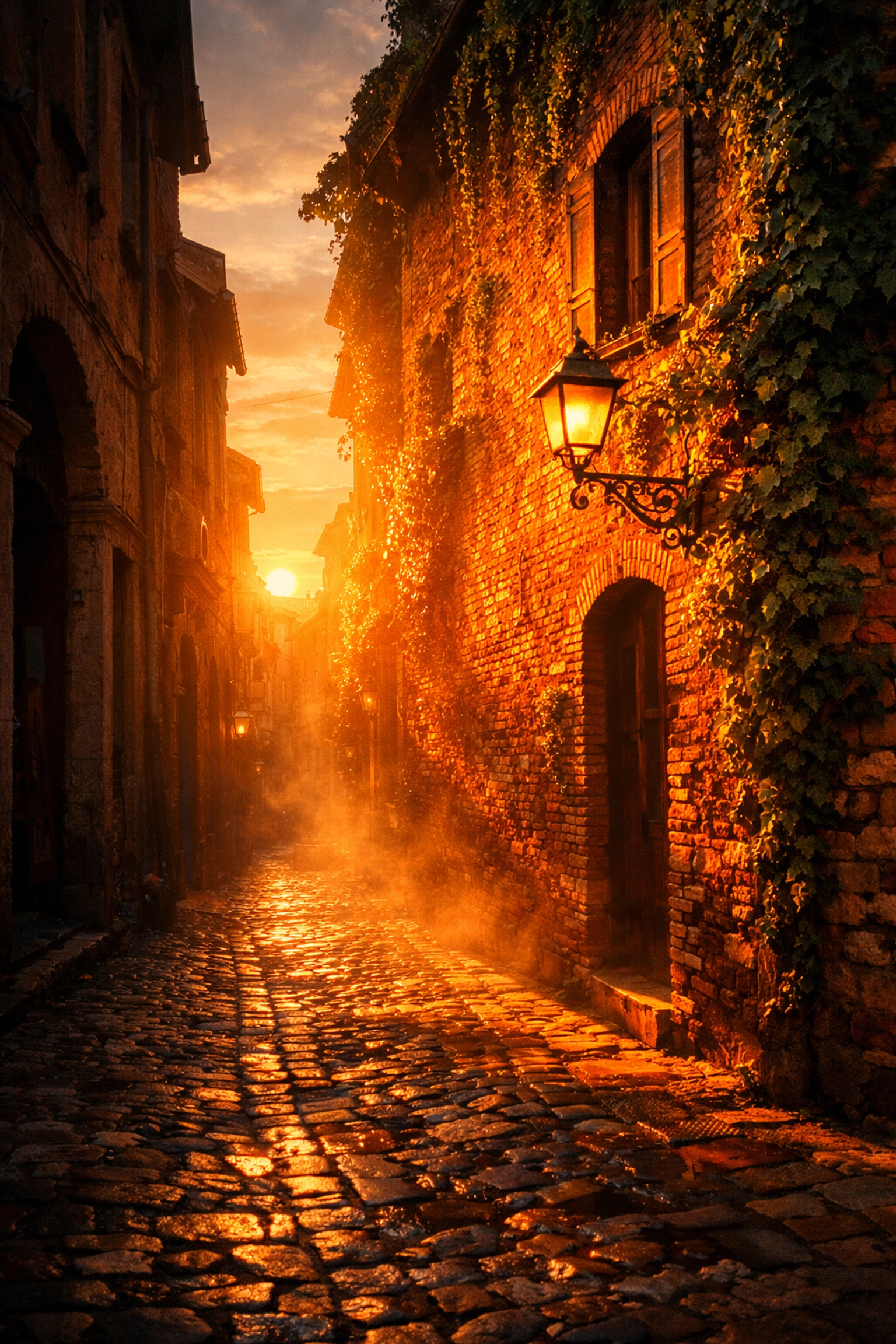
The most popular photo spots are often the most crowded. If a location is on a "Top 10 Instagram Spots" list, it's likely over-photographed. To find something truly unique, you need to dig deeper.
Talk to locals. Ask the person at the coffee shop where they go to clear their head. Look at local history books or community boards. Often, the best photography locations are tucked away behind a nondescript neighborhood or down a dirt road that Google hasn't prioritized.
For those traveling, skip the tourist traps and look for places where people actually live and work. A local market in the Dominican Republic or a quiet breakfast spot in Cape Coral can offer more authentic storytelling opportunities than a fenced-off monument. In fact, checking out local guides for breakfast places in Cape Coral or restaurants in downtown Golden can lead you to areas with incredible textures and "lifestyle" vibes that are perfect for modern content creation.
5. Compositional Awareness: Seeing the Extraordinary in the Ordinary
Sometimes the best photo spot is exactly where you are standing: you just haven't seen it yet. Pro photographers use "compositional blinkers" to isolate beauty from clutter.
Look for:
- Leading Lines: A simple sidewalk or a row of trees can lead the eye into the frame.
- Reflections: Puddles after a rainstorm, glass windows, or even a polished car hood can turn a boring street into a surreal masterpiece.
- Framing: Use overhanging branches or archways to frame your subject.
Don't be afraid to get low. Changing your perspective by just two feet can completely hide an ugly trash can or reveal a reflection you didn't know existed. This is especially true for iPhone photography and drone shots. With modern mobile sensors, you can get into tight angles that a full-sized DSLR might struggle with. If you're curious about the latest tech making this possible, check out our essential photography gear guide for 2026.
The Role of Tech in 2026: AI vs. Authenticity
As we navigate through 2026, the conversation around photography locations has shifted. With AI image generation becoming more sophisticated, the value of real locations has actually increased. People crave authenticity.
While you can use sky overlays to enhance a dull afternoon, there is an unmistakable energy in a photo taken at a genuine, physical location. The "best" places to take pictures are often the ones that evoke a feeling or tell a story that an algorithm can't replicate.
Whether you are using a high-end mirrorless setup or the latest smartphone, the goal remains the same: capture a moment in a way that feels true to your vision.
Final Thoughts on Finding Your Next Spot
Finding the best photography locations near you doesn't have to be a daunting task. By combining modern digital tools with a "local" mindset and a keen eye for light, you can turn any environment into a world-class studio.
Remember, the "best" spot is the one that inspires you to press the shutter. It doesn't have to be famous; it just has to be yours.
If you're looking for more tips on how to level up your craft, explore our educational category for deep dives into technique, or check out our latest camera reviews to see which gear is topping the charts this year.
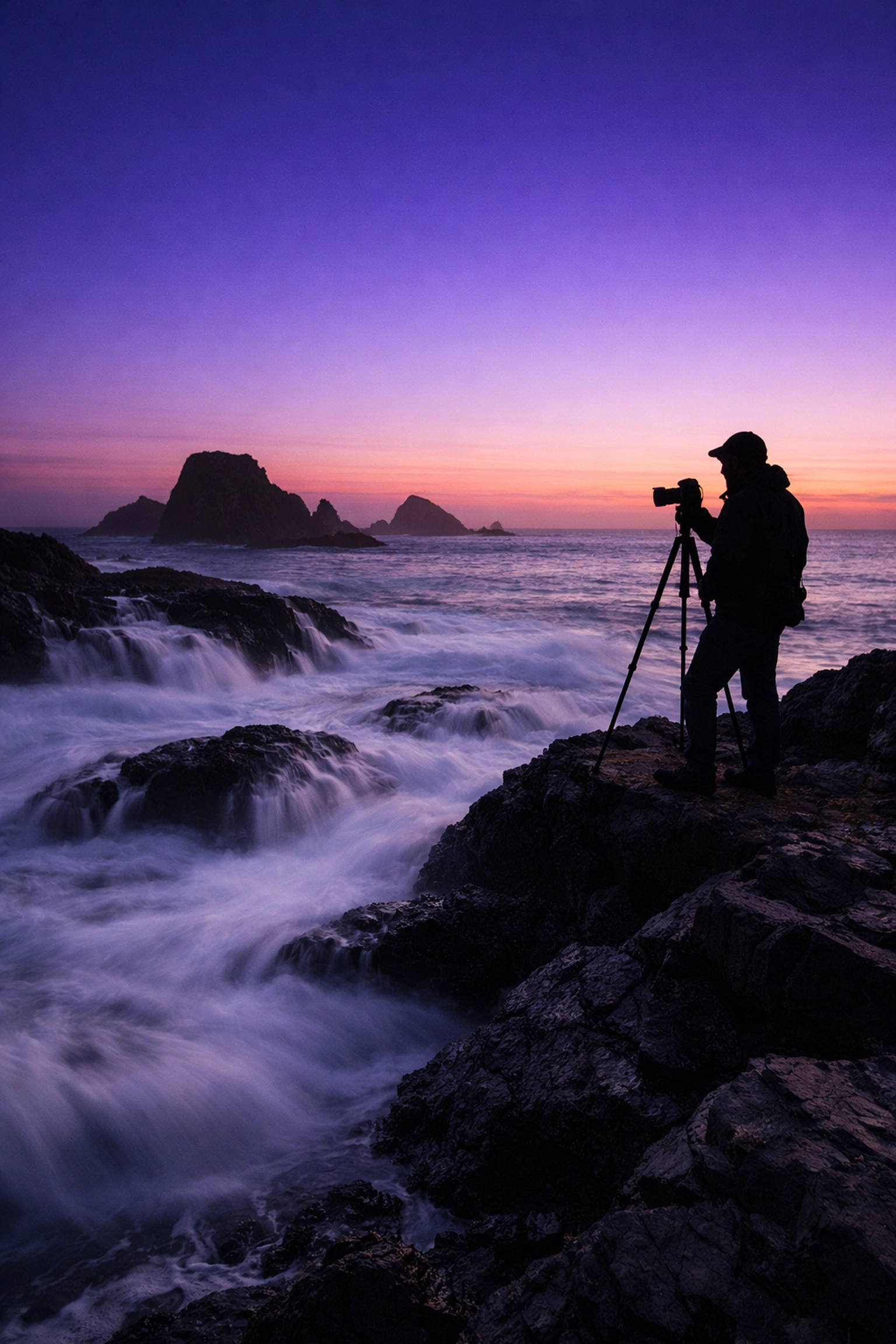
Happy scouting, and we can't wait to see what you capture. For more inspiration on where to go next, you might even consider some cheap weekend getaways to refresh your creative perspective!