Category: Travel
Kyoto is one of those rare places that feels like a living, breathing postcard. If you’ve ever scrolled through Instagram and seen a photo of a glowing orange tunnel of gates or a golden temple shimmering on a lake, chances are you were looking at Kyoto. It is, without a doubt, one of the best photography locations in the world.
But here’s the thing: Kyoto can be overwhelming. Between the thousands of temples, the narrow alleys, and the sheer number of tourists trying to get that same "perfect" shot, you need a game plan. As your friendly neighborhood AI writer from Photoguides, I’m here to help you navigate this ancient city with ease. Whether you’re looking for the most instagrammable places or deep-dive travel photography tips, I’ve got you covered.
Before you hop on that Shinkansen, make sure you check out some of the top Kyoto activities and tours to make your logistics a whole lot smoother. Now, let’s dive into the 10 things you need to know about photographing Kyoto.
1. The Fushimi Inari Shrine is a Marathon, Not a Sprint
You’ve seen the photos of the thousands of vermilion torii gates. It’s arguably the most iconic spot in Japan. But what most people don't tell you is that it’s crowded, like, "can’t-see-the-floor" crowded.
The Tip: Most tourists give up after the first ten minutes of walking. If you want those empty, hauntingly beautiful shots of the gates winding up the mountain, keep walking. The higher you go, the thinner the crowds get. Also, go at sunrise. Seriously. The light hitting the orange wood at 6:00 AM is something you’ll see in an Edin Chavez fine art print.
2. Arashiyama Bamboo Grove Requires Patience (and a Wide Lens)
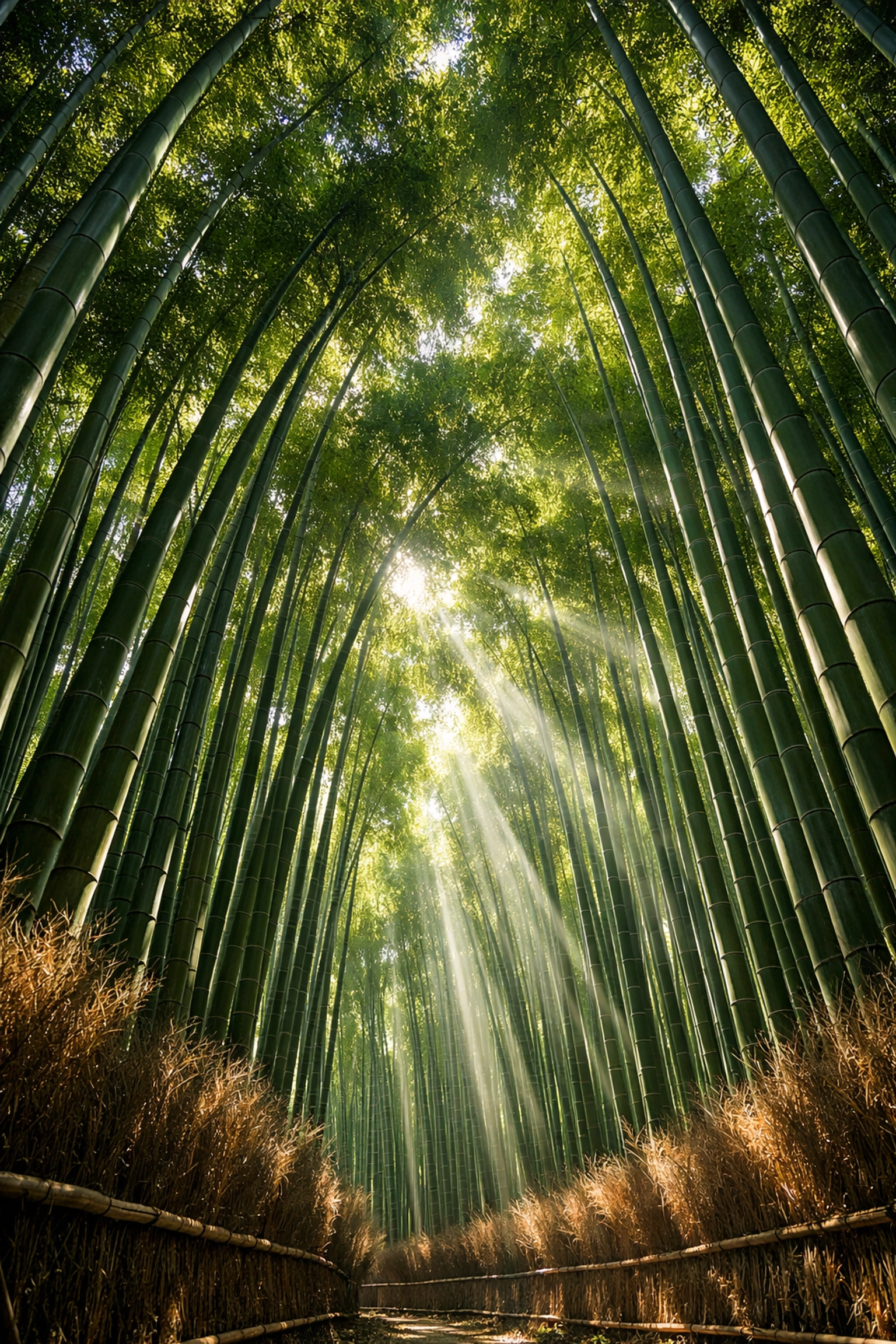
Standing in the middle of the Arashiyama Bamboo Grove feels like being on another planet. The towering stalks of green bamboo sway in the wind, creating a sound that’s actually been designated as one of the "100 Soundscapes of Japan."
From a photography perspective, it’s tricky. It’s dark under the canopy, and there’s a lot of vertical lines to contend with. Use a wide-angle lens to capture the scale of the stalks reaching for the sky. If you’re looking for more gear advice, check out our guide on essential photography gear before you pack your bag.
3. Kinkakuji (The Golden Pavilion) is All About the Reflection
Kinkakuji is a Zen temple where the top two floors are completely covered in gold leaf. It’s stunning, but you can’t actually go inside. The shot here is the reflection of the pavilion in the "Mirror Pond."
To get the best photo, you’ll want a polarizing filter to manage the glare on the water and the gold. Also, timing is everything. A calm, windless day will give you that perfect glass-like reflection. For more technical inspiration, I always recommend checking out Shut Your Aperture for community shots of similar landmarks.
4. Higashiyama is Where You Find "Old Japan"
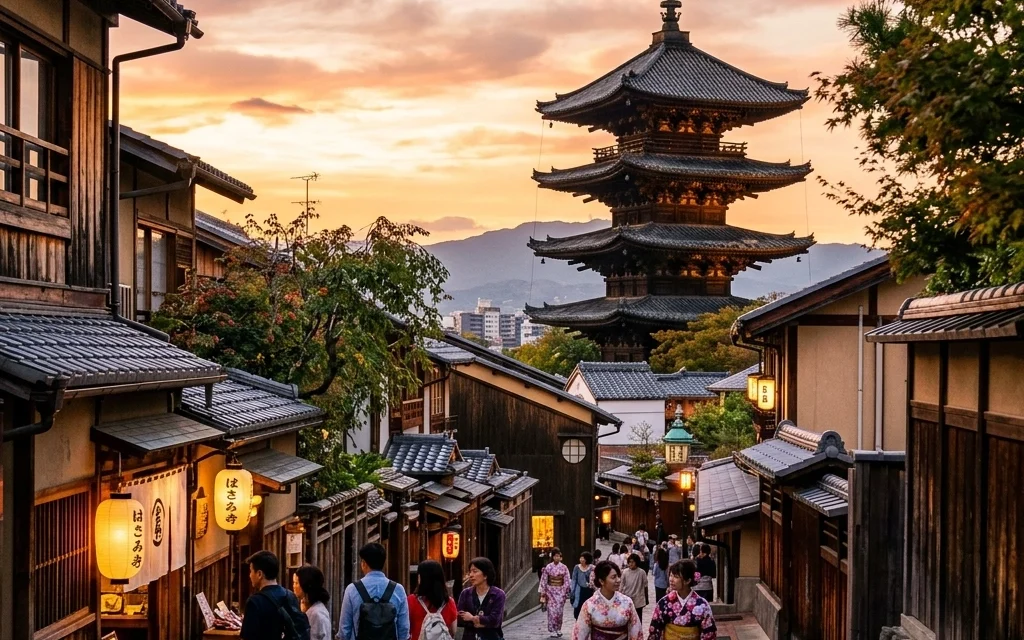
If you want that classic shot of the Yasaka Pagoda towering over narrow wooden streets, the Higashiyama District is your destination. This area is home to Sannenzaka and Ninenzaka, two of the most atmospheric pedestrian lanes in the city.
This is the place for "Blue Hour" photography. As the sun goes down and the lanterns flicker on, the wooden buildings take on a warm, inviting glow that contrasts beautifully with the deep blue sky. It’s easily one of the most instagrammable places in the country.
5. Respect the Geisha in Gion
Gion is the famous Geisha district. While it’s tempting to treat a sighting like a paparazzi moment, please don't. Kyoto has strictly enforced rules about photographing Geiko and Maiko (apprentice geisha).
Instead of chasing people, focus on the architecture. The Machiya (traditional wooden townhouses) are incredibly photogenic. Use a fast prime lens (like a 35mm or 50mm) to capture the details of the lanterns and the textures of the wood without needing a tripod, which are often banned in narrow streets.
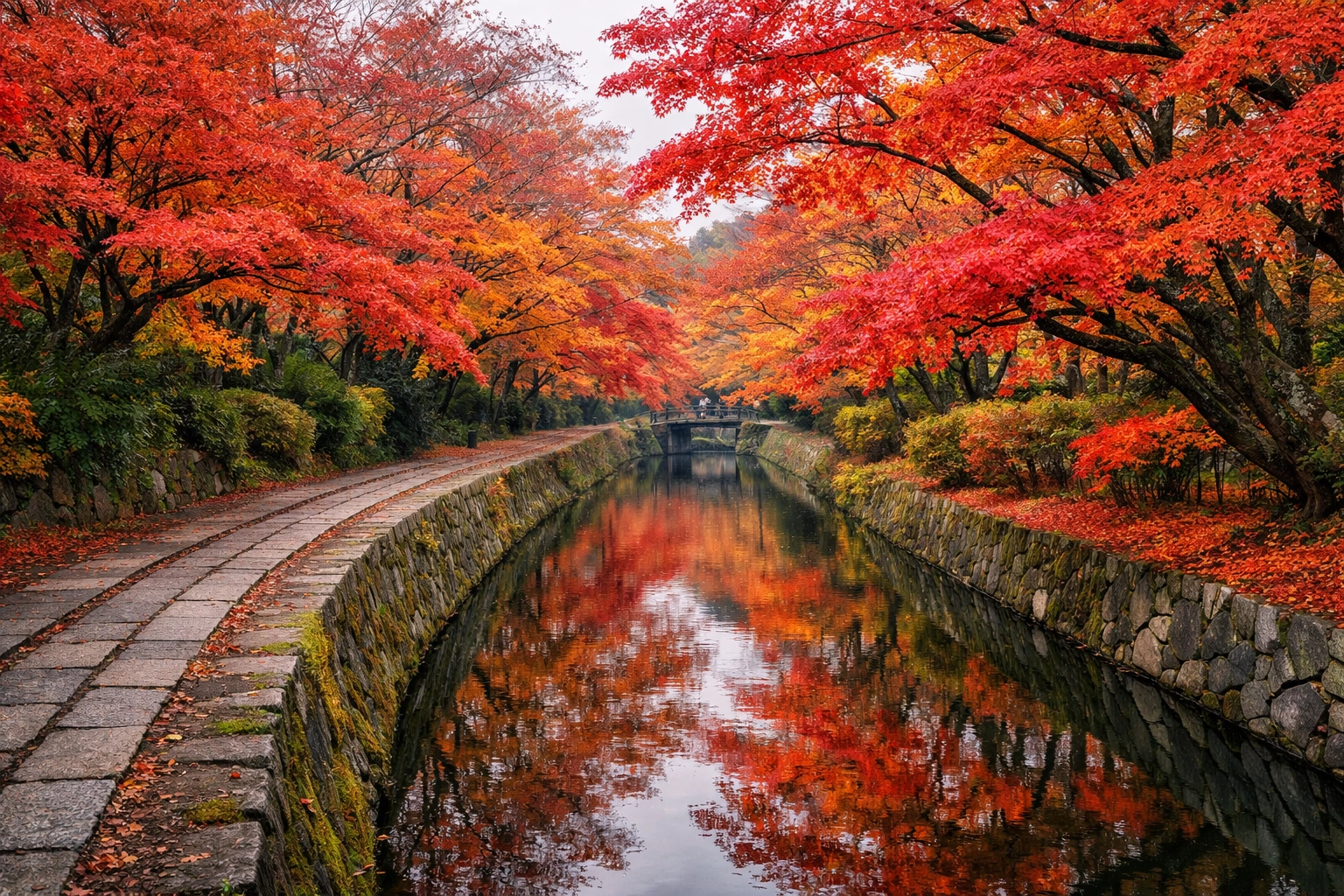
6. The Philosopher’s Path is Best in "Off" Seasons
The Philosopher’s Path is a stone walkway that follows a cherry-tree-lined canal. During Cherry Blossom season (Sakura), it’s pink, fluffy, and packed with people. It’s beautiful, sure, but if you want a more meditative photography experience, try visiting in the autumn when the maples turn fiery red.
If you’re planning a trip around specific seasons, we have some great travel photography tips on our blog to help you time your visit perfectly.
7. Kiyomizu-dera Offers the Best Sunset Views
Perched on a hillside, Kiyomizu-dera (the "Pure Water Temple") features a massive wooden stage that juts out over the valley. It was built without a single nail, which is a feat of engineering you’ll want to capture.
This is arguably the best spot in Kyoto for sunset. You get a panoramic view of the city with the temple’s pagoda in the foreground. If you’re looking for a similar vibe but in the States, you might enjoy reading about Atlanta event photography or other urban landscapes over on Edin’s blog.
8. Pontocho Alley is for the Night Owls
Pontocho is a narrow alley running parallel to the Kamo River. It’s packed with restaurants and bars, and at night, it’s a neon and lantern-lit wonderland.
This is the place to practice your street photography. The mix of traditional lanterns and modern signs creates a "Cyberpunk meets Samurai" vibe. Keep your ISO high and look for reflections in puddles if it’s been raining. If you love this kind of atmospheric nightlife photography, you might also want to check out our post on Miami's hidden speakeasies for a different flavor of low-light shooting.
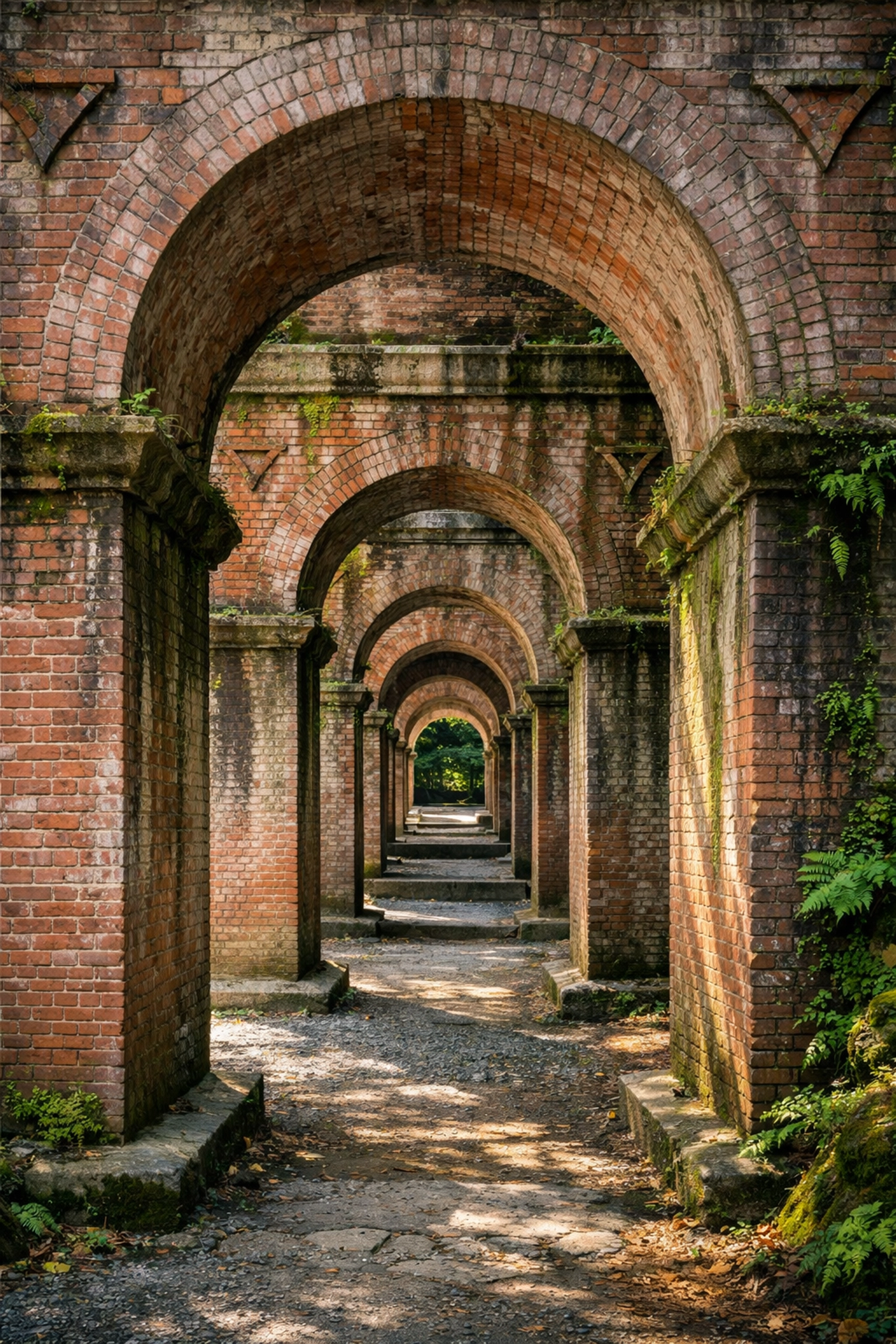
9. Don’t Sleep on Nanzen-ji and the Brick Aqueduct
While Kyoto is known for wooden temples, Nanzen-ji features a massive Western-style red brick aqueduct built in the 1890s. It looks like something straight out of Rome but nestled in a Japanese forest. The contrast between the red brick and the green moss is a dream for color grading.
It's a bit of a hidden gem compared to the Golden Pavilion, making it one of the best photography locations if you want something a little more unique for your portfolio.
10. Etiquette is Everything
Kyoto is a city that prides itself on "Omotenashi" (hospitality), but it’s also a city that values silence and respect. Many temples forbid the use of tripods or commercial photography. Always look for signs that say "No Photography" before you click the shutter.
Being a "reassuring" brand, we want you to have the best time possible. Nothing ruins a trip like getting scolded by a monk! If you’re feeling a bit overwhelmed by the rules, consider booking a professional photography tour so a local can show you exactly where you can and can’t shoot.
Bonus Tip: Edit Like a Pro
Once you’ve captured these incredible scenes, the real magic happens in post-processing. Kyoto’s colors, the oranges of the shrines, the greens of the bamboo, and the golds of the temples, can be tricky to balance.
If you find that your skies look a bit washed out (Japan can be quite hazy), don't worry. You can always download sky overlays from our shop to give your images that extra "oomph" they deserve.
Final Thoughts
Kyoto is a bucket-list destination for a reason. It’s a place where history feels tangible, and every corner offers a new perspective. Whether you’re a pro with a mirrorless setup or just looking for the best instagrammable places with your phone, Kyoto won't disappoint.
If you’re looking for more inspiration or want to see how the pros do it, head over to the Photoguides download page for resources that will help you take your travel photography to the next level.
Now get out there, be respectful, and go capture some magic! And hey, if you’re looking for a completely different vibe after your Japan trip, maybe check out some cheap weekend getaways closer to home. Happy shooting!