
Category: Foodies
Tokyo is a city that never stops moving, but if you look closely enough: down a narrow alleyway in Shinjuku or above a train station in Kanda: you’ll find quiet pockets of pure aesthetic magic. Welcome to Day 1 of our 14-day deep dive into the culinary wonders of Japan’s capital. Over the next two around-the-world-worthy weeks, we’re going to show you that Tokyo isn’t just about the bright lights of Shibuya Crossing; it’s about the hidden gems where the food looks just as good as it tastes.
Whether you are a seasoned pro carrying your essential photography gear or a casual traveler with a smartphone, finding the best places to take pictures in Tokyo requires a bit of an insider’s edge. You aren't just looking for dinner; you’re looking for a composition.
Here are 10 things you need to know about Tokyo’s hidden eateries and how to capture them like a pro.
1. The Walls Can Literally Bloom at FLOWER WALL MONE
If your Instagram feed is feeling a little "concrete jungle," you need to head straight to Shinjuku. FLOWER WALL MONE is less of a restaurant and more of a botanical fever dream. The interior features a massive wall art installation, projection mapping, and more flowers than a Royal Wedding.
The trick here is to focus on their signature MONE Bouquet Salad. It’s essentially edible art. To really nail the shot, use a shallow depth of field to let those projection-mapped flowers blur into a dreamy bokeh background. If you want to make sure you find this floral paradise without getting lost in the Shinjuku maze, booking a food tour through Viator is your best bet to see the neighborhood's highlights.
2. Trains are the Ultimate Background at Platinum Fish Café
Ever wanted to eat a sandwich while two massive commuter trains roar past your ears? At Platinum Fish Café in Kanda, you can. This unique glass-walled restaurant is perched on an old station platform, literally sandwiched between two active train lines.
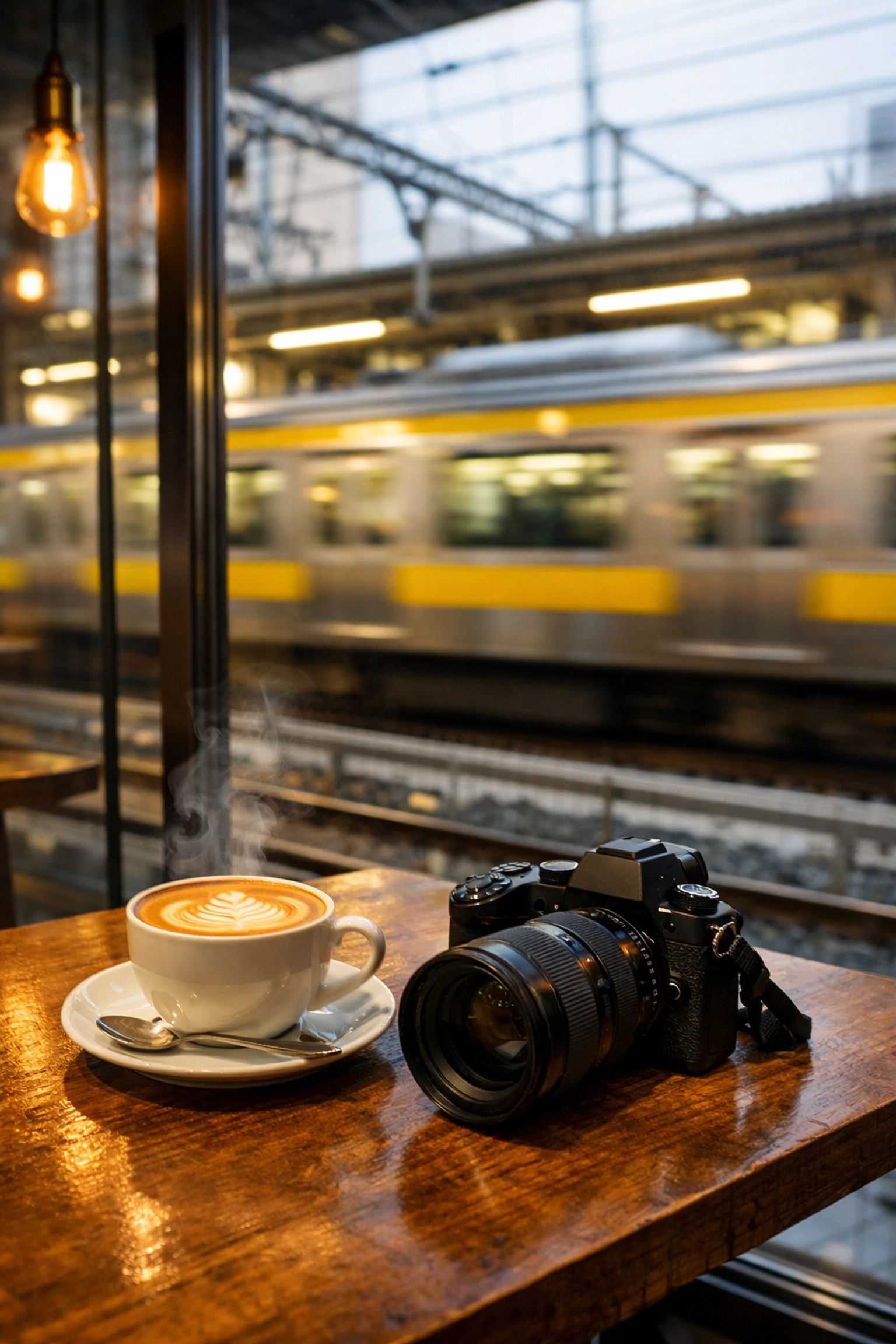
The transparent design is a photographer's playground. The motion of the trains against the still, warm interior creates a fantastic contrast. Set your shutter speed a little slower to capture that "motion blur" of the trains passing by while your coffee stays perfectly sharp. For more tips on mastering these kinds of shots, check out the tutorials at Shut Your Aperture. To get the best seat in the house (and know exactly when the "good" trains pass), consider this Viator food experience.
3. Lighting is Seasonal at Kichijoji SUN Tama Bar
Kichijoji is often voted the most desirable neighborhood to live in Tokyo, and SUN Tama Bar is a big reason why. This place takes "ambiance" to a whole new level. The interior lighting changes with the seasons: cherry blossoms in spring, the Milky Way in summer, and autumn leaves in the fall.
The "must-shoot" item here is the Flame Pancake. It’s exactly what it sounds like: a pancake set on fire at your table. It’s dramatic, it’s bright, and it’s over in seconds. Make sure your camera is out and your ISO is bumped up before they strike the match. If you’re looking for more inspiration on how to capture these fleeting moments, Edin’s personal work over at Edin Fine Art shows exactly how to handle dramatic light.
4. Symmetry is Everything at Nanairo Temari Uta
Located in the heart of Shinjuku, Nanairo Temari Uta is modeled after temari: traditional Japanese handball toys. The private dining rooms are literally shaped like giant balls, which provides a level of architectural symmetry that would make Wes Anderson weep with joy.
The food follows suit. Their Nanairo Temari Sushi is a colorful assortment of ball-shaped sushi that looks like jewelry on a plate. This is the place to practice your "flat lay" photography. Stand up (carefully), center your plate, and let the colors do the work. Don't forget to check out a local tour to find more of these geometric gems hidden in the skyscrapers.
5. Step Aboard at GUN-SHIP
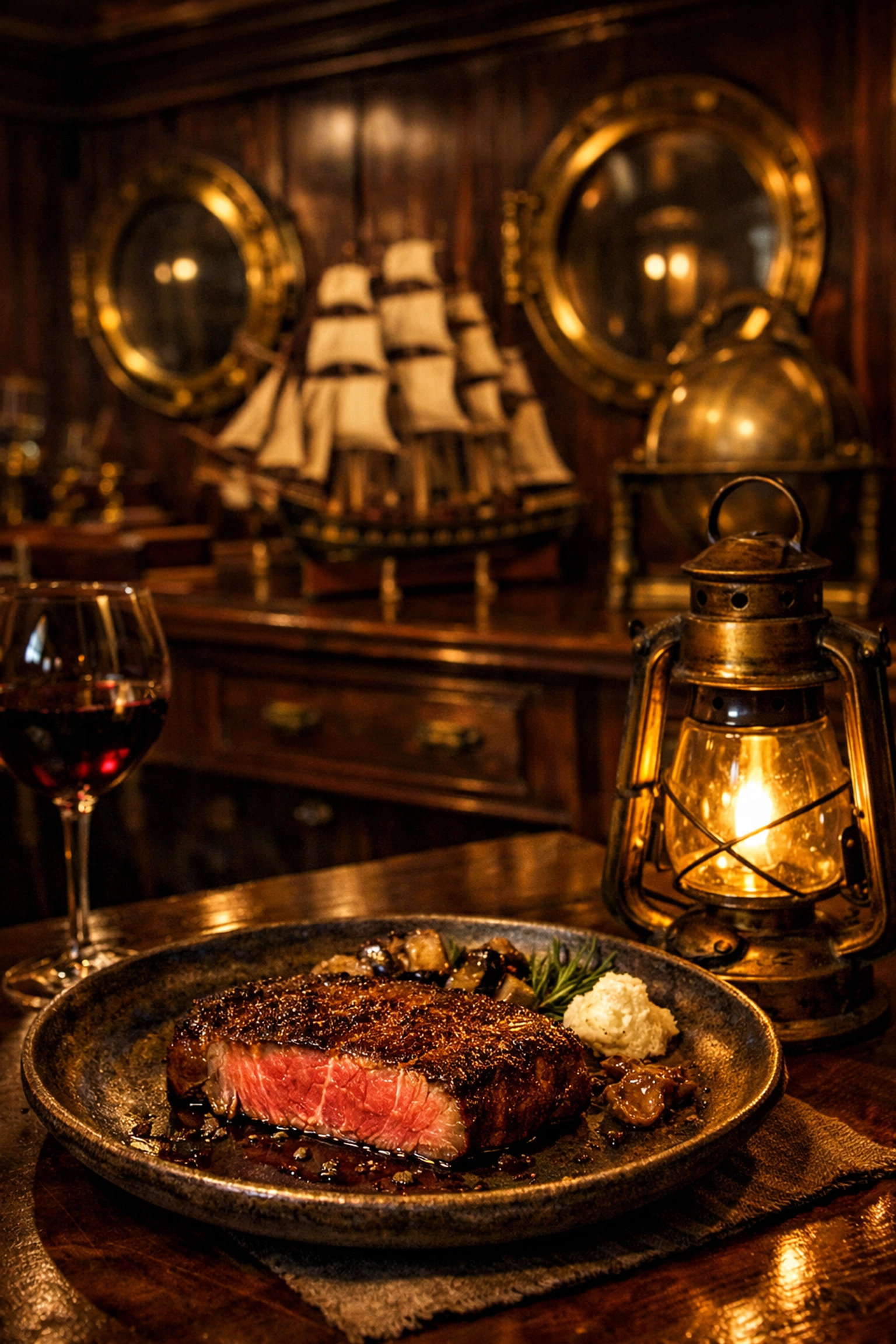
For those who want a little bit of "Pirates of the Caribbean" with their wagyu, the GUN-SHIP Tokyo branch is a nautical dream. Decorated with antique ship parts, artillery, and intricate ship models, it feels like dining in a captain’s quarters from the 18th century.
The low, moody lighting here is perfect for "dark and moody" food photography. Use the antique wood textures as your background to give your shots an old-world feel. If you’re struggling with the low light, you might want to download some of our editing presets to help pull those shadows out in post-production.
6. Golden Gai: 200 Bars, Infinite Photos
Shinjuku’s Golden Gai isn’t one restaurant, but a tiny grid of six alleys packed with over 200 miniature bars. Most of these places only seat about five or six people. It is the definition of "hidden."
The real magic happens after dark when the neon signs flicker to life. The narrowness of the alleys creates amazing leading lines. It’s an iconic spot for street photography, but remember: many bars have a "no photos" policy inside. Be respectful and ask. To navigate this maze and find the bars that actually welcome photographers, grab a spot on a Viator tour.
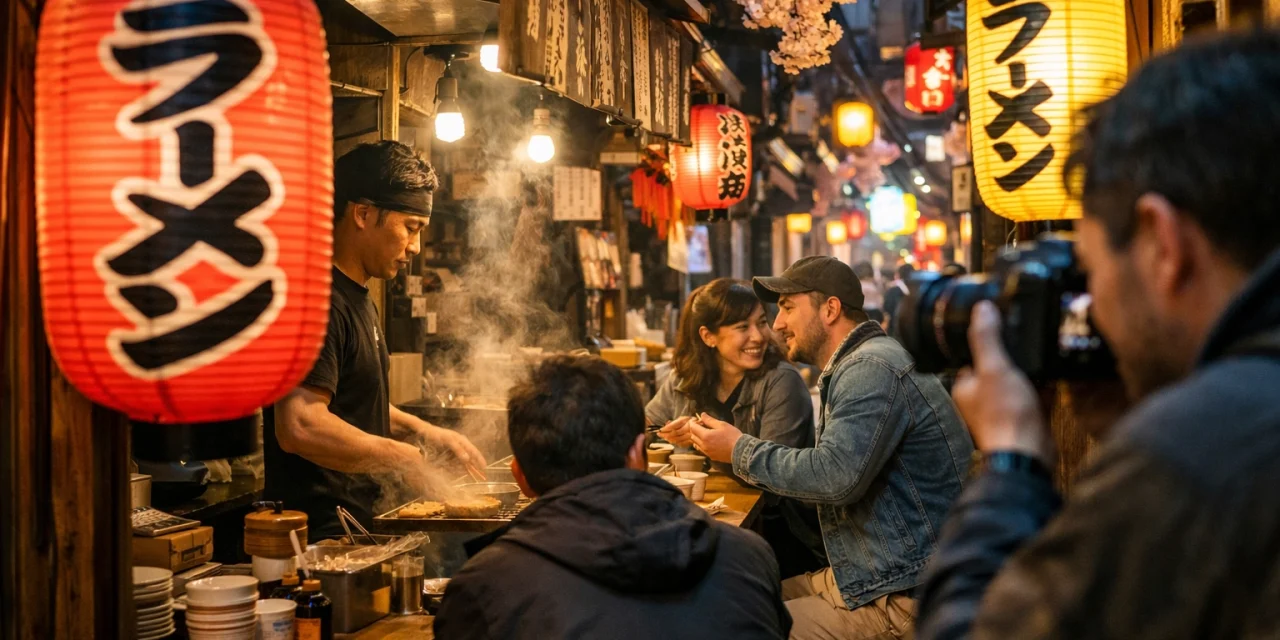
7. The Smoky Nostalgia of Omoide Yokocho
Affectionately known as "Memory Lane" (or more bluntly, "Piss Alley"), Omoide Yokocho is a throwback to post-war Tokyo. It’s all about yakitori, red lanterns, and plumes of delicious-smelling charcoal smoke.
The smoke is your best friend here. It catches the light from the lanterns and creates a thick, atmospheric haze that looks incredible on camera. If you want to learn how to edit these night scenes to look like a movie, head over to the Edin Chavez blog. Just remember to keep your gear close; these alleys are tight!
8. Harajuku is More Than Just Crepes
We all know the rainbow crepes of Takeshita Street, but Harajuku’s hidden eateries go much deeper. Look for the "animal cafes" or the tiny upstairs tea rooms that overlook the chaos below. The street food here is the most colorful you will find in Japan.
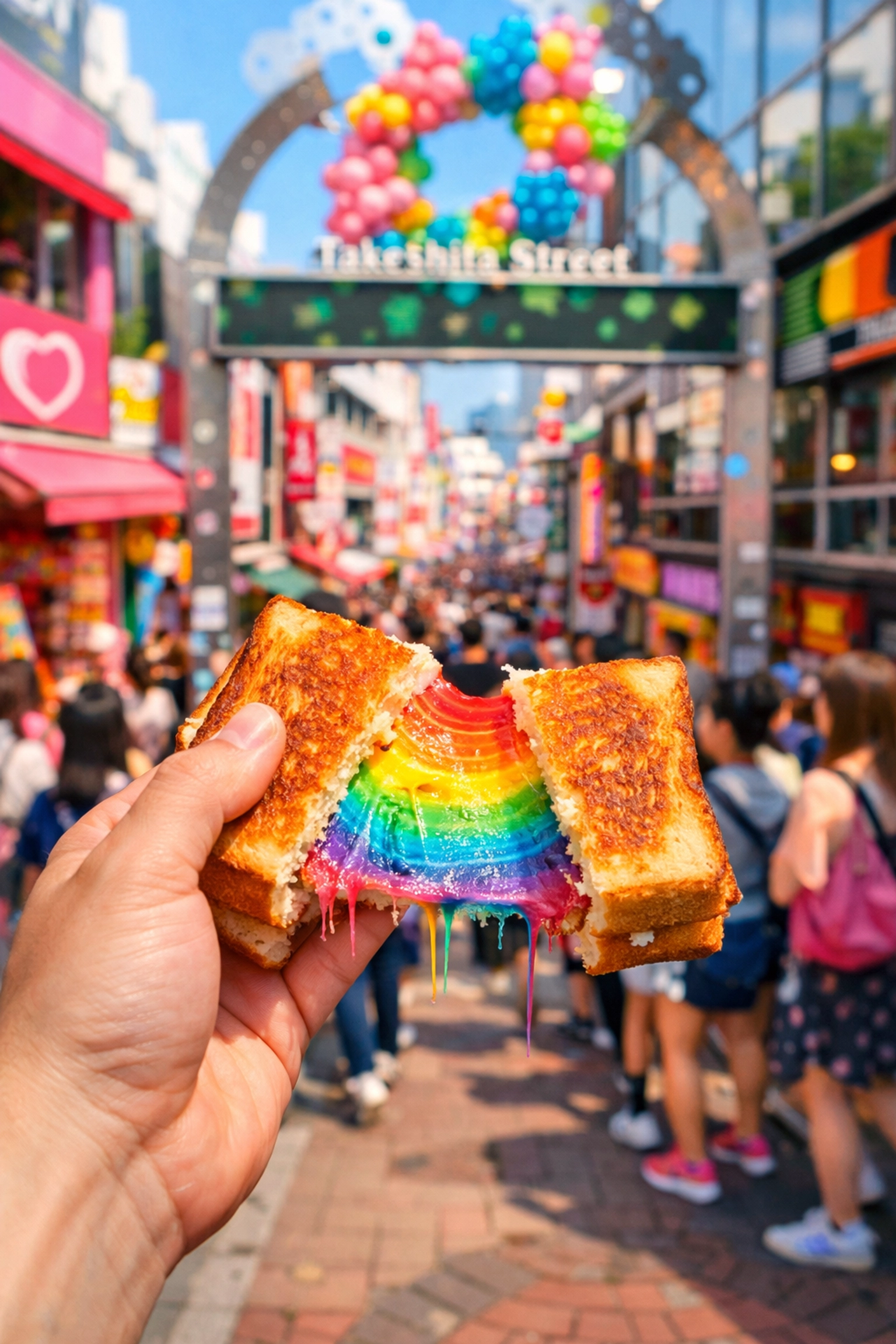
Capturing the "Harajuku vibe" is all about saturation. You want the pinks to pop and the greens to glow. If you’re planning a shoot here, think about the photography booking experience and how to time your visit to avoid the heaviest crowds while still catching that vibrant energy.
9. Akihabara’s Themed Cafes are a Digital Playground
Akihabara is the "Electric Town," and its cafes are just as high-energy. From Maid Cafes to Owl Cafes and retro-gaming bars, every corner is a different theme. The lighting is often neon and harsh, which can be tricky for cameras.
The key here is to embrace the "cyberpunk" aesthetic. Don't try to make it look natural; make it look digital. Use the colorful LEDs to your advantage. Because many of these places are tucked away on the 7th or 8th floor of non-descript buildings, joining a guided food tour will save you hours of wandering around aimlessly.
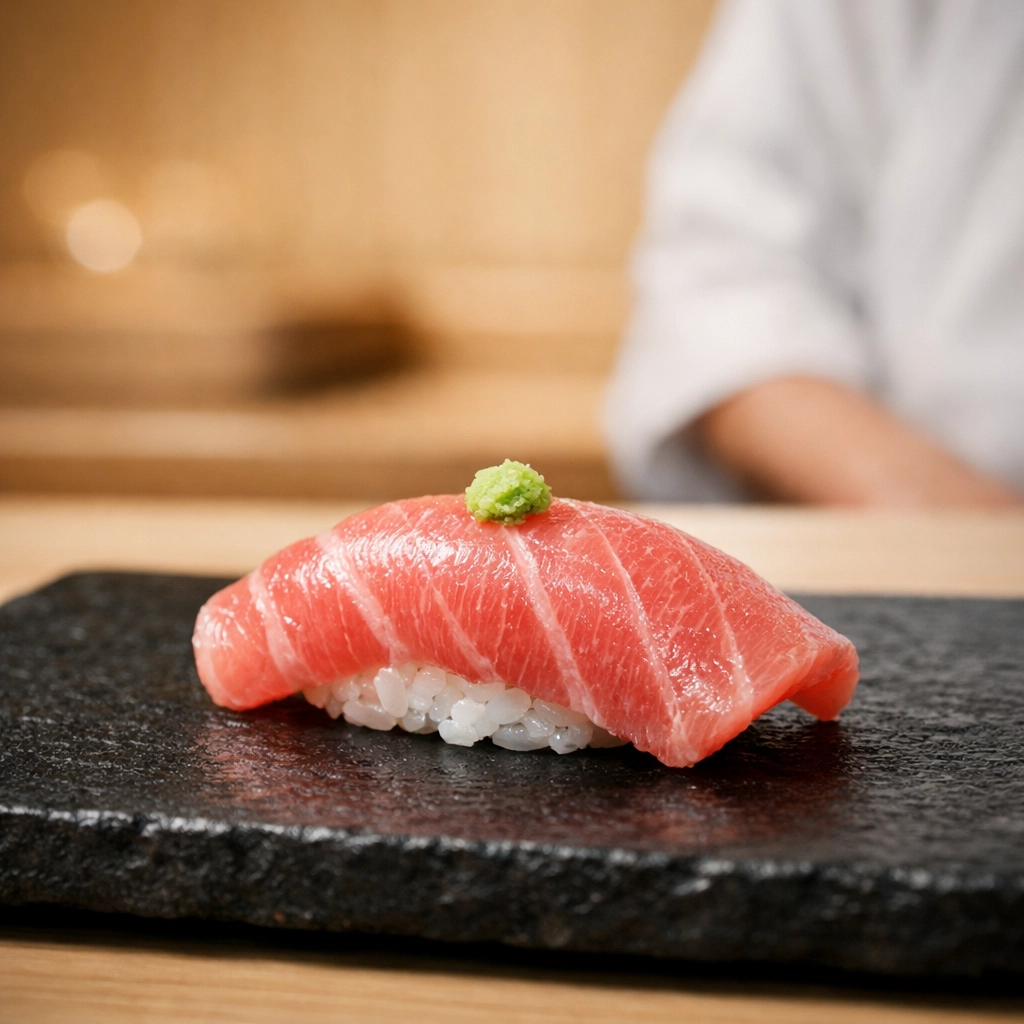
10. Ginza Sushi: The Art of the Minimal
On the opposite end of the spectrum is Ginza. Here, the eateries are high-end, hushed, and minimalist. A piece of sushi at a top-tier Ginza spot is a masterclass in balance and texture.
Photography in these high-end spots is all about the details: the grain of the rice, the sheen of the fish, the handmade ceramic plate. It’s quiet and respectful. Always ask permission before you start snapping, as many chefs consider their work a private performance. To ensure you get into one of these exclusive spots, booking through Viator can help secure those hard-to-get reservations.
Tokyo is a city that rewards the curious. Whether you’re chasing the perfect flaming pancake in Kichijoji or the moody smoke of Omoide Yokocho, there is always something incredible just around the corner. Stay tuned for Day 2 of our series, where we’ll be heading to the neon heart of Akihabara to see what’s cooking in the world of themed cafes!













