
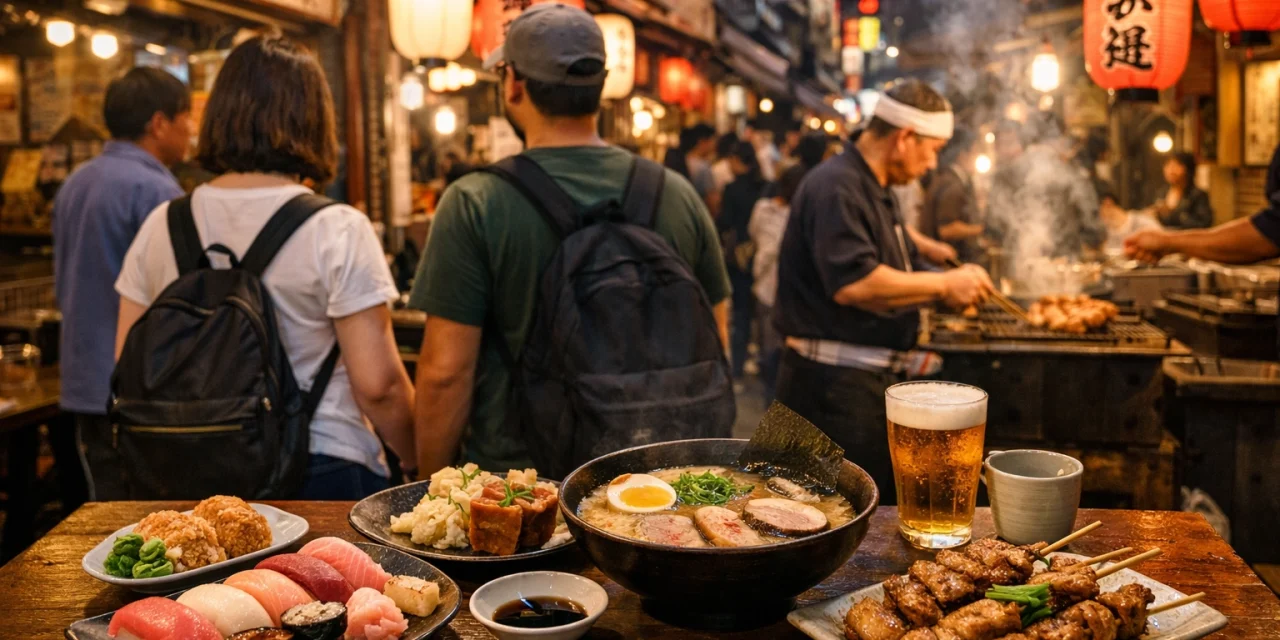
Tokyo is a city that doesn't just feed you; it consumes you. From the neon-drenched alleys of Shinjuku to the refined quiet of Ginza, every corner of this megalopolis smells like something delicious. If you are reading this, you’re likely planning your first (or maybe fifth) trip to Japan’s capital, and you’ve realized that navigating the culinary landscape is a Herculean task.
Welcome to Day 1 of our 14-day series exploring the best places to eat in Tokyo. Over the next two weeks, we’re going to dive deep into everything from the quirky themed cafes of Akihabara to the legendary high-end sushi spots of Ginza. But before we pick up the chopsticks, we need to set the stage.
As the CEO of Photoguides, I’ve spent a lot of time capturing the world through a lens, and let me tell you: Tokyo is the most photogenic food city on the planet. But if you want to do more than just take pretty pictures for your Instagram, you need a plan. Here are 10 things you absolutely must know before your first bite on a Tokyo food tour.
1. Come Extremely (And We Mean Extremely) Hungry
A Tokyo food tour is not a light snack between museum visits. It is a full-contact sport. Most tours involve anywhere from 5 to 10 different stops. You’ll be sampling small bites, traditional sweets, and usually at least one full-sized meal toward the end.
I’ve seen people make the rookie mistake of eating a "light lunch" before a 4 PM tour. Don't be that person. You want your stomach to have the storage capacity of a 1TB memory card. To ensure you find the best curated experiences that won't leave you searching for a snack afterward, consider booking a guided food tour through Viator here.
2. A Local Guide is Your Secret Weapon
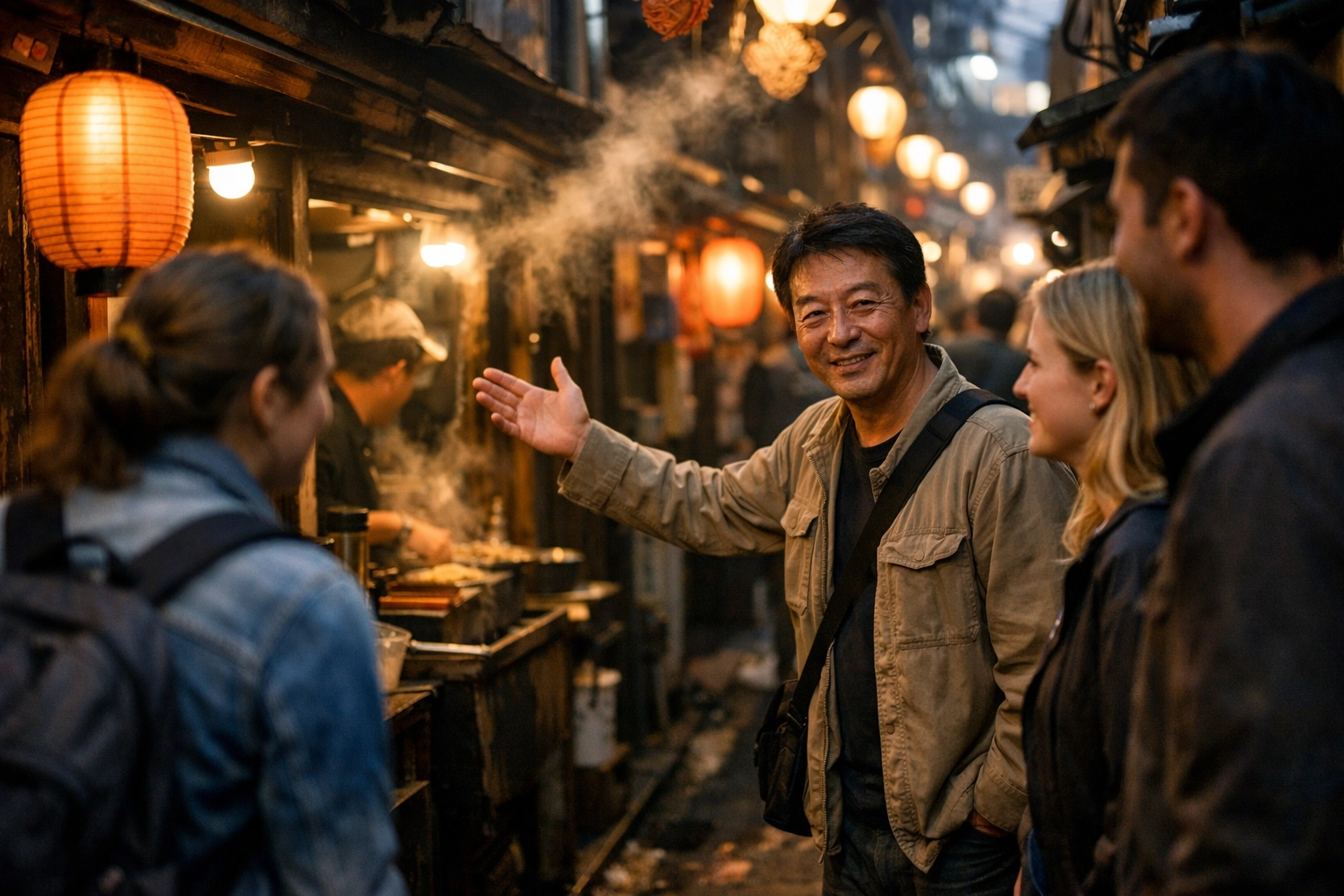
You can use Google Maps all you want, but an algorithm won't tell you that the chef at a specific Yakitori stall has been using the same tare sauce recipe since 1954. Local guides provide the context, the history, and the "why" behind the food. They bridge the gap between "I'm eating a stick of meat" and "I'm experiencing a culinary tradition."
While you’re out there capturing these moments, make sure you have the essential photography gear to do the food justice. If you want to learn more about the art of capturing these moments, check out Shut Your Aperture for some technical tips. For the best local insights and someone to navigate the language barrier, find a local-led tour on Viator.
3. Choose Your Neighborhood Like Your Life Depends on It
Tokyo isn't one city; it’s a collection of many distinct "villages," each with its own flavor profile.
- Akihabara: Known for electronics and anime, but also for its wild themed cafes. If you want to eat food shaped like a cat while being served by someone in a maid outfit, this is your spot. Book an Akihabara food tour here.
- Ginza: This is where the heavy hitters live. We're talking high-end sushi that requires a mortgage to afford. If you want to see masters at work, check out a Ginza culinary experience.
- Harajuku: Street food heaven. Think rainbow grilled cheese and towering crepes. It’s colorful, loud, and sugary. Explore Harajuku street food tours here.
- Tsukiji: Even though the inner wholesale market moved to Toyosu, the Outer Market is still the king of fresh seafood. Book a Tsukiji breakfast tour through Viator.
4. The Modern vs. Traditional Tug-of-War
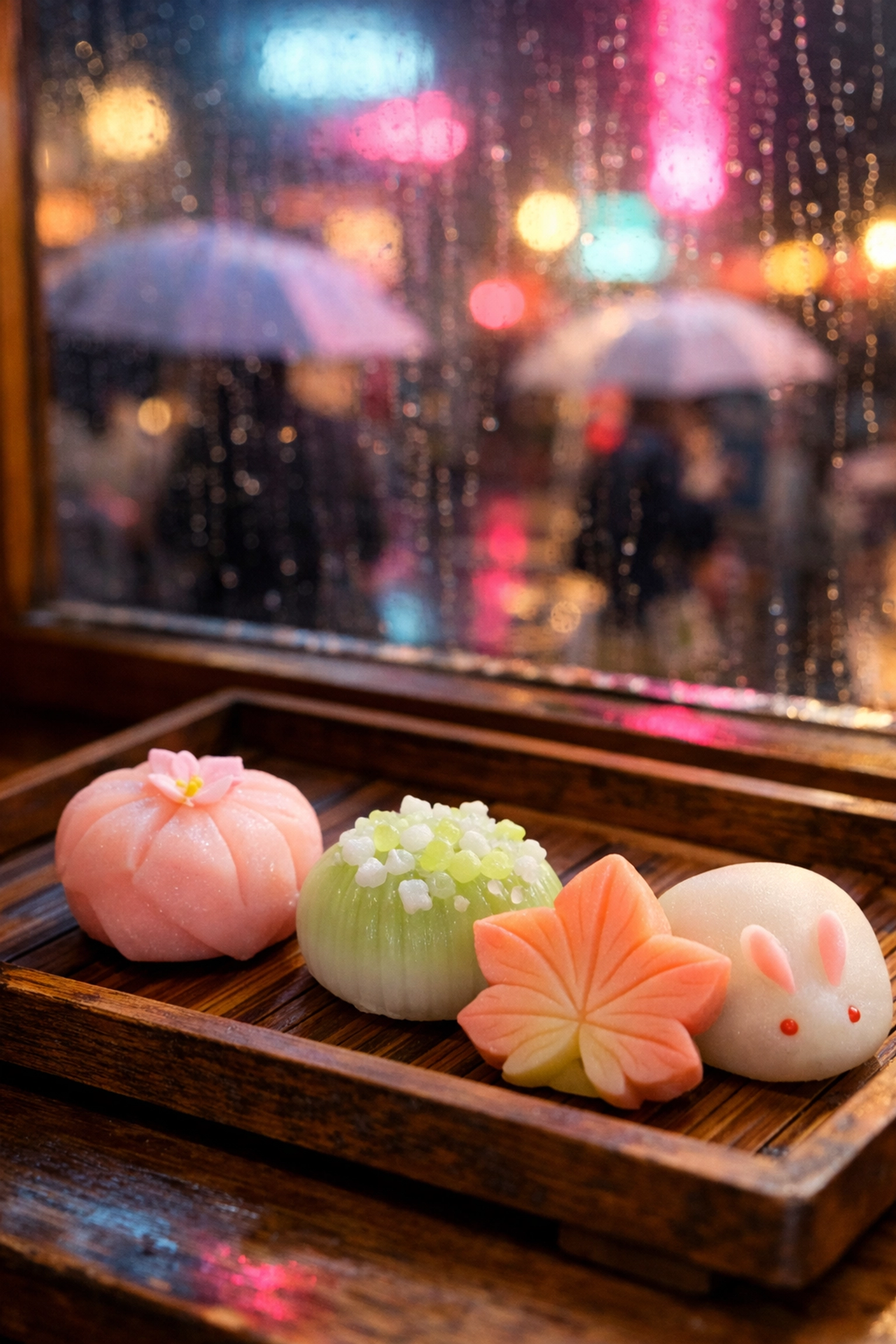
Tokyo does a spectacular job of keeping one foot in the Edo period and the other in 2085. Your food tour should reflect that. You might start your afternoon at a 200-year-old wagashi (traditional sweet) shop and end it at a futuristic izakaya with robot servers. This contrast is what makes the city's food scene so vibrant. To see this blend in action, I highly recommend looking at Edin Fine Art to see how the architecture and food culture collide in my photography. To taste it for yourself, grab a spot on a modern-meets-traditional tour.
5. Expect More Than Just Sushi
When people think of Japanese food, they think of sushi. But Tokyo's "Soul Food" is often cooked. Expect to find:
- Yakitori: Charcoal-grilled chicken skewers.
- Monjayaki: A savory pancake-like dish that’s a Tokyo specialty.
- Ramen: Deep, complex broths that vary wildly by shop.
- Wagyu: The melt-in-your-mouth beef that will ruin all other steaks for you.
For a comprehensive dive into these signature dishes, Viator offers incredible variety in their food tour listings.
6. Small Groups Mean Better Access
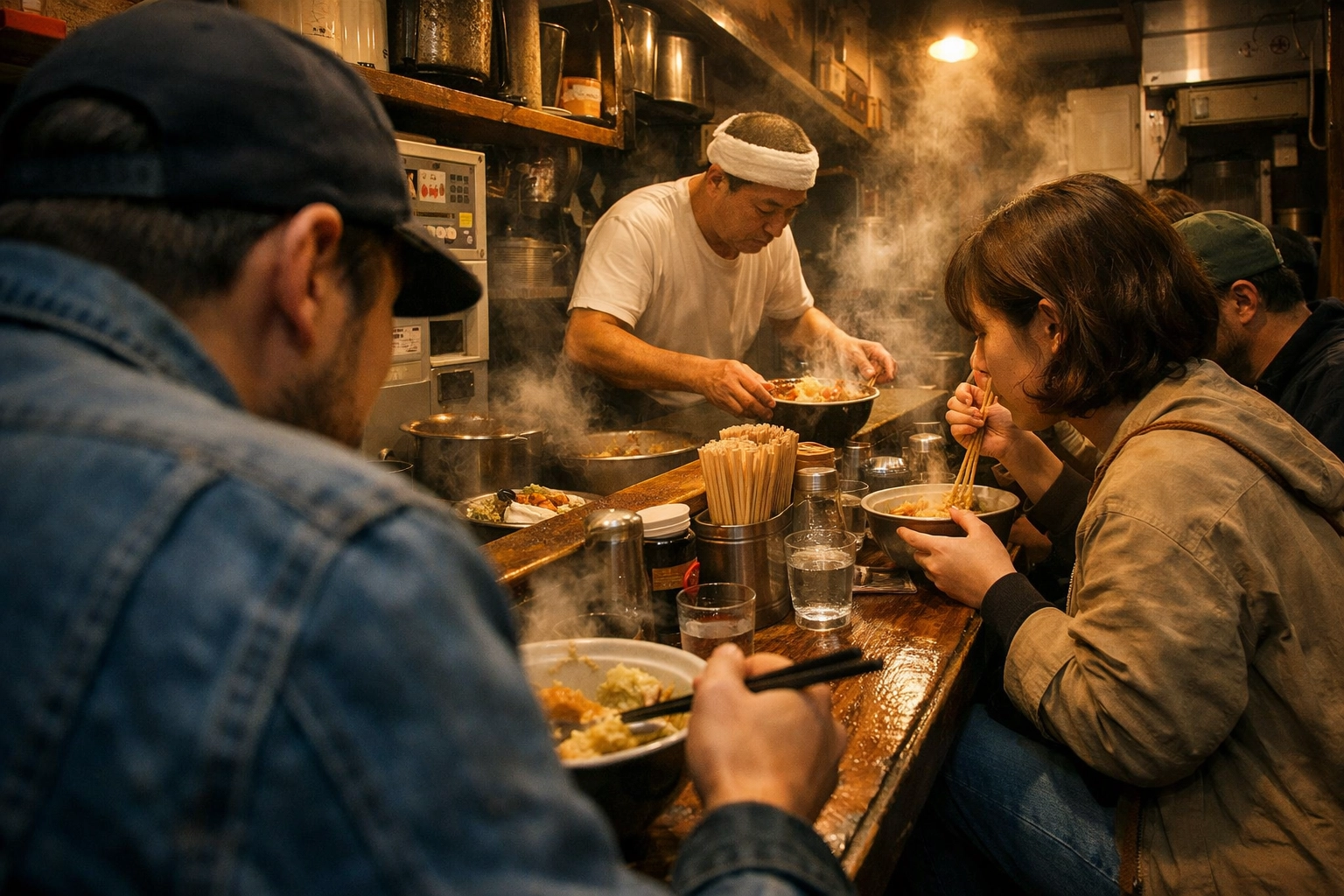
Tokyo is a city of tiny spaces. Some of the best restaurants in the city only have six seats. If you’re on a tour with 20 other people, you’re never going to get into the truly authentic "hole-in-the-wall" spots. Always look for tours that limit their group size to 6 or 8 people. It feels more like a night out with friends and less like a school field trip. For a more intimate, professional-grade experience, you can also look into the Photoguides photography booking experience to document your journey with a pro. To secure your spot in a small-group food tour, browse the options on Viator.
7. It’s About History and Culture, Not Just Calories
A great food tour is a history lesson disguised as a meal. You’ll learn why the fish is cut a certain way in Tokyo compared to Osaka, or how the post-war era influenced the rise of Gyoza. You might even find yourself in a hidden shrine in the middle of a shopping district. If you want to keep the learning going after your trip, check out our educational section for more insights on travel and photography. To hear these stories from a pro, book your tour here.
8. Discover the "Hidden" Spots (Literally)
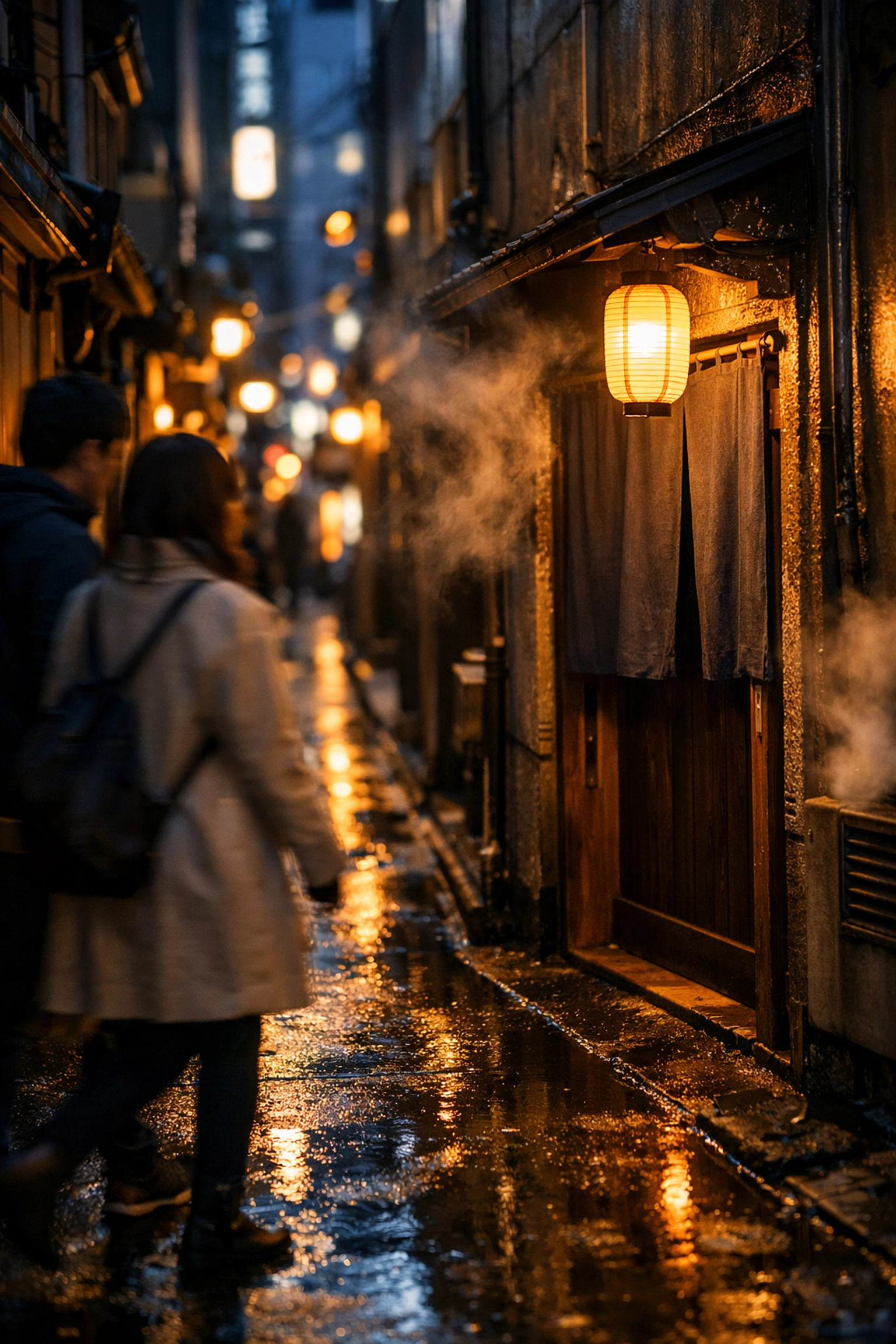
Some of Tokyo’s best food is found in the basements of department stores (Depachika) or on the 10th floor of a nondescript office building. Without a guide or a very specific recommendation, you would walk right past some of the world's best culinary treasures. This sense of discovery is what I love about street photography in Japan, something I often discuss on my personal blog. Don’t miss out on the hidden gems: find a "hidden Tokyo" tour on Viator.
9. Cultural Etiquette is Part of the Dish
Knowing how to use your chopsticks (and more importantly, what not to do with them) is vital. Did you know that rubbing your chopsticks together is considered rude because it implies the restaurant provides cheap, splintery utensils? Or that slurping your noodles is actually a compliment to the chef? A food tour is a safe space to learn these nuances without the fear of accidentally offending someone. For more travel tips, you might find our guide on cheap weekend getaways helpful for planning your next hop. To learn etiquette from a local expert, book through Viator.
10. Add-Ons Can Elevate Your Trip
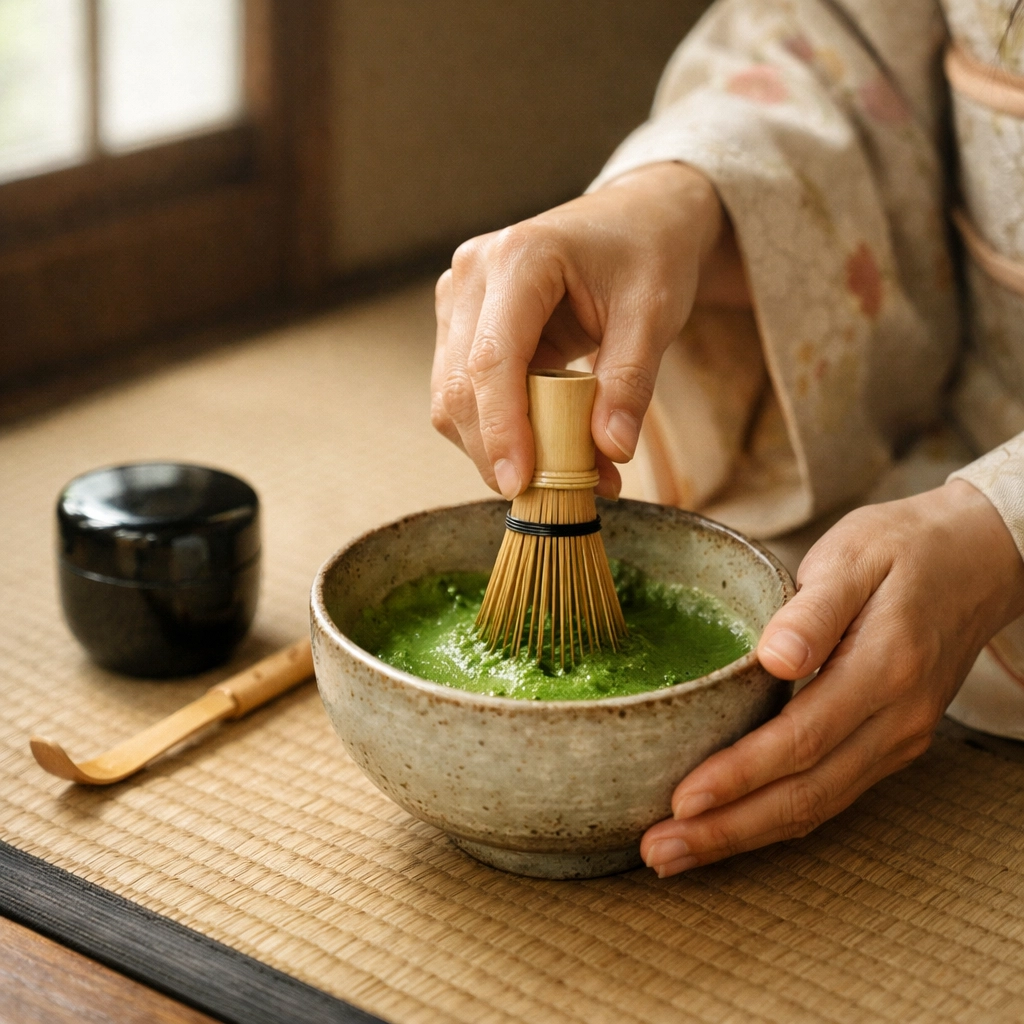
Many food tours offer more than just eating. Look for experiences that include a traditional tea ceremony or a wagashi-making class. These hands-on moments are often the highlights of the trip and provide a deeper appreciation for the Japanese dedication to craft (Takumi). Whether you're interested in the serenity of a tea house or the chaos of a kitchen, there’s an add-on experience waiting for you on Viator.
Ready for Your First Bite?
Tokyo is a city that rewards the curious and the hungry. As we kick off this 14-day series, keep these tips in mind. Tomorrow, we’re heading straight into the neon heart of Akihabara to explore the world of themed cafes: it’s going to be weird, wonderful, and surprisingly delicious.
Before you head out, make sure your camera is ready. If you need a refresh on what’s worth carrying, take a look at our camera reviews for 2024.
And remember, the best meals aren't found; they're experienced. Book your Tokyo food tour through Viator and let the adventure begin!
Stay tuned for Day 2!













