Category: Photo Guides
There is something visceral about being in the wild, eye-to-eye with a predator or waiting in silence for a rare bird to take flight. As photographers, we live for those moments. But if you’ve started looking into wildlife photography tours, you’ve probably noticed that they are a significant investment of both time and money.
I’ve spent years navigating marshes, forests, and plains to get the perfect shot, and I can tell you that not all tours are created equal. Some are life-changing experiences that skyrocket your portfolio, while others are just glorified sightseeing trips where you’re stuck behind twenty other people with iPads.
Before you pack your bags and head out into the unknown, here are 10 things you absolutely need to know to ensure your next photography adventure is a success.
1. Photography-Focused vs. Standard Tours
This is the most common mistake I see. A "wildlife tour" and a "wildlife photography tour" are two completely different beasts. A standard tour is designed for tourists. They want to see the "Big Five," snap a quick photo on their phone, and get back to the lodge in time for the breakfast buffet.
A true photography tour is built around the light. This means you’ll be out in the field before the sun even thinks about coming up, and you’ll stay out until the very last drop of golden hour has faded. On a photography-focused trip, the itinerary is flexible. If you find a nesting pair of Ospreys, the guide should be willing to stay there for three hours until the action happens, rather than rushing to the next "stop" on a map. When you are looking at your photography booking experience, always ask if the schedule is dictated by the light or by a clock.
2. The Guide Must Be a Photographer
You wouldn't hire a plumber to fix your car, so why would you hire a naturalist who doesn't understand focal lengths to lead your photo tour? A great naturalist is vital for finding the animals, but a great photography guide understands positioning.
A guide who is also a professional photographer knows where the sun will be in twenty minutes. They know how to position the boat or the jeep so you have a clean background instead of a messy thicket of branches. They speak your language: they understand "stop down," "back-button focus," and "blown highlights." Before booking, check out the guide's personal portfolio at Edin Fine Art or similar professional galleries to ensure their style matches what you want to learn.
3. Group Size Matters (A Lot)
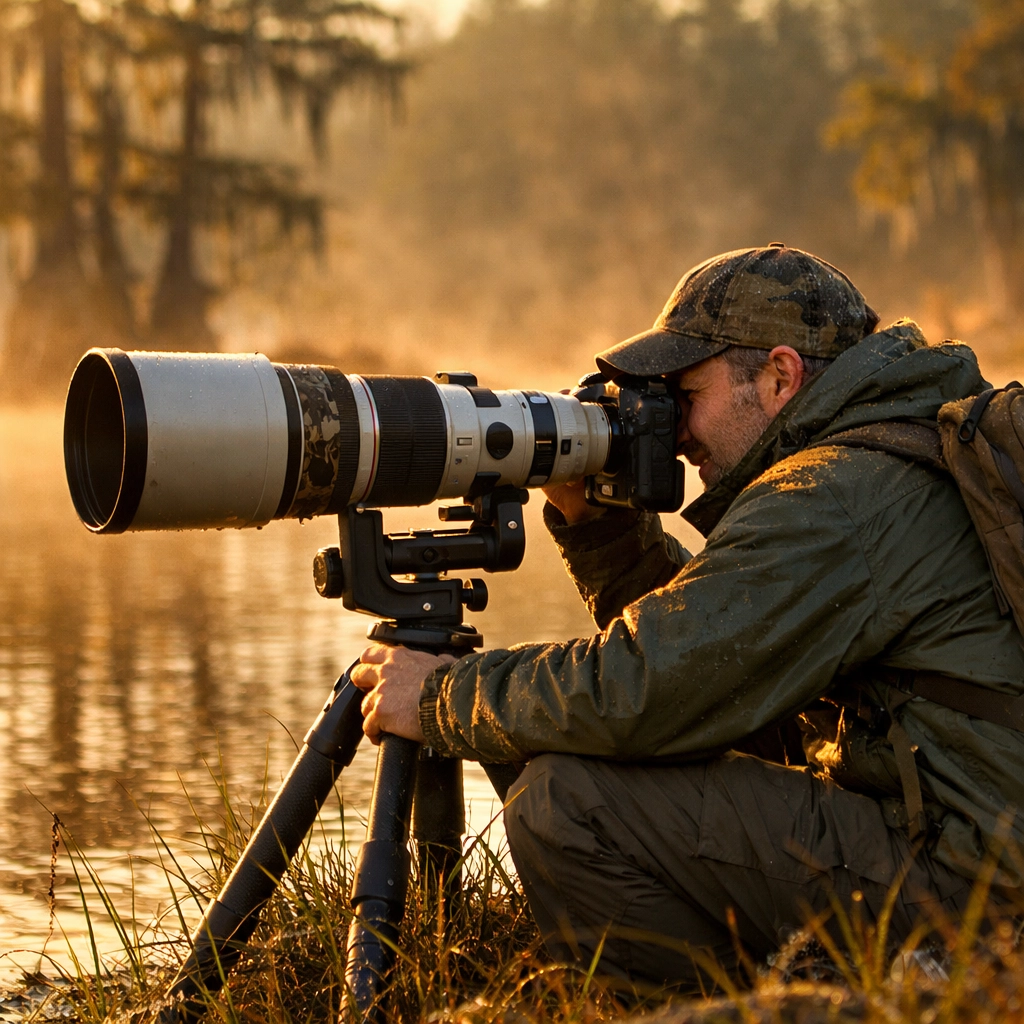
In the world of wildlife photography, three is a crowd and ten is a catastrophe. If you are on a boat looking for birds in the Everglades, you need room to move. If there are six other photographers all trying to swing 600mm lenses around, someone is going to get hit in the head, and someone is going to miss the shot.
Small group sizes allow for personalized instruction. It means the guide can spend time with you on your essential photography gear, helping you dial in your settings for a specific lighting situation. It also means less stress for the animals. Large groups tend to spook wildlife, whereas a small, quiet group can often get much closer for those intimate portraits.
4. Know Your Target Species and Their Seasons
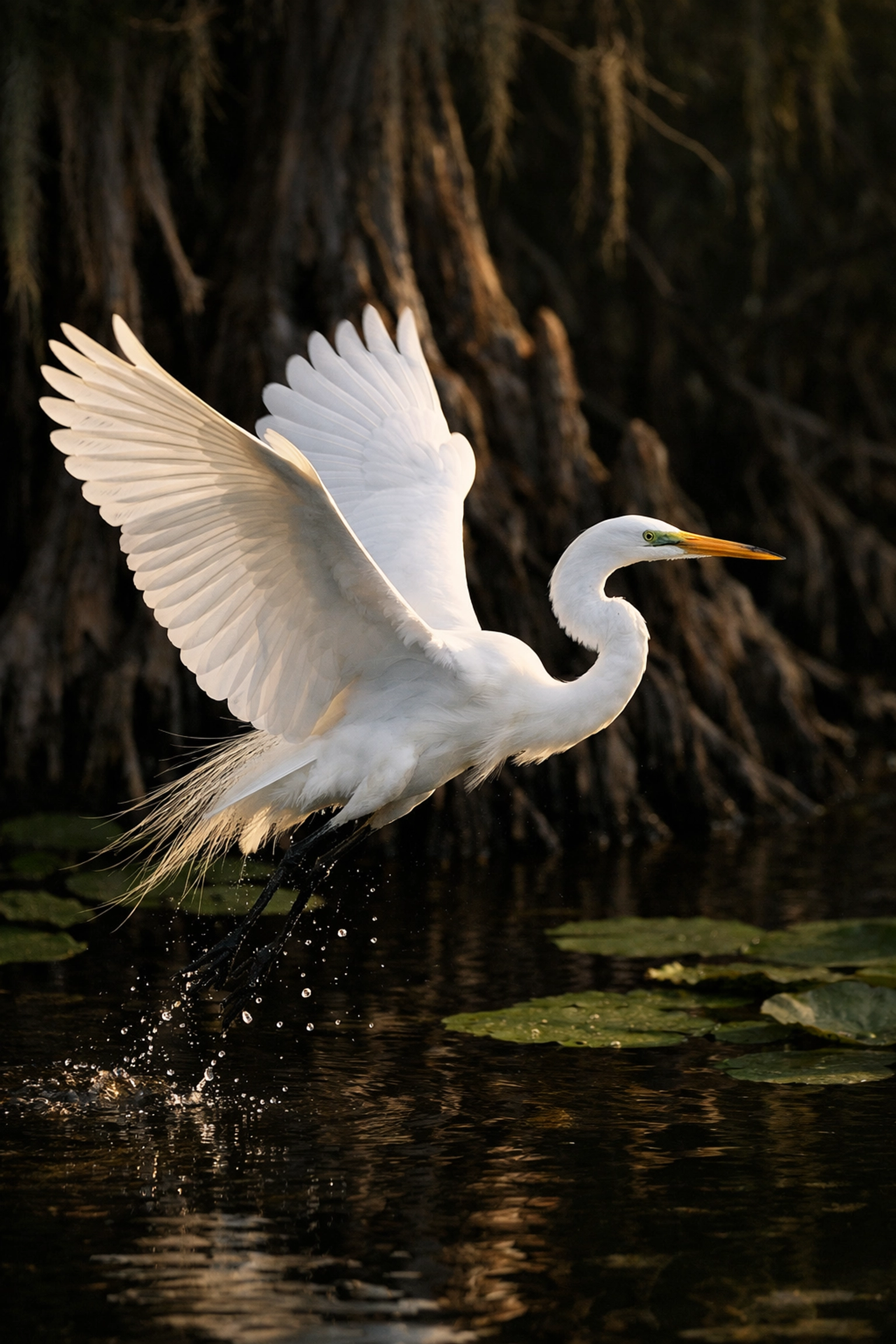
Wildlife doesn't perform on a schedule. If you want to photograph the Great Egret in its stunning mating plumage, you can't just show up in the Everglades in October and expect to see it. You need to do your homework on the biological cycles of your target subjects.
Research the "peak" seasons for the locations you are visiting. This applies to everything from bird migrations to predator hunts. If you're looking for a deep dive into one of the best locations in the world for bird photography, you should check out our Everglades Photography Guide. It breaks down exactly when and where to go to get those world-class shots without the guesswork.
5. Don’t Skimp on the Reach
Wildlife photography is one of the few niches where gear truly does make a difference. You can shoot a beautiful landscape with a 35mm lens, but you aren't going to get a frame-filling shot of a Bald Eagle with one.
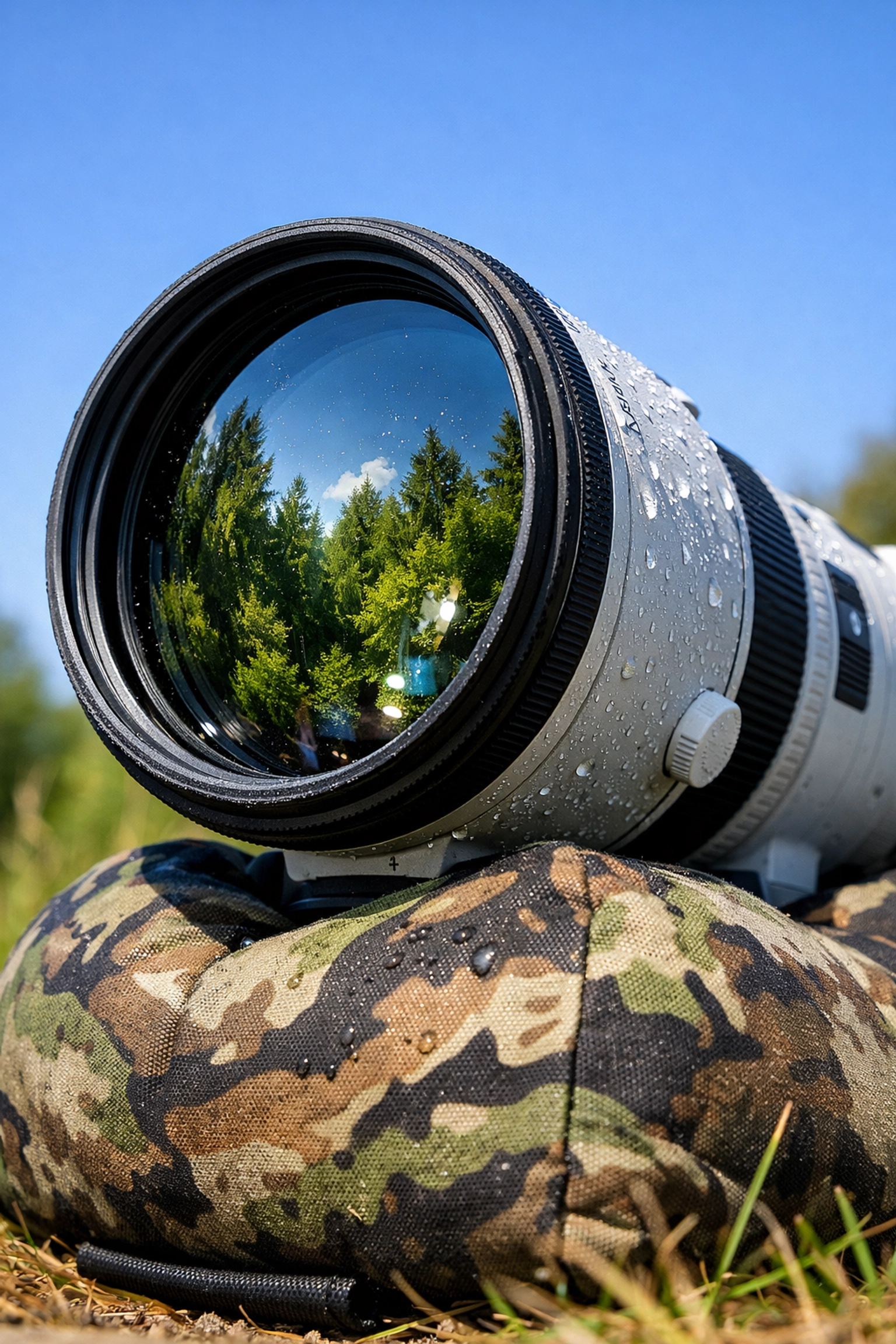
Before you go, ensure you have the right focal length. For most wildlife tours, a 100-400mm or a 200-600mm is the "sweet spot." If you don't own one, consider renting. Also, don't forget a backup body. If you are in the middle of a remote marsh and your primary camera stops working, your trip is effectively over. You can find more tips on building your kit in our educational category.
6. Safety and Ethics are Non-Negotiable
No photo is worth harming an animal or putting yourself in danger. A reputable tour will always prioritize the welfare of the wildlife. This means maintaining ethical distances: usually at least 100 yards from large predators like bears or wolves, and 25 yards from most other species.
Be wary of tours that "bait" animals or use calls excessively to get them to fly. Not only is this often illegal in National Parks, but it also disrupts natural behaviors. We want to be observers of the wild, not participants in its destruction. For more on the ethics of the craft, check out the community discussions over at Shut Your Aperture.
7. Understand the Physical Demands
Wildlife photography isn't always a walk in the park. Sometimes it’s a slog through waist-deep water or a four-mile hike with 30 pounds of gear on your back. Before booking, ask about the physical requirements.
Are you shooting from a vehicle? A boat? Or are you on foot? Knowing this helps you prepare. If the tour involves a lot of walking, you might want to rethink that heavy tripod and opt for a monopod instead. Being physically prepared ensures you’re focusing on the viewfinder rather than your aching back.
8. Technical Instruction vs. Guidance
What do you actually want to get out of the trip? Some photographers just want to be "put on the bird": meaning they have the skills, they just need to be in the right spot. Others are looking for active teaching.
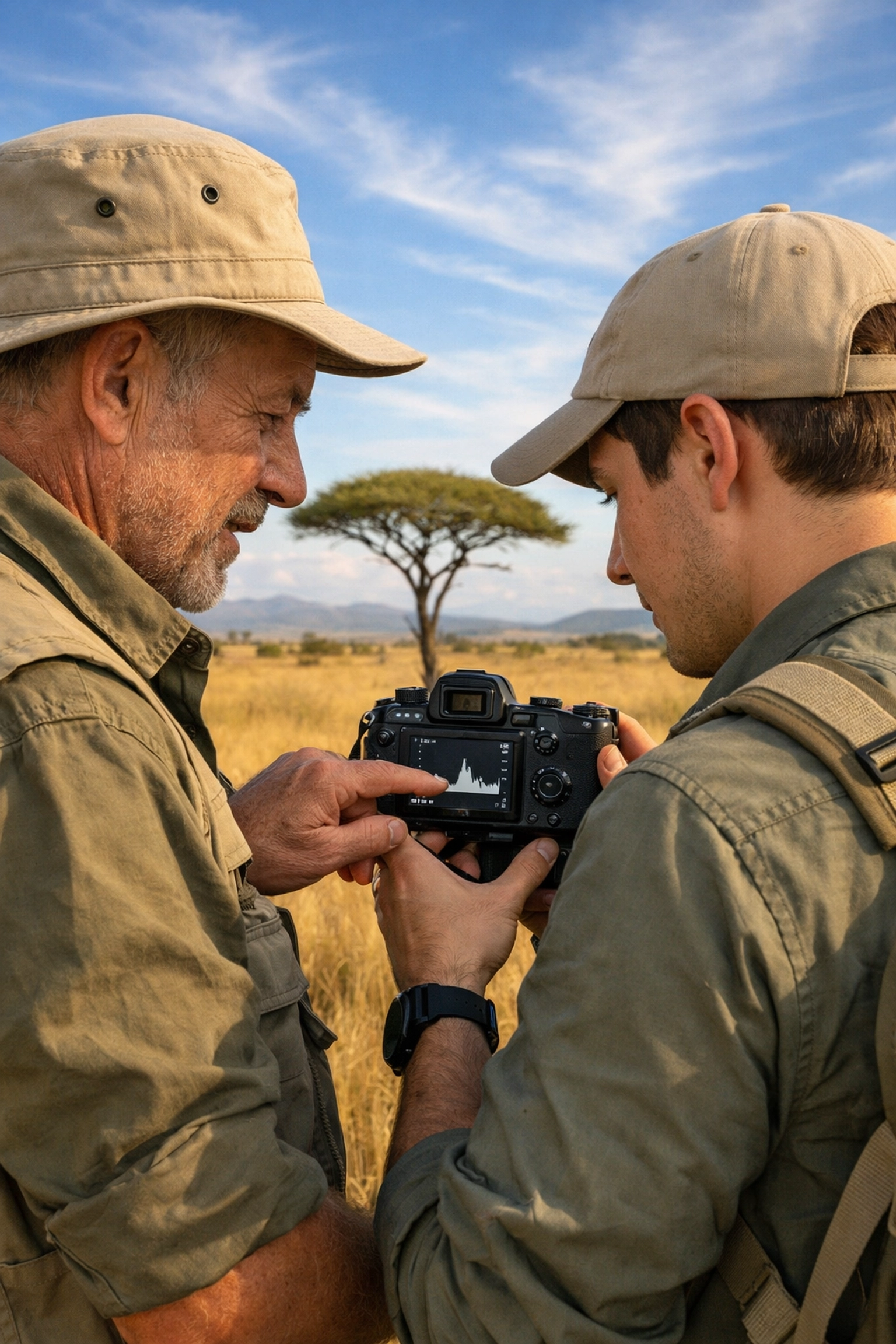
If you are still struggling with manual mode or tracking moving subjects, make sure the tour includes a teaching component. A good guide will offer "tailgate" sessions or evening reviews to go over the day's shots. This is where the real growth happens. You can find many of these technical tips on the Photoguides blog to brush up before you head out.
9. Preparation for the Elements
The best wildlife shots often happen in the worst weather. Stormy skies, mist, and rain add atmosphere that a blue-sky day simply can't match. However, your gear (and your body) needs to be ready for it.
Invest in high-quality rain covers for your lenses and a waterproof bag. More importantly, dress in layers. Even in places like Florida, the mornings on a moving boat can be surprisingly chilly. If you're comfortable, you'll stay out longer. If you're shivering, you'll be tempted to pack it in right when the light gets good.
10. The "Hidden" Costs
The price tag on the tour website is rarely the final cost. When calculating your budget, remember to include:
- Travel Insurance: A must when dealing with expensive gear and remote locations.
- Tipping: It is standard practice to tip your guides and drivers.
- Editing Software: You’ll likely come home with thousands of images; make sure you have the storage and software ready to handle them.
Why the Everglades Should Be Your Next Stop
If you are looking for a world-class wildlife photography experience without necessarily traveling to another continent, the Florida Everglades is an absolute goldmine. It is one of the few places where the wildlife is relatively habituated to humans, allowing for incredibly close encounters with ancient reptiles and stunning tropical birds.
However, the Everglades is massive and can be intimidating. That’s why we created the Everglades Photography Guide. It’s designed to be your digital scout, showing you the exact GPS coordinates for the best spots, the best times to visit, and the techniques needed to master the unique light of the Florida wetlands.
Final Thoughts
A wildlife photography tour is more than just a vacation; it’s an investment in your craft. By choosing the right guide, keeping your group size small, and coming prepared with the right gear and expectations, you’ll come home with more than just photos: you’ll come home with stories.
Whether you're heading to the plains of Africa or the swamps of Florida, remember to slow down, respect the animals, and keep your eyes on the light. The shot of a lifetime is out there waiting for you.
Ready to start your journey? Grab the Everglades Photography Guide today and let’s get shooting!