
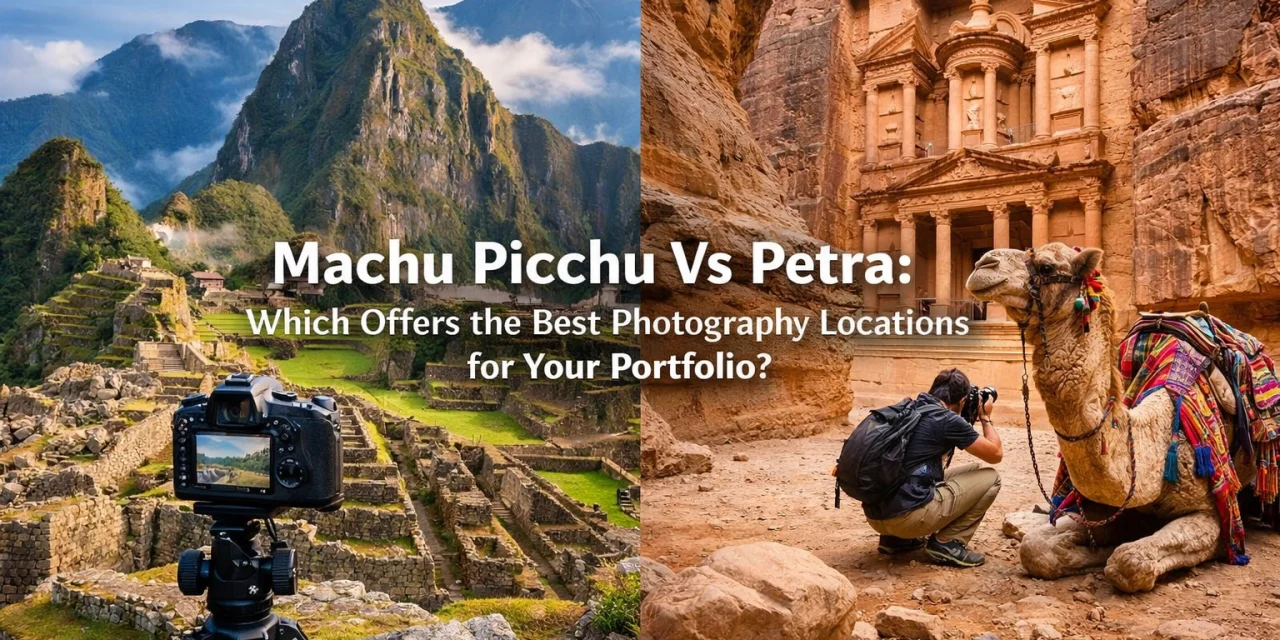
So, you’ve finally saved up enough frequent flyer miles, your sensor is clean, and your SD cards are formatted. Now comes the million-dollar question: where are you heading to build that legendary portfolio? If you’re a photographer looking for the ultimate "bucket list" shot, two names always rise to the top of the pile: Machu Picchu in Peru and Petra in Jordan.
Choosing between these two UNESCO World Heritage sites is like choosing between a vintage Leica and a brand-new Sony; both are incredible, but they offer completely different vibes. One is a misty, emerald-green citadel perched in the clouds, while the other is a rose-red masterpiece carved into desert sandstone.
At Photoguides, we know that travel photography isn’t just about pointing and clicking; it’s about timing, light, and not getting a group of thirty tourists in your wide-angle shot. Whether you’re looking for the most instagrammable places or deep-cut best photography locations for a professional print series, here is the breakdown of the great Machu Picchu vs. Petra debate.
Machu Picchu: The Lost City in the Clouds
There is a reason Machu Picchu is on every "travel photography tips" list ever written. The sheer scale of the Incan engineering combined with the dramatic Andean peaks creates a sense of scale that is hard to replicate anywhere else on Earth.
The Iconic Shots
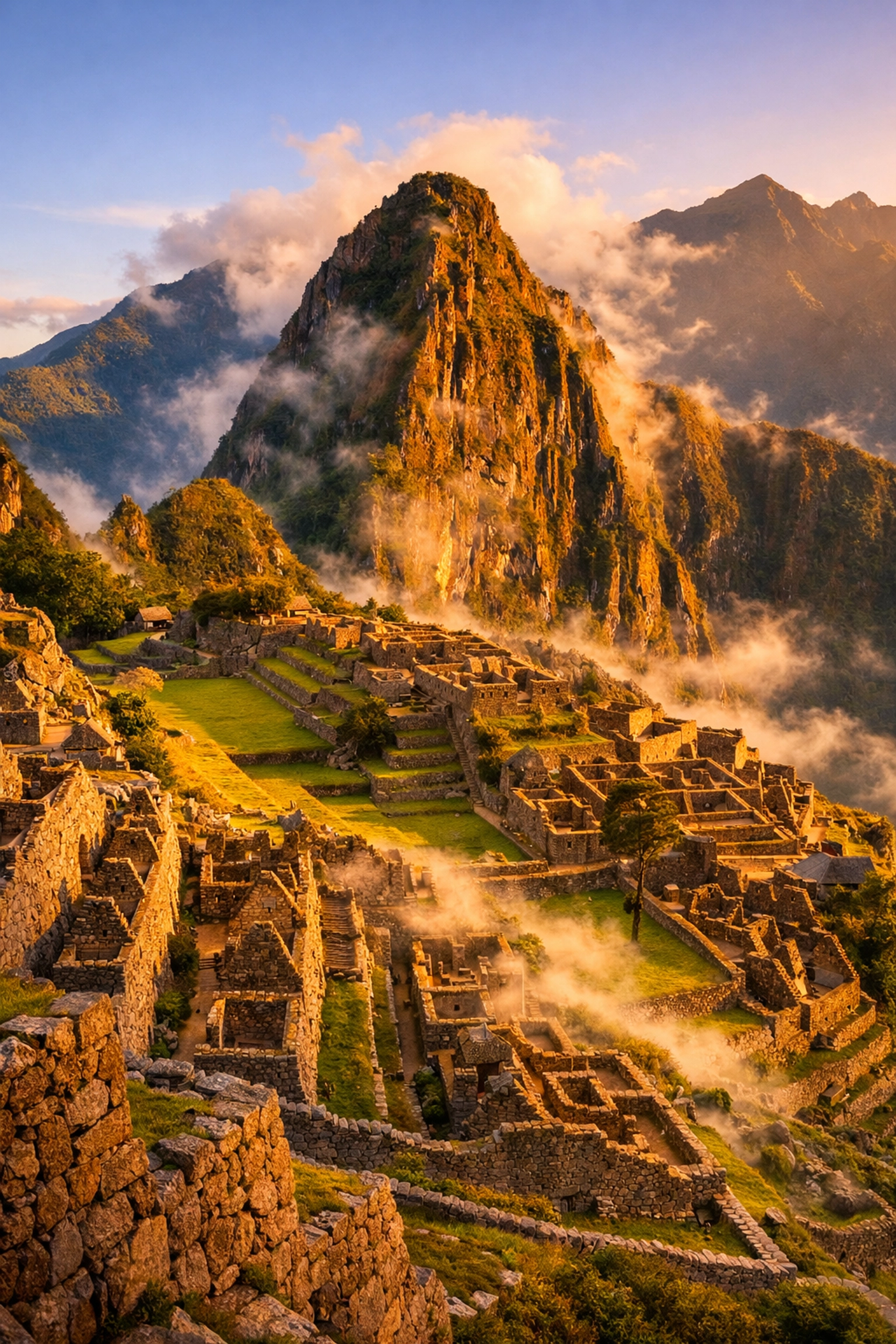
When people think of Machu Picchu, they think of the "Postcard Shot" taken from the Guardian House (Guardian’s Hut). This is the classic overlook that shows the entire urban sector with the iconic Huayna Picchu mountain standing guard in the background. If you arrive at 6:00 AM, you might be treated to a layer of mist swirling through the ruins, which adds a layer of mystery that flat midday light just can't touch.
But don't stop there. The Agricultural Terraces offer incredible leading lines for your composition. Using a wide-angle lens here allows you to capture the rhythmic, curved patterns of the stones against the jagged peaks. If you’re feeling adventurous, the one-hour hike to the Sun Gate (Inti Punku) provides a much wider perspective of the entire valley. It’s a great spot to swap out your prime for a telephoto to pick out specific architectural details from afar.
Pro Photography Tip: Managing the Light
The light in the Andes can be tricky. Because the site is surrounded by high peaks, the sun takes a while to hit the valley floor, but once it does, the contrast is intense. We recommend using a circular polarizer to bring out the deep greens of the grass and the blues of the sky. If the sky is looking a bit "meh" or blown out due to the high altitude, you can always check out some sky overlays to give your post-processing a little extra punch.
Petra: The Rose-Red City Half as Old as Time
If Machu Picchu is about greenery and mist, Petra is about texture, shadow, and the most incredible palette of oranges and reds you’ve ever seen. Located in the heart of Jordan’s desert, Petra is an archaeological park that feels like you’ve stepped onto a movie set: mostly because Indiana Jones actually was here.
The Iconic Shots
Your journey starts with The Siq, a narrow canyon with towering walls that lead you to the world-famous Treasury (Al-Khazneh). The "instagrammable" shot here is catching the Treasury through the narrow slit of the canyon walls just as the sun hits the facade (usually mid-morning).
For those who don't mind a sweat, the 800-step climb to The Monastery (Ad Deir) is non-negotiable. It’s larger than the Treasury and much less crowded, making it one of the best photography locations for clean, expansive shots. The light here is best in the late afternoon when the sandstone glows a deep, fiery orange.
Pro Photography Tip: The Night Experience
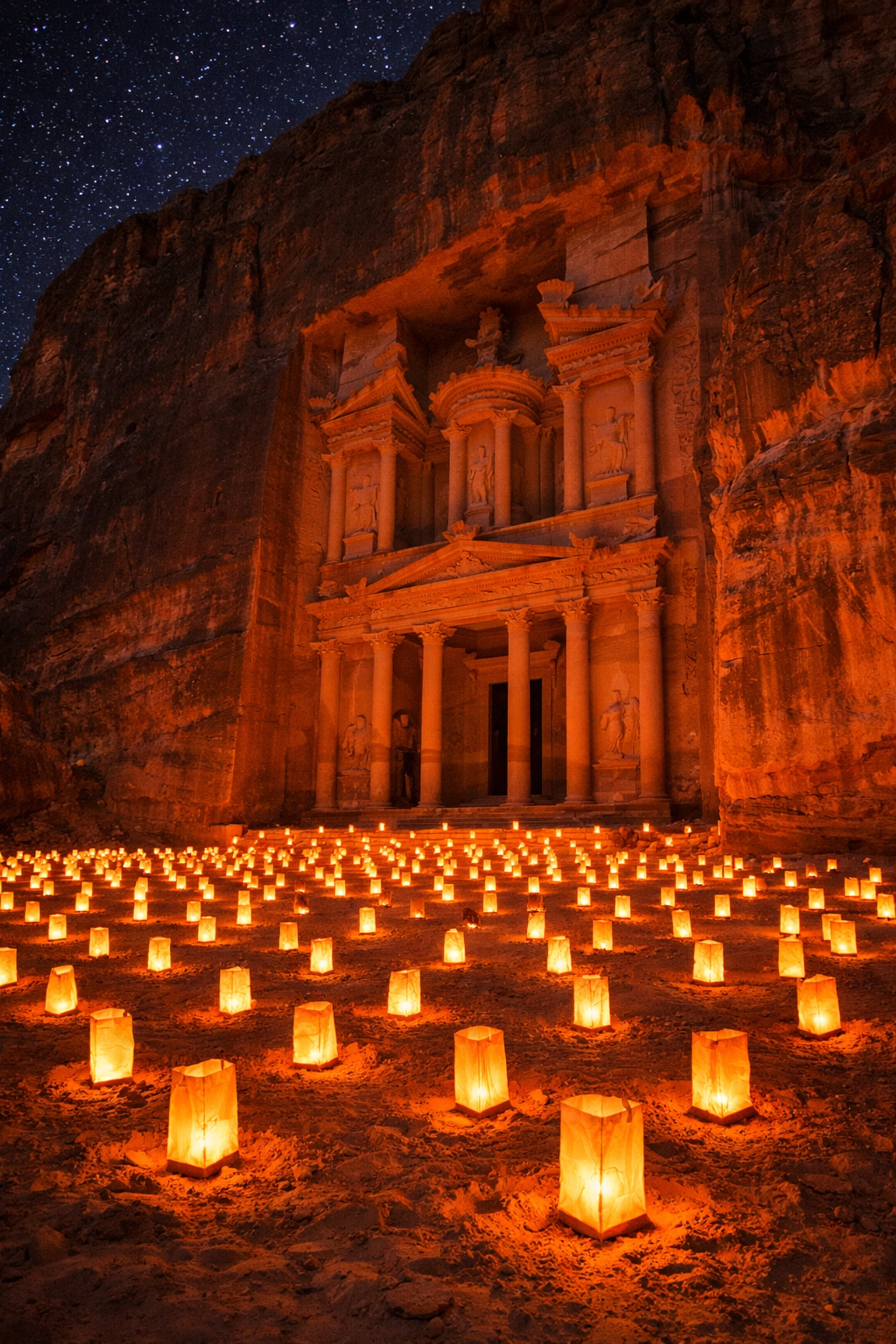
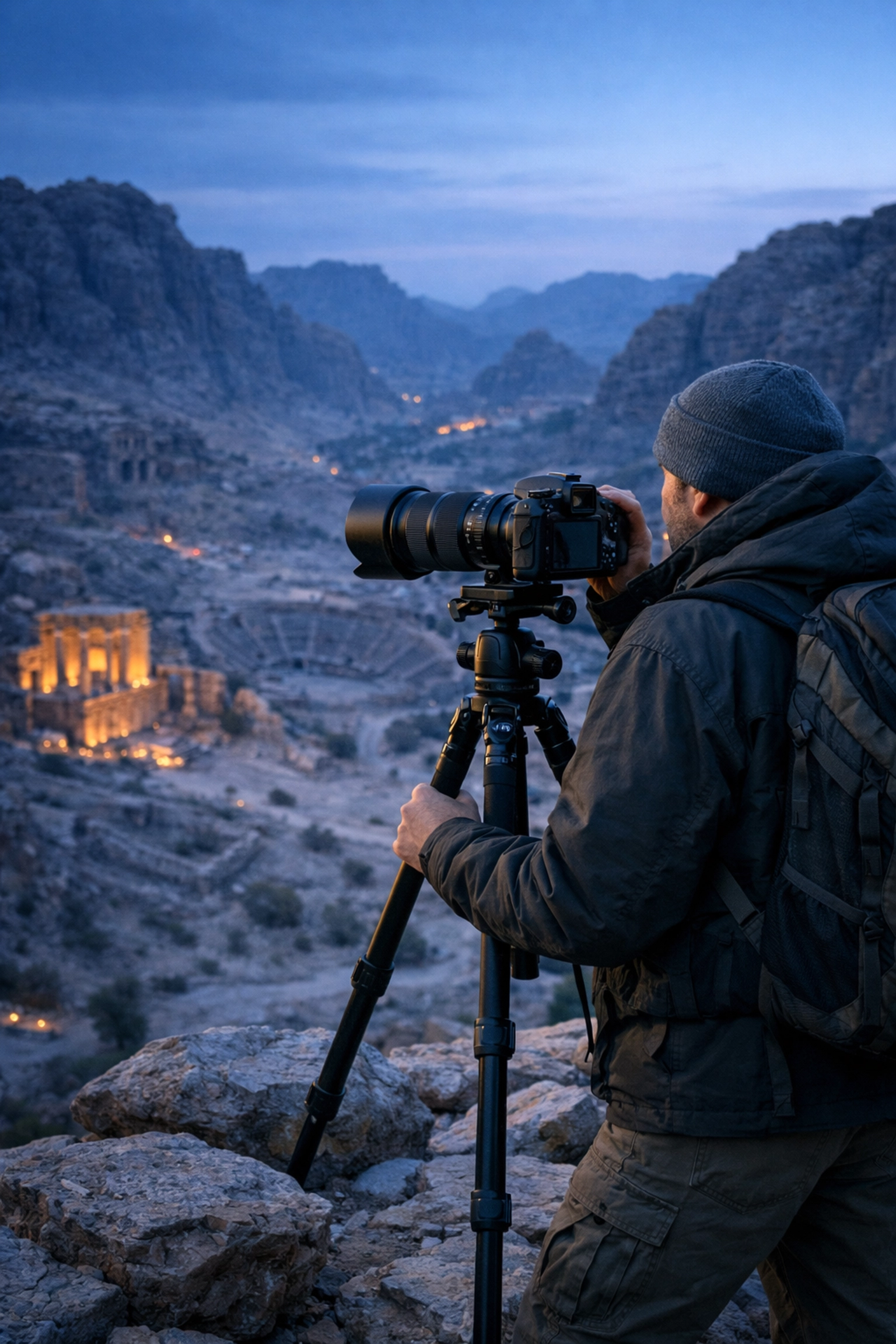
Petra at Night is a specialized experience where the area in front of the Treasury is lit by thousands of candles. It’s a dream for long-exposure enthusiasts. Just make sure you bring a sturdy tripod and a remote shutter release. If you’re looking to upgrade your kit before a trip like this, take a look at our camera reviews 2024 to ensure you have a sensor that can handle high ISO with minimal noise.
Head-to-Head: Which Is Better for Your Portfolio?
To help you decide, let's break it down by the "Vibe Check."
1. Color Palette
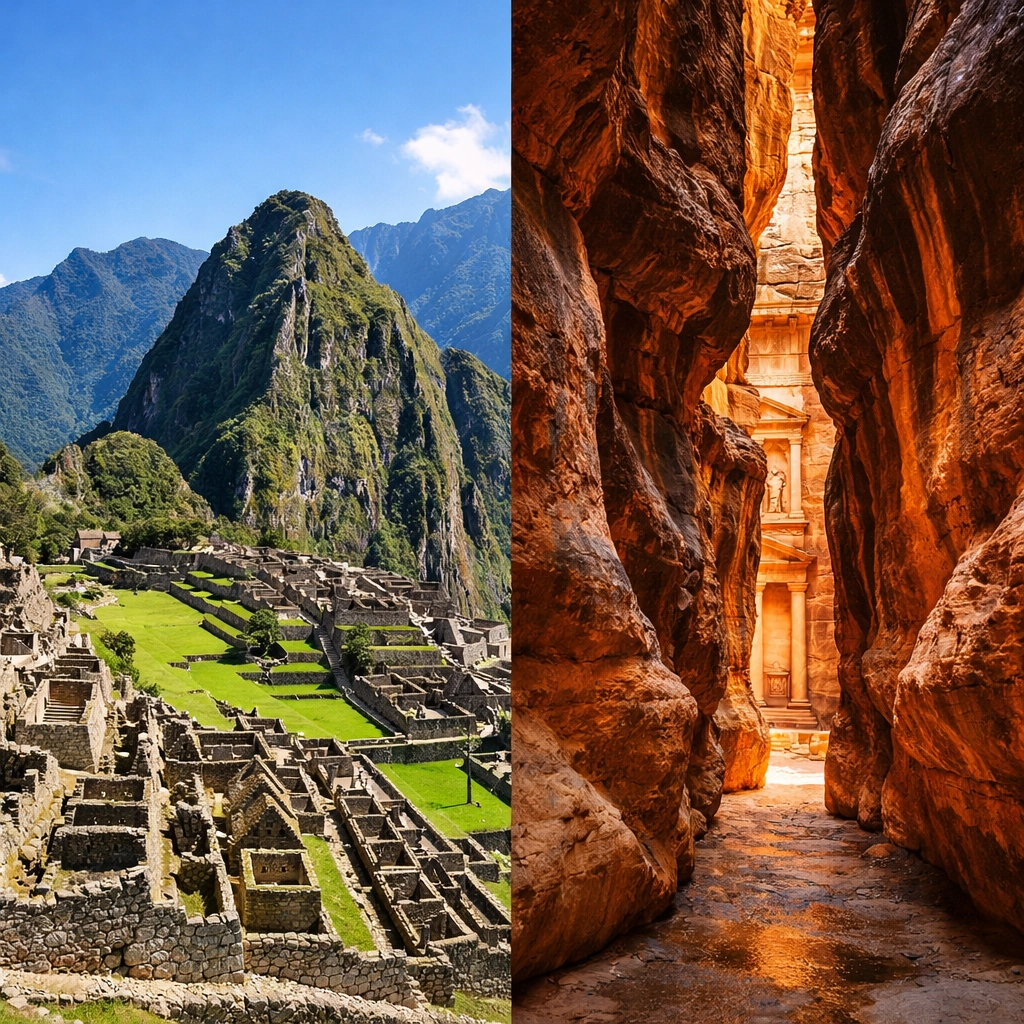
- Machu Picchu: Verdant greens, cool greys, and misty whites. It’s perfect for a "moody" or "adventurous" aesthetic.
- Petra: Warm oranges, deep reds, and desert gold. It’s ideal for high-contrast, "architectural," or "cinematic" portfolios.
2. Accessibility and Effort
Machu Picchu requires a bit of logistical gymnastics: trains from Cusco, buses up the mountain, and strictly timed entries. Petra requires a lot of walking. You will likely clock 10-15 miles in a single day on sandy terrain. To make your life easier, it’s always a good idea to book a guided experience to navigate the crowds; you can find some great options through this Viator link.
3. Crowd Control
Both sites are popular, but Petra is physically larger, meaning it’s easier to find a quiet corner for a tripod-based shot. Machu Picchu has a very one-way flow of traffic, so if you miss a shot, you often can’t turn around and go back. You have to nail it the first time.
Essential Travel Photography Tips for Both Locations
Regardless of which ancient wonder you choose, there are a few rules of the road that apply to both:
- Golden Hour is King: In Machu Picchu, it’s about the 6:00 AM mist. In Petra, it’s about the 4:00 PM glow. Plan your entry times accordingly.
- Gear Matters: You’ll want a versatile zoom (like a 24-70mm) to handle everything from wide landscapes to tight architectural details. Don't forget to pack light; your back will thank you after six hours of hiking. Check out our guide on essential photography gear for our top recommendations.
- Respect the Ruins: These are sacred sites. Don't climb on things you shouldn't just for the "gram." The best shots are the ones that respect the history of the location.
- Booking the Experience: Sometimes the best shots come from having a local guide who knows exactly where the hidden overlooks are. It takes the stress out of the day so you can focus on your framing. You can look into a professional photography booking experience to ensure you get the most out of your trip.
The Final Verdict
So, Machu Picchu or Petra?
If your portfolio needs lush landscapes, dramatic mountain peaks, and a sense of "top of the world" exploration, go to Machu Picchu. It is reassuringly beautiful and almost impossible to take a bad photo of.
If your portfolio needs intricate textures, ancient architecture, and the raw beauty of the desert, go to Petra. The way the light plays off the carved stone is a masterclass in highlights and shadows.
Whichever you choose, remember that the best photo isn't just the one that gets the most likes: it's the one that tells the story of your journey. Both of these locations offer a once-in-a-lifetime opportunity to capture human history in its most majestic form.
Before you head out, make sure your skills are sharp. Dive into our educational category for more tips on composition and lighting. Now, stop scrolling, start packing, and go get that shot!













