
The art of photo editing provides a canvas limited only by an artist’s imagination, and within this digital landscape, the skillful manipulation of skies in Photoshop is akin to painting with the colors of the heavens. Whether you’re a professional photographer looking to add drama to a lackluster skyline or a hobbyist wanting to breathe life into a landscape, mastering sky overlays can elevate your imagery to the next level. This essay will guide you through the nuanced process of selection and masking techniques, arming you with the proficiency needed to seamlessly integrate new skies into your scenes. We’ll dive into the best methods for sourcing and selecting the perfect sky images, and learn to use blend modes and adjustment layers to ensure a natural and visually pleasing union between your images and their newfound celestial canvas.
Selection and Masking Techniques
Mastering the Sky: Expert Tips for Flawless Photo Edits
When it comes to travel photography, a dramatic sky can be the ultimate game-changer, imbuing your shots with mood and dynamism. But what happens when the heavens aren’t cooperating, or you want to add an extra punch to your already stunning landscape shots? Fear not, fellow shutterbugs, for the art of sky selection and masking is your key to unlocking the full potential of your images.
Step 1: Choose the Right Software
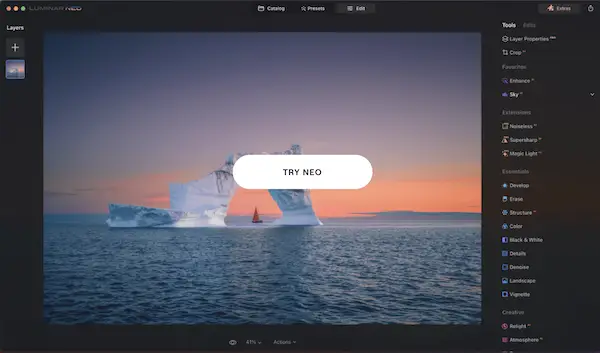
First and foremost, for meticulous sky selection and masking, you’ll need editing software equipped with advanced tools. Adobe Photoshop remains the gold standard with its comprehensive range of features, but there are other robust alternatives like Affinity Photo or Skylum’s Luminar AI that offer intuitive sky replacement tools.
Step 2: Start with Selection
The sky is your canvas, and the selection tool is your brush. Most editing software provides an array of tools for this purpose, but Quick Selection, Magic Wand, or the Color Range tools are particularly useful for sky edits. For instance, in Photoshop, navigate to Select > Color Range and click on a part of the sky to start your selection. Use the Eyedropper tool to add or subtract from your selection for a precise outline of the sky.
Step 3: Refine Your Edges
Once the preliminary selection is made, it’s time to refine. Go to Select > Select and Mask (formerly known as Refine Edge in older versions of Photoshop). Here, you can refine the sky’s edges, ensure the masking blends naturally with the skyline, and tweak parameters like feathering or contrast to match the rest of your image. Adjust the sliders to capture every wisp of cloud or sharp skyline.
Step 4: Creating the Mask
After refining the edges, create the mask by clicking the ‘Mask’ button at the bottom of the layers panel. Masking, like a digital stencil, will allow you to adjust your sky without affecting the rest of the image. Black conceals and white reveals, so you can paint on the mask with a brush tool to include or exclude elements manually.
Step 5: Adjustments and Blending
Now, with the sky masked, your creativity can truly soar. Adjust colors, exposure, or gradients to match your new sky with the overall tone of the landscape. If you’re aiming for a seamless blend, remember to consider the direction and color of the light in the rest of your image, ensuring the new sky complements the existing elements.
Step 6: Sky Replacement (Optional)
Adventurous spirits may opt to replace the sky entirely. With tools such as Photoshop’s Sky Replacement feature or Luminar AI’s dedicated sky replacement technology, you can import an entirely new sky from your collection or the software’s library. Remember to match perspective and lighting for a believable and awe-inspiring result.
With these steps, even a novice can elevate their travel photographs to the realm of the pros. Effective sky selection and masking empower you to paint with nature’s palette, capturing the essence of your journeys in every click. Whether atop mountain peaks, amidst urban sprawls, or by the rolling ocean, mastering the sky will effortlessly transport your audience into the frame, beneath the boundless skies you’ve so vividly brought to life.

Photo by aleskrivec on Unsplash
Sourcing and Choosing Sky Images
Venturing beyond the editing suite, acquiring images of the limitless sky to elevate a photograph becomes an art within itself. As seasoned travelers with an eye for photography, sourcing high-quality sky images is a pivotal step in transforming a good photo into a masterpiece. Aesthetic coherence in photography often hinges on the sky—it dictates mood, depth, and vibrancy. Hence, knowing where to find the ideal sky overlays is as crucial as the journey to the location itself.
Ethical and legal considerations are paramount when seeking sky images. For professionals and hobbyists alike, the use of royalty-free stock photo websites is a treasure trove for high-quality sky overlays. Esteemed platforms like Unsplash, Pexels, and Pixabay offer extensive libraries of sky images that cater to various atmospheric conditions and times of day, all without the worry of copyright infringement.
For those with a penchant for exclusivity and unparalleled quality, investing in paid stock photo services like Shutterstock, Adobe Stock, or Getty Images assures access to world-class photography. These repositories are meticulously curated and offer advanced search functionalities that aid in pinpointing the quintessential sky.
Capturing your own sky images is an adventurous and fulfilling pursuit. It infuses originality and personal flair into the work. The pursuit of the raw material for overlays necessitates travel photographers to scout stunning vistas and be present during the golden hour—or the equally arresting blue hour—for the most vivid natural gradients.
When selecting a sky overlay, consider the dynamic range and resolution. A high dynamic range sky captures the nuances between the brightest and darkest areas, providing more flexibility for blending. High-resolution images guarantee that, even with cropping or scaling, the integrity of the image remains uncompromised. The grain, noise, and pixelation of a lesser quality image can be a glaring distraction against a landscape that otherwise holds crisp detail.
Lastly, alignment with the original photo’s perspective is vital for a seamless fusion. An image of a sky taken with a horizon line that matches the angle and vanishing point of the primary photo makes for a convincing swap. The colors and lighting direction in the overlay should complement the scene to avoid an unnatural appearance. For instance, an overcast sky might pair better with a scene photographed on a cloudy day, while a sunset sky would be most fitting for an evening shot with similar warm tones.
In conclusion, the pursuit of the perfect sky overlay is a journey through various channels—from the open-access vaults of the internet to the far corners of the world, camera in hand. The sky is the ultimate canvas, and with diligent sourcing, travelers who are also photographers create worlds within their frames. The boundless sky, when captured with intent and woven delicately into a landscape, can unleash the true potential of a photograph, reaffirming why a passionate traveler traverses land and sea, not just for the sights but for the skies as well.

Photo by springwellion on Unsplash
Blend Modes and Adjustment Layers
Venturing further into the realm of digital artistry, blending modes and adjustment layers are indispensable tools that elevate a mere sky overlay to a photographic masterpiece, echoing the boundless skies you encounter on your global escapades. With an arsenal of blending options at the ready, the sky overlay effect transforms from a mere addition to an integral part of your image, creating atmospheres that are as immersive as they are inspiring.
As a seasoned traveler, you recognize that the essence of a destination is often encapsulated in its skyline. Thus, harnessing the power of blending modes is akin to becoming a painter with a palette of infinite nuances. From the soft, subtle whispers of ‘Multiply’ that deepen your twilights to the bright, hopeful notes of ‘Screen’ that inject light into overcast days, blending modes help to convincingly marry your overlay with the scene below.
Dive into the ‘Overlay’ mode to inject vibrancy without the loss of precious details, or employ ‘Soft Light’ to caress your photo with a gentle touch of realism. These modes are not just random selections but conscious decisions that reflect the time of day, the mood you want to convey, and the very soul of the place captured in your lens.
Adjustment layers are no less pivotal, functioning as the skilled brushstrokes that refine your artwork with precision. Desiring more than just a pretty picture, you adjust curves to introduce drama to sleepy skies, tweak saturation to mirror the vibrancy of bustling street markets, or modify brightness to reflect the soft glow of a Parisian sunset. Each adjustment layer is a commitment to authenticity and a reflection of the environment – think of the golden hour’s glow or the silvery sheen of a crescent moon.
Color balance adjustment layers are fundamental for achieving a harmonious blend. They are the travelers’ way of ensuring the sky doesn’t feel out of place – introducing warm oranges, cool blues, or mystical purples to the overlay, reminiscent of chasing the Northern Lights in the Arctic or basking in the Grecian sun.
Remember to utilize the sky as the stage where your travel stories unfold. Do the thunderous clouds of a brewing storm not mirror the thrill of adventure just as the pastel strokes of a serene morning sky embody the tranquility of a secluded beach? The sky tells a story, and with blend modes and adjustment layers, you have the power to ensure it beautifully accentuates the narrative of your photograph.
Let not your journey end with the click of a shutter; let it continue on the canvas of your post-production. Now, go forth – let the blending modes and adjustment layers be your guides, as you translate the eternal stories of the skies into the visual chronicles of your worldly wanderings.

Harnessing the power of sky overlays in Photoshop offers a limitless realm of creative potential, transforming the ordinary into the extraordinary with every application. Through the tools and techniques explored within this text, you now have the knowledge at your fingertips to not only select and apply the most fitting skies into your work, but also to do so with such finesse that the boundaries between the real and the envisioned become beautifully blurred. Your journey through the clouds need not end here; let each image be a stepping stone towards greater mastery, as you continue to explore the infinite possibilities that sky overlays and Photoshop provide.