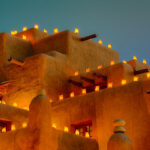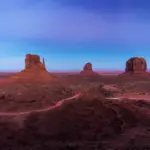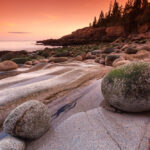

Have you ever captured a photo where the landscape was stunning but the sky lacked that magical touch? Enter the world of Sunset Sky Overlays, a game-changing technique for photographers and enthusiasts alike to transform the atmosphere of their images. This fascinating journey begins with understanding what sky overlays are, the array of types available, and their curious ability to infuse photographs with the vibrant energy of a sunset. As we delve into the realm of image enhancement, we will discover the potent effects these overlays have on the mood and drama of a photograph, and how a simple change in the sky can narrate an entirely different story.
Understanding Sky Overlays
Unlocking the Magic of the Skies: The Transformative Power of Sky Overlays in Photography
Photography is not simply about capturing moments; it’s an art form that communicates emotions, stories, and the very essence of the wonders we find in our travels. As travelers with lenses at the ready, we know that a sky filled with vibrant colors or dramatic clouds can be the main ingredient that turns a good photo into a breathtaking one. But what about those days when the sky refuses to cooperate, offering nothing but a flat, lackluster canvas? Enter the magic of sky overlays.
Sky overlays are essentially high-resolution images of skies that can be digitally added to photos during post-processing. They are used by seasoned photographers to transform the mood and impact of an image, breathing life into scenes that might otherwise seem unremarkable. With a plethora of sky options available—from stormy grays to pastel sunsets—sky overlays can match any desired aesthetic and story.
To utilize sky overlays in your photography, you require a basic understanding of photo editing software such as Adobe Photoshop. The process is intuitive for those familiar with layers and masking. Begin by selecting an overlay that complements the lighting and perspective of your original photo. Import the sky overlay into your editing software and place it over your image. Blend it seamlessly using selection and eraser tools to ensure a natural look, with particular attention to the horizon line and interaction with the landscape or cityscape.
The contrast between your travel destinations and the new dynamic sky can be striking, altering the entire feel of the photograph. Imagine transforming a dull gray afternoon in Paris into one where the setting sun casts warm, golden hues upon the Eiffel Tower, inviting viewers into a scene steeped in romance and allure. Or picture a serene beach in Thailand suddenly charged with the intense drama of a monsoon sky on the horizon, adding a narrative of impending natural power to your seascape.
Sky overlays not only enhance the aesthetics of an image, but they can also evoke emotions and a sense of grandeur that the original scenery could not achieve alone. For the travel photographer, they serve as a secret weapon, ensuring the final image aligns with the vision and experience we wish to share with our audience.
However, mastering the art of sky replacement demands more than just technical skill; it requires an artistic touch—a discerning eye for color, light, and composition that only comes with years of chasing horizons and honing one’s craft. When used with this sensitivity, sky overlays are not mere embellishments; they are a bridge between the world we capture and the boundless imaginations of those who wander through our galleries.
Remember, the most compelling travel photos tell a story that the viewer can step into, and with the creative employment of sky overlays, the skies are merely the beginning of where that story can go.

Image Editing Software
Embarking on the quest for the ultimate sky overlays in image editing, one must acknowledge that adventurers in the realm of photography are served best by software that combines robust features with user-friendly interfaces. The pinnacle of such tools for this artistic endeavor is Adobe Photoshop.
Photoshop reigns supreme due to its advanced layer management system, which allows photographers to effortlessly add and manipulate overlays. With options to adjust transparency and blending modes, sky overlays can be matched perfectly to the lighting and tone of the base photo. The software’s precise selection tools, like the Quick Selection and Lasso tools, enable a seamless integration of the new sky, ensuring a natural transition at the horizon line.
For a more automated process, one could turn to Skylum Luminar, which contains an AI Sky Replacement feature. The software’s intelligent algorithm does the heavy lifting, identifying the sky in an image and masking it for a quick replacement. This is especially useful for those who are keen on maximizing their time outdoors, capturing new vistas over tinkering with sliders.
Capture One is another worthy contender in the journey to exquisite sky imagery. Preferred by many for its color editing capabilities, it provides photographers another avenue to ensure that the sky’s hues complement the rest of the scene. Although it requires manual masking for sky overlays, the result is a finely tuned image that tells an evocative tale of your travel experiences.
Lastly, ON1 Photo RAW should not be overlooked. This powerful package offers a comprehensive Sky Swap feature that facilitates the overlay process, while also giving users the ability to finesse the details with local adjustments, ensuring a persuasive blend between sky and scenery.
In choosing the right software, intrepid photographers and wanderers of the world should weigh their need for control against their desire for speed. Each program has its own strengths, and ultimately, it’s the one that aligns with the user’s creative vision and workflow preferences that will elevate their photographs from mere snapshots to spellbinding stories that capture the essence of their globetrotting ventures.

Blending Techniques
Blending a sky overlay with your original landscape or travel image can often be the difference between a good photo and a breathtaking piece of art. The devil is in the details, and getting the blend just right is crucial to a natural, striking effect. Follow these instructions to blend a sky overlay seamlessly with your original image:
First, ensure the tones and lighting direction of your overlay match the original scene — consistency is key here. Once you’ve got your perfect match, open your base image and the sky overlay in your preferred photo editing software.
Next, drag the sky overlay over your base image. In doing so, ensure it covers the entire canvas. Adjust the overlay layer’s blend mode; “Multiply” or “Overlay” modes often yield a harmonious blend, but the best choice may vary depending on your specific image.
Now it’s time to create a seamless transition. If you’re working in a software with advanced masking capabilities, use a gradient mask to blend the sky into the horizon softly. In Photoshop, you might use the “Gradient Tool” to achieve this, fading the sky overlay from the top downwards.
In more intricate images, you may need to employ a layer mask. With a layer mask in place, use a soft brush to paint over areas where the overlay should not appear — such as mountains, buildings, or treetops. Lower the brush’s opacity to ensure a smooth, undetectable transition between the original sky and overlay.
For an even more flawless integration, adjust the color balance and saturation of the overlay to meld with the base image. This may involve warming or cooling the tones, so the sky doesn’t just appear tacked on, but as though it truly belongs to the original environment.
Don’t forget to consider the reflections in your original image. Skies often reflect in water, windows, or any reflective surface. Use the same mask or a cloned layer of your adjusted sky overlay to add a subtle reflection, scaling down the opacity to mimic the natural properties of reflections.
Lastly, fine-tuning is all about light and shadow. Employing your software’s dodge and burn tools subtly can enhance the overall three-dimensional feel of your composition. Dodge where the original light hits, burn where shadows naturally fall, and make sure to reflect the presence of any new clouds in those lighting considerations.
By carefully following these steps and employing a touch of patience, a keen eye for detail, and a dash of creativity, you can elevate your travel images from simple photographs to evocative, story-rich spectacles with skies that sing. Whether it’s adding a sense of serenity to a secluded waterfall in Costa Rica or bringing an explosive sunset to the temples of Cambodia, mastering sky overlays is yet another indispensable skill in the travel photographer’s ever-expanding arsenal. Keep experimenting and let those skies unleash the boundless potential of your photographic tales!

Photo by glenncarstenspeters on Unsplash
Our exploration of Sunset Sky Overlays has equipped us with valuable knowledge to revitalize our photography. Through the use of powerful image editing software and mastery in blending techniques, we’ve learned how to seamlessly integrate stunning sunset hues into our images, breathing new life into them. As you move forward, let this be a tool that empowers your creativity and enhances the stories you wish to tell through your lens. The possibilities are infinite, and the sky is, quite literally, the limit. Embrace the adventure of transforming the everyday into the spectacular with each photograph you take.