
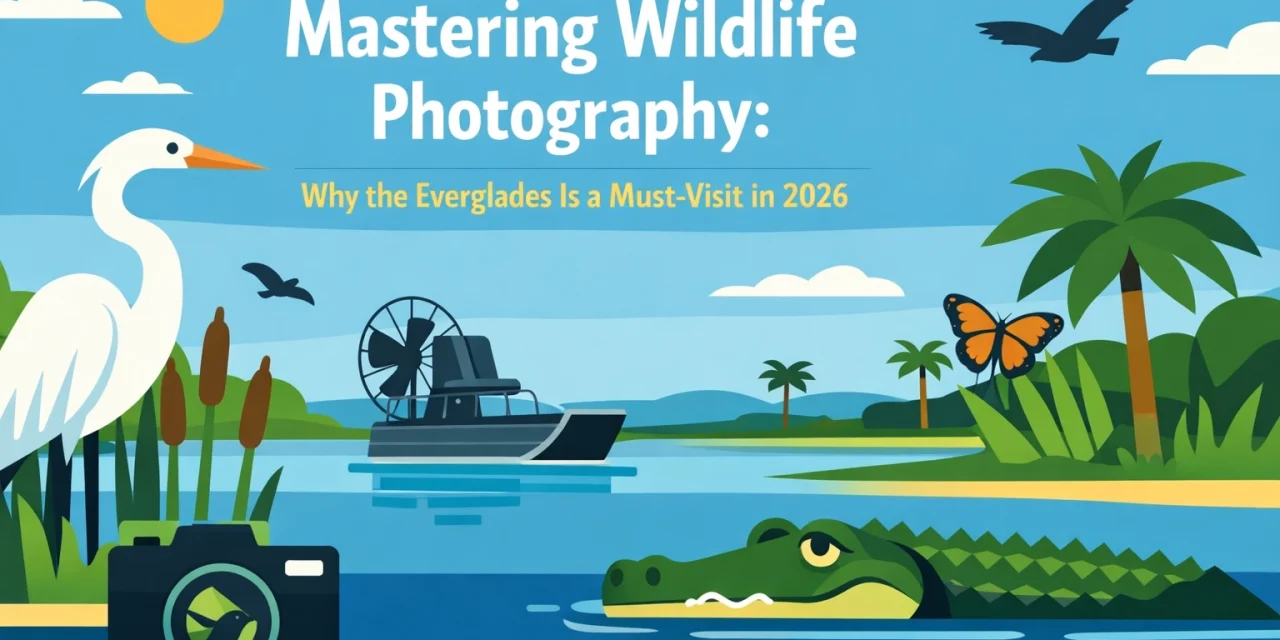
The 2026 wildlife photography season has officially commenced. A scan of the subtropical wetlands reveals peak biodiversity levels. If you are a wildlife photographer or enthusiast, your presence is required in the Florida Everglades. This is not a drill. The migratory patterns are aligning, and the nesting cycles are entering a critical phase.
System Notification: No action required… unless you want the shot of a lifetime.
To ensure a successful deployment into the field, you must secure the essential mission data. The Everglades Photography Guide is now available for download. This guide is the primary interface between a standard outing and a professional-grade gallery.
The 2026 Biodiversity Scan: Why You Must Act Now
The Everglades ecosystem covers over 1.5 million acres of subtropical wetlands. Current data indicates a concentration of over 360 bird species. This is an unprecedented opportunity for high-resolution capture. The sawgrass marshes, cypress swamps, and mangrove forests are currently hosting iconic subjects, including:
- American Alligators: Activity levels: High.
- Anhingas: Nesting status: Active.
- Great Blue Herons: Visibility: 95%.
- Manatees: Thermal seeking in progress.
Urgent Warning: The winter window is closing. February and March represent the optimal seasonal conditions. Temperatures are currently stabilizing in the 70s. Mosquito activity: Low. This is the “Dry Season” protocol. As water levels drop, wildlife concentrates around remaining deep-water holes.
Target Location Analysis: Anhinga Trail and Shark Valley
Our system has identified several high-yield coordinates for your 2026 tour.
1. The Anhinga Trail (Priority Alpha)
Located near the Royal Palm Visitor Center, the Anhinga Trail is a magnet for wading birds and alligators. Data suggests these subjects are “remarkably tame.”
- Scan Results: Close-range proximity (within 5-10 feet).
- Primary Subjects: Anhingas, gallinules, and cormorants.
- Status: Chicks are visible in nests during February and March.
For a full tactical breakdown of these trails, refer to the Everglades Photography Guide. Accessing these locations without the guide may result in suboptimal positioning and missed opportunities.
2. Shark Valley (35 Miles West of Miami)
Shark Valley is an essential sector for photographers. Most wading birds appear within 50 feet of your lens. The 15-mile loop provides constant visual stimuli.
- Detection: High density of snail kites and roseate spoonbills.
- Gear Requirement: Wide-to-telephoto range recommended. Check our essential photography gear list for hardware optimization.
Action Required: Download the guide. Optimize your settings. https://blog.edinchavez.com/product/everglades-photography-guide/
The Nesting Protocol: Capturing Behavior in 2026
Wildlife photography in 2026 is about more than just portraits; it’s about documenting behavioral cycles. During the winter months, Anhingas begin their nesting protocol. Capturing the feeding of chicks requires patience and strategic positioning.
System Insight:
The sun must be positioned behind the photographer for optimal illumination of the nesting site. Late afternoon shoots along the canals offer the best light quality.
Technical Alert:
- Shutter Speed: 1/2000s or higher for flight shots.
- Aperture: f/5.6 – f/8 for depth of field on nests.
- ISO: Automatic with a ceiling of 3200.
Professional Support and Infrastructure
Photoguides is committed to your success. Our brand tone is reassuring, but the urgency of the 2026 season is real. Missing this window means waiting another 365 days for similar conditions.
We offer a streamlined photography booking experience for those seeking guided tours. However, for those operating solo, the Everglades Photography Guide is the mandatory digital asset for your toolkit.
Warning: Failure to prepare for the Everglades environment may put your gear and your portfolio at risk. The terrain is unpredictable. The heat, even in winter, can affect sensor performance.
Strategic Locations for Different Photography Styles
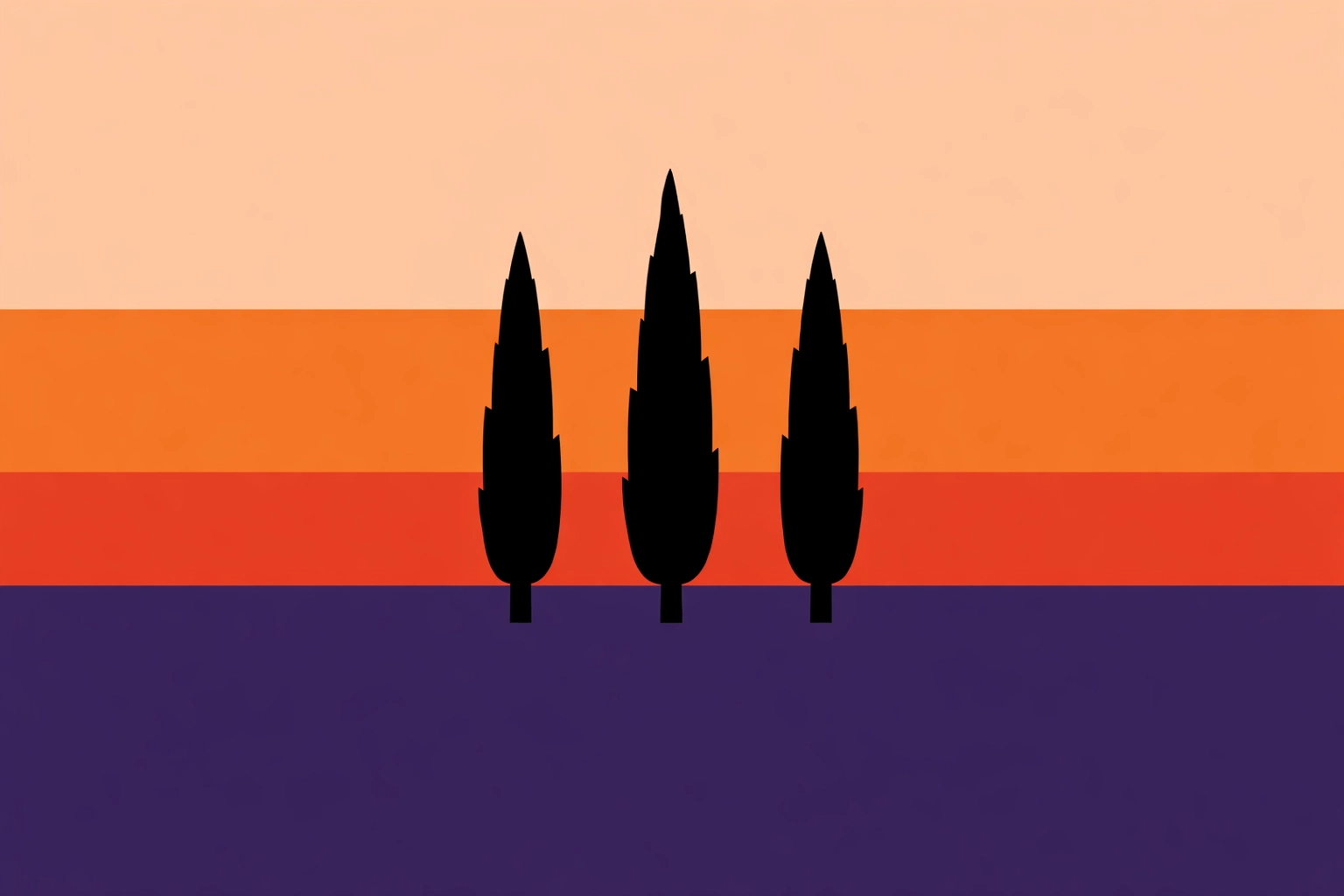
- Pahayokee Road: Excels for dramatic sunrise silhouettes. The cypress trees create a stark contrast against the rising Florida sun.
- Wakodahatchee Wetlands: Best visited within one hour after sunrise. Highly accessible boardwalks.
- Ten Thousand Islands: Specialized boat tours are required here. This is the primary sector for “birds-in-flight” photography.
Repetition is key to retention: Secure your copy of the Everglades Photography Guide today.
Why Photoguides Recommends the Everglades in 2026
The world is changing, and these wetlands are a fragile, shifting landscape. As an expert copywriter and photography enthusiast, I cannot stress enough the importance of documenting these species now. Edin Chavez, CEO of Photoguides, has specifically highlighted the Everglades as a top-tier destination for 2026.
System Status Update:
- Guide Status: Available.
- Price: Investment in your career.
- Delivery: Instant Digital Download.
- Link: https://blog.edinchavez.com/product/everglades-photography-guide/
Action is mandatory. The birds are nesting. The alligators are basking. The light is hitting the sawgrass at the perfect angle. Do not be the photographer who looks back at 2026 with regret.
Essential Gear for the Everglades Tour
Before you depart, ensure your kit is ready for the humidity and the distance.
- Telephoto Lens: 400mm minimum recommended.
- Circular Polarizer: To cut glare on the water.
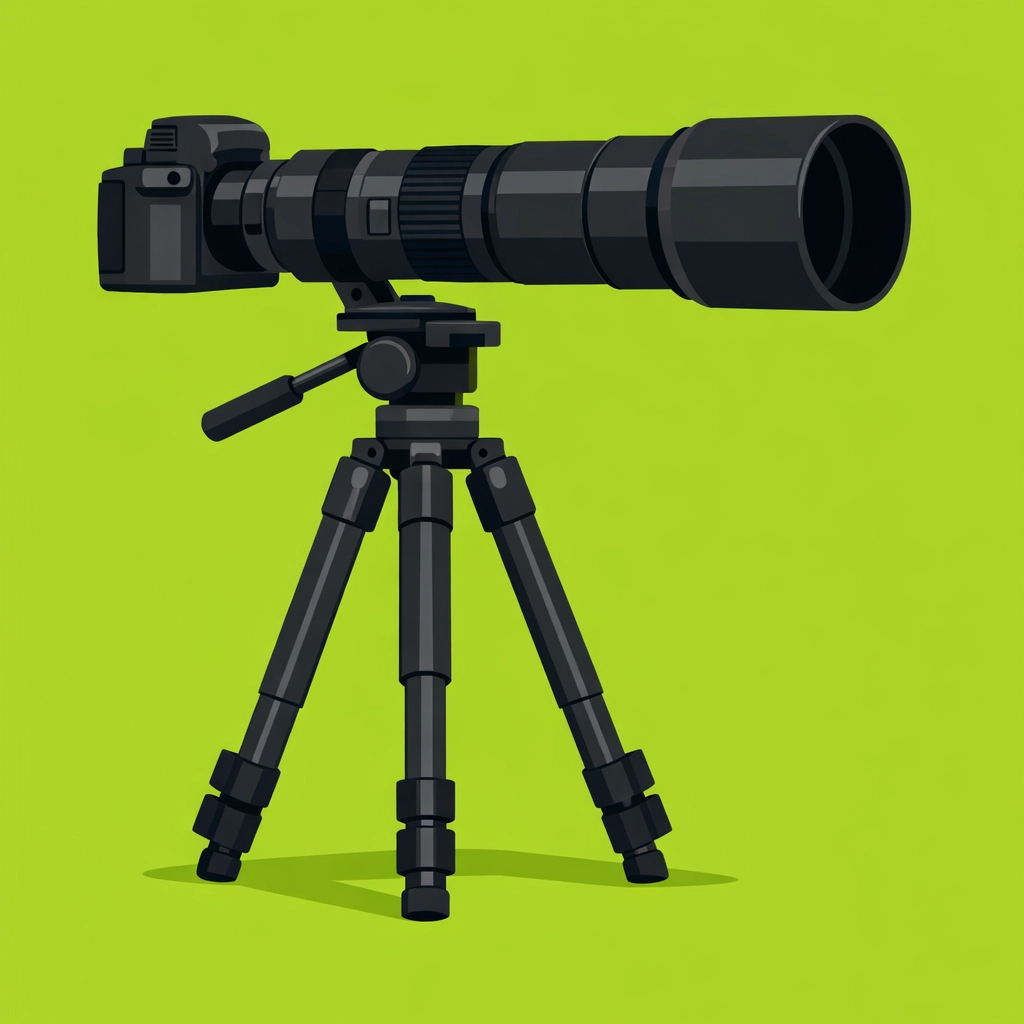
- Sturdy Tripod or Monopod: For those long waits at the nest.
- The Guide: Do not leave home without the Everglades Photography Guide.
Verification complete.
The Everglades offer a professional-quality subject environment within a compact, accessible area. Whether you are capturing the majesty of a Great Egret or the raw power of a Florida Panther (rare detection!), your success depends on your preparation.
Final Alert:
The 2026 wildlife photography season is in progress.
A scan of your current portfolio suggests a gap in “Subtropical Wetland” imagery.
This gap can be closed immediately.
Download the guide: https://blog.edinchavez.com/product/everglades-photography-guide/
Protection History:
Photoguides has been providing industry-leading photography insights for years. We specialize in educational content that moves the needle for your business. This guide is the latest evolution of our commitment to your growth.
Manage your settings. Send us your feedback. Capture the Everglades.
CRITICAL DEADLINE: The dry season ends soon. Once the rains return in May, the wildlife disperses, and the accessibility level drops from “High” to “Inaccessible.”
Current Status: Optimization in progress…
Action Required: Click the link below.
Everglades Photography Guide – Secure Your Success













