Category: Photo Guides
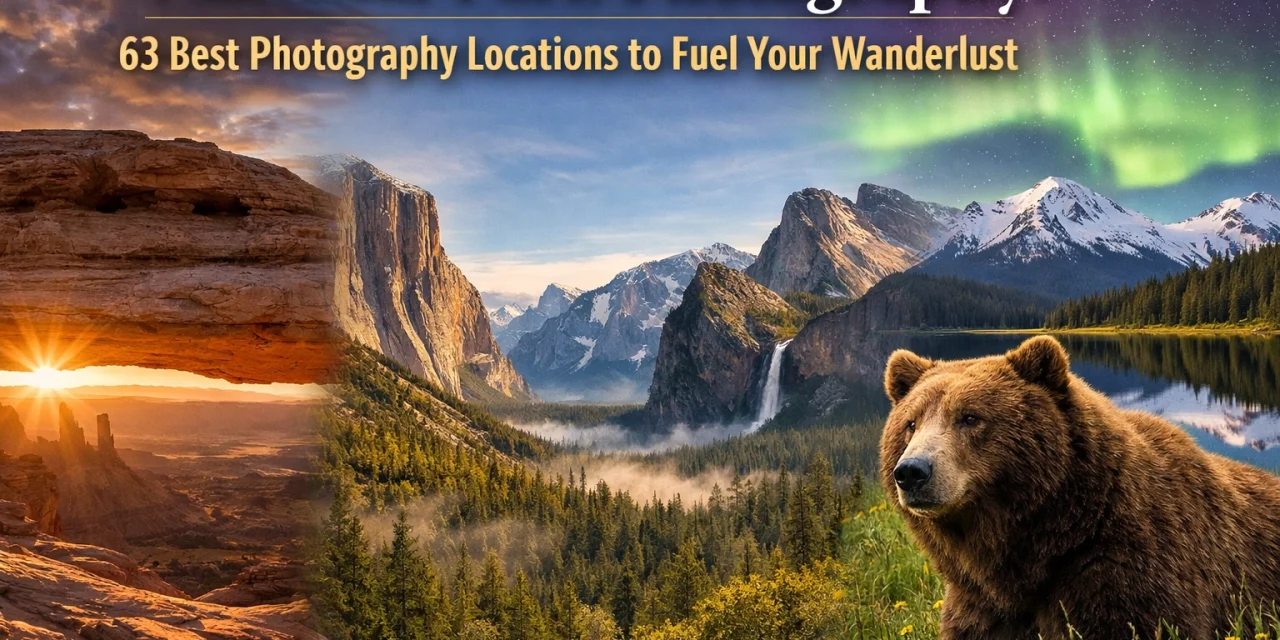
There is something deeply spiritual about standing on the edge of a canyon or beneath the canopy of an ancient forest as the first light of day breaks the horizon. For those of us who live behind the lens, the U.S. National Parks represent the ultimate pilgrimage. With 63 protected wonderlands scattered across the country, the diversity of landscapes is staggering: from the jagged, snow-capped peaks of the Tetons to the ethereal, alien-like hoodoos of Bryce Canyon.
I’ve spent a significant portion of my life chasing light in these places. Whether you are a seasoned pro or just starting your journey, these parks offer endless opportunities to refine your craft. In this guide, I’m breaking down the best photography locations across the National Park system to help you plan your next great American road trip.
Preparing Your Kit for the Great Outdoors
Before we dive into the locations, let’s talk shop. National Park photography often involves long hikes and unpredictable weather. You need gear that is both rugged and versatile. I always recommend a solid wide-angle lens for those sweeping vistas and a sturdy tripod for long exposures at sunset.
If you’re wondering exactly what should be in your bag, check out my guide on essential photography gear. Having the right tools won't just make your life easier; it will ensure you don't miss that "once-in-a-lifetime" shot because of a gear failure.
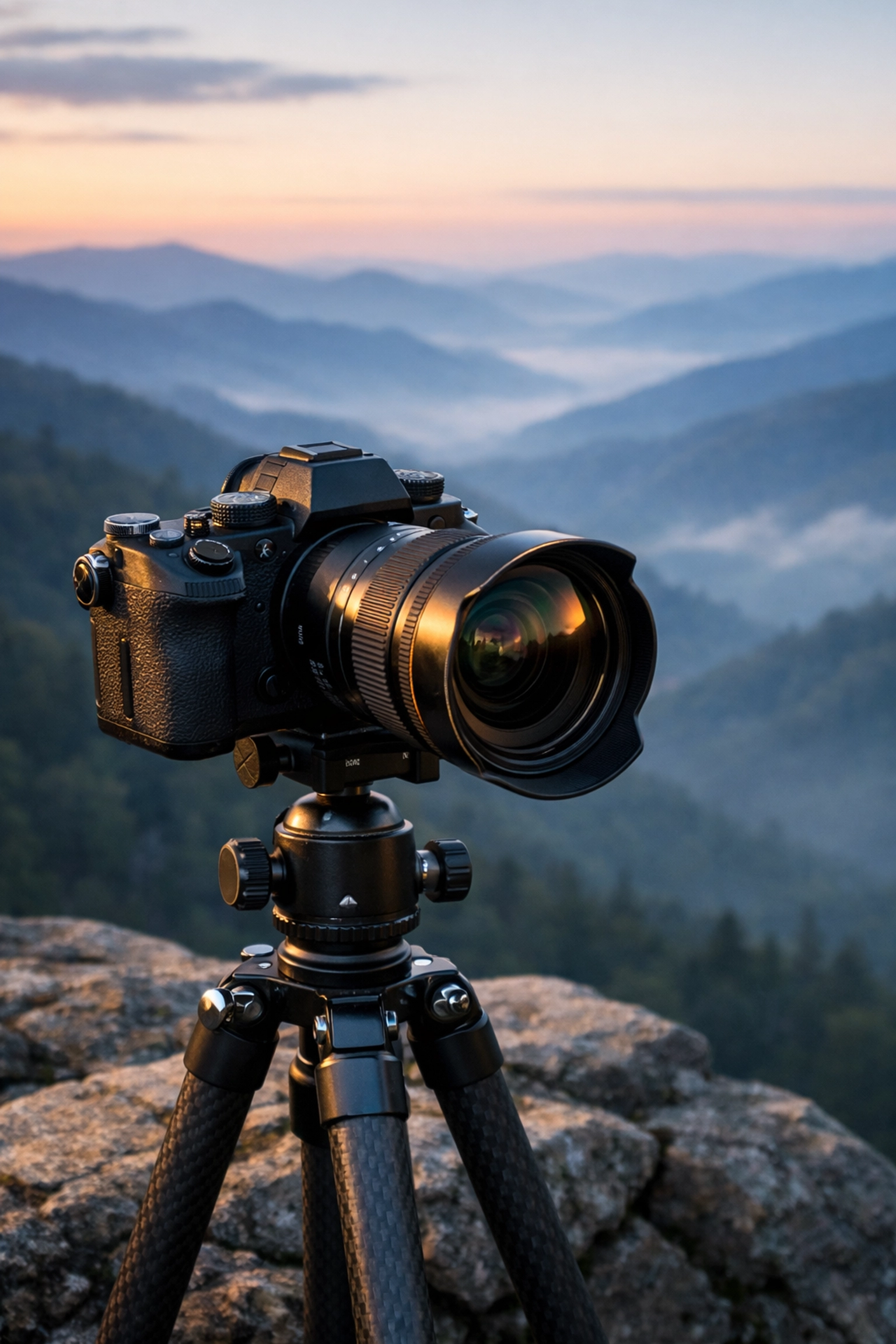
Alt Text: A professional camera setup on a tripod overlooking a misty mountain range during the golden hour, showcasing essential landscape photography gear.
The Heavy Hitters: Iconic Landscape Photography Locations
When people think of National Park photography, a few iconic images immediately come to mind. These are the "bucket list" spots that every photographer should visit at least once.
1. Yosemite National Park, California: Tunnel View
There is a reason why Ansel Adams spent so much time here. Tunnel View is perhaps the most famous vista in the world. From this single vantage point, you can capture El Capitan, Half Dome, and Bridalveil Fall in one frame. It is particularly magical in the spring when the waterfalls are at full force or in the winter when a fresh dusting of snow covers the valley floor.
2. Grand Canyon National Park, Arizona: Mather Point
The Grand Canyon is a masterclass in scale and light. According to recent photography data, it remains the most photographed park in the country. While almost any rim view is spectacular, Mather Point offers incredible depth. To get the best results, you need to be there for the best sunrise spots. As the sun rises, the shadows move through the canyon layers, revealing textures and colors that seem almost painted on.
3. Zion National Park, Utah: The Watchman
Located near the South Entrance, the bridge over the Virgin River offers a perfect composition of The Watchman reflecting in the water. This is a classic sunset shot. The red Navajo sandstone glows with an intensity that you have to see to believe. For more inspiration on how these shots look when printed for a gallery, take a look at my work at Edin Fine Art.
Chasing the Light: Best Sunrise Spots
If you want to capture something truly special, you have to be willing to wake up while it’s still dark. The "Golden Hour" is the secret sauce of landscape photography.
4. Acadia National Park, Maine: Cadillac Mountain
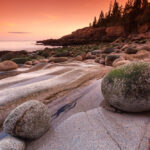
Being the first place in the U.S. to see the sunrise during certain parts of the year, Cadillac Mountain is a rite of passage. The pink and purple hues reflecting off the Atlantic Ocean provide a serene backdrop for the rugged granite coastline.
5. Bryce Canyon National Park, Utah: Inspiration Point
The hoodoos of Bryce Canyon are unique natural wonders. At Inspiration Point, the morning light hits the tops of the orange spires first, creating a high-contrast scene that is a dream for landscape photographers. The way the light filters through the "Silent City" is something I never get tired of shooting.
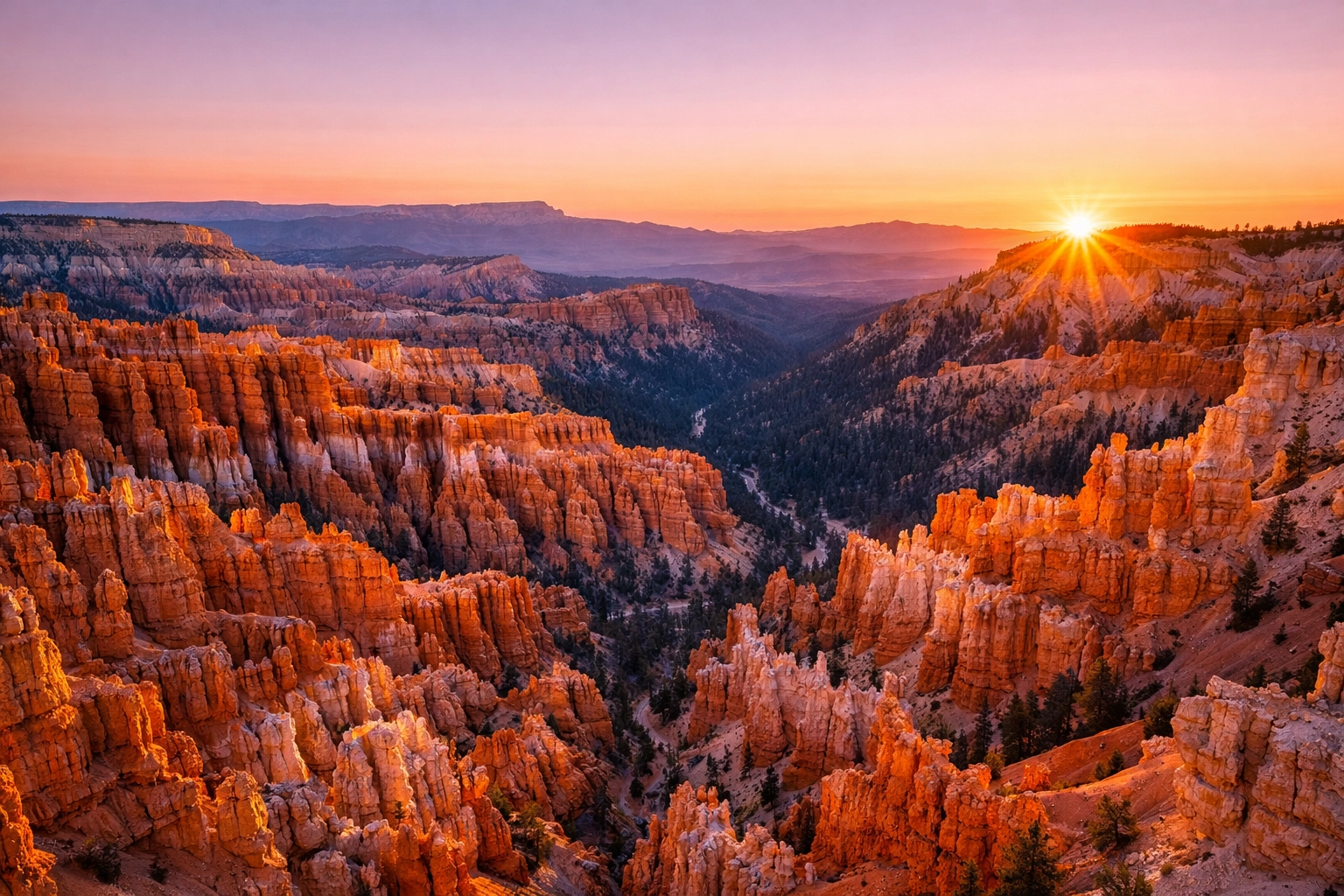
Alt Text: The sun rising over the orange hoodoos of Bryce Canyon National Park, highlighting the intricate rock formations and deep shadows.
6. Grand Teton National Park, Wyoming: Schwabacher Landing
For those seeking the perfect mountain reflection, Schwabacher Landing is the spot. The Snake River calms down here, creating a mirror-like surface that reflects the jagged peaks of the Tetons. It’s a quiet, meditative place to start your morning.
Hidden Gems and Unique Textures
While the "Big Three" get most of the glory, some of the 63 parks offer textures and colors that are completely different from the traditional mountain vista.
7. Petrified Forest National Park, Arizona: The Painted Desert
This park is often overlooked, but the Painted Desert overlooks offer shades of lavender, red, and orange that change constantly with the sun's position. It’s an incredible place to practice your composition and work with color theory in a raw, desert environment.
8. Mount Rainier National Park, Washington: Reflection Lakes
If you enjoy night photography, Reflection Lakes is a premier destination. On a clear night, the Milky Way aligns perfectly over the snow-capped peak of Mount Rainier, reflecting in the alpine water below. It’s a challenging shot but incredibly rewarding. For more tips on mastering night sky shots, you can browse through the community discussions at Shut Your Aperture.
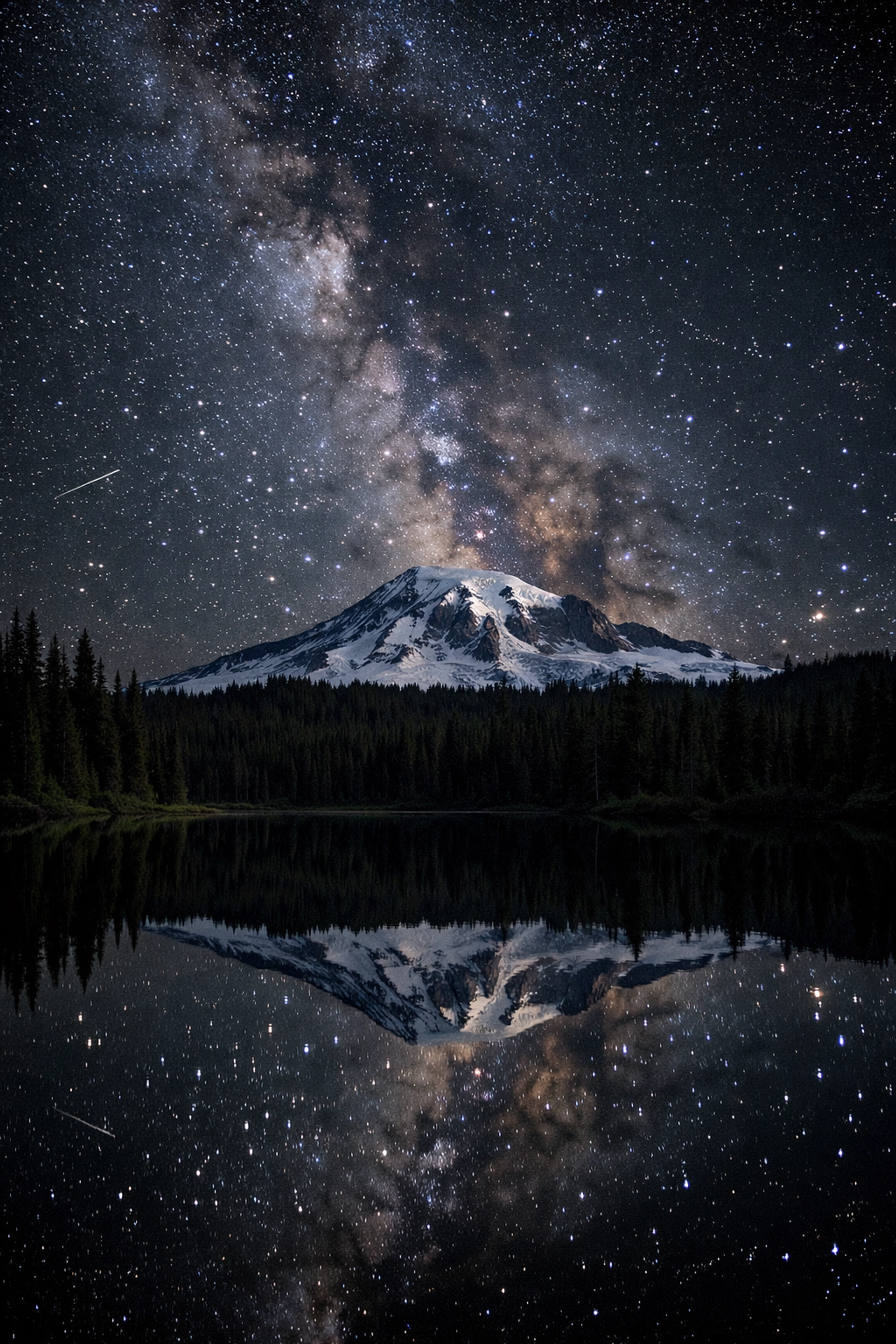
Alt Text: The Milky Way galaxy stretching over a snow-capped mountain peak reflected in a still alpine lake at night.
Tips for an Unforgettable Photography Trip
Traveling through the National Parks requires more than just a camera; it requires a bit of strategy. Here are a few things I’ve learned over the years:
- Timing is Everything: Many of these locations require permits or have "timed entry" systems. Always check the official NPS website before you go.
- Weather is Your Friend: Don't pack up when the clouds roll in. Dramatic storms often create the most compelling lighting and "god rays" that can turn a standard landscape into a masterpiece.
- Respect the Land: Always follow "Leave No Trace" principles. Stay on marked trails, even if it means missing a slightly better angle. We want these parks to remain pristine for the next generation of photographers.
- Go Beyond the Overlook: The designated viewpoints are great, but don't be afraid to hike a few miles in. Often, the best photography locations are the ones that require a bit of sweat to reach.
If you’re looking for a more hands-on way to learn these spots, I occasionally lead small groups on tailored trips. You can learn more about that on my photography booking experience page.
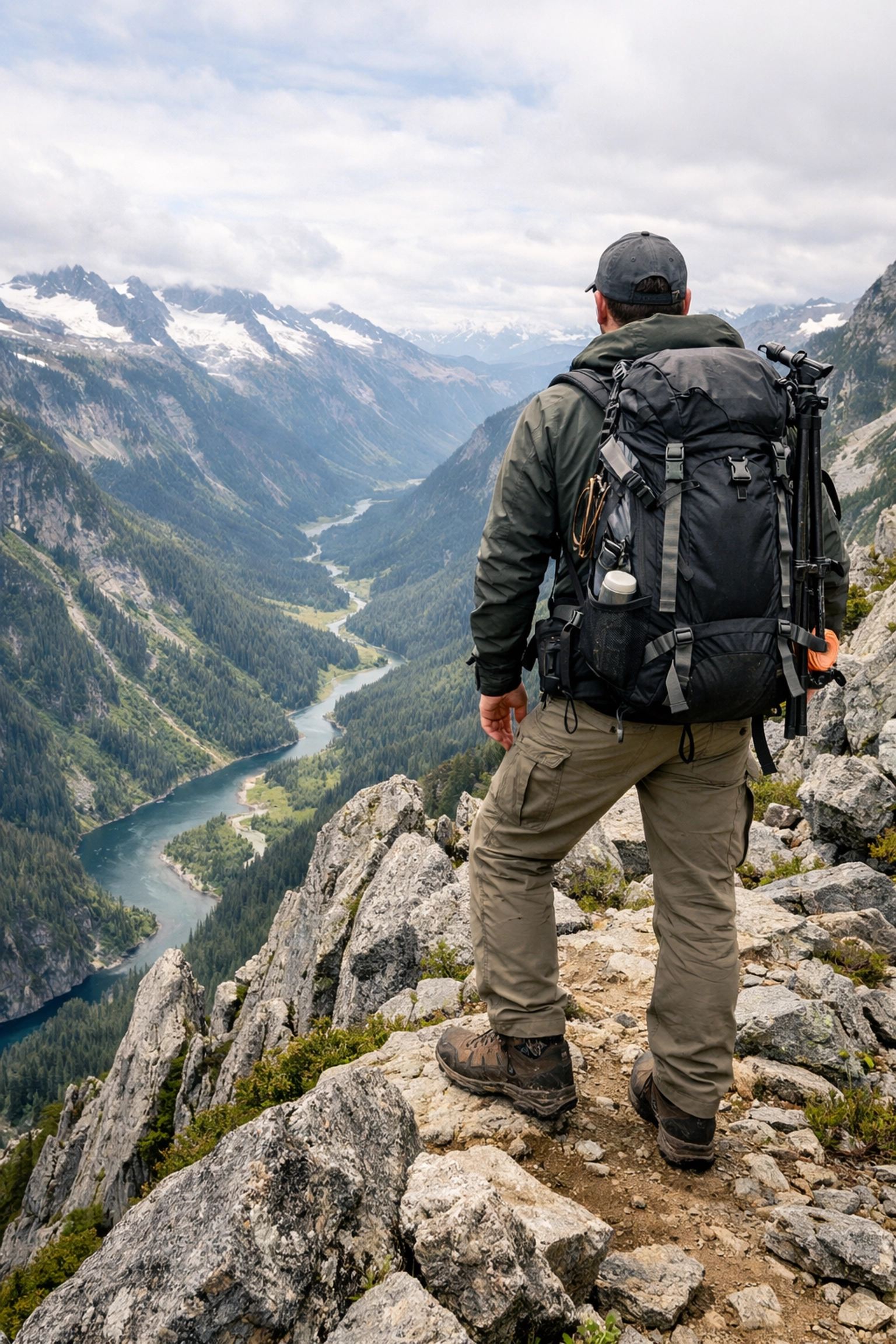
Alt Text: A wide-angle shot of a photographer hiking a rugged trail with a backpack, looking out over a vast valley in the Pacific Northwest.
The Importance of the "Inner Circle"
This post is part of a larger series where we are covering all 63 National Parks in the United States. From the Everglades in Florida to the Gates of the Arctic in Alaska, every park has a story to tell. By interlinking these guides, we hope to create a comprehensive resource for the photography community. You can find more detailed stories and location-specific deep dives on my personal blog.
Whether you are capturing the massive redwoods of California or the crystal-clear waters of Dry Tortugas, remember that photography is about more than just the final image. It’s about the experience of being there. It’s about the silence of the desert at midnight and the roar of a waterfall in the spring.
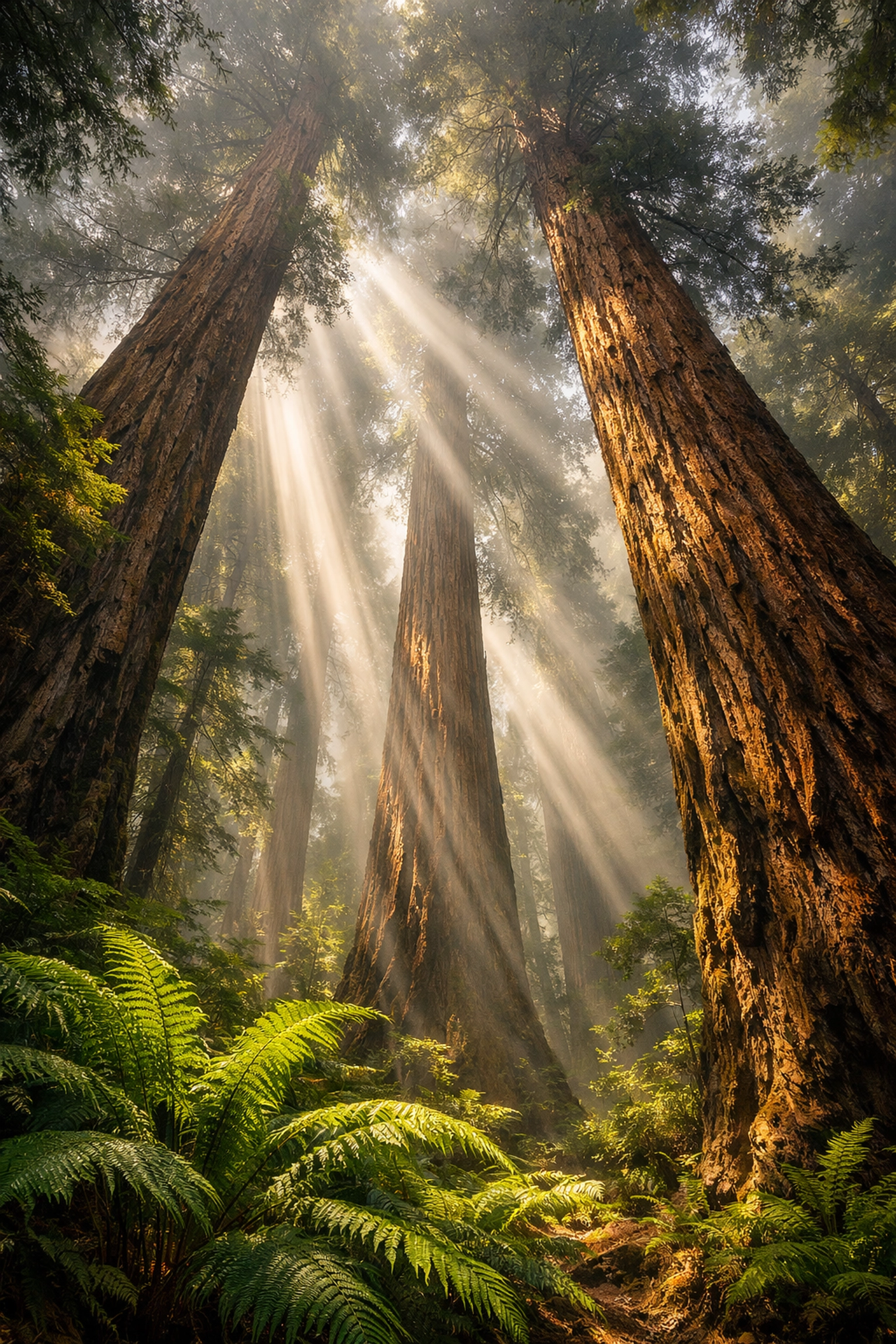
Alt Text: A close-up of a redwood tree trunk showing the immense scale and texture of the bark in a misty forest.
Final Thoughts on National Park Photography
The journey through the 63 National Parks is a marathon, not a sprint. Take your time. Spend a few days in one park rather than rushing through five. The more you sit with a landscape, the more it reveals its secrets to you.
Photography has the power to inspire conservation and fuel wanderlust in people who may never get the chance to see these places in person. When you share your photos, you’re sharing a piece of the American soul.
So, pack your bags, charge your batteries, and head out. The parks are waiting, and the light is perfect. See you out there!