
Photography is heavily influenced by the quality and direction of natural light, which can transform your travel images from ordinary to extraordinary. Understanding how to harness sunlight at different times of day is imperative for capturing the unique essence of your surroundings. In this post, you’ll discover valuable tips on how to optimize your shots during golden hours, midday brightness, and the magical hours of twilight, enabling you to take full advantage of nature’s palette as you explore new destinations.
Understanding Natural Light
As a travel photographer, understanding natural light can significantly enhance your images, allowing you to harness its qualities to capture stunning visuals. Natural light changes throughout the day, impacting the mood and tone of your photographs, which makes it imperative to adapt your shooting techniques according to these variations. By recognizing how light interacts with your subject, you can create compelling compositions that tell your unique travel stories.
The Science of Light
Natural light is a spectrum of electromagnetic radiation that our eyes perceive as visible light. It originates from the sun and scatters in the atmosphere, creating diffused illumination that subtly highlights shapes and textures in your photos. The way light interacts with different elements creates various effects, enabling you to document your adventures with remarkable detail and depth.
The Color Temperature of Light
Above all, understanding the color temperature of light can dramatically influence the outcome of your photographs. Different times of the day produce various temperatures, measured in Kelvin (K), which affect the overall color tone of your image. Vibrant sunsets appear warm (around 2000-4000K), while midday sun tends to be cooler (around 5000-6500K). Recognizing these variations allows you to adjust your settings and capture the essence of your surroundings accurately.
Color Temperature Table
| Time of Day | Color Temperature (Kelvin) |
|---|---|
| Sunrise/Sunset | 2000-4000K |
| Midday Sun | 5000-6500K |
| Overcast | 6000-8000K |
Due to the varying color temperatures throughout the day, you can manipulate your camera settings to achieve your desired effects. For instance, using a warmer white balance during golden hour will enhance the earthy tones in your images, while a cooler setting at midday may enrich the blue hues of a crisp sky. By fine-tuning your approach based on these temperature dynamics, you can elevate the visual impact of your travel photography significantly.
Color Temperature Influence Table
| Color Temperature Setting | Effect on Image |
|---|---|
| Warm (2000-4000K) | Enhances reds and oranges; creates warmth |
| Neutral (5000-6500K) | Accurate representation of colors; balanced |
| Cool (6000-8000K) | Enhances blues; creates a cooler atmosphere |
Morning Light
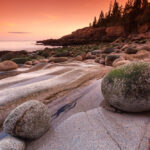
There’s something magical about morning light in travel photography. Capturing your surroundings during this time can highlight textures, colors, and details that often go unnoticed at other times of the day. The soft, golden hues not only enhance your images but also evoke an emotional response that resonates with viewers. By embracing the early hours, you can truly transform a simple scene into a captivating snapshot of your adventures.
Benefits of Early Morning Shooting
Morning light provides a unique advantage for photographers. Soft and diffused, it creates gentle shadows and reduces harsh contrasts, allowing you to capture the intricate details of your subject. Additionally, the tranquility of the early hours means fewer crowds, giving you unobstructed views and more freedom to compose your shots.
Tips for Capturing Sunrise
Against the backdrop of a stunning sunrise, your photography can reach new heights. To make the most of this fleeting moment, get familiar with your location before dawn. Arrive early to set up your equipment and find the ideal vantage point. Here are some key tips:
- Scout your location the day before to identify the best shooting spots.
- Use a tripod for stability during longer exposures.
- Experiment with foreground elements to add depth and interest.
Knowing when the sun will rise in your chosen location allows you to plan your shoot more effectively and maximize your photographic opportunities.
And while waiting for that perfect moment, consider how to creatively utilize negative space and the colors of the sunrise in your composition. Patience is key as the light shifts rapidly, and each second can unveil a new breathtaking scene. Here are additional tips:
- Adjust your white balance to capture the true colors of the sunrise.
- Utilize filters to balance exposure between the sky and horizon.
- Focus on the changing colors as the sun rises, capturing a series of images for a time-lapse effect.
Knowing the minute changes in light and atmosphere can significantly enhance your travel photography and help tell a more profound story through your images.

Midday Light
While midday light can be intense and unflattering for photography, it also offers unique opportunities for striking images. The high sun casts rigid shadows, which can create dramatic contrasts and emphasize textures in your compositions. You may find that the vibrant colors are more pronounced during this time, allowing you to capture the essence of your subject matter in a distinct way.
Challenges of Harsh Sunlight
By shooting during midday, you face challenges such as harsh shadows and blown-out highlights. This lighting can cause your subjects to appear washed out, and the strong contrast may hinder detail capture in both highlights and shadows. Additionally, it can be uncomfortable for prolonged exposure, affecting your overall photography experience.
Techniques for Overcoming Bright Conditions
To tackle these challenges, consider adjusting your shooting techniques, such as utilizing the shade, employing filters, or changing your angles. Look for overhangs, trees, or other structures to shield your subject from direct sunlight, softening the harsh light. You can also use a polarizing filter to cut down on glare and enhance color saturation. Finally, experimenting with different perspectives can help you find more flattering compositions despite the intense light.
Overcoming the challenges of midday sun involves a mix of technical adjustments and creative problem-solving. When you shoot in the shade, you can maintain better exposure levels and achieve more balanced images. Incorporating the use of reflectors can illuminate your subject, while adjusting your settings—like reducing exposure compensation—will help mitigate the brightness. Embrace creative angles, shooting upward to capture the sky as a backdrop, or downward to tame the shadows that may otherwise distract from your subject. These methods allow you to harness midday light rather than shy away from it, leading to compelling travel photos.
Late Afternoon and Golden Hour
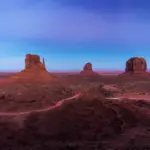
To capture sublime imagery, the late afternoon and golden hour offer the perfect backdrop for travel photography. During this period, the sun casts a warm, golden hue that elevates colors and creates depth in your images. The soft, diffused light enhances textures and minimizes harsh shadows, making every shot more enchanting. It’s an ideal time to explore landscapes and portraits, as the natural light highlights the beauty of your surroundings and subjects. Position yourself wisely to make the most of this magical hour.
The Importance of Golden Hour
Golden hour is the time shortly after sunrise or before sunset when the light is soft, warm, and flattering. This unique lighting condition creates a natural glow, bringing out vibrant colors and adding a sense of warmth to your photographs. By shooting during this period, you can transform ordinary scenes into mesmerizing visuals, enhancing the emotional impact of your travel stories.
Best Practices for Shooting During Golden Hour
Against the vibrant backdrop of golden hour, it’s important to approach your shots with intention. Always consider how the light interacts with your subject, using it to create dramatic contrasts or subtle highlights. Experiment with different angles and compositions, as the changing light can dramatically alter the mood of your photographs.
Practices for shooting during golden hour include scouting your location in advance to identify the best vantage points. Use a tripod to stabilize your camera, allowing for longer exposures if necessary. Keep in mind that the golden hour is fleeting, so shoot in bursts to capture various moments as the light shifts. Adjust your settings frequently to accommodate the changing light—play with exposure settings to ensure your images reflect the rich tones that define this magical time of day.

Evening and Night Photography
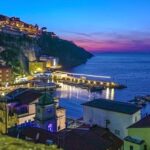
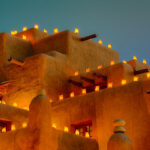
Many photographers believe that evening and nighttime photography can unlock unparalleled beauty and creativity. As day transitions to night, the sky shifts in color and vibrancy, creating dynamic backgrounds for your travel images. During this magical window, urban landscapes come alive with colorful lights, while natural scenes are painted with deep shadows and soft twilight hues. Embrace the unique atmosphere of these times for stunning results in your shots.
Transitioning from Day to Night
Night has its own unique charm, characterized by a stunning tapestry of colors in the sky. As the sun sets, take time to adjust your settings, experimenting with longer exposures and different compositions to capture the transition. This is the ideal moment to capture the dramatic colors that precede darkness, allowing you to create visually captivating images as daylight fades away.
Tips for Low-Light Shooting
The challenge of low-light shooting requires you to make some adjustments to your technique to achieve fantastic results. Here are some useful tips for increasing your chances of capturing sharp, beautiful images:
- Use a tripod to stabilize your camera.
- Increase your ISO for better sensitivity to light.
- Open your aperture to allow more light in.
- Utilize manual focus if autofocus struggles in low light.
After adopting these techniques, you’ll find yourself better equipped to tackle low-light environments and produce exquisite shots.
Tips for low-light shooting can significantly improve your travel photography outcomes. Consider the following additional strategies:
- Experiment with longer exposure times for creative effects.
- Use image stabilization features if available.
- Plan your shots around available light sources, like street lamps or neon signs.
- For moving subjects, consider a faster shutter speed to freeze the action.
After implementing these practices, your confidence in capturing stunning low-light images will naturally grow.

Tools and Techniques
Despite the challenges that different lighting conditions present in travel photography, having the right tools and techniques can significantly enhance your results. Understanding how to utilize natural light effectively helps create a mood and captures the essence of your subject. Strategies like positioning yourself correctly and being patient for the right moment can elevate your shots in any lighting situation.
Equipment for Natural Light Photography
For successful natural light photography, it’s crucial to choose equipment that complements your shooting style. A versatile lens can make a difference, especially one with a wide aperture to allow more light into the camera. Additionally, using a tripod can stabilize your shots during low-light conditions, enabling you to maintain sharpness and detail.
Post-Processing Tips
About enhancing your natural light photographs after shooting, post-processing is where you can refine your images for maximum impact. Adjusting exposure, contrast, and color balance can bring your vision to life. Consider these tips to improve your workflow:
- Use editing software to correct lighting issues.
- Experiment with filters to enhance natural tones.
- Create a consistent color scheme across your travel photos.
Assume that your post-processing enhances, rather than detracts from, the authenticity of your images.
This allows you to achieve a level of polish that reflects your unique style. Focus on editing with restraint—enhancing naturally captured colors and details without overdoing it. Here are some additional practices to consider:
- Crop your images for better composition.
- Apply noise reduction in low-light shots.
- Save your edits in non-destructive formats.
Assume that your editing choices bring out the best in your natural light photography, helping you convey your travel stories more effectively.
To wrap up
The role of natural light in travel photography cannot be overstated. By understanding how to leverage the varying qualities of light at different times of day, you can enhance your compositions and capture stunning images. Utilize the soft, golden hues of sunrise and sunset for enchanting landscapes, and experiment with the harsh midday sun for dramatic contrasts. Adjusting your shooting techniques according to light conditions will elevate your photography, allowing your travel experiences to shine through in every shot. Embrace these tips to maximize the impact of natural light in your work.