
Photography on your travels can be an exhilarating experience that captures the essence of your adventures. To ensure sharp results that bring your memories to life, it’s important to master some effective techniques. You will learn how to utilize proper settings, understand lighting conditions, and the importance of stability to enhance the quality of your photos. With these practical travel photography tips, you can elevate your skills and produce stunning images that will last a lifetime.

Key Takeaways:
- Use a tripod to stabilize your camera for sharper images.
- Opt for a lower ISO to reduce noise in your photos.
- Utilize a fast shutter speed to freeze motion and enhance clarity.
- Apply the rule of thirds to create balanced and engaging compositions.
- Ensure proper focus for your subject using autofocus or manual settings.
- Utilize natural lighting to enhance detail and texture in your shots.
- Edit photos post-shoot to fine-tune sharpness and clarity.

Mastering Your Camera Settings for Optimal Sharpness
Achieving sharp images heavily relies on understanding and manipulating your camera settings. Familiarize yourself with the three pillars of exposure: shutter speed, ISO sensitivity, and aperture. Each aspect plays a vital role in not only the quality of your photographs but also your ability to capture scenes with sharpness and clarity. Master these settings to gain better control over your results.
The Art of Shutter Speed
Shutter speed determines how long your camera’s sensor is exposed to light. Faster shutter speeds, such as 1/500 seconds, freeze motion effectively, perfect for action shots. Conversely, slower speeds, like 1/30 seconds, may introduce blur from camera shake or movement. Balance between speed and light for optimal sharpness depends on the subject and conditions.
ISO Sensitivity Explained
ISO sensitivity measures your camera sensor’s sensitivity to light. Lower ISO values, such as 100 or 200, produce cleaner images with less noise, ideal for well-lit conditions. Higher ISO settings, for instance, 1600 or above, may be necessary in low-light settings but can introduce unwanted grain. Knowing when to adjust your ISO is crucial for maintaining image clarity.
In practice, using a higher ISO in low-light situations allows for quicker shutter speeds, preventing motion blur. However, pushing ISO beyond 800 often results in noticeable noise. Aim for the lowest ISO possible while maintaining the required exposure for sharp images. Experimenting with different ISO settings, paired with your shutter speed and aperture, allows for better results in varying lighting conditions.
Aperture: Balancing Light and Depth
Aperture controls the size of the lens opening, affecting both exposure and depth of field. Wider apertures (e.g., f/2.8) let in more light but create a shallower depth of field, effectively isolating your subject. Narrower apertures (e.g., f/16) increase depth of field, keeping more elements in focus but reducing the light entering the camera. Balance these aspects for your desired effect.
Selecting the right aperture affects not just exposure but the visual impact of your images. For landscape photography, a narrower aperture ensures landscapes are sharp from foreground to background. Conversely, in portrait photography, a wider aperture blurs the background, emphasizing your subject and creating a pleasing bokeh effect. Understanding how to manipulate aperture can significantly enhance your creative control over depth and focus in your images.
Composition Techniques That Enhance Clarity
Effective composition techniques elevate your travel photography by enhancing clarity and drawing focus to your subject. By utilizing established rules and creative strategies, you can create visually compelling images that resonate with viewers. These techniques lend a sense of structure and purpose to your photographs, allowing for sharp and striking results.
Leading Lines: Guiding the Eye
Leading lines direct the viewer’s eye toward the main subject of your image. Using natural lines, like roads, bridges, or shorelines, invites exploration and can heighten the sense of depth. This method not only directs attention but also creates a dynamic flow, making the composition more engaging.
Rule of Thirds: Framing Your Subject
Applying the rule of thirds involves dividing your frame into a grid of nine equal sections, placing your main subject along these lines or at their intersections. This technique fosters balance and interest, drawing the viewer’s gaze naturally towards the focal point.
In practical terms, positioning your subject to fit within the rule of thirds grid allows for a more aesthetically pleasing image. For example, when photographing landscapes, place the horizon along one of the horizontal lines rather than centering it. Similarly, for portraits, align your subject’s eyes with one of the upper grid lines, creating a stronger connection with the viewer and evoking more emotional impact.
The Power of Negative Space
Negative space involves the area surrounding your subject, playing a significant role in achieving clarity. By incorporating ample negative space, you can highlight your subject and eliminate distractions, forging a more powerful visual narrative.
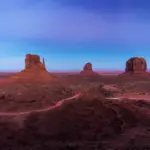
Utilizing negative space effectively allows your subject to command attention, amplifying its importance within the frame. For example, a lone traveler against a vast desert backdrop emphasizes isolation and introspection. This technique creates a sense of scale and accentuates the subject’s presence, making the photograph more impactful. A mindful balance between subject and space helps evoke emotion while maintaining clarity in your compositions.
Choosing the Right Lenses for Crisp Images
Selecting the right lens significantly affects your travel photography, impacting sharpness, depth of field, and overall image quality. Lenses vary in design, capabilities, and suited applications; understanding them can elevate your photos from ordinary to striking. Prime lenses, often favored for their sharpness and wider apertures, allow you to capture stunning images in low light, while zoom lenses provide versatility for various subjects without the need to change lenses frequently. Choosing the appropriate lens for your specific needs ensures you achieve crisp, compelling results on your journeys.
Prime vs. Zoom: Which One is Right for You?
Prime lenses generally offer superior image quality and wider apertures compared to zooms, making them ideal for low-light conditions and achieving beautiful background blur. However, zoom lenses provide flexibility, allowing you to adjust framing without moving. If you often find yourself in dynamic environments where versatility is needed, a zoom lens may serve you better. On the other hand, if you prioritize sharpness and are willing to change your position to frame your shots, a prime lens is the way to go.
Understanding Focal Length and Its Impact
Focal length, measured in millimeters, determines your lens’s field of view and perspective. Shorter focal lengths (e.g., 18mm) create a wider image ideal for landscapes, while longer lengths (e.g., 200mm) compress scenes, perfect for wildlife. Using the right focal length allows you to capture the essence of your subject and enhances the visual narrative. An ideal focal length can also improve sharpness, helping to achieve those crisp images you desire.
The impact of focal length extends beyond just composition; it influences depth perception and the degree of background blur. For travel photography, using a 35mm lens can provide a natural perspective for street scenes, whereas an 85mm lens can beautifully isolate subjects in crowded markets. Different focal lengths will change the spatial relationships in your images, allowing you to create stunning visual effects that draw viewers in.
Macro Photography Essentials for Detail
Macro photography allows you to explore intricate details often overlooked, requiring specialized lenses that can focus closely on your subject. A dedicated macro lens offers a 1:1 magnification ratio, enabling you to capture fine textures, colors, and patterns with unparalleled clarity. Using a tripod stabilizes your camera and eliminates blur, while good lighting, whether natural or flash, enhances the details in your macro shots.
To excel in macro photography, mastering your lens’s focusing capabilities is crucial. Techniques like focus stacking—where you take multiple images and combine them for a greater depth of field—can elevate your detail shots significantly. Additionally, experimenting with backgrounds and lighting can dramatically affect the way details emerge in your images. Learning to control these elements translates into sharper, more striking photos that showcase the beauty of the minute world around you.
Harnessing Natural Light for Stunning Results
Utilizing natural light effectively can transform your travel photography, enhancing your images with vibrant colors and depth. By being aware of the light’s direction and intensity, you can create breathtaking compositions that capture the essence of your surroundings. Mastering how light interacts with your subject will elevate your shots, allowing you to convey emotions and atmospheres unique to the moments you experience.
The Golden Hour: Timing Your Shots
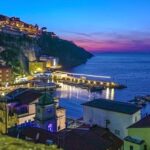
The golden hour, occurring shortly after sunrise and before sunset, offers warm, diffused light that adds a magical quality to your photos. During this time, shadows are softer, and colors become more vibrant, giving you the perfect conditions to capture the serene beauty of landscapes and intimate portraits. Plan your shooting schedule around these hours for optimal results.
Using Shadows to Your Advantage
Shadows can significantly impact the mood and composition of your photos. Instead of avoiding them, consider how they can add depth and intrigue to your shots. By positioning your subject to create dynamic contrasts, you enhance the visual storytelling and emphasize shapes and textures within the frame.
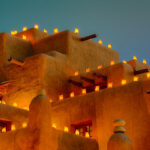
Play with shadows to create dramatic effects, especially in urban environments where architectural lines and patterns come alive. Shoot in the early morning or late afternoon to take advantage of elongated shadows, providing opportunities to experiment with diverse compositions and angles. Shadows can also serve as leading lines that draw the viewer’s eye directly to your subject, enriching the overall narrative of your image.
Cloudy Days: Opportunities for Soft Light
Cloudy weather yields even, soft light, eliminating harsh shadows and highlights that can detract from your images. This diffused illumination enhances details and colors, allowing you to capture the subtleties of your surroundings without the complications of direct sunlight. Clouds can also create dramatic skies, adding depth and context to your compositions.
Take advantage of moments when the sun peeks through the clouds for a gentle glow that softens your subject without overpowering it. The soft light also allows for better color accuracy and minimizes glare, making everyday scenes appear more vibrant and engaging. Embrace these conditions to experiment with textures and intricate features, revealing the beauty often hidden under the harsh light of sunny days.

Post-Processing Secrets to Sharpen Your Images
Post-processing is where your travel photos come to life, enhancing their clarity and detail. Techniques like sharpening and color correction can elevate even the most mediocre shots. Utilizing editing software allows you to adjust exposure, contrast, and sharpness, emphasizing the imperative elements of your image. The goal is to maintain a natural look while ensuring every detail pops, making your travel experiences unforgettable.
Essential Editing Tools for Travel Photographers
Various editing tools are indispensable for achieving sharp results in your travel images. Softwares like Adobe Lightroom and Photoshop offer a range of features tailored for enhancing sharpness and overall image quality. Additionally, plugins such as Nik Collection can add further detail, while smartphone apps like Snapseed provide quick, effective adjustments on the go. Familiarizing yourself with these tools enhances your editing capabilities significantly.
Techniques for Enhancing Sharpness
Enhancing sharpness effectively requires a combination of techniques. Utilizing the ‘Unsharp Mask’ or ‘High Pass Filter’ in editing programs allows you to accentuate details without introducing noise. Layering adjustments selectively, focusing on areas needing more clarity, creates a professional finish. Always apply sharpening cautiously, as overdoing it can lead to unnatural results. Aim for balance to showcase your work at its best.
Apply the ‘Unsharp Mask’ by adjusting the amount, radius, and threshold based on your image size and texture. A lower radius works better for high-resolution images, while larger files may require a higher amount for pronounced effects. Equally, effective sharpening should focus on the key elements of your image, such as the subject rather than the background. Don’t hesitate to experiment, saving different versions to compare results, finding what best captures the scene.
The Importance of Color Calibration
Color calibration guarantees accurate and consistent color representation across devices. Without it, hues may appear differently on your screen than they do in print or on other displays, compromising your image’s intended effect. This step ensures the vibrancy of your travels is reflected in your photos, providing a true-to-life experience for your audience.
Setting up a color calibration system involves using software and hardware tools like calibration devices that adjust your monitor settings. These tools establish a baseline of color accuracy, allowing you to edit photos without worrying about color shifts. Regularly calibrating your monitor will help maintain consistency, making edits more reliable and ensuring your travel memories are presented in the best light.
Conclusion
Following this guide will enhance your travel photography skills, leading to sharper results. By utilizing techniques such as proper focus, optimal shutter speed, and effective composition, you can elevate your images. Don’t forget to regularly practice and review your work to identify areas for improvement. With these practical tips, you will capture stunning travel moments that truly reflect your experiences.
FAQ
Q: What are the basic settings for travel photography?
A: Start with the following settings: use a low ISO (100-400) for clear images, a small aperture (f/8 to f/11) for greater depth of field, and adjust shutter speed depending on lighting and motion. Use a tripod for stability when needed.
Q: How can I achieve sharp focus in my travel images?
A: To achieve sharp focus, use the single autofocus mode, focus on the most important element in your scene, and use a lens with a good sharpness rating. Use manual focus for precise control in complex scenes.
Q: What is the importance of lighting in travel photography?
A: Good lighting can enhance colors and textures. The golden hour (early morning or late afternoon) offers softer light, while harsh midday sun may require the use of reflectors or diffusers to soften shadows.
Q: How can composition improve my travel photos?
A: Composition techniques such as the rule of thirds, leading lines, and framing can guide the viewer’s eye and create more engaging images. Experiment with angles and perspectives to find the best composition for each scene.
Q: What is the benefit of shooting in RAW format?
A: Shooting in RAW allows for greater flexibility in post-processing, including improved adjustments to exposure, white balance, and contrast without losing image quality. It’s ideal for travel photography, where conditions can change rapidly.
Q: How should I focus on storytelling in my travel photography?
A: To tell a story, capture a variety of shots including landscapes, portraits, and candid moments. Use context to show where you are and the experiences you have. Combine images that highlight the culture, people, and atmosphere of your travels.
Q: What tools or accessories are useful for travel photography?
A: Useful accessories include a sturdy tripod for stability, a polarizing filter to reduce glare and enhance colors, extra batteries, and a lens cleaning kit. Consider also a lightweight camera bag for easy transport.