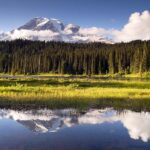

Most of your opportunities to monetize travel photos come from smart planning and execution. You’ll prioritize lightweight, high-quality gear, master fast scouting and editing workflows, and protect yourself by avoiding dangerous areas and securing equipment. Use diverse income streams-licensing, commissions and stock-to turn journeys into profit while preserving creative control and travel flexibility.

Key Takeaways:
- Pack a compact, versatile kit: mirrorless body, two lenses (wide + short tele), travel tripod, extra batteries and cards.
- Scout fast and previsualize shots: prioritize golden hour, strong compositions, quick exposure bracketing and handheld techniques.
- Shoot for multiple income streams: stock libraries, prints, commissioned work, travel blogs and licensing for brands.
- Develop a consistent, marketable style and niche-signature edits and subject focus make licensing and repeat clients easier.
- Use a mobile editing workflow: fast culling apps, presets, batch edits and export templates for web and print delivery.
- Pitch and collaborate locally: partner with guides, hotels and tour operators; offer social media packages and clear usage terms.
- Protect and organize assets: back up to cloud and portable drive, embed metadata and captions, and watermark samples when needed.
Understanding Travel Photography
You balance storytelling, marketability and mobility by treating each location as a mini-brief: aim for 3-5 sellable frames per spot, shoot 100-200 images a day, and cull to 10-20 for editing. Use concrete specs-deliver at least 3,000-4,000 px for stock, keep shutter speeds above 1/125s for handheld street portraits, and test compositions on-site (e.g., Barcelona Gothic Quarter: golden hour, 24-70mm, f/5.6). Always backup your cards daily.
Defining Your Style
You sharpen a marketable voice by picking 1-2 niches-street, landscape, culinary-and repeating motifs: color palette, framing, and subject scale. Analyze 50 top-selling images in your niche to identify trends, then apply a consistent edit (for example, +10 saturation, teal shadows, +0.3 contrast). Over time your portfolio should show recognizable patterns that buyers and brands can instantly tag and license.
Essential Gear for On-the-Go Photography
You assemble a light, versatile kit: a mirrorless body, one wide lens (16-35mm or 24mm prime) and one short tele (70-200mm or 85mm prime), a carbon-fiber travel tripod, three batteries, two 128GB cards, and a 1TB portable SSD. Target a total carry weight under 3 kg so you stay mobile; this setup covers landscapes, street, and portraits while keeping packing and airport limits manageable.
For depth: choose lenses that overlap focal ranges to avoid gaps (e.g., 24-70mm f/4 + 70-200mm f/4), carry a polarizer and 3-stop ND, and pack a compact gimbal if you shoot video. Prioritize weather sealing and a theft-deterrent cable lock for urban work; put spare batteries and memory cards in your carry-on per airline rules. Field-tested kits under 2.8-3.0 kg let you shoot 8-10 hours without resupply.
Tips for Capturing Stunning Images
Use quick checks for exposure, focus, and background clutter before you shoot; a handheld test at 1/125s reduces motion blur. You should carry a micro-fiber cloth and a small ND filter to expand options in bright sun and protect gear. Perceiving light shifts and subject intent will let you capture images that sell.
- rule of thirds – place horizons or focal points on thirds
- leading lines – use diagonals to direct attention
- fill the frame – remove distractions to increase impact
- shoot RAW – preserve headroom for exposure and color
Composition Techniques
When you frame subjects, apply the rule of thirds-align horizons on the top or bottom third to balance scenes; placing a person at 1/3 from the left yields a natural feel. You can use a 35mm for environmental portraits and a 50mm for tighter headshots at ~1.5-2 m. Try isolating the subject with negative space and diagonal leading lines, and crop for square formats preferred by many marketplaces (≈60%).
Utilizing Natural Light
Plan shoots in the golden hour-about 30-60 minutes after sunrise or before sunset-when color temperature warms by ~2000-3000K and tonal range softens. You should place subjects with backlight plus a small reflector or +1/3 EV fill to preserve faces, avoid shutter speeds below 1/125s unless stabilized, and always shoot RAW for shadow recovery.
Midday sun produces harsh contrast, so find open-shade or use a diffuser and a polarizer to reduce glare; you can bracket exposures (e.g., -2, 0, +2) to protect blown highlights and recover details in post. If shooting landscapes, use a small ND grad or expose for the sky and blend foregrounds later, and keep white balance consistent across sets to maintain accurate skin tones when selling travel portraits.

How-To: Planning Your Shots
Plan shot priorities around light, access, and marketability: create a 3-shot priority list per location (hero, detail, people/scale), map routes with Google Maps satellite plus Sun Surveyor, and add a backup site within a 15-30 minute walk. Use weather forecasts (wind >20 km/h can ruin long exposures) and pack two memory cards so you never lose a sale because of full storage. Arrive early enough to test compositions and exposure before the window closes.
Researching Locations
Combine satellite view, Instagram geotags, and local guides to vet angles: use Street View to spot backgrounds, check tide charts for coastal shots, and scan recent photos for seasonal foliage. If you aim for stock or editorials, prioritize spots with low foot traffic at sunrise or iconic views that sell-examples: Santorini caldera at dawn or Kyoto temple during cherry bloom. Verify permits and opening hours; some parks limit tripods or commercial shoots.
Timing Your Visits
Target the light windows: golden hour typically lasts about 45-60 minutes around sunrise/sunset, blue hour gives you 20-40 minutes of soft tones, and night cityscapes peak when ambient light balances with long exposures. Arrive 30 minutes early to scout, test metering, and secure a vantage point; check moon phase for night compositions and avoid scheduling shoots during full moon if you want deep stars.
Season and latitude change those windows: in high latitudes summer golden hour can stretch for hours (Iceland in June) while near the equator it compresses to tight 40-50 minute periods. Plan for 2-3 prime windows per location-sunrise, golden-hour sunset, and night-and use PhotoPills or Sun Surveyor to predict shadows and star alignment. Factor crowd patterns (Venice is busiest 10:00-16:00), pack a headlamp, and avoid cliff edges after dark to keep both you and your gear safe.
Factors to Consider While Shooting
When you move between scenes, keep a quick mental checklist for lighting, composition, and subject context so you can adapt in seconds; use a 1/3-stop exposure compensation to protect highlights when the sky is bright. Work with a reliable routine-test focus, scan backgrounds, then shoot a bracketed frame if needed. The final step is to confirm legal and ethical permissions before you press the shutter.
- Lighting – golden hour, backlight, and harsh midday contrasts.
- Composition – leading lines, negative space, and subject isolation.
- Gear – lens choice, stabilization, and quick-access batteries/cards.
- Permissions – model releases, property rules, and local regulations.
- Safety – personal security, equipment theft risk, and environmental hazards.
- Timing – peak tourist flows, local events, and weather windows.
Cultural Sensitivity
You should approach people and places with humility: ask before photographing individuals, offer to show or sell images, and respect sites with restricted access. In many regions a small tip or polite exchange smooths interactions; avoid photographing ceremonies, government buildings, or military personnel without explicit consent. Be aware that photographing children or religious rituals can be offending or even illegal in some countries, so prioritize respect and local norms.
Weather and Environment
You must plan for changing conditions: carry a lightweight rain cover, silica packets for humidity, and a lens cloth for salt spray; set shutter speeds to at least 1/500s for gusty wind on landscapes or handheld city shots. Adjust white balance for overcast vs. warm light, and protect batteries from extreme cold since capacity can drop sharply below 0°C.
For more detail, in heavy rain use a ziplock or purpose-made rain sleeve and keep camera ports sealed; when moving from cold to warm environments, prevent condensation by sealing gear in a bag for 10-15 minutes. In hot, sandy locations prioritize sensor and lens protection with hoods and frequent cleaning, and in cold conditions carry spare batteries in an inner pocket because performance can fall by roughly 30-50% below freezing.

Editing Your Travel Photos
When you edit on the go, move fast by culling to the top 20% of frames, then process RAW files to recover highlights and shadows-most modern sensors offer roughly 12-14 stops of dynamic range. Use Lightroom Mobile or Snapseed for quick global adjustments: exposure within ±0.3 stops, contrast +5-15, and selective sharpening (radius 0.8-1.2) while applying noise reduction for ISO over 800. Batch edits and presets save time, but check each image for clipped highlights or lost shadow detail.
Basic Editing Techniques
Start with white balance, then set exposure and contrast before color work; for landscapes try clarity +8 and dehaze +5 as starting points. Apply local adjustments sparingly-dodge shadows by +10-20% and burn highlights similarly. On mobile, use selective brushes instead of global saturation; on desktop, sharpen at 50-70 amount with radius 0.8-1.2 and reduce noise at 20-40 for high ISO shots. Always inspect 100% zoom for halos and edge artifacts.
Preserving the Authenticity of Your Images
Keep edits honest by prioritizing scene integrity: retain context, textures, and natural skin tones using HSL sliders and Camera Calibration profiles. Favor vibrance over saturation to protect color balance, and avoid heavy HDR or extreme clarity that creates unnatural halos. Ethically, do not remove cultural or documentary elements; clients and audiences respond better to truthful storytelling, and over-processing often harms saleability on stock platforms.
For more control, match tones across a series using a reference image and apply consistent Camera Calibration settings-adjust blue primary hue by small increments (±5) rather than large shifts. Export for web in sRGB JPEG, 8‑bit, and for print use AdobeRGB or ProPhoto; keep EXIF and caption metadata intact to preserve provenance and licensing details. When in doubt, toggle before/after at 1:1 to ensure edits enhance rather than rewrite the scene.
Monetizing Your Travel Photography
Shift emphasis to diversified income: you should blend prints, microstock, editorial and commercial licensing to stabilize earnings. Microstock pays roughly $0.25-$2 per download, editorial uses often land between $50-$500, and commercial deals can exceed $1,000 per image. Use platforms like Shutterstock, Adobe Stock, Etsy and Fine Art America, and aim to sell through at least three channels so a single platform change doesn’t wipe out your revenue.
Selling Prints and Licenses
Start with giclée and archival prints in common sizes (8×10, 16×20, 24×36) and price at a 2-5x markup over production cost; sell via Printful, a local lab, or marketplaces like Fine Art America and Etsy. For licensing, separate Royalty-free (lower fee, broad use) from Rights-managed (higher fee, restricted use); target blogs and tourism boards for recurring editorial licenses and pitch hotels or brands for higher-paying commercial rights.
Building a Portfolio and Online Presence
Create an own website with platforms like Squarespace, Format or SmugMug, optimize image filenames, alt text and metadata for SEO, and maintain an email list to convert traffic-aim for 3-5 posts/week on social channels (Instagram, Pinterest) to drive visitors. You should track conversion rates (industry averages ~1-3%) and prioritize a clear pricing/contact page so interested clients can hire you quickly.
Curate a tight gallery of 30-50 images that shows style consistency, include a hero project or case study, and add client testimonials and a transparent pricing sheet. Use Pixieset or similar for client delivery, keep pages loading under 3 seconds, show watermarked previews, and commit to respond within 24 hours to inquiries to win commissions and repeat business.
To wrap up
Considering all points, you can turn mobile travel shoots into steady income by planning light and versatile gear, mastering quick exposure and composition, building your signature style, processing efficient presets, and packaging images for stock, clients, and social sales; hone pitching, metadata, and licensing knowledge, maintain fast backup and delivery systems, and treat every trip as your portfolio builder to grow reliable revenue.
FAQ
Q: How should I pack and organize gear for profitable travel photography on the go?
A: Start by choosing a lightweight, versatile kit: a mirrorless body, a fast zoom (24-70mm or 24-105mm), a compact tele (70-200mm or 70-300mm) and a small prime (35mm or 50mm). Add a travel tripod or compact monopod, polarizer and ND filters, two spare batteries, multiple high-speed SD cards, and a pocket-sized backup SSD or USB-C drive. Use a camera cube or modular bag so you can access gear quickly without unpacking everything. Implement a simple file-naming and folder structure (YYYYMMDD_Location_Subject) to speed culling and delivery. Carry template model/property releases and a small notepad or phone app for logging image captions and licensing notes while still on location.
Q: What creative shooting approaches lead to images that sell well?
A: Prioritize storytelling over single pretty shots: capture people interacting with place, local crafts, food builds, and environmental context. Explore multiple angles-low foreground interest for depth, elevated views for patterns, and tight details for marketable editorial or commercial use. Shoot during golden and blue hours for high-demand lighting, and create variations (wide environmental, mid-range lifestyle, and close-up detail) to appeal to different buyers. Use motion (long exposures for waterfalls or traffic), silhouettes, and strong leading lines to create images that stand out in portfolios and stock libraries. Include accurate captions and location metadata to increase searchability.
Q: What are fast, reliable ways to monetize travel photos while still on the trip?
A: Upload curated selects daily to microstock platforms (Adobe Stock, Shutterstock) for passive income; keyword accurately and use clear captions and location tags. Offer same-week exclusive licensing to local tourism boards, boutique hotels, restaurants, or tour operators-send a short pitch email with three sample images and price options (editorial, commercial, exclusive). Use print-on-demand services and local pop-up retail (postcards, small prints) at markets or through collaborating shops. Run mini photo experiences or paid walking tours while en route, and create quick, inexpensive digital products (preset packs, short e-guides) to sell via a link in your bio or website.
Q: How can I streamline editing, backup, and delivery workflows when I’m constantly moving?
A: Cull quickly using fast preview tools or mobile culling apps, flagging only 10-20% of frames. Sync RAWs to Lightroom Mobile or use a portable SSD with a laptop for batch RAW processing using presets tuned to your style. Create export presets for common sizes (web, social, print) and watermarked proof versions for clients. Automate backups with a 3-2-1 approach: two local copies (camera + SSD) and one cloud copy (Dropbox, Backblaze, or Google Drive) set to sync overnight on reliable connections. Use invoicing templates and delivery links (WeTransfer, Dropbox shared folders) to speed client handoffs and keep payment terms consistent.
Q: What business practices help build a sustainable, profitable travel photography brand from on-the-go shoots?
A: Define a clear niche and visual signature so buyers can identify your work at a glance. Maintain a polished portfolio site with SEO-friendly captions, searchable galleries, and a simple licensing page. Track revenue streams and analytics to see what sells (stock, prints, editorial) and double down there. Create simple, repeatable pitch templates for magazines, tourism boards, and brands, and keep a pricing grid for common requests (single image editorial, social media packages, exclusive licensing). Diversify income through passive products (presets, tutorials), occasional workshops, and collaborations with compatible brands or local businesses to expand reach without overextending while traveling.