
Many short day trips can recharge your mind and body – you should pick nearby beaches, state parks, charming towns, or quiet trails that suit your energy level, plan a relaxed itinerary with small goals, and prioritize rest, fresh air, and local flavors so you return refreshed and able to tackle your schedule with renewed focus.
Top Destinations for Relaxation
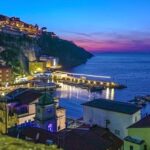
You can pick coastal villages for sea air, mountain towns for quiet elevation, or historic spa towns for thermal baths; Amalfi and Positano deliver cliffside views and ferry hops, the Pacific Coast Highway offers roughly 100 miles of dramatic pulls-offs, and spa towns like Bath or Baden-Baden provide day packages often under €100. Aim for options within a 2-3 hour drive if you need a single-day recharge, or plan a 4-6 hour route for an overnight stay with more activities.
Coastal Escapes
You should drive the 113-mile Overseas Highway to the Florida Keys for snorkeling around coral reefs or take California’s Highway 1 for coastal overlooks and pullouts spaced every few miles; Positano and Amalfi serve sunset boat tours and cliffside dining, while sheltered bays like Santa Barbara Harbor offer calm paddleboarding and family-friendly beaches. Pick towns with beachfront spas or seafood boards-many run weekday lunch specials under $50-so you can balance activity, fresh air, and easy local dining on a short getaway.
Mountain Retreats
You can base yourself along the 469-mile Blue Ridge Parkway for leaf-peeping and short 1-6 mile hikes, or head to the Smokies where trails range from gentle loops to ridge routes; Great Smoky Mountains sees about 12 million visitors annually, so choose midweek for quiet. Consider hot-spring towns such as Glenwood Springs for a post-hike soak, and look for cabins with wood-burning stoves or small spa packages to combine trail time with restorative heat therapy.
You should plan around elevation and access: above about 8,000 ft expect thinner air and cooler nights, so pack layers, hydrate well, and limit intense exertion on arrival day. Aim for a balanced day itinerary-start a 3-5 mile loop with 500-1,500 ft elevation gain by 8:00 a.m. to avoid afternoon storms, then recover with a 30-60 minute soak or guided massage. Check trail permits or timed-entry rules, download offline maps because cell coverage often drops, and reserve parking or shuttle spots ahead of peak weekends to avoid wasted time on a short trip.

Cultural Getaways
You can slip into local rhythms by timing visits to market days, small museums or community festivals-Bruges’ UNESCO-listed center, Barcelona’s neighborhood markets, and Seville’s April Feria are compact examples. Short cultural walks and single-exhibit museum visits often take 60-120 minutes, letting you blend history, food and art into a half-day trip without overpacking your schedule.
Historical Towns
You can stroll cobbled lanes in towns like Quebec City (founded 1608), Rothenburg ob der Tauber with 13th-century walls, or Colonial Williamsburg’s living-history streets recreated from the 18th century. Guided tours often run 60-90 minutes and highlight preserved architecture, local bakeries and period artisans. If you prefer compact exploration, pick towns where the main historic loop can be walked in under two hours.
Art and Music Hubs
You can chase live music in hubs like Austin (SXSW in March), New Orleans (Jazz & Heritage Fest late April/early May) or Nashville’s Music Row. Many cities feature nightly performances across dozens of venues, with local sets often under $20. Galleries cluster around dedicated arts districts-Bilbao’s Guggenheim, opened in 1997, transformed its waterfront into a walkable museum quarter.
Plan your day by checking venue schedules and buying an early-evening pass; matinee concerts and gallery openings on First Fridays let you sample multiple spots in one afternoon. You should also seek artist studios or listening rooms where admissions are limited to 20-50 people, offering intimate 45-60 minute sets and better chances to meet performers.

Nature Adventures
Swap city noise for a sunrise at Acadia’s Cadillac Mountain or a half-day scramble up Yosemite’s Mist Trail (≈3 miles round-trip to Vernal Falls). You can spot elk in Great Smoky Mountains during fall drives, paddle clear lakes in Boundary Waters for 5-10 miles of calm water, or chase waterfalls on short loops under 2 miles. Plan your timing to hit viewpoints at golden hour and avoid mid-day crowds.
National Parks
Yosemite offers iconic valley views and short hikes like the Mist Trail (≈3 miles RT to Vernal Falls) you can do in a morning. In Great Smoky Mountains you can drive to Clingmans Dome and walk a paved 1-mile trail up to 6,643 ft for panoramic views. Acadia’s 27-mile Park Loop packs coastal overlooks into a day, while Zion’s Angel’s Landing (5.4 miles RT) now requires a permit-plan ahead if you want that exposure.
Scenic Trails
Choose trails that condense big views into short distances-1-6 mile loops like Marin Headlands (~3.5 miles) or Angel’s Landing (5.4 miles RT) deliver photography-worthy overlooks without a full-day commitment. You can find paved options for easy access, steep ridgelines for quick elevation gain, and family-friendly boardwalks in coastal parks. Check elevation gain listed on trailheads; routes under 1,000 ft gain usually stay manageable for most quick getaways.
Plan your Scenic Trails outings with practical metrics: assume 2 mph average hiking speed, carry about 1 liter of water per 2 hours, and factor in listed elevation gain-1,000 ft adds ~30-45 minutes. Begin before 9 AM to beat heat and crowds, verify permit requirements (Half Dome, Angel’s Landing), and consult park websites for closures. You should wear trail shoes with 4-6 mm tread and bring a light wind layer; short detours often reward you with quieter viewpoints.
Spa and Wellness Retreats
Slip into a half-day or full-day spa itinerary that blends a 60-90 minute therapeutic massage, a 30-45 minute facial, and thermal-circuit sessions; many spas like Glen Ivy or the Spa at Mandarin Oriental offer express packages for 3-4 hours priced $120-$300. You can book same-day online, add a couples suite, and often include healthy lunches or juice cleanses to make the short getaway feel restorative and efficient.
Day Spa Options
For a quick reset you can choose express treatments-30-minute scalp or foot reflexology-or classic 60-minute Swedish, deep-tissue, or hot-stone massages; many day spas run 90-minute signature rituals combining massage and facial. Typical half-day packages last 3-4 hours and cost $80-$200, while upgrades like infrared saunas, float tanks, or salt-room sessions are commonly available a la carte.
Wellness Programs
Weekend wellness programs usually span 1-3 days and schedule morning yoga (60-75 minutes), guided hikes (60-120 minutes), nutritional workshops (30-60 minutes), and nightly breathwork or meditation; groups are often limited to 10-20 guests to preserve personal attention. You’ll find results-oriented retreats that focus on sleep, stress reduction, or mobility and include baseline assessments and take-home plans.
Expect 3-day immersion prices from roughly $400 to $1,200 depending on lodging and inclusions; many programs offer customizable tracks for beginners or advanced practitioners, tailoring intensity, dietary needs, and private coaching. Bring activewear, layered clothing for outdoor sessions, and a willingness to disconnect-most retreats enforce limited phone use-and you’ll often receive post-retreat resources like meal plans, recorded meditations, or a 30-day follow-up call to help sustain gains.
Culinary Experiences
You can structure a day trip around regional flavors by pairing a morning farmers’ market visit (often 8am-1pm) with a farm-to-table lunch and an afternoon tasting room; many destinations also offer 90-120 minute cooking classes or pop-up dinners you can book same-day. In Sonoma, for example, visitors commonly sample three wineries and pick up cheeses from producers within a 50-mile radius to enjoy on a scenic picnic.
Farm-to-Table Restaurants
You’ll find eateries sourcing ingredients within a 50-mile radius that rotate menus daily, with tasting menus typically 4-8 courses priced $45-125. Weekday lunches often allow same-day bookings, while high-profile kitchens like Blue Hill at Stone Barns require reservations; ask servers for the farm list so you know which local growers and pastured meats you’re supporting.
Food Tours
Guided food tours usually run 2-3 hours, include 6-10 tastings, and cost $50-100; you can pick themes-street tacos in Los Angeles, oyster trails in Maine, or craft-beer crawls in Portland-and most operators limit groups to 12-15 people for closer access to chefs and vendors.
When booking, check whether tastings are full portions or samples and whether the route is walking or uses a shuttle; operators typically accommodate dietary needs if you notify them 24-48 hours ahead. Opt for small-group or private tours for deeper access, and schedule tours before a late lunch so you can follow favorites back to a full meal without overindulging.
Family-Friendly Options
If you’re traveling with kids, choose destinations that balance activity and downtime: state parks with 0.5-2 mile child-friendly trails, splash pads, and shaded picnic areas; local zoos with petting barns and stroller-friendly routes; and municipal beaches with lifeguards and shallow entry. Plan your day for 3-6 hours to avoid meltdowns, pack snacks and a change of clothes, and check for family restrooms and rental options like wagons or stroller rentals before you go.
Amusement Parks
When you pick an amusement park, verify height requirements (many family coasters require 36-48 inches), book skip-the-line or timed-entry passes to shave hours off waits, and aim for weekday or early-morning visits to beat crowds. You should budget 4-8 hours at large parks like Six Flags or regional family parks, scout shaded dining areas, and confirm stroller parking, nursing rooms, and quiet zones if your kids need breaks from stimulation.
Interactive Museums
You’ll get the most value from interactive museums that prioritize hands-on learning-think Exploratorium-style science exhibits or the Children’s Museum of Indianapolis, the world’s largest children’s museum-with maker labs, planetariums, and drop-in workshops. Plan 2-4 hours, book timed tickets when available, and check age-specific galleries and sensory-friendly hours so your kids can engage at their own pace without overwhelming crowds.
For deeper planning, scout the schedule for 30-60 minute workshops or live demonstrations that often run at set times; these provide structured learning and predictable breaks. You should also look into membership options if you expect repeat visits, confirm storage or stroller policies, and call ahead about accessibility or sensory accommodations so your visit fits your family’s rhythm and learning style.
To wrap up
As a reminder, choose nearby destinations that match your energy and available time, plan light itineraries to reduce stress, and prioritize restful activities so you return recharged; aim for simple logistics, pack imperatives, and let spontaneity fill the gaps – this approach ensures your day trip refreshes your perspective without upending your routine.