
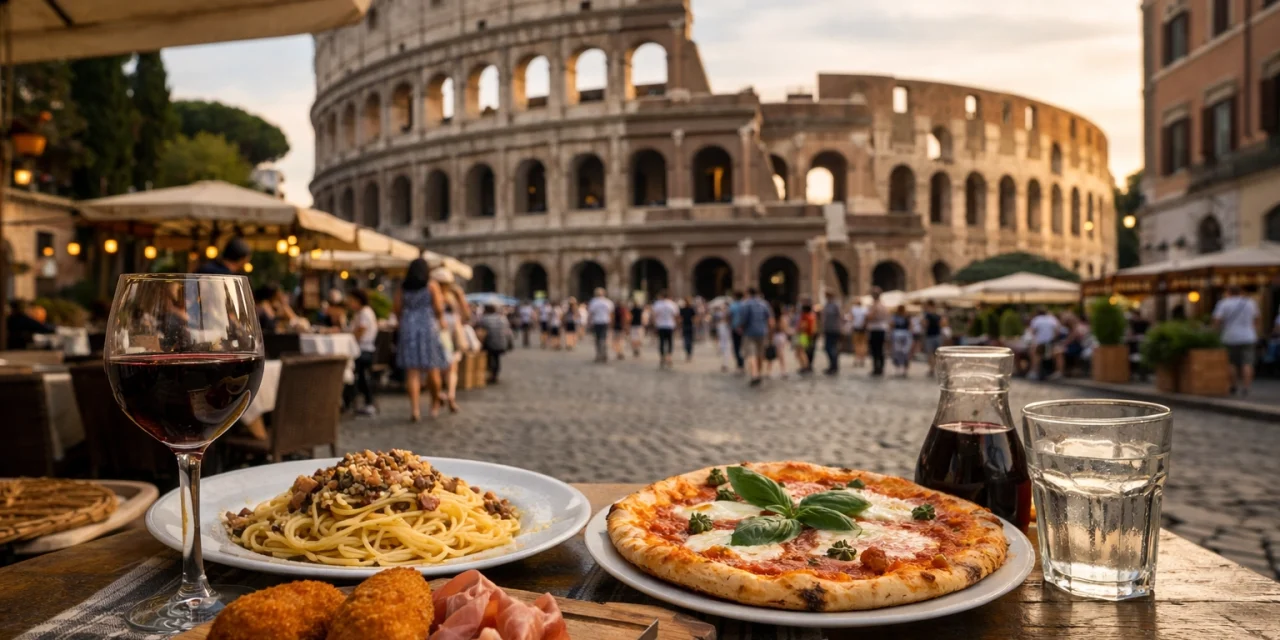
There is an old myth floating around the travel world that if you want to eat well in Rome, you need to be prepared to drop half your monthly mortgage on a single dinner. I’m here to tell you: as someone who spends more time looking through a camera lens than at a bank statement: that simply isn’t true. In fact, some of the most soul-satisfying, authentic Roman meals I’ve ever had cost less than a fancy cocktail in New York or London.
Welcome to Rome, the city where "budget travel food" doesn't mean settling for a sad grocery store sandwich. It means standing on a cobblestone street with a €5 box of handmade pasta in one hand and a camera in the other. At Photoguides, we believe that traveling the world should be accessible, and that includes eating like royalty on a shoestring budget. Whether you’re here for a cheap weekend getaway or a month-long photography expedition, mastering the art of the Roman cheap eat is a vital skill.
The Secret to Cheap Eats: Knowing What to Look For
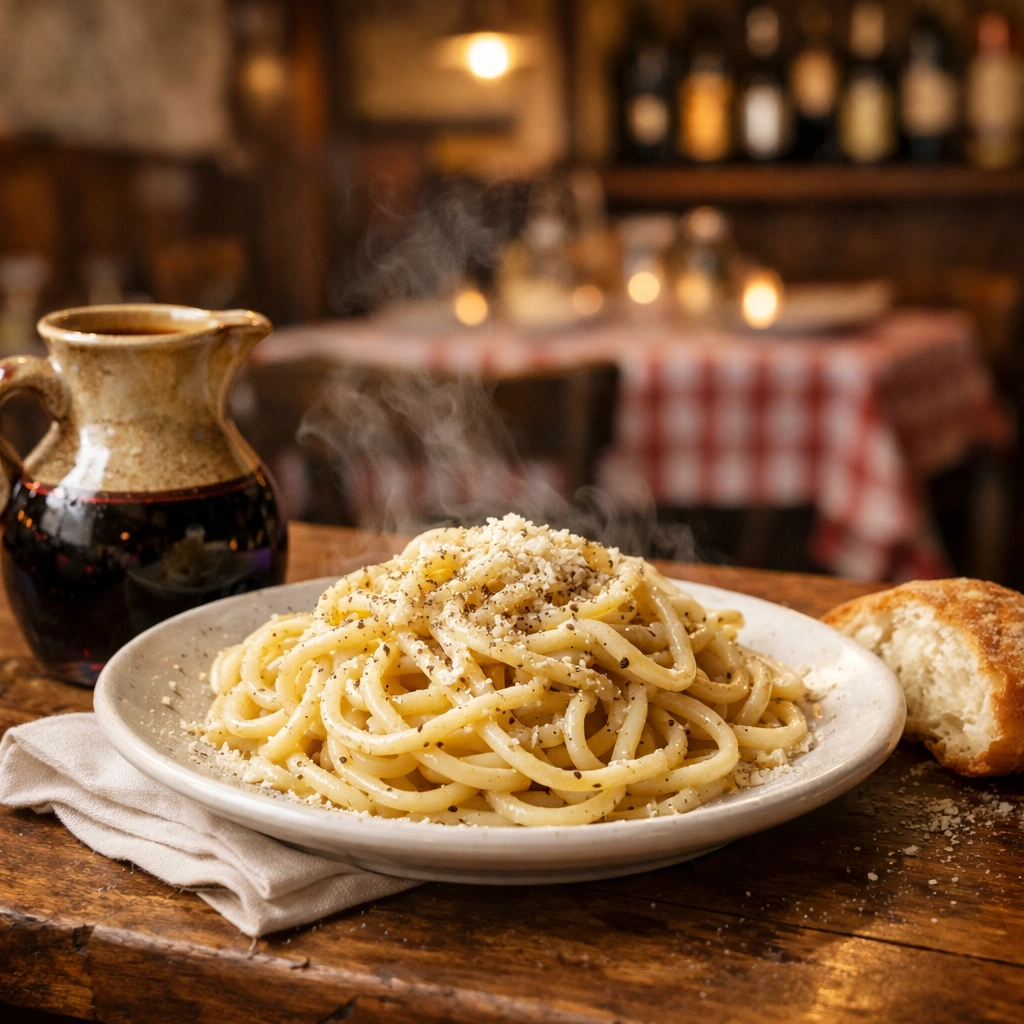
Rome is a city of layers, and that applies to the food scene too. You have the "Touristy Layer": restaurants with pictures of lasagna on a board and a guy out front waving you in. Avoid these. Then you have the "Local Layer," where the menus are in Italian, the wine comes in a ceramic jug, and the bill makes you do a double-take because it’s so low.
To find the best cheap eats, you need to look for specific keywords: Pastificio (pasta factory), Pizza al Taglio (pizza by the slice), and Tavola Calda (hot table). These are the pillars of affordable Roman dining.
Pasta for the Price of a Coffee: The €5 Miracle
If you find yourself near the Spanish Steps, your wallet might start sweating. It’s one of the most expensive areas in the city. However, tucked away on Via della Croce is a legendary spot called Pastificio Guerra.
This place is a rite of passage for any budget traveler. Every day at lunch, they serve two types of freshly made pasta. The cost? Around €5. That usually includes a small plastic cup of water or even a splash of house wine if you’re lucky. There’s no seating: you grab your steaming plastic bowl, head outside, and find a nearby steps or a fountain to sit on. It is, without a doubt, one of the most iconic "budget travel food" experiences in Italy.
If you prefer to sit down while you eat, Pastaciutta near the Vatican is another heavy hitter. You can get a massive plate of Carbonara or Cacio e Pepe for €5 to €7. The quality is staggering considering the price. It’s the perfect fuel-up before you spend the afternoon working on your street photography. If you're looking to upgrade your kit before the trip, check out our guide on essential photography gear.
The "Big Four" Roman Pastas
To eat like a local, you have to know what you’re ordering. Stick to these four classics to ensure you're getting the authentic Roman experience:
- Cacio e Pepe: Pecorino Romano cheese and black pepper. Simple, creamy, and addictive.
- Carbonara: Egg, guanciale (pork cheek), pecorino, and black pepper. No cream allowed!
- Amatriciana: Tomato sauce, guanciale, and pecorino.
- Gricia: Essentially an Amatriciana without the tomato.
Pizza al Taglio: The King of Street Food
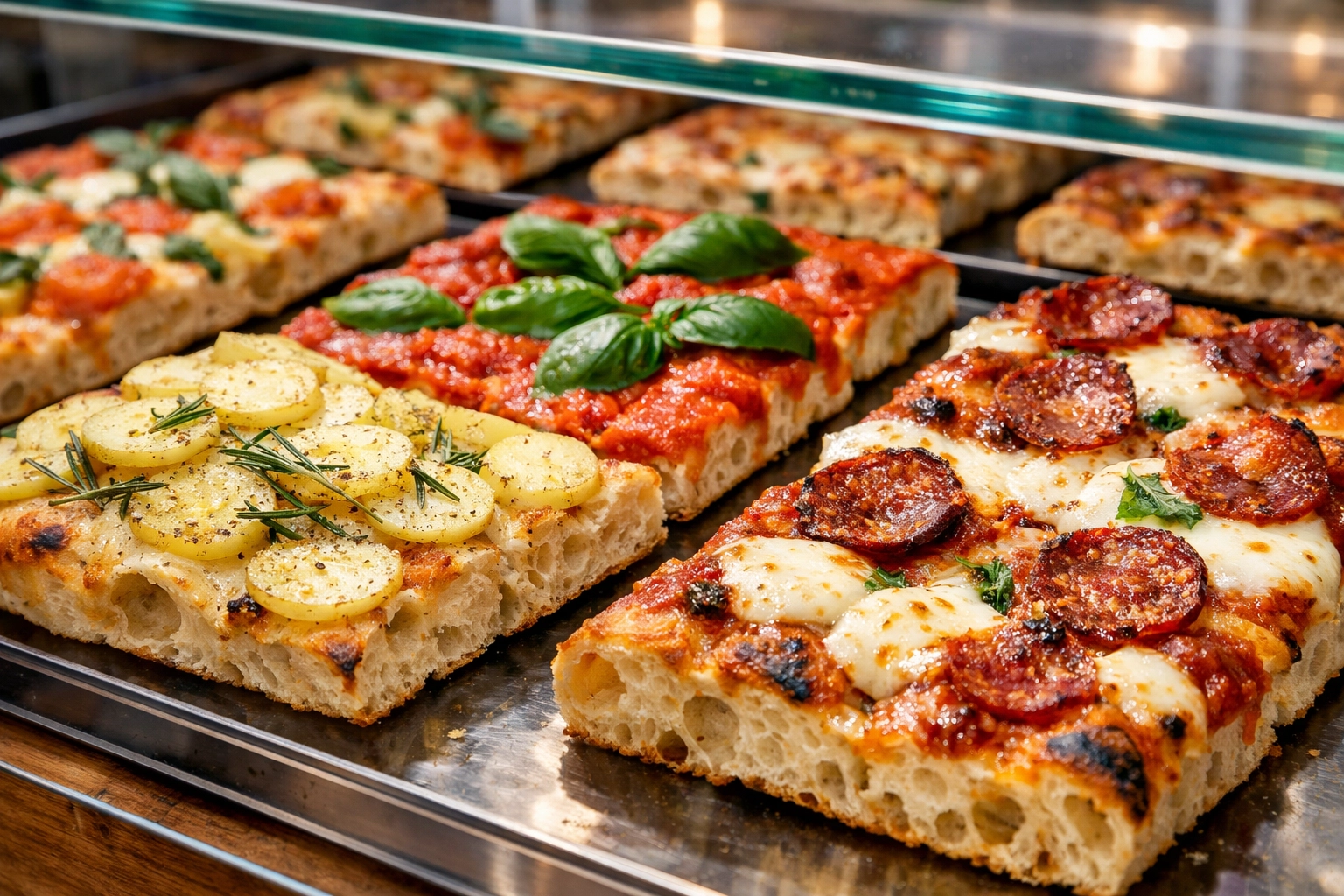
In Rome, pizza isn't just a round pie you sit down to eat at 8 PM. It’s a 24/7 lifestyle. Pizza al Taglio (pizza by the cut) is sold by weight. You walk up to the counter, point at the rectangular tray that looks the most delicious, and use your hands to indicate how big a slice you want. The server snips it with scissors, weighs it, and wraps it in paper.
For the best value, look for Pizzeria La Boccaccia in Trastevere. You can get a generous slice for €2 or €3. Pro tip: try the Pizza Bianca (white pizza) with just olive oil and salt. It sounds boring, but in Rome, the bread is the star of the show.
The Trapizzino Revolution
If you want to experience the modern side of Roman cheap eats, you have to try a Trapizzino. Invented by Stefano Callegari, it’s a cross between a pizza and a sandwich. It’s a triangular pocket of thick, fluffy pizza dough stuffed with classic Roman stews like Polpetta al sugo (meatballs in sauce) or Pollo alla cacciatora (hunter-style chicken).
At around €5, it’s a hearty, mess-free meal that fits perfectly in one hand while you hold your camera in the other. It’s street food at its finest and a testament to why Rome remains one of the top destinations for foodies on a budget. My friend Edin Chavez always says that the best way to see a city is through your stomach and your viewfinder, and the Trapizzino is the ultimate fuel for both.
Markets: Where the Locals Actually Eat
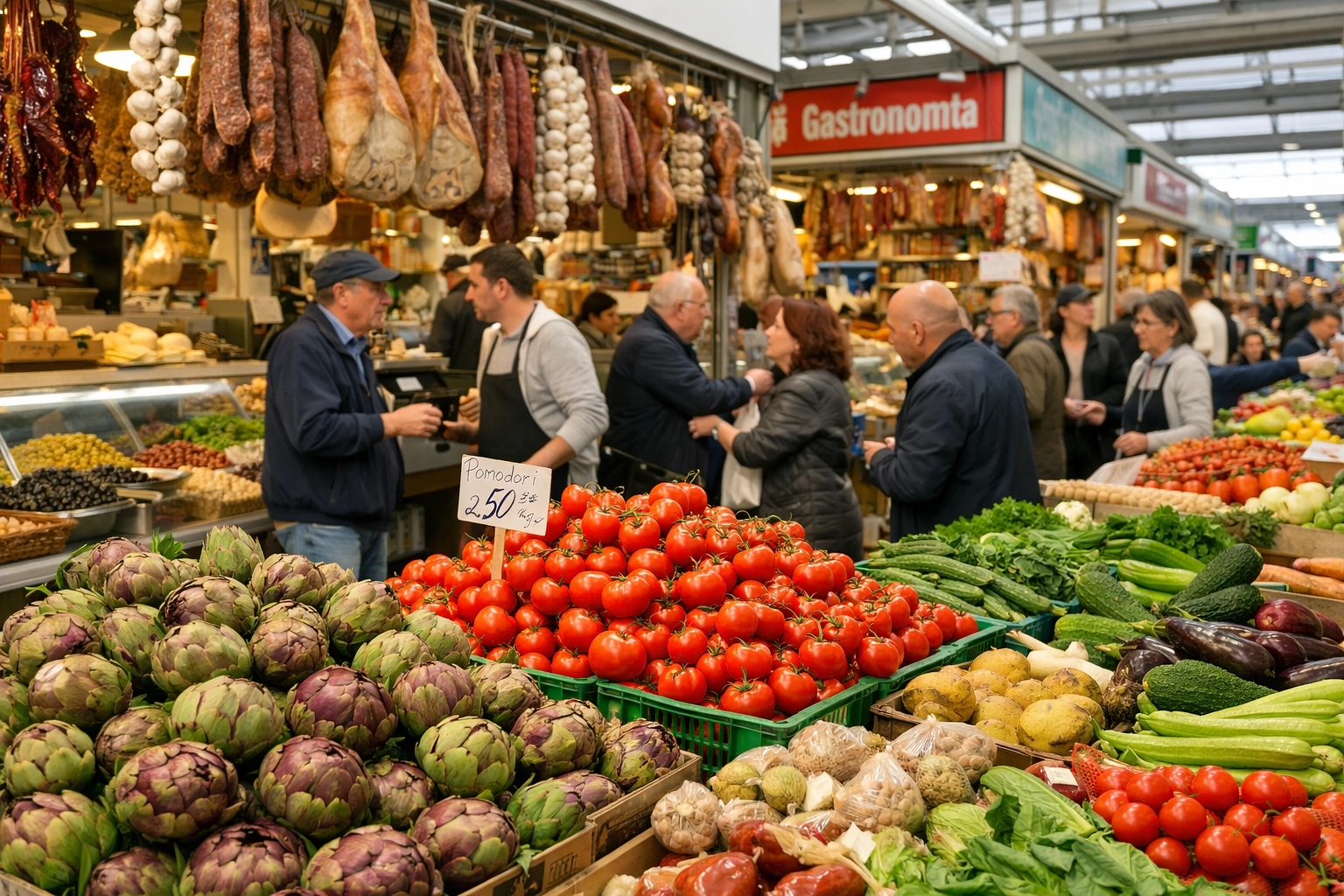
If you want to see where the real Roman magic happens, get out of the city center and head to the Testaccio Market. This is a covered market filled with stalls selling everything from fresh produce to high-end leather shoes. But the real reason to go is the food stalls.
Check out Mordi e Vai. The owner, Sergio, was a retired butcher who decided to start making sandwiches using traditional Roman recipes. For about €7, you can get a sandwich stuffed with brisket or tripe that will keep you full until breakfast the next day.
If you are stuck near the main train station, don’t settle for fast food. Mercato Centrale inside Termini Station is a food hall featuring some of Rome's best chefs. It’s slightly pricier than a street stall but still very affordable, and the variety is unbeatable.
Sit-Down Dining Without the Sticker Shock
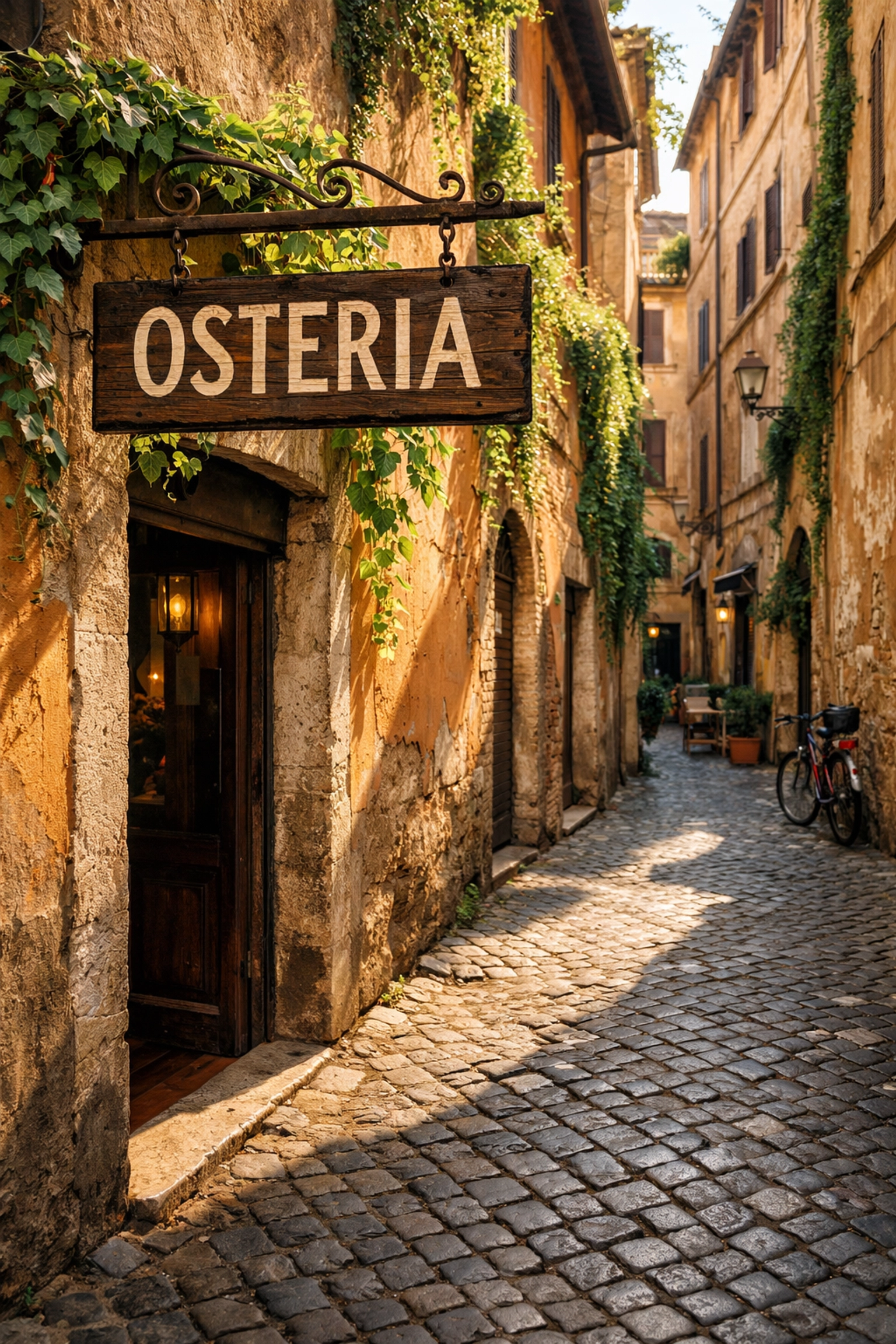
Sometimes you just want to sit down, rest your feet, and enjoy a carafe of wine. For this, you need a Trattoria or an Osteria.
Cesare al Pellegrino and Mastrociccia are fantastic options that maintain a local feel despite being in popular areas. When you sit down, look for the "Vino della Casa" (house wine). Usually, it's served in a liter or half-liter carafe. It’s almost always cheaper than soda or bottled water and surprisingly good.
Another trick to save money is to look for "0km" restaurants like Romolo e Remo. These spots emphasize local ingredients, which keeps transport costs down and quality up. Many of these places also offer "mezza-porzione" (half portions), allowing you to try more dishes for less money.
Photography Tips for Foodies
Since we are Photoguides, I can't let you go without a few tips on how to document these delicious finds.
- Natural Light is King: Always try to grab a table near a window or sit outside. The harsh yellow lights of an indoor trattoria can make even the best pasta look unappealing.
- The "Top-Down" Shot: For pizza al taglio or those colorful market stalls, a flat-lay shot from directly above works wonders.
- Don't Wait: Roman food is best served piping hot. Take your photo in 30 seconds or less: the pasta won't wait for your perfect composition!
Navigating the "Hidden" Costs
To truly master the art of cheap eats in Rome, you need to be aware of a few local quirks that can sneakily add to your bill:
- Pane e Coperto: This is a "bread and cover" charge. It’s usually €1 to €3 per person. It’s standard practice in sit-down restaurants, so don't be surprised when you see it on the bill.
- Water Isn't Free: Unlike in the US, you generally have to pay for bottled water in restaurants. However, Rome has hundreds of Nasoni (drinking fountains) throughout the city with ice-cold, perfectly safe drinking water. Bring a reusable bottle and save yourself €2 every few hours.
- The Coffee Standing Rule: If you drink your espresso standing at the bar, it usually costs about €1. If you sit down at a table, the price can triple. Do like the Romans do: drink it fast, stand at the bar, and save your Euros for more pizza.
Why Rome is a Budget Traveler's Paradise
Rome is one of those rare cities that rewards curiosity. If you stay on the main tourist drags, you'll pay "tourist prices" for mediocre food. But if you wander just two blocks into a side street, follow the smell of baking bread, and look for a place with no English menu, you’ll find a culinary experience that stays with you forever.
Traveling on a budget doesn't mean you have to miss out on the culture. In Rome, the food is the culture. From the €5 pasta bowls at Pastificio Guerra to the savory sandwiches of Testaccio, the Eternal City is waiting to feed you.
For more travel tips, photography insights, and guides to seeing the world without breaking the bank, keep exploring Photoguides. And if you're looking for inspiration on your next shoot, check out the incredible work of Edin Chavez.
Now, grab your camera, get out there, and start eating! Buon appetito!













