
The Art of Capturing Stillness
Embrace the Quiet
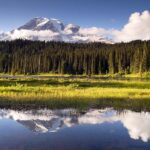
Finding the essence of stillness in mountain photography requires patience and keen observation. Look for moments just before dawn or at dusk when the light softens and the world seems to pause. Fjords and valleys often showcase tranquil surfaces, perfect for reflecting stunning skylines. Pay attention to elements like the way light interacts with the rugged peaks or how a gentle breeze barely stirs the water’s surface. Shoot in long exposure to blur slight movements, transforming a lively scene into a serene landscape, where every detail whispers of peace and solitude.

Key Takeaways:
- Research the best times for natural lighting; sunrise and sunset are ideal.
- Select locations with unobstructed views for wide landscapes.
- Utilize foreground elements to add depth to mountain scenes.
- Incorporate weather variations to enhance mood and drama.
- Experiment with different angles and elevations for unique perspectives.
- Use a tripod for stability, especially in low-light conditions.
- Edit images to enhance colors and contrast while maintaining natural aesthetics.
Elevating Your Gear: The Must-Haves for Mountain Photography
To achieve stunning mountain photographs, selecting the right gear is foundational. Quality equipment enhances your ability to capture the breathtaking landscapes with precision and clarity. Prioritize lightweight and durable options, as you may be hiking for hours. Investing in high-performing gear ensures you’re ready to capture those fleeting moments, whether at sunrise or amidst heavy mist.
Selecting the Right Camera and Lenses
Your camera choice significantly impacts the quality of your mountain photography. A DSLR or mirrorless camera with robust weather sealing can withstand variable mountain conditions. Pair it with a versatile lens, such as a 24-70mm for wide landscapes or a telephoto lens to capture distant details, so you can adapt while shooting.
Essential Accessories for Optimal Performance
Accessories are key to enhancing your photography experience. A sturdy tripod stabilizes shots during long exposures, especially in low light. Filters, like polarizers and ND filters, can help manage reflections and control light exposure. Additionally, carrying extra batteries and memory cards ensures you’re prepared for all-day adventures in remote areas.
Utilizing the right accessories expands your creative possibilities in mountain photography. A tripod, for example, can allow you to achieve long exposures that accentuate motion in flowing water or clouds. Furthermore, a polarizing filter reduces glare and saturates the colors of dramatic skies and vibrant landscapes, while a lens cleaning kit aids in maintaining a clear view, especially in dusty or wet conditions. By being well-equipped, you create an environment where spontaneous ideas become spectacular images.
Timing is Everything: The Magic Hours of Nature Photography
Capturing the breathtaking beauty of mountains relies heavily on timing, particularly during the magic hours of sunrise and sunset. These times transform the landscape, bathing it in soft, warm light that enhances textures and colors. Arriving at your chosen spot early or staying late allows you to witness and photograph the dramatic changes in light that occur as the sun rises or falls.
Understanding Golden Hour and Blue Hour
The golden hour occurs shortly after sunrise and before sunset, characterized by warm tones and elongated shadows that add depth to your images. Conversely, the blue hour occurs just before sunrise and after sunset, where the sky takes on a cool hue, providing a tranquil backdrop that contrasts beautifully with mountainous terrain. Mastering these times will elevate your photography by introducing stunning color contrasts and mood.
Identifying Seasonal Variations in Light
Seasons significantly impact the quality and angle of light available for photography. In spring and summer, longer daylight hours yield more opportunities for golden and blue hour shots, while autumn shows a spectrum of colors as foliage changes. Winter presents unique lighting conditions due to snow reflecting sunlight, creating a bright scene even during shorter days.
Understanding seasonal variations helps you plan your shoots effectively. For instance, in the summer, the sun rises earlier and sets later, offering extended golden hours ideal for capturing vibrant landscapes. During autumn, the sun’s lower trajectory leads to softer light that can highlight the rich fall colors in the mountains. In contrast, winter can create dramatic scenes as low sun angles create long shadows and highlight textures in snow-covered landscapes, making each season’s unique qualities an asset to your photography.

Targeting the Perfect Composition: Framing for Impact
Every great mountain photograph is a balance of elements, and mastering composition amplifies your storytelling. Position yourself thoughtfully, considering how each element within the frame interacts with the majestic peaks. Influence emotional depth and visual interest by incorporating foreground and background layers that guide the viewer’s eye and create a sense of scale.
Utilizing Rule of Thirds and Leading Lines
Incorporating the Rule of Thirds involves dividing your frame into nine equal sections and positioning key elements along these lines or their intersections. This method enhances the visual appeal of your shots. Complement this by using leading lines, such as trails or rivers, to draw attention toward your focal point, effectively guiding viewers through the scene.
Experimenting with Perspective and Foreground Elements
Varying your perspective can radically change the impact of your mountain photographs. Shooting from high above or at ground level introduces unique angles, while incorporating foreground elements, like rocks or plants, adds depth to your images. This layering technique not only enhances dimension but also invites the viewer into your frame.
Consider the effect of altering your viewpoint; getting low to the ground can emphasize nearby subjects, creating a stark contrast with towering mountains in the background. Experiment with different lens focal lengths—using a wide-angle lens can capture expansive landscapes, while a telephoto lens helps isolate features of distant peaks. Incorporating natural frames, like overhanging branches or openings between rocks, can further enhance your composition, adding context and drawing attention to your main subject.
Discovering the Untapped Enclaves: Hidden Photography Gems
Exploring lesser-known locations can yield breathtaking photographs that are often overlooked by the casual traveler. Hidden within mountain ranges, these serene enclaves offer unique perspectives and untouched natural beauty. Seek out secluded valleys, hidden lakes, or panoramic viewpoints that are less frequented. These photography gems not only present striking landscapes but also allow for a more intimate connection with nature, free from the distractions of typical tourist spots.
Off-the-Beaten-Path Locations for Serene Shots
Venture beyond the usual trails to discover locations that boast exquisite stillness and stunning backdrops. Consider areas like the Kolob Canyons in Zion National Park or the remote Mirror Lake in the Sierra Nevada. Such spots often require a bit of hiking, but the reward is unparalleled tranquility and a chance to capture landscapes in their untouched state, ensuring your photographs stand out.
National Parks and Reserves: Top Spots Revealed
National parks and reserves are treasure troves for photographers seeking serene mountain landscapes. Popular choices like Glacier National Park and Banff National Park provide access to jaw-dropping vistas, wildlife encounters, and diverse ecosystems. Key locations within these parks, such as Grinnell Glacier and Moraine Lake, offer incredible opportunities to capture the majesty of nature, particularly during the golden hour.
Each national park harbors unique spots perfect for capturing serene moments. In Glacier National Park, the Going-to-the-Sun Road presents stunning viewpoints that are accessible year-round, while Banff’s lake scenes are renowned for their vibrant turquoise waters. During peak seasons, expect crowds, but visiting during weekdays or dawn can help you find quieter moments to capture impactful images. Your efforts will pay off through breathtaking shots that showcase the true beauty of these natural landscapes.

Fine-tuning Your Editing Skills: Post-Processing Essentials
Post-processing transforms your serene mountain photography, elevating images through skillful editing. Adjustments to exposure, contrast, and color balance can enhance the natural beauty while preserving the calm essence. Focus on subtlety; the goal is to enrich, not overpower, the scene’s tranquility. Mastering these techniques can elevate your work, making the serene beauty of mountains truly shine in your final images.
Software Recommendations for Enhancement
For editing, programs like Adobe Lightroom and Capture One provide powerful tools for color grading and detail enhancement. These applications offer intuitive interfaces, allowing you to adjust settings like shadows and highlights with precision. Additionally, Photoshop is ideal for more advanced retouching and manipulations, enabling you to refine images while maintaining their natural appearance.
Techniques to Maintain Natural Serenity
Avoid heavy-handed filters and over-saturation to keep the serene ambiance intact in your mountain photographs. Utilize techniques like selective sharpening to enhance focal points while leaving less important areas softer. Incorporating natural gradients in colors and using organic textures will help convey the calmness you experienced during your shoot, reflecting the untouched beauty of nature.
Achieving a sense of natural serenity involves careful consideration of your editing approach. Prioritize clean edits that showcase the scene’s true colors and details, avoiding artificial enhancements. Techniques like using the brush tool or gradient filters can help adjust specific areas without disturbing the overall balance. Aim for a soft contrast that reflects how your eyes perceived the scene in person, effectively translating that tranquility into your images.
Final Words
Upon reflecting on your journey through this guide, you are now equipped to capture the serene beauty of mountain landscapes effectively. By selecting the best photography spots and understanding the techniques outlined, you will enhance your ability to convey the tranquility and majesty of nature through your lens. Embrace the moments, utilize the tips shared, and let your photographs inspire others to appreciate the serene allure of mountains.
FAQ
Q: What time of year is best for mountain photography?
A: The ideal time for mountain photography is during late spring and early autumn when colors are vibrant, and weather conditions are generally stable with clear skies.
Q: What time of day provides the best light for photographing mountains?
A: The golden hours, shortly after sunrise and before sunset, offer the best natural light, creating softer shadows and warmer tones.
Q: Are there specific locations that are recommended for mountain photography?
A: Popular mountain photography spots include Banff National Park in Canada, the Swiss Alps, and the Rocky Mountain range in the USA, each offering diverse landscapes and scenic vistas.
Q: What equipment is recommended for capturing mountain landscapes?
A: A DSLR or mirrorless camera with a wide-angle lens (16-35mm) is recommended, along with a sturdy tripod for stability and potentially a polarizing filter to reduce glare.
Q: How can I effectively compose mountain photographs?
A: Use the rule of thirds to position the mountains and foreground elements, leading lines to guide the viewer’s eye, and include foreground interest to add depth to your images.
Q: What settings should I use for landscape photography in the mountains?
A: Use a small aperture (f/8 to f/16) for depth of field, a low ISO (100-200) to reduce noise, and adjust shutter speed according to light conditions, employing longer exposures for atmospheric effects.
Q: How can I enhance the colors in my mountain photos during editing?
A: Adjust contrast and saturation in post-processing, utilize selective color adjustments for specific shades, and apply graduated filters to balance the exposure between the sky and landscape.