

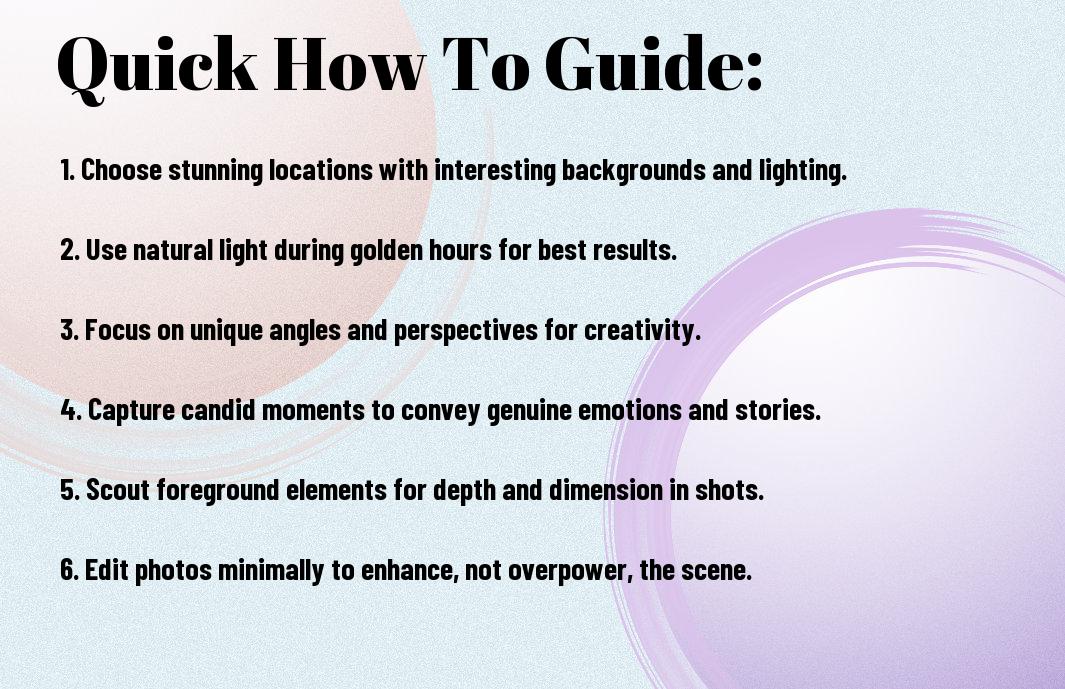
Most travelers want to capture breathtaking moments that evoke memories of their journeys long after they’ve returned home. By mastering a few simple techniques, you can elevate your travel photography and create striking images that tell your unique story. In this guide, you’ll discover practical methods to enhance your skills, explore composition tips, and learn how to use natural light to your advantage, ensuring every shot reflects the beauty of your adventures.
Essential Photography Equipment
Your travel photography toolkit should include quality equipment that elevates your shots. While you don’t need the most expensive gear, having the right camera and accessories can make a significant difference in capturing those unforgettable moments on your adventures. Prioritize lightweight options for ease of transport, and ensure you have backups for imperatives, as travel can be unpredictable.
Camera Selection for Different Travel Scenarios
Camera choice depends on your travel style and the environments you’ll encounter. For urban landscapes, a mirrorless or DSLR with a versatile zoom lens offers flexibility. In nature, a compact camera or smartphone may suffice, but investing in a rugged model is wise for outdoor excursions. Always consider portability and image quality based on your destination.
Must-have Accessories and Backup Solutions
With the right accessories, you can enhance your travel photography experience. Essential items include extra batteries, memory cards, and a portable charger to ensure you never miss a shot. A compact tripod can stabilize your camera for long exposures, while a good camera bag keeps your gear organized and protected.
This combination not only safeguards your equipment but also assists in various shooting scenarios. A lens cleaning kit helps maintain image clarity, and a portable hard drive or cloud storage serves as backup to prevent data loss. By being prepared with these imperatives, you can focus on capturing stunning images without worry.

Pre-Travel Photography Planning
You can enhance your travel photography by planning ahead. Prior to your trip, take the time to identify locations that intrigue you and consider the best times to capture them. This proactive approach will allow you to maximize your opportunities and ensure that you capture the essence of each place you visit.
Researching Locations and Optimal Shooting Times
Researching potential photography spots can greatly impact the quality of your images. Look for popular landmarks, hidden gems, and recognize the golden hours during sunrise or sunset when natural lighting is at its finest. Utilize online resources and photography forums to find recommendations that suit your style and preferences.
Creating a Shot List and Visualizing Compositions
An organized shot list can serve as a roadmap for your photography journey. Jot down your desired images and visualize compositions that excite you, ensuring that you capture varied perspectives and moments during your travels.
To create an effective shot list, consider the diversity of your travel experience. Think about the landscapes, cultures, and people you’ll encounter, and make note of specific images you want to capture. This foresight helps you visualize your compositions, including framing, angles, and focal points. Engaging with your surroundings while keeping your shot list handy ensures that you fully experience each moment, blending attentive observation with purposeful photography.
Mastering Technical Factors
After you have an idea of what to capture, mastering the technical factors can elevate your travel photography. Focus on these vital elements:
- Understanding composition techniques
- Manipulating exposure settings
- Controlling depth of field
- Choosing the right lens for the scene
Thou can create stunning images by applying these principles effectively.
Understanding Lighting Conditions in Various Environments
Environments have a significant impact on the quality of your travel photos. Natural light can vary greatly depending on the location and time of day, influencing how your subjects appear. Whether you’re shooting in bright sunlight, shady forests, or urban settings at dusk, being attuned to the lighting conditions will help you determine the best angles and settings. Pay attention to the shadows and highlights to create depth and interest in your images.
Adjusting Camera Settings for Different Situations
Various situations call for specific camera settings that can greatly enhance your photos. Adjusting your ISO, aperture, and shutter speed based on your environment is vital. For instance, in low-light conditions, you might increase your ISO to capture more detail without blur. Conversely, during brightly lit days, lowering your ISO and narrowing your aperture can prevent overexposure. By learning to adapt your camera settings quickly, you will be better equipped to seize those fleeting travel moments.
Another important aspect is to understand how your camera reacts in different situations. If you’re capturing fast-moving subjects, a higher shutter speed will freeze motion and prevent blurriness. For landscapes, a smaller aperture allows for greater depth of field, ensuring both foreground and background are sharp. Experiment with these settings to find the balance that works for your style and subjects. The more you practice adjusting settings on the fly, the more prepared you’ll be to capture stunning shots.

Composition Techniques for Travel Photography
Now that you’ve captured the stunning sights around you, mastering composition techniques can elevate your travel photography to the next level. By understanding the fundamentals, you can create visually engaging images that tell a story. Experiment with different angles, maintain a clear focal point, and don’t shy away from breaking traditional rules when inspired. Your goal is to capture the essence of your travels while keeping your compositions fresh and compelling.
Rule of Thirds and Leading Lines in Landscapes
Lines within your frame can guide the viewer’s eye and create depth in your landscapes. By applying the rule of thirds, you can position key elements along grid lines or at their intersections, generating balance and interest. Additionally, look for natural leading lines—like roads, rivers, or pathways—that draw the viewer deeper into the scene. These compositional strategies transform ordinary landscapes into captivating images that evoke emotion and curiosity.
Framing Techniques for Architectural Subjects
Assuming you are in front of an impressive architectural landmark, framing techniques can enhance your photo dramatically. Use natural elements like trees, doorways, or arches to create a frame around your subject, guiding the viewer’s focus directly to the architecture. This technique adds context and layers to your image, making it more intriguing and dynamic. Play with perspective by getting low or high to create unique compositions that showcase the building’s details.
Landscapes often comprise architectural subjects that can benefit from thoughtful framing. Utilize vehicles, locals, or nearby structures to provide context, enriching the story behind your shot. Tight framing can accentuate intricate details, while wider shots showcase the architectural marvel in its environment. Experiment with various framing elements until you find a balance that captures both the essence of the architecture and its relationship to the surrounding landscape. Your ability to frame these subjects can turn a simple snapshot into a striking visual narrative.
Capturing Authentic Cultural Moments
Despite the allure of picturesque landscapes, the heart of travel photography lies in capturing authentic cultural moments. Engaging with local customs, traditions, and people allows you to create striking images that tell a story. By immersing yourself in different cultures, you can document the spirit of a place and its inhabitants, leading to memorable photographs that resonate with your audience.
Approaching and Photographing Local People
Any photographer can enhance their storytelling by connecting with local people. Approach them with respect and genuine curiosity about their culture. Ask if you can take their picture, which often leads to a more relaxed and candid atmosphere. When you capture people in their daily lives, you create portraits that reveal their unique stories and showcase the essence of a destination.
Documenting Cultural Events and Traditions
Assuming you have the chance to witness local festivities, take advantage of these vibrant occasions to enrich your photography. Cultural events and traditions provide an excellent opportunity to capture the essence of a community, reflecting its heritage and values. Whether it’s a festival, a dance, or a ceremony, focus on the emotions and interactions among participants, as these moments convey a powerful narrative.
Local celebrations often involve elaborate costumes, traditional music, and dance, offering countless opportunities for dynamic shots. Pay attention to the interactions between individuals, as well as the surroundings that help contextualize the event. By participating in these celebrations, you deepen your understanding of the culture and can create authentic images that illustrate the vibrancy and significance of the occasion.

Post-Processing Tips for Travel Images
Many photographers underestimate the power of post-processing in enhancing travel images. To elevate your photos, consider these tips:
- Adjust the exposure and contrast for a more dramatic effect.
- Crop to improve composition and remove distractions.
- Utilize color correction to make your images pop.
- Apply sharpening techniques to enhance detail.
- Experiment with filters for a unique style.
Recognizing the importance of these methods can transform your travel photography into captivating visuals.
Essential Editing Workflows for Travel Photos
Travel photography often requires a structured editing approach to streamline your workflow. Start by importing images into a designated editing software, then categorize them based on location or event. Apply basic adjustments like exposure and white balance first, followed by more specific edits such as cropping and color grading. Finally, consider creating presets to speed up your editing process for future projects.
Organizing and Backing Up Your Travel Portfolio
Organizing your travel images and maintaining a solid backup system is vital for preserving your portfolio. Begin by sorting your photos into well-defined folders by year, location, or event, making it easy to locate specific images when needed. Utilize cloud storage solutions alongside external hard drives for reliable backups, ensuring that your hard work is protected against any data loss.
It is important to routinely review your organization system, making any necessary adjustments as your portfolio grows. Create a habit of backing up new images promptly and routinely purging files you no longer wish to keep. Consider tagging or labeling images for easier retrieval, and leverage database software if your collection becomes extensive. This systematic approach not only safeguards your portfolio but also boosts your efficiency when searching for and showcasing your best travel shots.
Final Words
So, as you commence on your travel adventures, keep these simple how-to methods in mind to elevate your photography skills. Focus on composition, utilize natural light, and explore unique angles to make your images stand out. Experiment with different perspectives and subjects to tell a story through your lens. By applying these tips, you can create photographs that not only capture your experiences but also evoke emotions and memories for years to come. Happy snapping!













