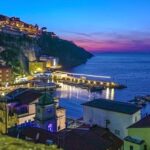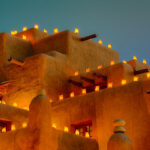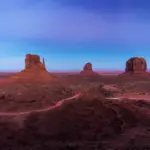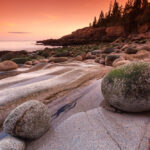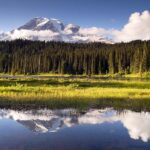

Capture breathtaking moments during your travels with these important photography tips designed specifically for beginners. With your camera settings optimized and a keen eye for composition, you can transform ordinary scenes into extraordinary images. Prioritize lighting to enhance your photos and explore different perspectives to add depth to your shots. By practicing these techniques, you’ll develop your unique style and create lasting memories that reflect your journey.

Key Takeaways:
- Use natural light whenever possible for better color and clarity.
- Experiment with different angles and perspectives to add interest.
- Incorporate people in your shots to convey the essence of a location.
- Practice composition techniques like the rule of thirds for balanced images.
- Carry a tripod for stability, especially in low-light conditions.
- Edit photos to enhance colors and clarity, but avoid over-editing.
- Study the work of other photographers for inspiration and techniques.

Essential Gear: Unlocking Your Camera’s Potential
Choosing the Right Camera for Travel
Selecting the right camera significantly impacts your travel photography experience. Consider options like DSLRs for versatility, mirrorless cameras for lightweight portability, or compact cameras for ease of use. Each type offers unique benefits, such as a DSLR’s range of lenses or a compact camera’s quick accessibility. Prioritize factors like image quality, battery life, and weather resistance, ensuring that your camera suits varied environments and conditions you may encounter during your adventures.
Must-Have Accessories for Adventurers
To enhance your travel photography, several accessories can elevate your shoots. A sturdy tripod allows for long-exposure shots and stable frames in challenging light situations. Extra batteries and memory cards ensure you don’t miss a moment while on the move. A lens cleaning kit and polarizing filters help maintain image clarity and vibrant colors, especially in outdoor settings. Don’t overlook a lightweight camera bag that offers protection and easy access to your gear.
Additional accessories, like a versatile zoom lens, can broaden your compositional options, capturing sweeping landscapes or detailed close-ups without the need for multiple lenses. A portable external flash is beneficial for low-light situations or when shooting indoors. Adding a remote shutter release makes it easier to take group photos or long-exposure shots without camera shake. Every piece of gear should serve a purpose, enhancing your ability to capture stunning images throughout your travels.
Mastering Composition: Framing Your World
Your travel photography can transform with the mastery of composition, allowing you to create impactful images that tell compelling stories. By understanding various compositional techniques, you can showcase landscapes, cultures, and experiences in a way that captivates viewers. Experimenting with framing and perspective will help you discover new dimensions in your photography, leading to stunning visual narratives.
The Rule of Thirds: A Beginner’s Guide
Applying the Rule of Thirds can significantly enhance your composition skills. Imagine dividing your image into nine equal segments with two horizontal and two vertical lines. Positioning key elements along these lines or at their intersections helps create balance and interest. For instance, placing the horizon on the upper or lower third rather than in the center draws the eye and adds drama to your landscape shots.
Leading Lines and Natural Frames: Creating Depth
Utilizing leading lines and natural frames adds depth and perspective to your images. Lines from roads, rivers, or pathways guide the viewer’s eye to the main subject, creating a sense of journey. Meanwhile, elements like arches or trees can frame your subject, emphasizing its importance within the scene. Together, these techniques contribute to a more engaging visual experience.
For example, a photo taken along a winding path can invite viewers to imagine walking down that route, while a shot framed by overhanging branches draws attention directly to the focal point. This not only creates a three-dimensional feel but also enhances the emotional connection with the image. By incorporating leading lines and natural frames, you enhance the storytelling aspect of your travel photography, ensuring that viewers feel drawn into the scene rather than just observing it. Always look for ways to lead your audience deeper into the frame, making every shot an immersive experience.
Harnessing Natural Light: A Photographer’s Best Friend
Natural light transforms your travel photography, enhancing colors and depth. Prioritize outdoor settings during daylight, and utilize various sources of light, such as the sun or the sky’s nuances. Understand how to manipulate light for stunning effects; it can elevate a standard shot into something breathtaking. You’ll find that avoiding harsh midday light often leads to the best results, encouraging you to explore techniques like backlighting and silhouettes to add artistic flair to your images.
Golden Hour Magic: Why Timing Matters
The golden hour, occurring shortly after sunrise and before sunset, offers a warm, glowing light that flatters landscapes and subjects. This mystical time softens shadows and enhances colors, creating remarkable visuals. Planning your shoots around these moments can yield photos with unmatched beauty and atmosphere, allowing you to capture breathtaking scenes with minimal editing.
Exploring Shadows and Highlights: Adding Drama to Your Shots
Varying light conditions can introduce captivating shadows and highlights, enriching your photographs. Utilizing contrasts draws viewers’ attention to focal points, giving your images more dimension and interest. Seek out opportunities to capture interplay between light and darkness in your compositions to evoke emotions or convey stories effectively.
Dramatic shadows can redefine ordinary scenes, emphasizing textures and shapes that might otherwise go unnoticed. For example, a lone tree can appear heroic against a sunset backdrop, while shadows cast by architectural features can add a sense of depth and perspective. Experimenting with these elements not only enhances visual appeal but also encourages viewers to engage more deeply with your imagery, prompting them to explore every corner of the frame and connect with the narrative you present. This dynamic approach ultimately elevates your travel photography from simple documentation to an art form that resonates.

Capturing Culture: Documenting Authentic Moments
To truly capture the essence of a place, you must document the authentic moments that define its culture. Focus on everyday activities, local festivals, and traditions that showcase the community’s spirit. Candid shots of people engaging in their daily lives can reveal a deeper narrative than posed portraits. Always be observant and ready to click the shutter when a genuine interaction occurs. These images will resonate with viewers, giving them a sense of the culture beyond popular tourist attractions.
Engaging with Locals: The Art of Human Connection
Building connections with locals enriches your travel photography experience. Approach people with respect and genuine curiosity, allowing conversations to unfold. A simple smile can open doors, leading to intimate moments perfect for capturing. When you engage with your subjects, you not only gain their trust but also discover unique stories worth telling through your lens.
Telling Stories Through Visuals: Beyond Just Landscapes
Shifting your focus from landscapes to the narratives behind travel destinations transforms your photography. Use your camera to document interactions, traditions, and artisan skills that breathe life into your images. Highlighting local markets, street performers, or craftsmen at work can provide a compelling context that landscapes alone cannot offer. This approach draws viewers into the scene, making them feel connected to the culture.
Diving deeper, consider capturing the emotions and expressions of people within their environment as powerful storytelling elements. Utilizing techniques like close-ups on hands crafting goods or a child engaged in play offers a glimpse into the culture’s heartbeat. Experiment with different compositions, combining human elements with their surroundings for compelling, layered storytelling. Memorable images come from the stories they tell, inviting viewers to experience your journey intimately.
Post-Processing: Elevating Your Shots to New Heights
Post-processing is where your images truly come to life. With the right techniques and tools, you can enhance the details, colors, and overall mood of your photographs. Even simple adjustments can transform a good snapshot into a stunning work of art. The key is to strike a balance—enhance your image without overdoing it. By learning some basic editing techniques, you can take your travel photography from ordinary to extraordinary.
Editing Basics: Simple Software for Beginners
Start editing your photos with user-friendly software like Adobe Lightroom or free applications such as GIMP and Snapseed. These tools provide intuitive interfaces and imperative features like cropping, exposure adjustments, and filters. You don’t need advanced skills; just take time to explore their capabilities. Trying out different presets can also save you time while achieving consistent results. This approach allows you to grow your editing skills gradually.
Enhancing Color and Sharpness: Quick Tips for Stunning Results
Boosting color and sharpness can dramatically improve your images. Adjust the vibrance and saturation to make colors pop without distorting them. Sharpen your photo subtly to enhance detail while avoiding graininess. Always check the histogram to ensure your adjustments don’t lead to clipping. Simple tools like sliders can offer significant improvements, allowing for quick enhancements that elevate your visuals. This ensures your travel photos capture the vibrancy of your experiences.
- Color enhancement via vibrance and saturation adjustments.
- Sharpening images carefully for detail without graininess.
- Using histograms to avoid clipping when editing.
- Slider tools for quick adjustments on software.
For enhancing color and sharpness, focus on tools that allow for selective adjustments, such as targeted color correction and localized sharpening. This technique helps retain the natural feel of the image while improving its appeal. Experimenting with saturation can yield vivid landscapes without overwhelming the viewer. Explore various settings and remember to zoom in to fine-tune precision adjustments for optimal results. This dedication to detail enhances the overall quality of your travel photography.
- Selective adjustments improve natural feel and appeal.
- Localized sharpening retains focus on key details.
- Targeted color correction enhances specific areas effectively.
- Experimenting with settings builds editing confidence over time.
To wrap up
With these considerations in mind, you can elevate your travel photography skills and capture breathtaking moments on your journeys. Focus on lighting, composition, and the unique stories behind each shot. Experiment with different angles and techniques to find your personal style. Always be ready to adapt to changing environments and embrace spontaneity. Your passion for exploration and creativity will shine through in your photos, turning ordinary scenes into stunning visuals that reflect your adventures.
FAQ
Q: What are the basics of travel photography for beginners?
A: Understanding composition, lighting, and perspective is imperative. Begin with the rule of thirds, utilize natural light during golden hours, and experiment with different angles to create dynamic images.
Q: What camera settings should I use for travel photography?
A: Use a low ISO setting for bright conditions to minimize noise, a higher aperture for depth of field, and a fast shutter speed to freeze motion. Shooting in manual mode allows you to control exposure settings based on the scene.
Q: How can I improve my travel photography skills on location?
A: Practice by shooting in various environments, try different styles such as portrait, landscape, and candid shots, and seek feedback from fellow photographers or online communities to refine your technique.
Q: What should I consider when choosing locations for photos?
A: Research popular landmarks, local culture, and hidden gems. Consider the time of day for lighting and the best angles or viewpoints to capture each site effectively.
Q: How important is post-processing in travel photography?
A: Post-processing enhances your images by adjusting exposure, contrast, and color balance. Familiarize yourself with editing software like Lightroom or Photoshop to elevate your final results.
Q: Should I invest in specific gear for travel photography?
A: While a quality camera and lens are important, consider compact and lightweight gear for convenience. A versatile zoom lens and a sturdy tripod can be beneficial without adding significant weight.
Q: How can I tell a story through my travel photographs?
A: Capture a mix of landscapes, portraits, and details that reflect the culture and environment. Use sequential shots to create a narrative and focus on emotions or unique experiences to engage viewers.