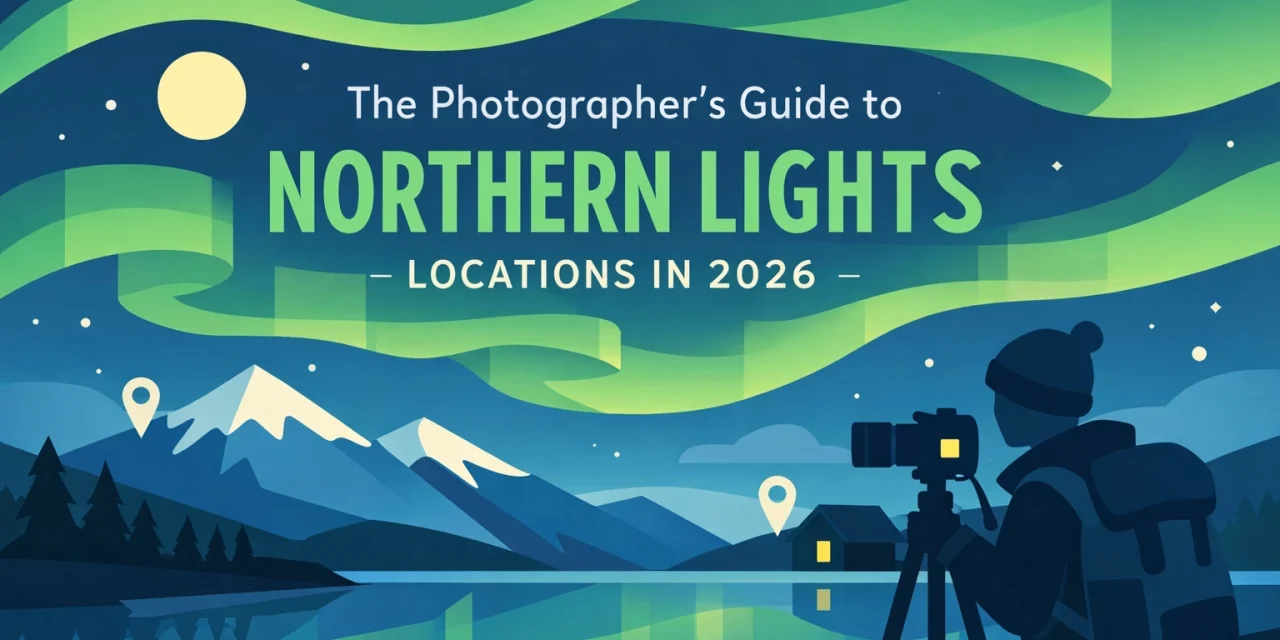
If you've ever dreamed of photographing the aurora borealis dancing across the night sky, you're in luck, we're currently right in the sweet spot of aurora season. With February winding down, you've still got a few prime weeks to catch this natural light show before the season wraps up in late March.
Let me walk you through the best locations to capture the northern lights in 2026, along with some practical tips that'll help you come home with shots you're actually proud of.
Why Location Matters More Than You Think
Here's the thing about northern lights photography: gear matters, sure, but location is what separates "I saw some green in the sky" from "I captured something truly magical." You need three key ingredients, dark skies, clear weather, and positioning within the aurora zone. Miss any of these, and you're basically just standing in the cold looking at clouds.
The good news? Some locations have mastered this formula better than others.
Abisko, Sweden: The Gold Standard
If there's one place that consistently delivers for aurora photographers, it's Abisko. Lonely Planet didn't rank it as the world's best aurora destination for nothing. What makes Abisko special is its microclimate, this place gets less precipitation than anywhere else in the aurora zone, which translates to clearer skies when everywhere else is socked in with clouds.
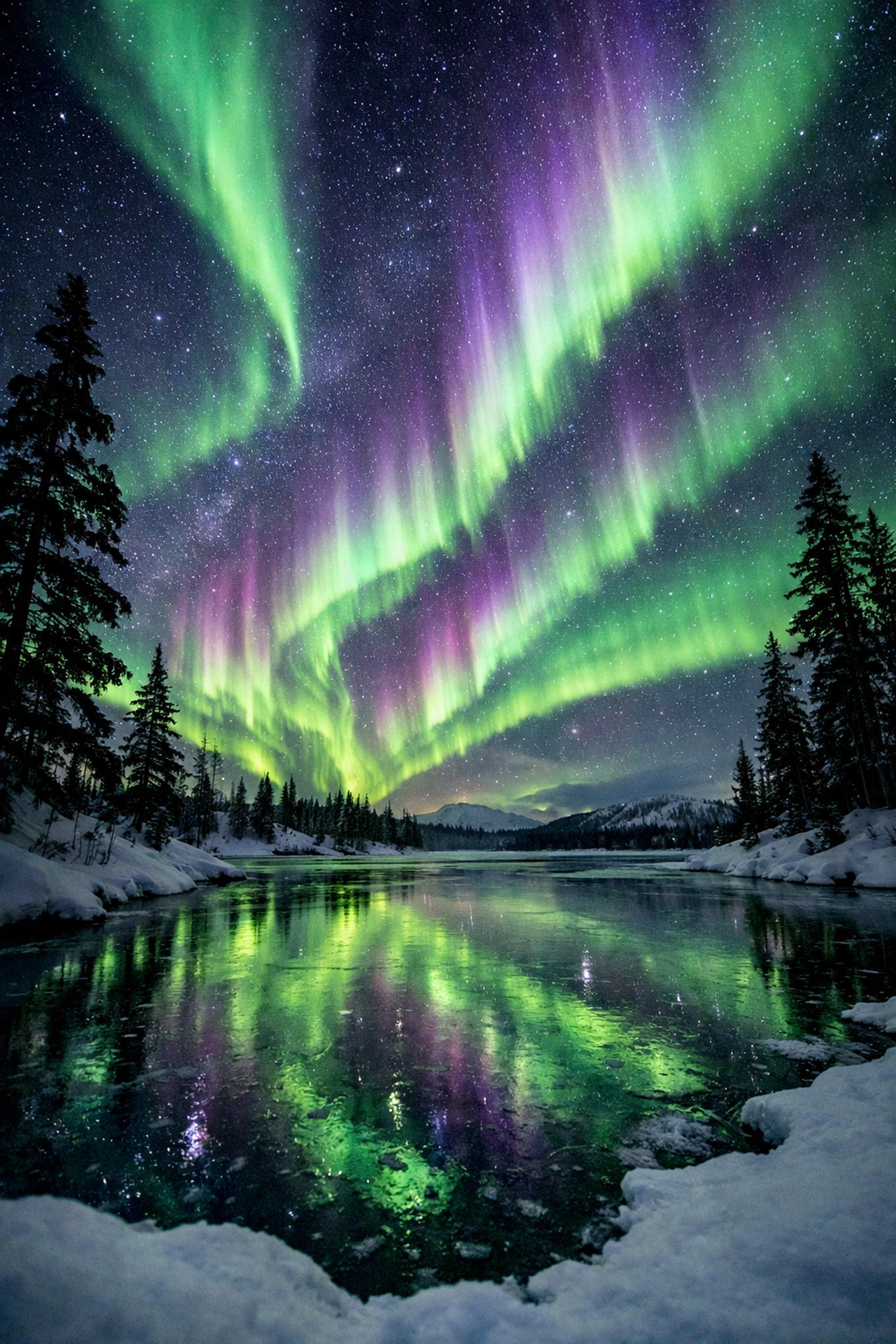
The area sits protected between mountain ranges, creating a natural weather shield. When you're planning your aurora adventure, Lake Torneträsk near Abisko should be at the top of your list. Locals have a saying: "When clouds cover northern Sweden, Abisko stays clear." That's the kind of reliability you want when you've traveled thousands of miles with camera gear.
For more location-specific guides and photography tips, check out the resources at Photoguides, they've got detailed breakdowns that complement your planning.
More Swedish Gems Worth Your Time
Beyond Abisko, Sweden offers several other locations that photograph beautifully:
Midnattssolstigen in Kiruna gives you easy access right beside town, with snow-covered forests providing those foreground elements that make aurora shots pop. There's nothing quite like green auroras reflecting off pristine white snow and dark spruce silhouettes.
Nikkaluokta, about 35km from Kiruna, features those iconic red lakeside cabins that look incredible reflected in the frozen Laukkujärvi Lake. The dark skies here are exceptional, and the combination of traditional architecture with aurora overhead creates shots that tell a story.
Iceland: Drama Meets Aurora
Iceland brings something different to the table, volcanic landscapes that add serious drama to your compositions. The country's diverse terrain means you can shoot auroras over black sand beaches, glacial lagoons, and distinctive mountain peaks all in one trip.
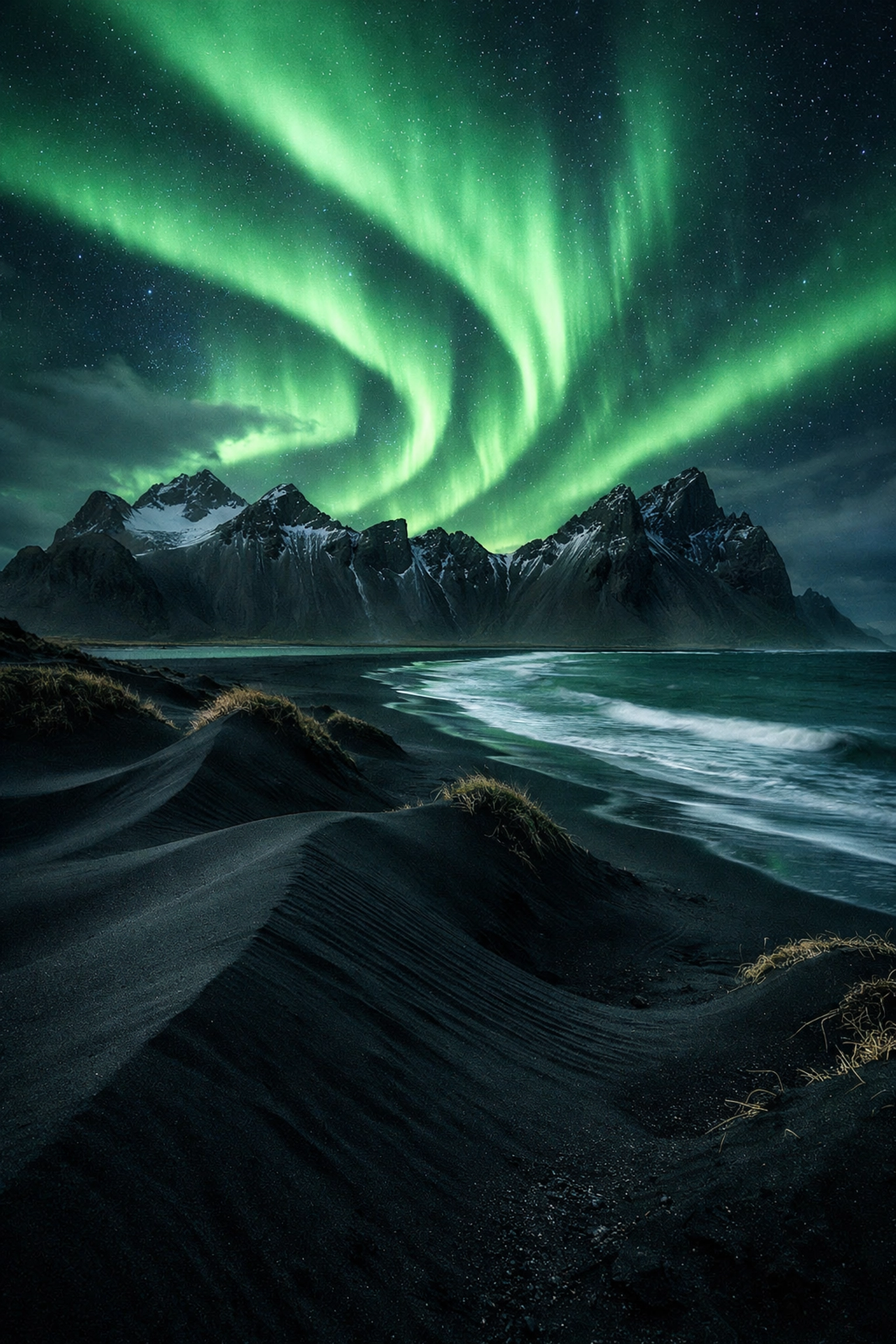
Stokksnes on the southeast coast delivers that otherworldly black sand beach aesthetic with volcanic dunes and mountain ranges framing your aurora shots. Jokulsarlon Ice Lagoon is another standout, floating icebergs reflect the aurora in water year-round, creating ethereal double-exposure effects without any post-processing trickery.
And then there's Kirkjufell, that distinctive peak that's become Instagram-famous for good reason. Fair warning though: weather luck is essential here. When conditions align, you'll understand why photographers keep coming back.
Lon Valley offers something for the landscape photography purists, distant mountains with a dirt road leading into the frame, providing that sense of scale and journey that makes aurora images feel more profound than just "pretty lights in sky."
Finland's Frozen Forests
Finland takes a different approach with its glass igloo experiences and frozen forest photography opportunities. Locations like Inari, Syöte, Ruka, and Kuusamo offer that quintessential winter wonderland aesthetic, think aurora over snow-laden pines and frozen lakes.
The glass igloos are touristy, yes, but they actually solve a practical problem: shooting auroras in -20°C gets brutal. Having a warm retreat where you can monitor the sky and dash out when the lights intensify? That's just smart planning.
Alaska: The North American Option
Not everyone wants to deal with European time zones and long-haul flights. Fairbanks, Alaska provides excellent aurora viewing without the passport hassle for US-based photographers. Package tours range from single-day trips to week-long expeditions, and the aurora zone positioning is solid.
Alaska also wins points for English-language everything and familiar logistics. Sometimes reducing travel friction means you arrive fresher and more focused on actually taking photos rather than navigating foreign transportation systems.
Timing Your Aurora Adventure
Since we're currently in late February, you're actually at an ideal moment. Aurora season runs from late September through late March, and the prime viewing window each night is between 10 p.m. and 2 a.m. local time.
You've got a few weeks left before the season wraps up, so if you're serious about this, now's the time to book. The equinox periods (late March and late September) traditionally show increased aurora activity, but honestly, any clear night within the season can deliver.
Pro tip: Plan for at least three nights at your chosen location. Aurora photography is a volume game: the more nights you're out there, the better your odds of catching a strong display.
Gear Talk (But Keep It Simple)
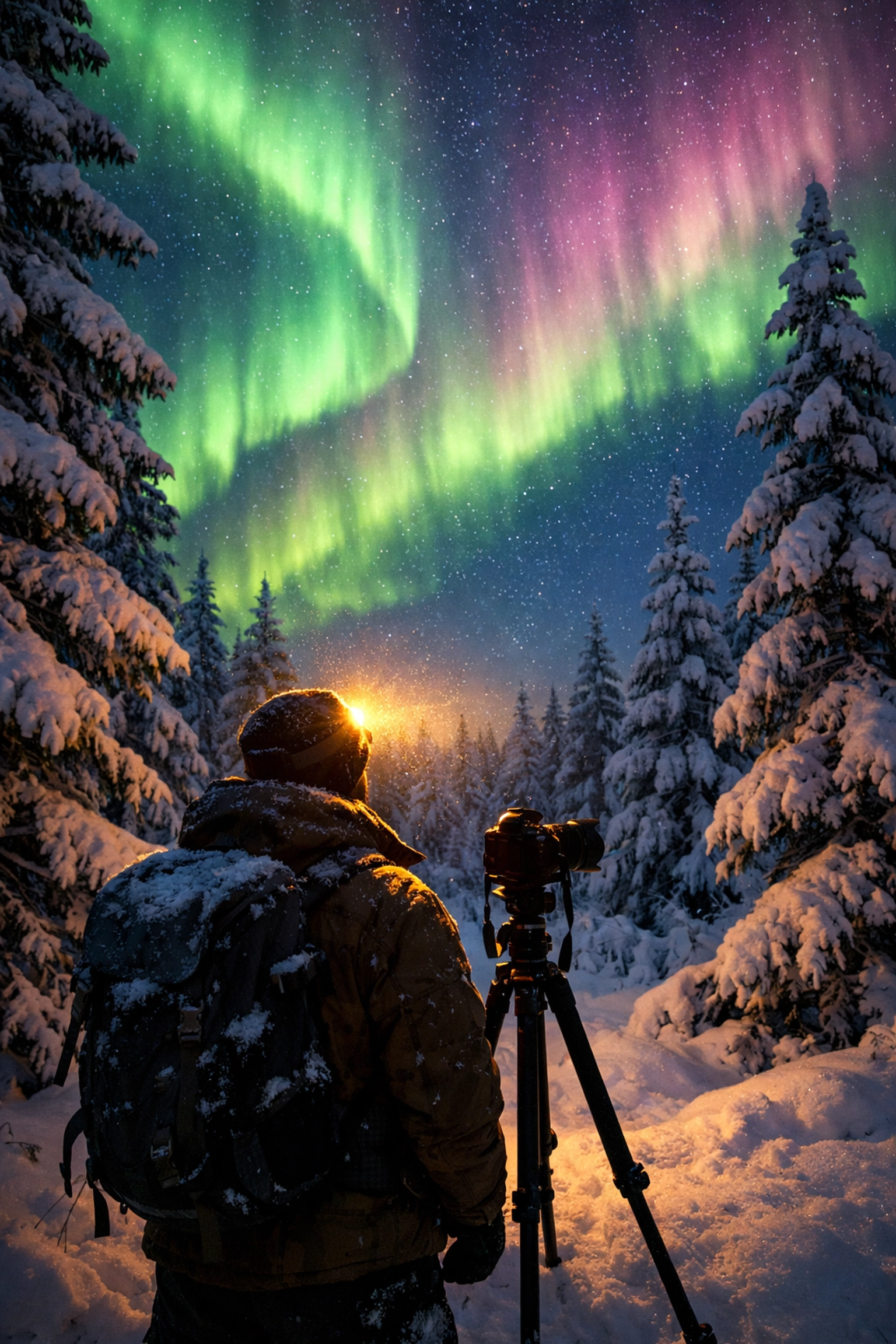
I won't bog you down with endless gear lists, but here's what actually matters: a camera that handles high ISO well, a fast wide-angle lens (f/2.8 or wider), and a sturdy tripod. Everything else is optional.
If you're looking to level up your overall photography workflow beyond just aurora shots, ProShoot offers tools that can help streamline your post-processing and client delivery: useful if you're planning to turn these aurora adventures into something more than just personal projects.
The Reality Check You Need
Let me be straight with you: aurora photography requires patience. You'll stand in the cold, sometimes for hours. You'll have nights where nothing happens. You'll question your life choices while your fingers go numb changing camera settings.
But when those lights start dancing? When your camera captures that ethereal green glow rippling across the sky? That's when everything clicks into place.
The key is choosing locations that maximize your success rate while minimizing the variables you can't control. That's why places like Abisko top the list: they've already solved the weather equation for you.
Making It Happen
Here's your action plan: Pick your location based on your travel comfort level and budget. Book at least three consecutive nights. Check aurora forecasts obsessively the week before (apps like Aurora Forecast are your friend). Pack warm clothes: colder than you think necessary. Bring backup batteries because cold kills them fast.
Most importantly, don't get so caught up in getting the perfect shot that you forget to actually experience the aurora with your own eyes. Take some photos, sure, but then put the camera down for a few minutes and just watch. These moments are rare.
The northern lights don't care about your shot list or your Instagram feed. They do their dance whether you're ready or not. Your job is simply to be there, prepared, in a location that gives you the best possible chance of witnessing something extraordinary.
For more photography location guides and practical shooting tips, visit Photoguides where we break down everything from gear essentials to location-specific shooting strategies.
Now get out there and chase some lights. The aurora season's ticking away, and those green curtains aren't going to photograph themselves.