
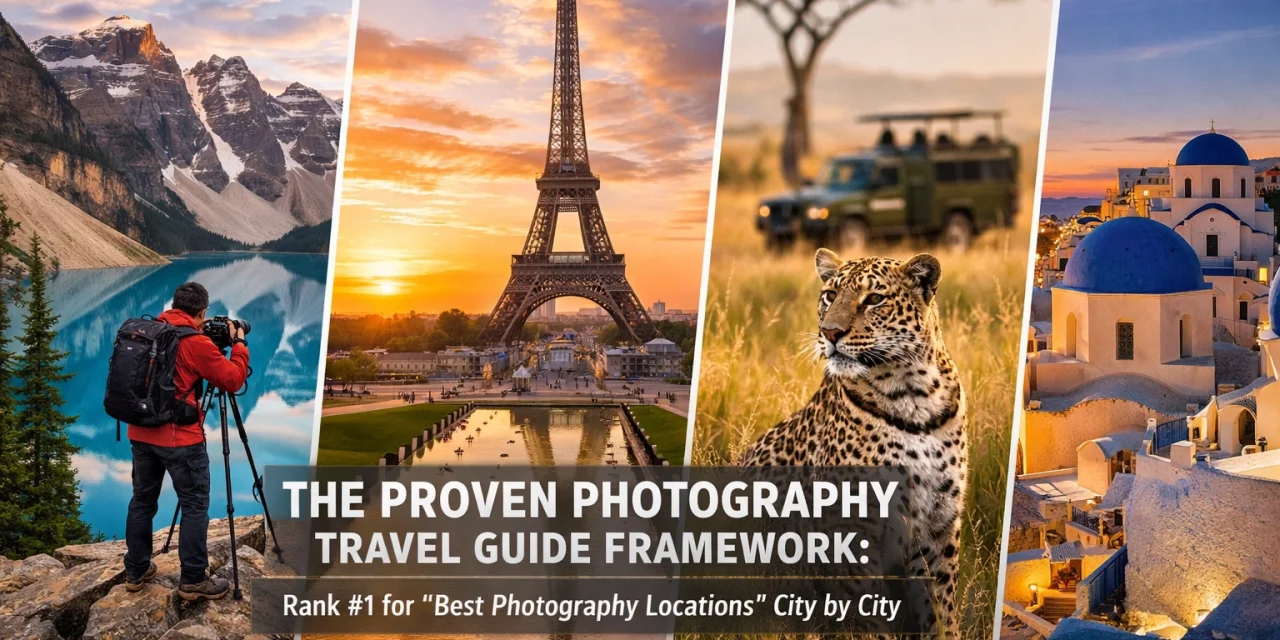
Travel photography has changed. In 2026, it’s no longer enough to just show up at a famous landmark, point your camera, and hope for the best. The world is saturated with images, and search engines: not to mention AI-driven discovery tools: are becoming incredibly discerning. If you want your work to stand out, or if you’re building a brand that aims to rank #1 for "best photography locations" in any given city, you need a repeatable, high-impact framework.
At Photoguides, we’ve spent years refining how we document the world. Whether you’re scouting hidden gems in a bustling metropolis or looking for the perfect long exposure on a remote coastline, success comes down to a blend of digital intelligence and physical intuition.
In this guide, I’m going to break down the exact framework we use to dominate search rankings and capture world-class imagery, city by city.
The Shift in 2026: Authenticity Over Automation
As AI photography trends continue to evolve, we’ve reached a fascinating crossroads. AI can generate a perfect sunset over the Eiffel Tower in seconds, but it cannot replicate the soul of a moment captured through a lens. This year, "authenticity" is the highest-value currency in the industry.
The framework we use isn't just about finding the spot; it’s about documenting the experience. When people search for "photo spots near me," they aren't just looking for coordinates; they are looking for a guide that reassures them they’ll get the shot while enjoying the journey.
Phase 1: The Digital Scouting Blueprint
Before you even pack your bags, the "Rank #1" framework begins at your desk. We use a three-tier scouting method that combines traditional maps with modern AI predictive modeling.
- Hyper-Local Sentiment Analysis: We look at what locals are tagging on social platforms, but we go deeper. We look for emerging "micro-neighborhoods." For example, instead of just searching for "Miami," we look into Miami’s hidden speakeasies and industrial districts that haven't been over-photographed yet.
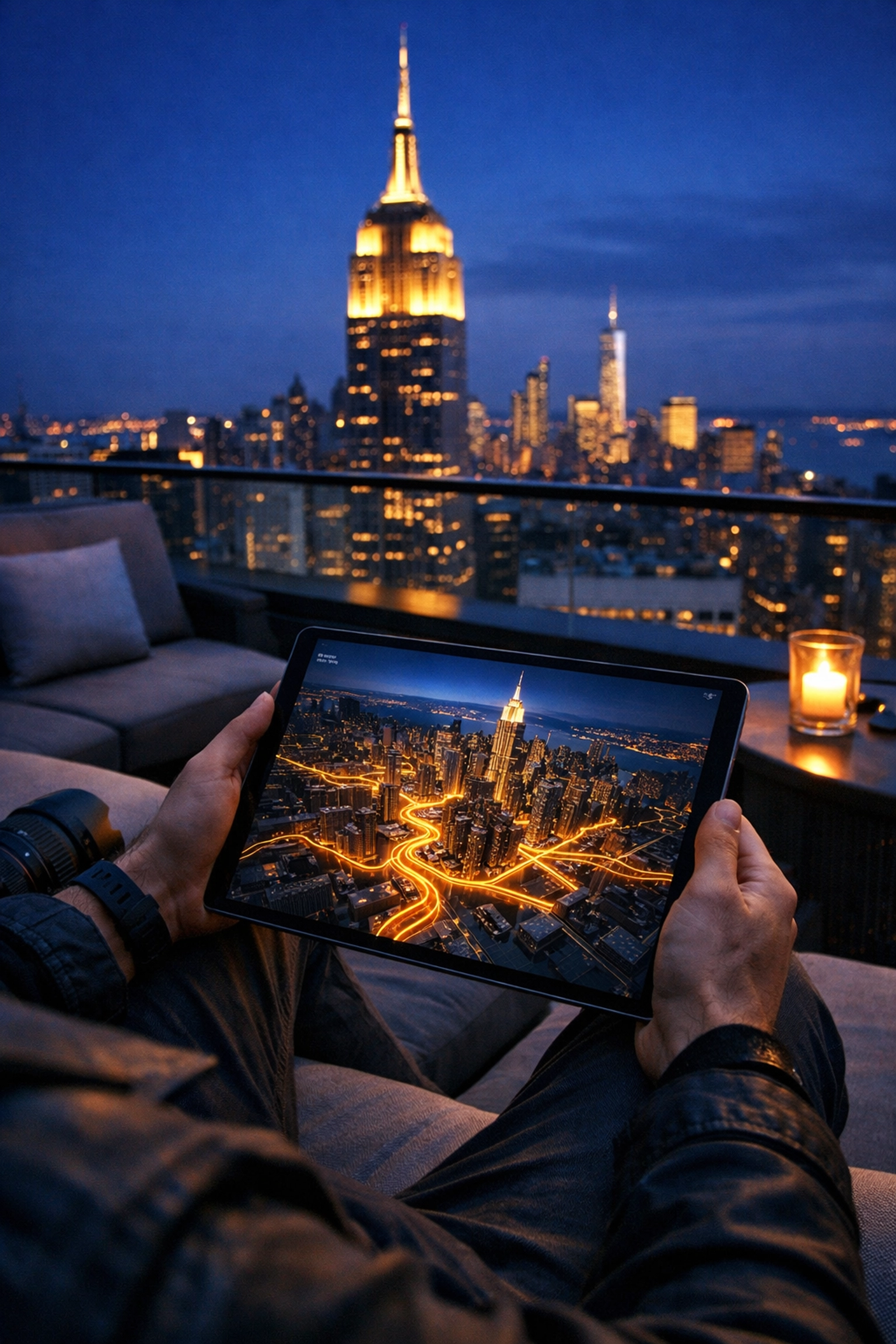
- 3D Visual Planning: Use Google Earth’s latest 2026 updates to visualize light paths. Understanding exactly where the sun will hit a specific architectural angle at 7:14 AM is the difference between a good shot and a viral one.
- Keyword Mapping: If you want to rank for "best photography locations," you must identify the high-intent keywords for that specific city. Are people looking for "drone spots," "Instagrammable cafes," or "brutalist architecture"?
Phase 2: Building the "City Guide" Content Stack
To rank #1, your content needs to be the most comprehensive resource available. We follow a specific content structure for every city we cover. This structure ensures that search engines see the page as an authority.
The Essential Location Categories
Every city guide should be broken down into these sub-sections:
- The Iconic "Hero" Spots: The must-sees, but with a fresh perspective (e.g., using sky overlays to enhance a flat sky).
- Hidden Gems: Locations that require a bit of a hike or a local secret to find.
- The Best "Blue Hour" Vantage Points: High vantage points for cityscapes.
- Lifestyle & Street Scenes: Recommendations for the best breakfast places or breweries where the aesthetic matches the vibe of a professional shoot.
Advanced Techniques for 2026
Don't just list the locations; teach the reader how to shoot them. In 2026, travel photography tips must include:
- Smartphone Synergy: How to use the latest iPhone sensors for professional-grade street photography.
- Drone Safety and Ethics: Navigating the 2026 drone regulations in urban environments.
- Long Exposure Without Filters: Utilizing internal software stabilization for creamy water and light trails.
Phase 3: Gear Selection for the Modern Explorer
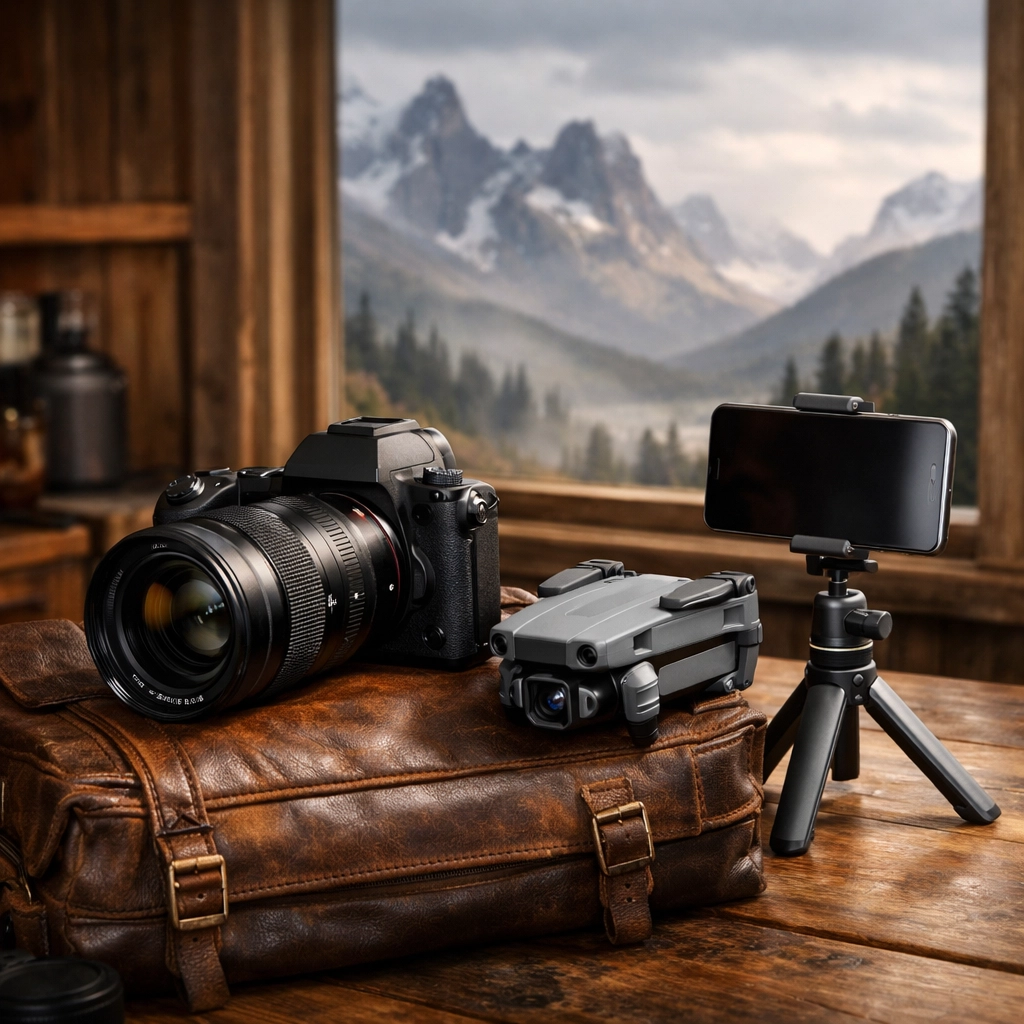
The "Proven Framework" relies heavily on efficiency. In 2026, we’ve moved away from the "everything including the kitchen sink" camera bag. We focus on high-output, low-weight setups.
For most city-based assignments, your essential photography gear should focus on versatility. A mirrorless body with a 24-70mm f/2.8 remains the gold standard, but we’re seeing a massive trend toward high-end compacts for street work.
If you’re deciding between destinations, such as the Dominican Republic vs Cancun, your gear list will change drastically. One requires moisture-sealed gear for tropical humidity, while the other might focus more on architectural wide-angles.
Phase 4: Implementing the SEO "City Loop"
If your goal is to rank for "best photography locations" city by city, you need a site architecture that supports it. This is the "City Loop" strategy.
- The Pillar Post: Create a massive guide for a city (e.g., "The Ultimate Guide to Atlanta Photography").
- The Cluster Content: Link out to specific, niche topics within that city, like an Atlanta event photographer’s perspective on lighting in the city’s venues.
- Cross-Linking: Link your city guides to broader educational content. If you discuss a night shot in Chicago, link to your educational category for a tutorial on tripod stability.
This creates a web of relevancy that search engines love. It proves you aren't just a tourist passing through, but an authority in the space.
Phase 5: AI’s Role in Your Workflow
We can't talk about 2026 photography without addressing AI. The "Proven Framework" uses AI as a tool, not a crutch.
- Scouting: Use AI to predict weather patterns and cloud density.
- Culling: Use AI-assisted software to quickly pick the sharpest images from a burst of 500.
- Authenticity Check: In a world of "fake" AI art, we recommend including "behind-the-scenes" shots or RAW data markers to prove the authenticity of your work. This builds trust with your audience, which is a core part of the Photoguides brand tone.
The Human Element: Why Local Context Matters
You can have the best gear and the best SEO, but if you don't understand the local "vibe," your photos will feel clinical. When we scout a new city, we spend the first 24 hours just walking. We visit the restaurants in downtown Golden or grab a drink at breweries in Williamsburg.
Observing how the light interacts with the local culture gives you those "hidden gem" shots that no one else has. It allows you to create a photography booking experience for clients that feels personal and curated, rather than a cookie-cutter tour.
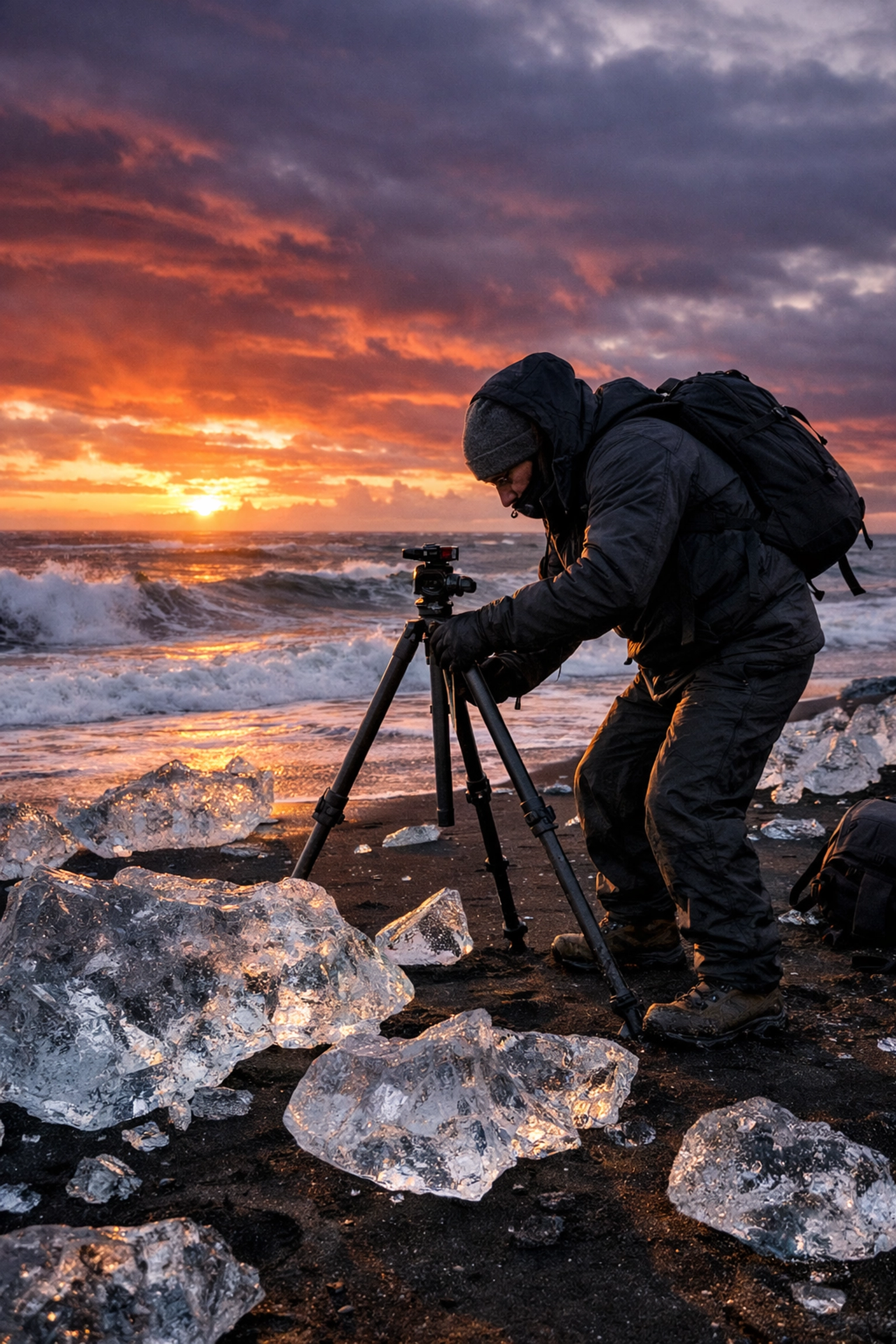
Scaling the Framework
The beauty of this framework is its scalability. Once you’ve mastered the "City Guide" for one location, you can replicate it globally. Whether it's a cheap weekend getaway or a high-end international expedition, the steps remain the same:
- Digital Research.
- Keyword Mapping.
- Local Contextualization.
- High-End Execution.
- SEO Optimization.
By following this, you don't just take pictures; you build a resource. You create something that helps other photographers find their voice in a new city, and that is how you truly rank #1.
Final Thoughts for 2026
The "Best Photography Locations" are no longer just points on a map. They are stories waiting to be told. As you move through your photography journey this year, remember that the gear (whether you're checking camera reviews from 2024 or the latest 2026 releases) is just a tool. The framework is your roadmap, but your eye is the destination.
If you’re ready to take your travel photography to the next level, I highly recommend checking out our latest reviews to ensure your kit is up to the task for your next city adventure.
Stay creative, stay authentic, and keep exploring. The world looks different through your lens( make sure people can find it.)













