
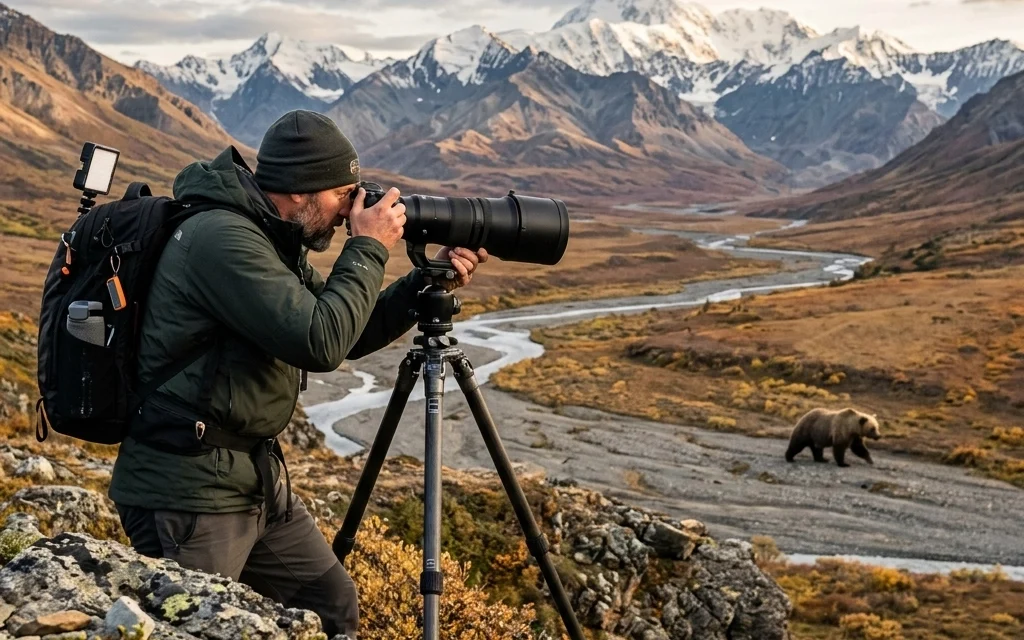
It’s officially 2026, and if you told me five years ago that I’d be spending more time behind the lens and less time behind a computer screen, I probably wouldn’t have believed you. But here we are. The photography landscape has shifted dramatically, and at the heart of this revolution is AI.
Now, I know what some of you might be thinking. "Is AI going to take my job?" or "Does AI make my work less authentic?" At Photoguides, we’ve always believed that the soul of a photograph comes from the person holding the camera. AI isn’t here to replace your vision; it’s here to act as your digital darkroom assistant, the one that never gets tired, never misses a focus point, and handles all the grunt work so you can focus on the art.
In this guide, we’re going to walk through the ultimate AI-driven workflow for 2026. Whether you’re shooting Miami’s hidden gems or capturing high-end weddings, these tools are going to give you your life back.
Phase 1: Pre-Shoot Planning and Vision
The best photos don't start when you click the shutter; they start weeks before. In 2026, AI has turned the "research" phase from a chore into a creative playground.
Intelligent Mood Boarding
Gone are the days of scrolling endlessly through Pinterest. Tools like VSCO Canvas have evolved into powerful AI engines. You can now use regional prompting to tell the AI exactly what kind of vibe you're looking for, say, "Moody Pacific Northwest sunrise with soft teal highlights": and it will pull from millions of community photos to help you visualize your shoot. This is a game-changer for aligning with clients before you even pack your bags.
AI-Powered Location Scouting
Looking for the best photography locations or "photo spots near me"? AI assistants like ChatGPT and Claude have become incredibly sophisticated. I often use them to calculate the exact angle of the sun at a specific trailhead in Zion National Park for a Tuesday in November. They can cross-reference weather patterns, crowd density, and even suggest the best nearby breakfast spots for after the golden hour shoot.

Phase 2: The Shoot – AI In-Camera
Even our hardware has changed. Whether you’re using the latest mirrorless body or mastering iPhone photography, AI is working under the hood.
Most cameras in 2026 now feature "Subject Recognition 2.0." It doesn't just find eyes; it predicts movement based on the species of bird or the specific sport being played. For those of us using specialized gear, like the Module 8 lens adapter, AI helps maintain that beautiful vintage character while ensuring the digital sensor captures every bit of dynamic range.
Even drone shots have become safer and more creative. AI-driven flight paths allow you to set a "cinematic intent," and the drone handles the complex maneuvering while you control the gimbal and framing.
Phase 3: The Culling Crisis – Solved
Let’s talk about the part of the job everyone secretly hates: culling. We’ve all been there: returning from a wedding with 4,000 images and a sense of impending doom.
In 2026, AfterShoot is the industry standard. This isn't just a basic filter; it’s a system that has learned from billions of images. It identifies the "hero" shots by checking for closed eyes, blurred focus, and even facial expressions. What used to take six hours now takes about twenty minutes. The most reassuring part? It learns your style. If you prefer candid, slightly off-kilter shots over perfectly posed ones, the AI adapts to your preference.

Phase 4: Editing and Maintaining Your "Signature Look"
This is where the magic (and the time-saving) really happens. The goal in 2026 is "Consistency at Scale."
Imagen AI: Your Digital Twin
Imagen AI is perhaps the most impactful tool for professional photographers today. It analyzes your past 5,000 edits to create a "Personal AI Profile." When you upload a new gallery, it applies your specific exposure, white balance, and color grading preferences. It even handles the essential photography gear corrections, like lens distortion and chromatic aberration, automatically.
Adobe Lightroom and Photoshop
Adobe hasn't stayed still. Lightroom’s "Selection" tools are now entirely semantic. You can tell the software to "Select the mountains and add a slight haze," or "Enhance the groom's suit without affecting the skin tones."
For more intense work, Evoto AI has become the go-to for portrait and wedding photographers. It handles high-end retouching: stray hairs, skin texture, and even clothing wrinkles: in seconds. It’s professional-grade work that used to require a dedicated retoucher. If you’re curious about how this compares to older methods, check out our camera reviews.

Phase 5: The E-Commerce and Product Revolution
If you’re in the product photography world, AI has completely leveled the playing field. Tools like Claid.ai and Photoroom allow you to take a photo of a product on a kitchen table and instantly place it in a high-end studio setting or a lifestyle scene in the Dominican Republic.
For brands, this means they can maintain a consistent "Visual DNA" across thousands of SKUs without needing to rent a studio for every single product launch. It’s efficient, cost-effective, and: most importantly: it looks real.
Phase 6: Authentic Art vs. AI Generation
As we move deeper into 2026, a new trend has emerged: the "Authenticity Premium."
While AI can generate a beautiful sunset from scratch, it can’t recreate the memory of standing on a cliffside in the Amalfi Coast. We’re seeing a shift where fine art photography is becoming more valuable because it represents a real human experience.
The most successful photographers in 2026 are those who use AI to handle the process but keep their perspective human. We use AI to remove a trash can from a beautiful street scene, but we don't let AI decide where the camera should point. That distinction is what will keep your work relevant and high-end.

Phase 7: The 2026 Gear Guide (AI-Ready)
Your gear needs to play nice with your software. Here’s what we’re recommending this year:
- High-Bandwidth Storage: With AI processing so much data, fast SSDs are no longer optional.
- Neural-Processing Laptops: The latest MacBooks and PCs have dedicated chips just for AI tasks, making culling and editing instantaneous.
- Smart Lighting: Systems that sync with your editing software to "pre-tag" lighting conditions, making the AI's job even easier.
- Hybrid Cameras: Bodies that can seamlessly switch between high-res stills and 8K video, with AI-based internal upscaling.
For a deeper dive into the specifics, head over to our reviews section.
Wrapping It Up: Your Future as a Photographer
The photography workflow of 2026 is about one thing: Freedom.
By embracing these AI tools, you aren't "cheating." You're removing the barriers between your vision and the final product. You’re giving yourself the time to scout that hidden speakeasy, to spend more time with your clients, and to actually enjoy the process of creation again.
If you’re ready to start automating your business, I highly recommend checking out our educational resources and downloading our latest workflow templates.
The world needs your perspective more than ever. Don’t let the busy work hold you back. Let the AI handle the pixels; you handle the soul.













