
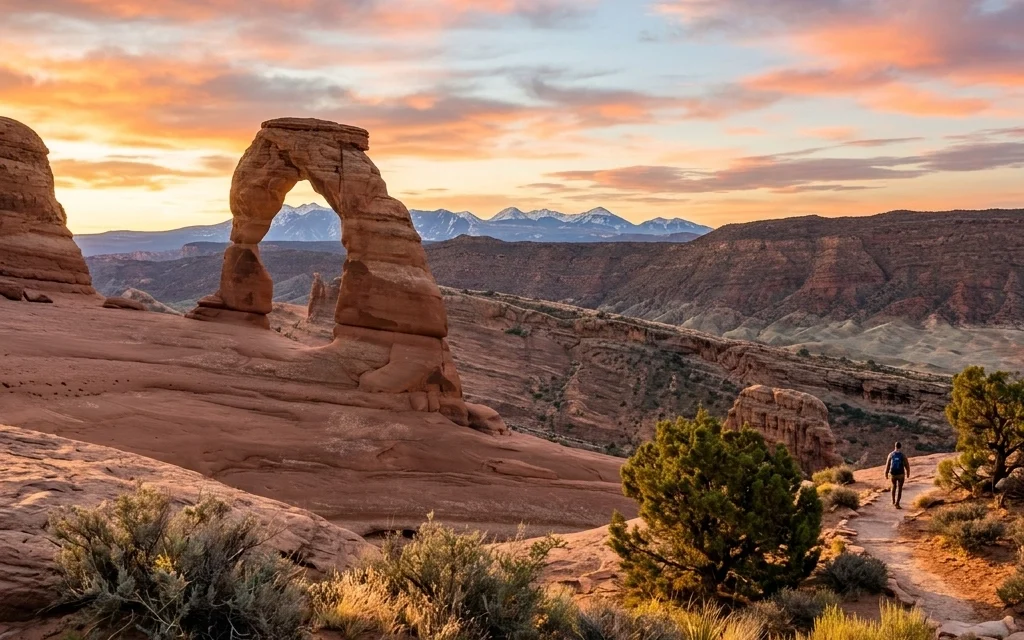
There is something deeply spiritual about standing on the edge of a canyon or watching the sun crest over a jagged, snow-capped peak. In the United States, we are incredibly lucky to have 63 protected sanctuaries that offer some of the most diverse and breathtaking scenery on the planet. Whether you are a seasoned pro or just starting your journey, these parks are the ultimate playground for landscape photography locations.
At Photoguides, we want to make sure you don’t just visit these places, but that you come home with the kind of shots you’ll want to hang on your wall. This guide is the start of our comprehensive series covering every single park, from the mossy rainforests of the Pacific Northwest to the sun-scorched dunes of Death Valley.
Preparing for the Great Outdoors
Before we dive into the specific parks, let's talk shop. Chasing the light across 63 parks requires more than just a camera; it requires a plan. You need to think about the season, the gear, and the physical demands of the terrain.
If you’re wondering what should be in your bag, I highly recommend checking out our guide on essential photography gear. Having the right tripod and a solid set of filters is the difference between a "snapshot" and a "photograph." For those looking to upgrade their tech before the next road trip, our camera reviews 2024 section is a great place to start.
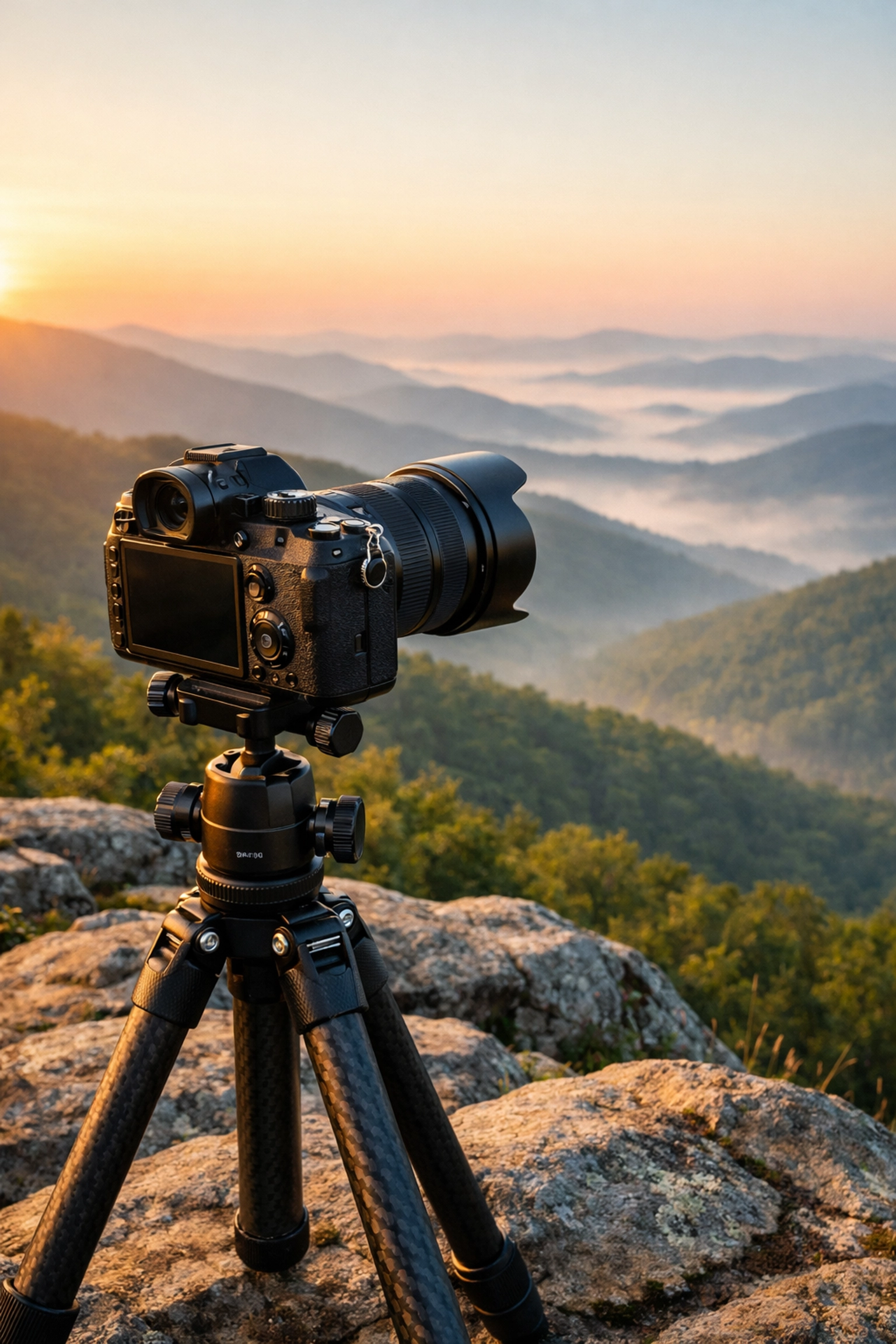
Alt Text: A professional camera setup on a tripod overlooking a misty valley during the golden hour, symbolizing the preparation for national park photography.
The Icons of the American West
The "Big Five" in Utah and the heavy hitters like Yosemite and the Grand Canyon are often the first on any photographer's list. And for good reason: the scale is simply unmatched.
Yosemite National Park, California
Yosemite is arguably the birthplace of modern landscape photography. To capture the best photography locations here, you have to visit Tunnel View. It provides that classic framing of El Capitan, Half Dome, and Bridalveil Fall. For a more unique perspective, head up to Glacier Point at sunset to see the light turn the granite faces into a glowing orange masterpiece.
Arches National Park, Utah
Arches is all about the "best sunrise spots." Delicate Arch is the star of the show, but don't overlook the Windows Section during the blue hour. The red rock contrast against a deep blue sky is a dream for post-processing. If you're looking for inspiration on how these shots look when finished, take a peek at the gallery over at Edin Fine Art.
Grand Canyon National Park, Arizona
The sheer scale of the Grand Canyon can be intimidating. My advice? Look for depth. Use a telephoto lens to compress the layers of the canyon walls. Mather Point is popular, but Lipan Point offers some of the best views of the Colorado River snaking through the bottom.
Coastal Gems and Island Escapes
Not all national parks are found in the desert or the mountains. Some of the most dramatic landscape photography locations are where the land meets the sea.
Acadia National Park, Maine
Acadia is home to the first sunrise in the U.S. for much of the year. Shooting from the summit of Cadillac Mountain is a rite of passage for landscape photographers. Down at sea level, the Bass Harbor Head Lighthouse is the quintessential New England shot. For more travel tips and deep dives into East Coast shooting, visit Edin's Blog.
Olympic National Park, Washington
This park is like three parks in one. You have the rugged coastline of Ruby Beach, the temperate Hoh Rainforest, and the alpine heights of Hurricane Ridge. The moody, overcast skies here are actually your friend: they saturate the greens of the forest and provide soft, even light for the sea stacks.
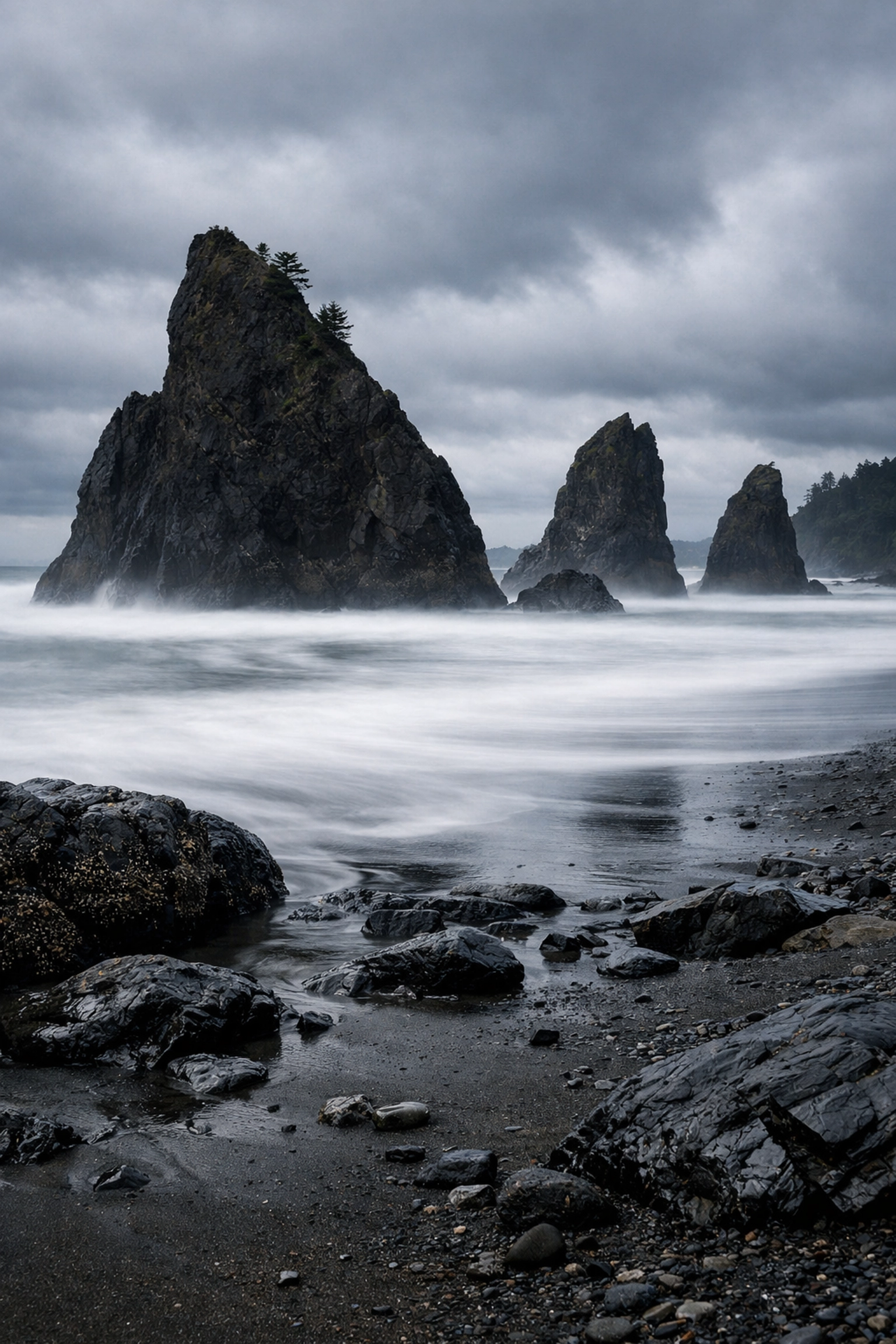
Alt Text: Long exposure shot of sea stacks at Ruby Beach in Olympic National Park, showing silky water and dramatic clouds.
The Hidden Gems: Beyond the Tourist Trails
While everyone flocks to Yellowstone and Zion, some of the most "epic shots" come from the parks that require a bit more effort to reach.
Badlands National Park, South Dakota
The Badlands feel like another planet. The Big Badlands Overlook is one of the best sunrise spots in the Midwest. The way the light hits the sedimentary layers creates a painterly effect that is hard to find anywhere else.
Dry Tortugas National Park, Florida
Located 70 miles west of Key West, this park is mostly water. The centerpiece is Fort Jefferson, a massive masonry fort. The contrast of the red bricks against the turquoise Caribbean water is stunning. It’s also a prime spot for astrophotography since there is zero light pollution. If you're interested in learning more about the gear needed for night skies, join the conversation over at Shut Your Aperture.
Essential Tips for Every Park
No matter which of the 63 parks you are visiting, a few universal rules apply:
- Chase the Golden Hour: This is non-negotiable. The hour after sunrise and the hour before sunset provide the soft, directional light that defines great landscape photography.
- Respect the Wildlife: Especially in parks like Yellowstone or Glacier. Keep your distance: not just for safety, but to capture natural behavior. A long telephoto lens is your best friend here.
- Leave No Trace: We want these parks to stay beautiful for the next generation of photographers. Stay on the trails and pack out what you pack in.
- Check the Weather: National Park weather is unpredictable. High-altitude parks can see snow in July, and desert parks can flash flood in a heartbeat.
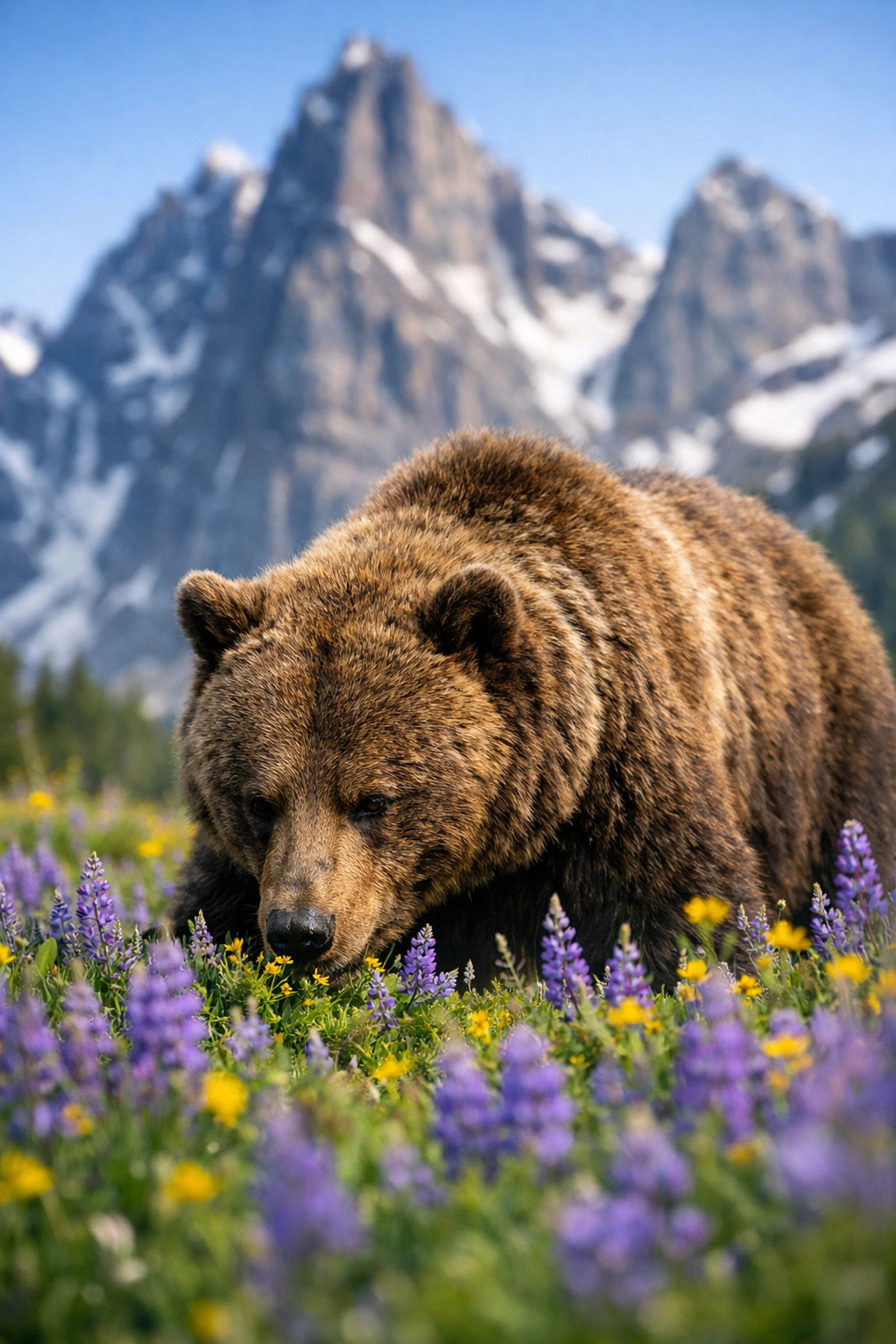
Alt Text: A majestic grizzly bear standing in a meadow in Glacier National Park, captured with a telephoto lens from a safe distance.
Planning Your Route
Trying to hit all 63 parks is a marathon, not a sprint. Many photographers choose to tackle them in clusters. For example, a "Southwest Circle" takes you through the parks of Utah and Arizona, while a "Pacific Northwest Loop" covers Washington and Oregon.
If you’re planning a shorter trip and need a break from the wilderness, you might enjoy some of our urban guides, like exploring Miami's hidden speakeasies or finding the best restaurants in downtown Golden after a day of shooting in the Rockies.
Capturing the Night Sky
Many of our National Parks are designated Dark Sky Parks. This means they are some of the best places on earth to photograph the Milky Way. Parks like Joshua Tree, Big Bend, and Great Basin offer clarity that you simply can't get near a city.
For those looking to add a bit of drama to their night shots or even their daytime landscapes, using tools like sky overlays can help enhance the mood of a photo when the weather doesn't cooperate.
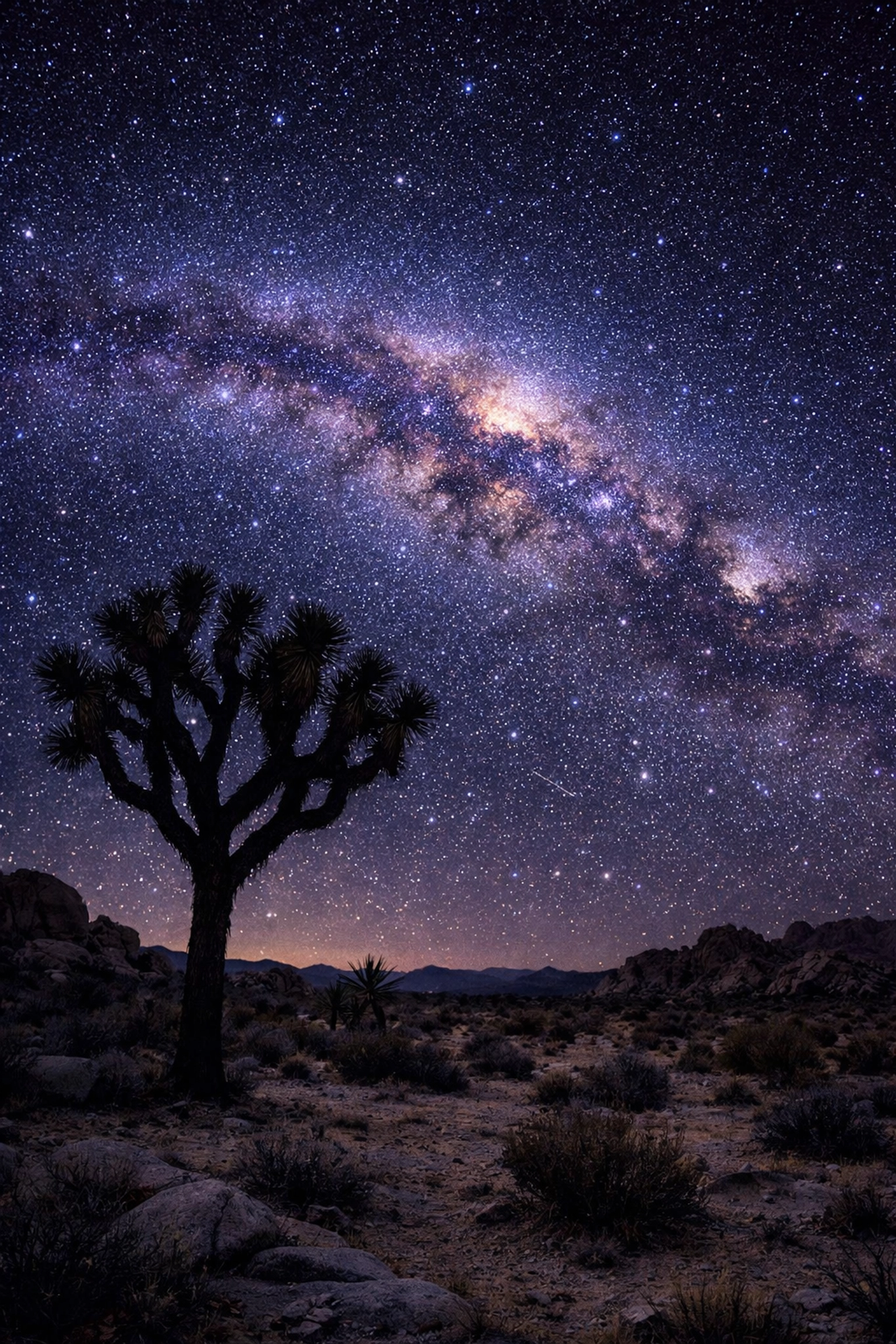
Alt Text: The Milky Way galaxy stretching over the silhouette of a Joshua Tree in the California desert, showing vibrant stars and nebulae.
Conclusion
The journey through all 63 US National Parks is as much about the experience as it is about the photos. Each park has a soul, a specific "feeling" that you try to capture in a frame. Whether you are standing in the spray of a waterfall in Yosemite or shivering in the pre-dawn cold of Acadia, remember to take a moment to put the camera down and just breathe.
We will be releasing detailed guides for every single park in this series, so stay tuned. We’ll go deep into the specific GPS coordinates for the best photography locations and the exact gear lists for each environment.
In the meantime, get out there and start shooting. The light is waiting. For more inspiration on transforming your park photos into gallery-quality art, don't forget to visit Edin Fine Art and keep honing your craft with us here at Photoguides.
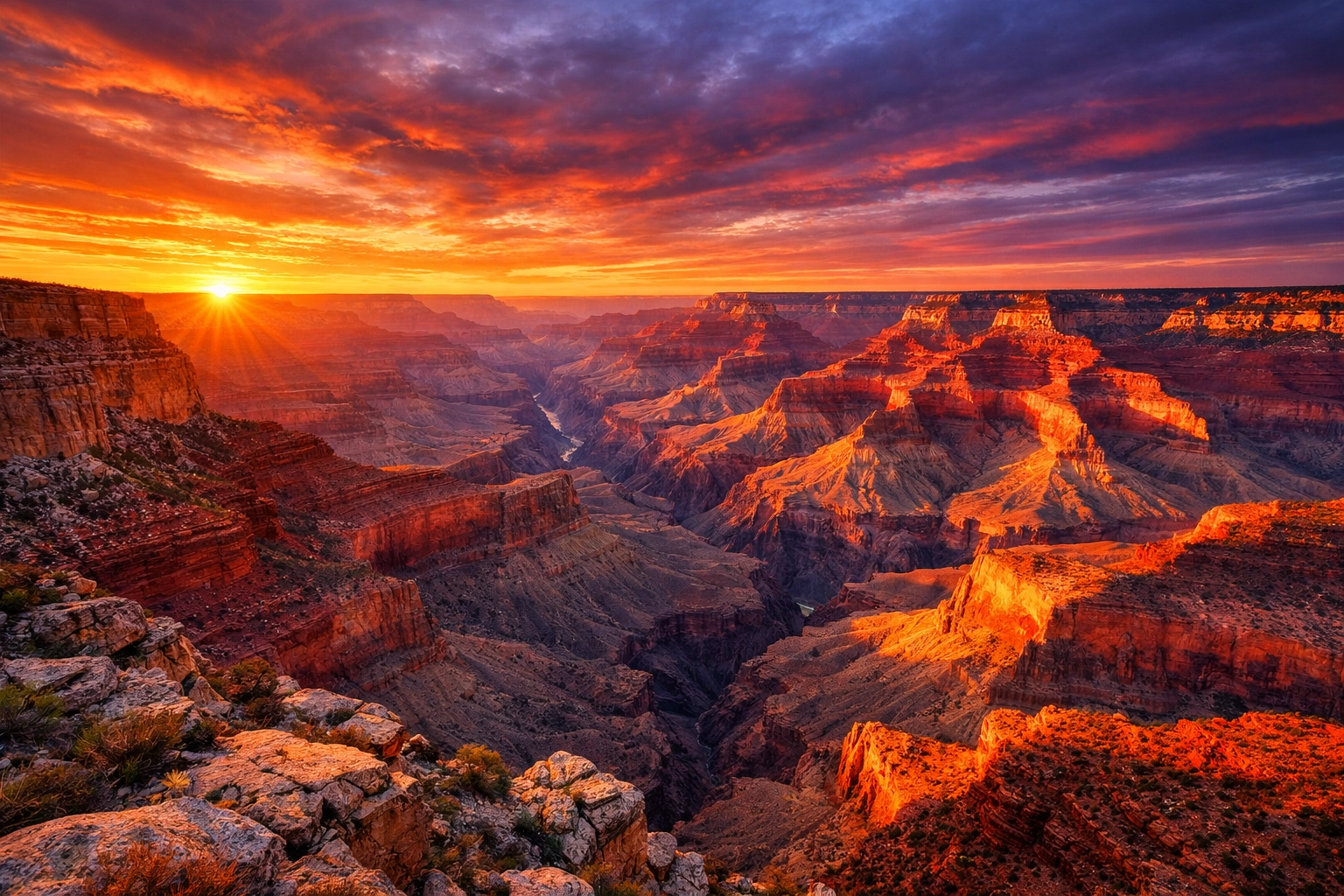
Alt Text: A wide-angle landscape of the Grand Canyon at sunset, with deep oranges and purples illuminating the vast rock formations.













