
Hey there, fellow shutterbugs. I’m Edin Chavez, and if there is one thing I’ve learned over years of traveling with a camera, it’s that the US National Parks are the absolute gold standard for any visual storyteller. Whether you are a seasoned pro or just starting out, there is something deeply spiritual about standing on the edge of a canyon or watching the mist roll through a pine forest.
With 63 national parks scattered across the states: from the icy peaks of Alaska to the sun-drenched shores of the Virgin Islands: knowing where to point your lens can be a bit overwhelming. That’s exactly why I’m putting together this comprehensive series. We’re going to dive into the best photography locations in every single park, helping you capture that "wall-art" worthy shot every time you head out.
In this master guide, we’ll kick things off by highlighting the heavy hitters and the hidden gems. Think of this as your roadmap to the most iconic landscape photography locations in America.
Getting Prepared: The Gear and the Mindset
Before we jump into the locations, let’s talk shop. You wouldn’t head into the backcountry without a plan, and you shouldn’t head out without the right kit. For most national parks, a wide-angle lens is your best friend for those sweeping vistas, but don't forget a sturdy tripod. High-quality landscape work often happens at the edges of the day, and you'll need that stability for long exposures.
You can check out my essential photography gear guide for a full breakdown of what’s in my bag. And if you’re looking to see how these shots look when they’re finished and hanging in a gallery, head over to Edin Fine Art.
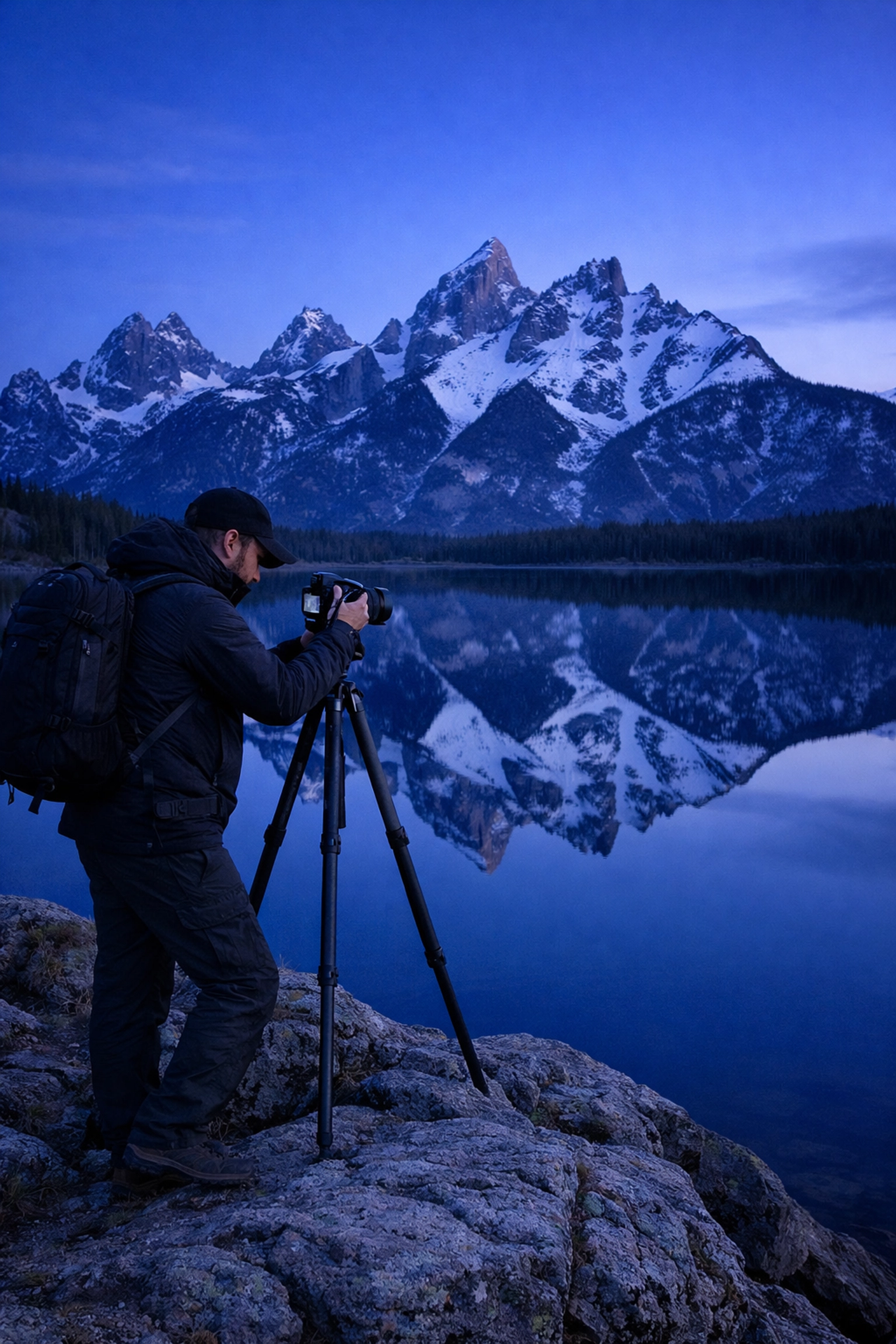
Alt text: A photographer standing on a cliff edge with a tripod, overlooking a vast mountain range during blue hour.
The Crown Jewels of the West
When people think of the National Parks, the icons of the West usually come to mind first. These parks offer some of the most dramatic and accessible landscape photography locations in the world.
Yosemite National Park (California)
Yosemite is the birthplace of modern landscape photography. Standing at Tunnel View, you get the classic "Big Three": El Capitan, Half Dome, and Bridalveil Fall. If you’re looking for the best sunrise spots, head up to Glacier Point. The way the first light hits the face of Half Dome is nothing short of magical.
Grand Teton National Park (Wyoming)
If you love reflections and rugged peaks, the Tetons are for you. Mormon Row is a classic for a reason; those old barns with the mountains in the background are a photographer’s dream. For a more serene vibe, Schwabacher Landing offers incredible mirror-like reflections of the range in the Snake River.
Yellowstone National Park (Wyoming, Montana, Idaho)
Yellowstone is a different beast entirely. It’s not just about the mountains; it’s about the geothermal activity. The Grand Prismatic Spring is a color palette you won't find anywhere else on Earth. Pro tip: hike up to the Fairy Falls overlook to get an elevated view of the spring’s vibrant rings.
The Mighty Five: Utah’s Red Rock Wonders
Utah is a playground for anyone obsessed with light and shadow. The contrast of the deep orange rock against a sapphire sky is a staple of high-end landscape work.
- Arches National Park: Delicate Arch at sunset is a rite of passage. However, if you want something a bit more unique, head to The Windows Section for some incredible framing opportunities.
- Zion National Park: The best sunrise spots here are at the Canyon Overlook trail. It's a relatively short hike with a massive payoff. Of course, you can't forget The Narrows, where the light bouncing off the canyon walls creates a "glow" that is legendary in the photography community.
- Bryce Canyon: It’s all about the hoodoos. Inspiration Point offers a panoramic view that really shows off the scale of the amphitheater.
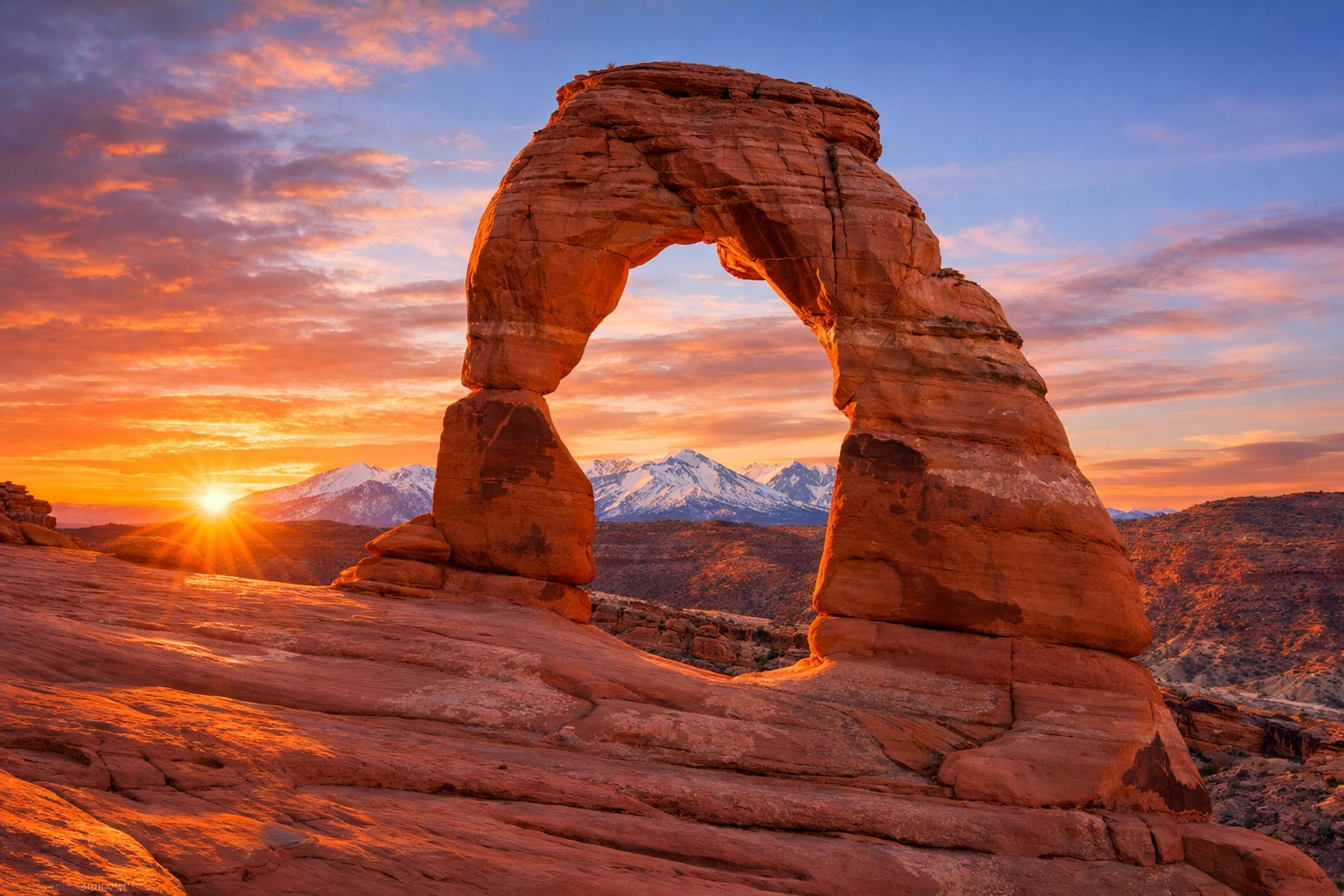
Alt text: The sun setting through a natural stone arch in Utah, casting a warm orange glow on the desert floor.
Finding Peace in the East and South
While the West gets a lot of the glory, the parks on the eastern half of the US offer a softer, more atmospheric beauty.
Acadia National Park (Maine)
Acadia is one of my favorite places for early birds. Cadillac Mountain is the first place in the US to see the sunrise during certain parts of the year. It is hands-down one of the best sunrise spots in the entire National Park system. The rugged coastline at Boulder Beach also provides great foreground interest for long-exposure wave shots.
Great Smoky Mountains National Park (Tennessee, North Carolina)
This is the most visited park in the country, but don't let the crowds scare you off. The "smoke" (which is actually a natural fog) creates layers in your photos that are incredibly cinematic. Head to Clingmans Dome or Newfound Gap for those classic blue-ridge vistas. For more travel tips on the East Coast, check out some of my cheap weekend getaways that might land you right in the heart of these parks.
The Remote Frontiers: Alaska and the Islands
If you really want to push your limits, the remote parks offer scenes that very few people ever get to photograph.
- Denali National Park (Alaska): The scale here is impossible to describe. Capturing the "High One" (Denali) is a challenge because it’s often shrouded in clouds, but when it clears, it’s the shot of a lifetime.
- Haleakala National Park (Hawaii): Watching the sun rise above the clouds at 10,000 feet is an experience that stays with you. It feels more like being on Mars than in Hawaii.
- Dry Tortugas (Florida): Located 70 miles off Key West, this park is mostly water and a massive 19th-century fort. It’s a spectacular spot for astrophotography because there is zero light pollution.
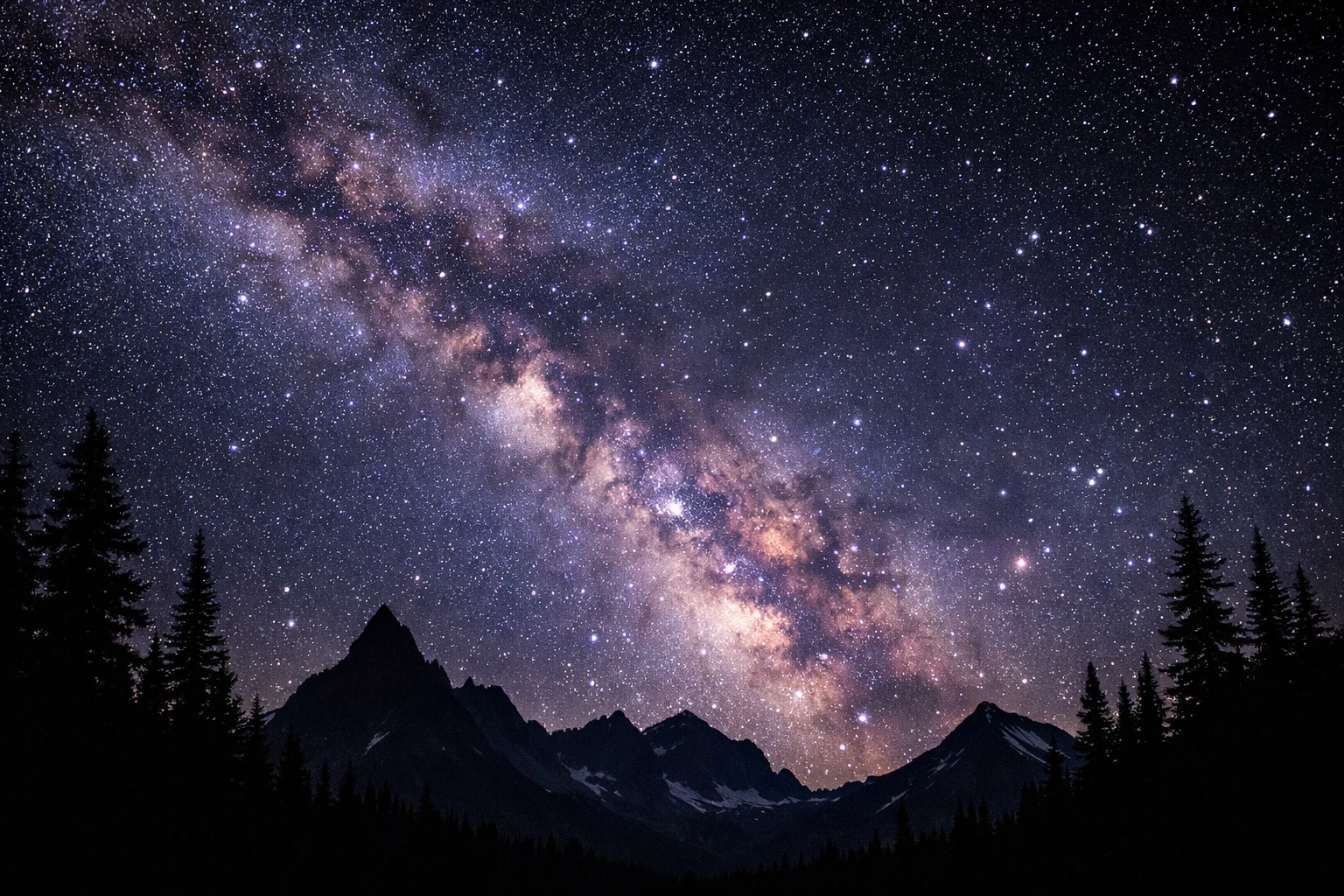
Alt text: A clear night sky over a remote national park, showing the Milky Way stretched across the horizon with a silhouetted forest below.
Professional Tips for Epic Landscape Shots
Capturing these places isn't just about showing up; it’s about timing and technique. Here are a few things I always keep in mind:
- Follow the Light: Mid-day sun is usually the enemy of great landscape photography. It’s harsh and flat. Aim for the "Golden Hour" (just after sunrise or before sunset) and the "Blue Hour" (just before sunrise or after sunset).
- Find a Strong Foreground: A beautiful mountain is great, but a beautiful mountain with a leading line of rocks, a winding river, or a blooming wildflower in the foreground is a masterpiece.
- Patience is a Virtue: I’ve waited hours in the rain for the clouds to break just for thirty seconds. Sometimes, the best shot is the one you waited the longest for.
- Post-Processing: Don't be afraid to enhance what was already there. Subtle edits can make the colors pop and the shadows sing. For more on my post-processing philosophy, you can read my deeper dives at The Edin Chavez Blog.
Building Your Bucket List
With 63 parks to explore, you aren't going to see them all in one summer. Start with the ones that call to your specific style. If you love grand vistas, head to the Grand Canyon. If you love intimate forest scenes, check out Olympic or Shenandoah.
If you are looking for a more hands-on way to improve your skills, I highly recommend checking out our photography booking experience. There is nothing quite like learning in the field with experts who know these parks inside and out.
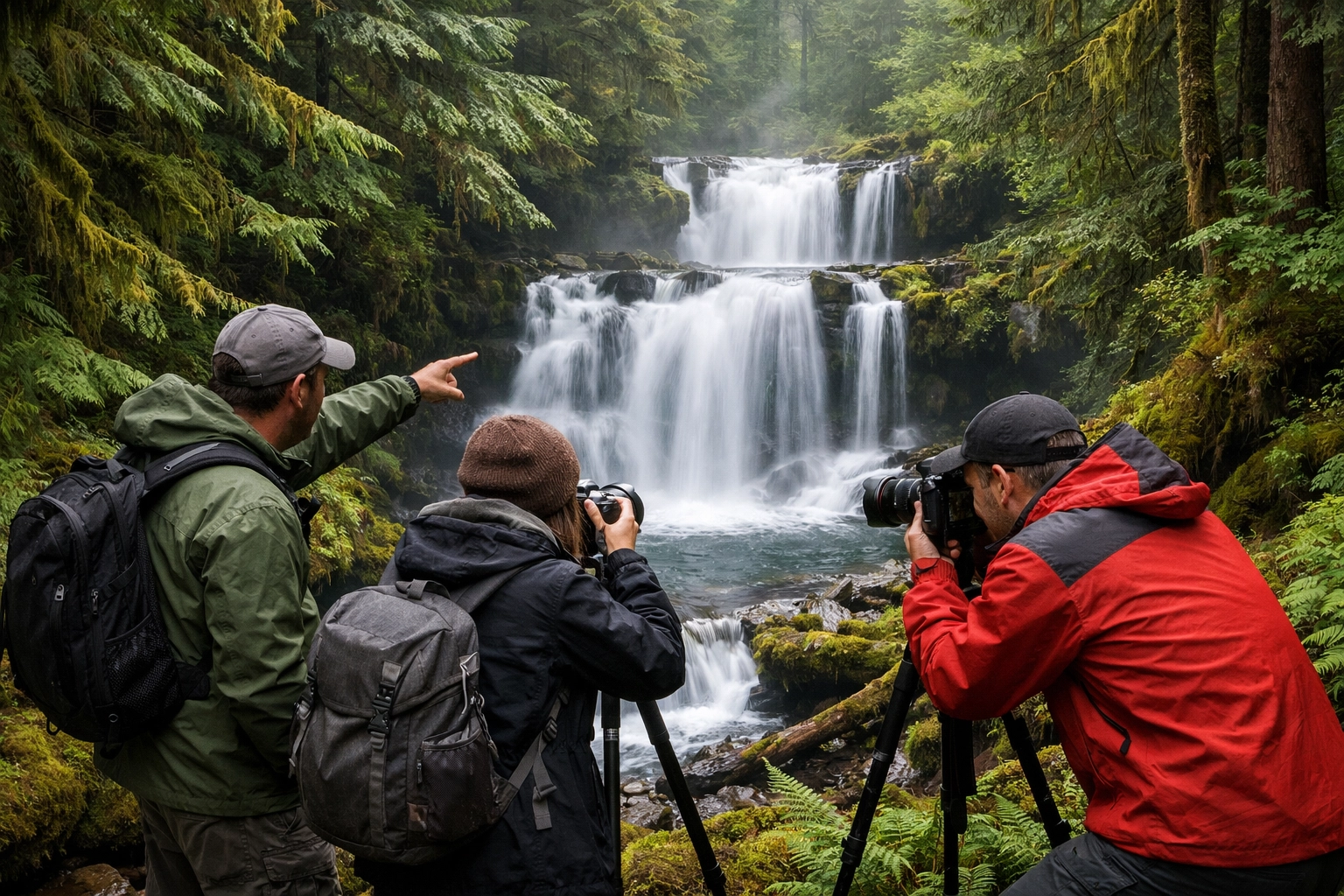
Alt text: A group of photographers on a guided tour, learning how to capture a waterfall in a lush, green national park forest.
The Journey Continues
This guide is just the beginning of our journey through all 63 US National Parks. Over the coming months, we will be releasing dedicated, deep-dive posts for every single park. We’ll cover the specific GPS coordinates for the best photography locations, the exact time to hit the best sunrise spots, and the gear you need to survive the specific climate of each region.
The National Parks are a gift to us all. They are places of reflection, adventure, and incredible beauty. My hope is that through this series, you’ll feel inspired to grab your camera, hit the road, and capture your own piece of the American wilderness.
Don't forget to keep an eye on our educational category for more tips on composition and lighting as you prepare for your next big trip.
See you out on the trail!
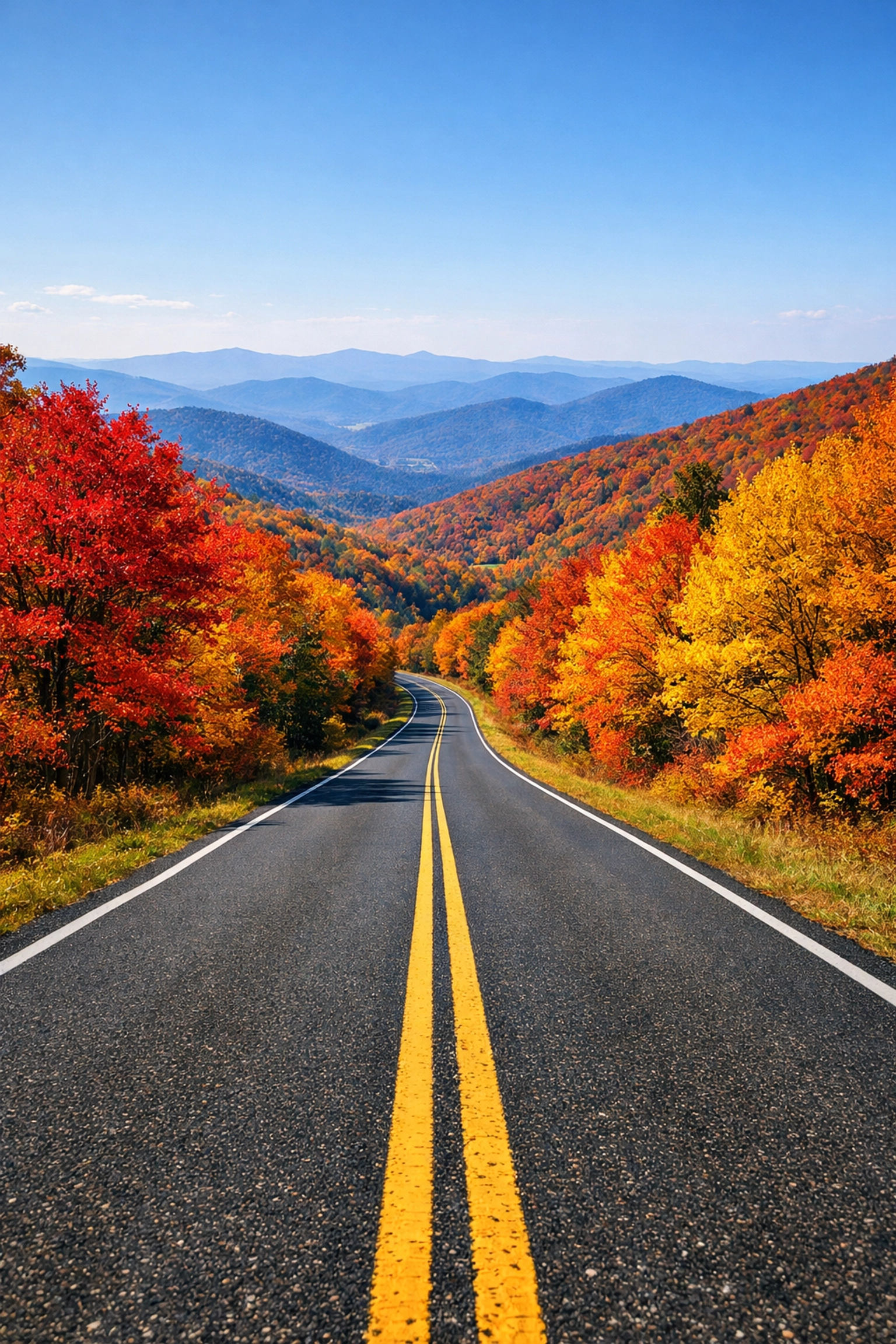
Alt text: A scenic winding road leading into a valley of colorful autumn trees within a national park.












